
$64.90
Free delivery · 7–14 days
Drain Unclogger Powder for Household Pipe Blockages


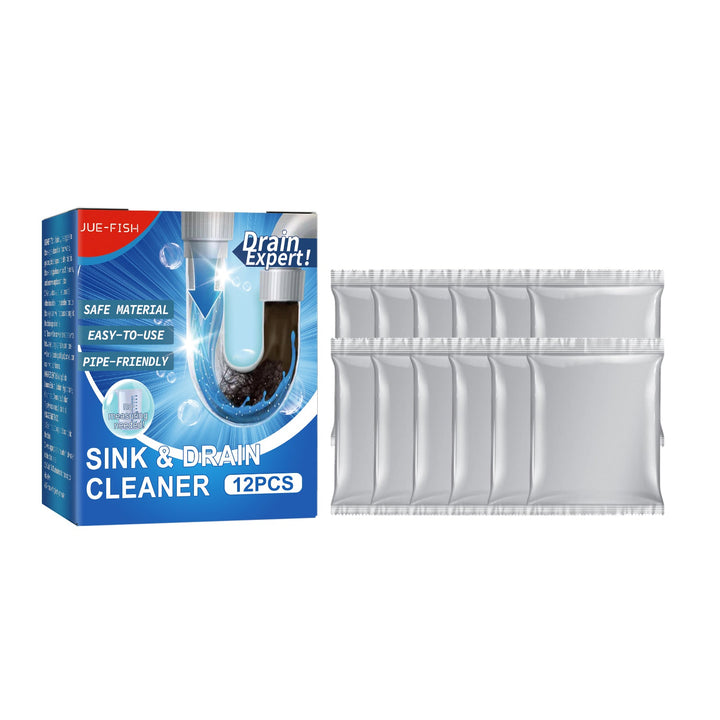
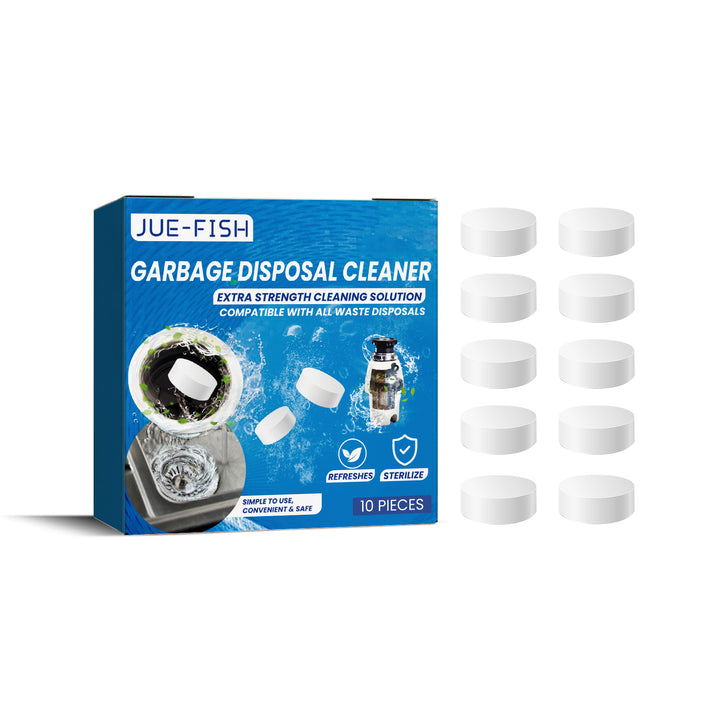
Find a drain cleaner suited to the blockage, pipe, and drain type rather than choosing only by strength. This category includes powders, gels, tablets, and toilet-focused clog removers for kitchen sinks, household drains, odors, stains, and slow flow.
Start by identifying where the problem is and what is likely causing it. A kitchen sink may collect grease, food residue, and soap, while a bathroom drain commonly slows because of hair and personal-care buildup. Choose a drain cleaner powder when you want a concentrated product for household pipe blockages, a gel for controlled application in a sink, or tablets for routine odor and buildup care. Toilet drain clog remover sachets are designed for toilet-related blockages rather than every household drain. Also check the product directions for suitable pipe materials, water levels, contact time, and ventilation requirements before buying.
Drain cleaner chemical products in this category use powders, gel, or tablets, while a drain cleaner tool removes or loosens a blockage mechanically. Powder sachets are convenient for targeted clog relief and are available for general pipes, stains, odors, or smoother flow. Gel is useful when you want a ready-to-pour formula for a kitchen or sink drain. Tablets can suit simple maintenance and odor removal when used as directed. A plunger, drain snake, or other drain cleaner tool may be preferable when hair or a solid object is blocking the opening. A drain cleaner machine is generally a specialist option for persistent or deeper obstructions.
Look for a clear description of the intended use, such as kitchen sink, household pipe, toilet, odor, stains, or slow drainage. Check whether the format matches your routine: pre-measured powder sachets and tablets reduce measuring, while gel can be easier to pour into a sink. Read the label for compatible surfaces, required standing time, rinsing instructions, storage, and warnings about mixing products. If you are shopping for drain cleaner for hair, choose a product whose directions address bathroom or hair-related buildup, and consider a physical tool for visible hair near the drain cover. Packaging that explains single-use quantities and disposal makes the product easier to use responsibly.
Follow the specific instructions on the chosen powder, gel, or tablet; formulas and quantities differ. Clear standing water only if the directions allow it, then apply the product to the drain without splashing. Keep the area ventilated, protect nearby surfaces, and wear the protective equipment stated on the label. Never combine drain cleaner chemical products with bleach, vinegar, baking soda, ammonia, toilet cleaner, or another unclogger, because mixtures can create hazardous reactions. Give the product only the recommended contact time, then flush or rinse exactly as directed. If water remains completely blocked, avoid repeated applications and consider a drain cleaner tool or a qualified plumber.
The most common mistake is choosing a general drain cleaner for a toilet, appliance line, or pipe material that the label excludes. Another is adding more product because the first application did not work immediately; this can leave concentrated cleaner in the pipe and make later work more hazardous. Do not mix products or use vinegar and baking soda in the same treatment as a chemical cleaner. Avoid forcing a plunger or snake through a drain that contains recently applied chemical cleaner unless the product instructions specifically permit it. If several drains are affected, the blockage returns quickly, or there is leaking, the issue may be deeper than a simple sink clog and needs further assessment.
These products suit shoppers handling ordinary slow-flowing or clogged household drains and looking for a convenient alternative to dismantling a trap. Kitchen sink users can choose a gel or powder intended for sink and pipe buildup, while bathroom users may prefer a product described for hair-related clogs, odors, or stains. Tablets can suit planned drain maintenance where the label supports that use. Toilet drain clog remover sachets are appropriate only when their directions cover the toilet application. Choose a drain cleaner tool instead when you can see a blockage, suspect a solid object, or want a non-chemical approach. For recurring, widespread, or inaccessible blockages, professional help may be more suitable than repeated treatments.
The best option depends on the blockage and drain type. Use a product labeled for the specific application, such as kitchen sink, hair-related buildup, toilet, odor, or general household pipes; a drain cleaner tool may be better for a visible or solid obstruction.
Chemical drain cleaners can be hazardous if they are mixed, splashed, left in a blocked pipe, or handled without following the label. They may also be unsuitable for some pipe materials or blockages, so check the instructions and consider a tool or professional assessment when the cause is unclear.
They may help with light residue or odors, but they are not a dependable solution for every clog, particularly compacted hair or a solid blockage. Never combine them with a chemical drain cleaner, and follow the selected product's instructions instead of adding household ingredients.
Common alternatives include a plunger, drain snake, inspection, trap cleaning, or specialist drain cleaning equipment. The right method depends on the location and cause of the blockage; a drain cleaner machine is generally intended for deeper or more persistent problems.
Dish soap may help loosen some greasy residue, but it is not designed to remove every type of drain blockage. For hair, solid objects, or a persistent clog, use a suitable drain cleaner product or mechanical tool according to its directions.
There is no single best product for every blockage. A suitable powder or gel can help with the type of buildup named on its label, while a tool or professional equipment may be more effective for solid, deep, or recurring obstructions.