
$64.90
Free delivery · 7–14 days
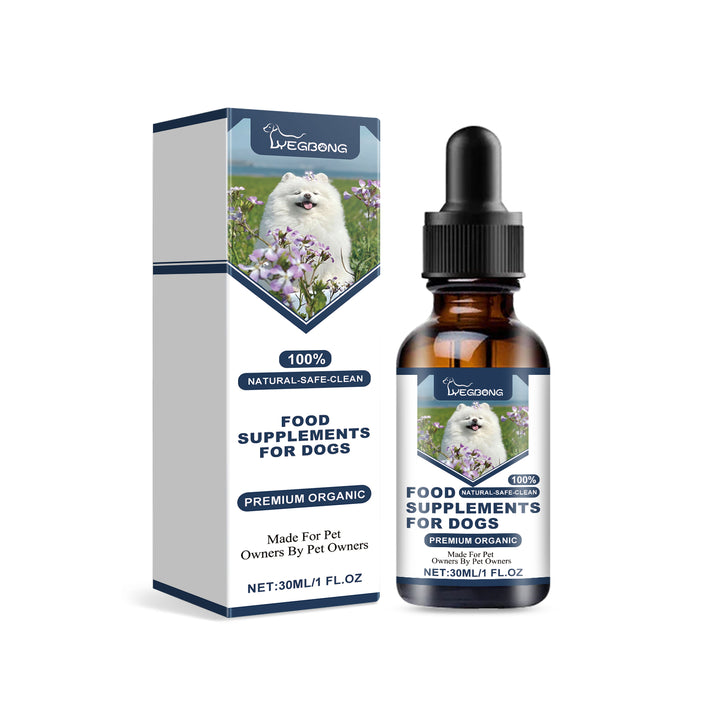
Dog Sleep Drops for Calmer, Better Nighttime Rest




Pet supplements can help you add targeted nutritional support to a dog or cat’s daily routine, from canine probiotics and joint-focused formulas to fish oil, vitamins, and mineral products. Use this guide to compare formats, match products with your pet’s species and needs, and choose options that fit their existing diet.
Start with your pet’s species, age, diet, and the type of support you want to add. Dog-specific options in this category include calcium tablets for bones and teeth, iron liquid for daily vitality support, and urinary support liquid for dogs and cats. Cat products include fish oil tablets, probiotic tablets, multivitamins, and taurine tablets. Check the label for serving directions and ingredients before buying, especially if your dog eats homemade food or already receives fortified food. Choose one clear purpose rather than combining several products with overlapping vitamins or minerals. If your pet has a diagnosed condition, takes medication, is pregnant, or has a restricted diet, ask a veterinarian whether a supplement is appropriate.
Different formulas are designed for different routines. Canine probiotics are intended for everyday digestive support, while fish oil products are commonly chosen for skin, coat, and immune support; the fish oil tablets listed here are made for cats. Calcium tablets focus on bone and teeth support, and iron liquid is positioned for daily vitality support in dogs. A pet vitamin supplement in drops offers a flexible format for bone and immune support, while cat multivitamin tablets provide broader everyday nutritional support. Taurine tablets are made for cats and focus on daily appetite support. Compare species, purpose, and format before choosing. Tablets may suit pets that accept treats, while liquid products can be mixed according to label directions.
Look for a clearly stated species, intended use, ingredient list, serving guidance, storage instructions, and expiration information. A suitable pet supplements brand should make it easy to identify whether a product is for dogs, cats, or both. For dogs, check whether a formula matches your goal, such as digestive, urinary, bone, teeth, or daily vitality support. For cats, compare fish oil, probiotics, multivitamins, and taurine according to the support described on the label. Consider the delivery format too: liquid drops can be useful when tablets are difficult to give, while tablets may be simpler for consistent routines. Avoid choosing solely by broad labels such as “best” or “complete”; compare the actual ingredients and directions instead.
Follow the product label for serving size, frequency, preparation, and storage. Introduce a new supplement one at a time so you can observe how your pet responds and keep the routine easy to track. Liquid products should be measured as directed rather than estimated, and tablets should not be crushed or split unless the instructions allow it. Keep supplements alongside, not in place of, a balanced diet and fresh water. If you are shopping for dog supplements for homemade food, review the recipe with a veterinarian or qualified animal nutrition professional before adding calcium, iron, vitamins, or other concentrated nutrients. For cats, use only cat-labeled products when specified, including taurine and cat multivitamins.
One common mistake is buying a dog product for a cat, or a cat product for a dog, without checking the label. Another is combining a multivitamin with separate calcium, iron, or other products that may provide overlapping nutrients. Do not assume that a supplement replaces veterinary care, correct nutrition, or a diet review. Avoid changing several products at once, ignoring storage directions, or continuing a product after its expiration date. It is also easy to focus on pet supplements reviews or search results without checking the intended use and serving instructions. If your pet shows a change in appetite, digestion, energy, or behavior after starting a product, stop and contact a veterinarian for guidance.
These products may suit owners looking to add targeted support to a dog’s or cat’s routine, provided the formula matches the animal and the label directions are followed. Dog owners can compare urinary support, calcium, iron, and general vitamin drops, while cat owners can choose among fish oil, probiotics, multivitamins, and taurine tablets. They may also interest households managing different pets, since the urinary liquid is listed for both dogs and cats. Suitability depends on the pet’s diet, life stage, health history, and current products. Puppies, kittens, senior pets, pets on homemade or restricted diets, and animals taking medication may need individual advice. Ask a veterinarian before using supplements as part of a condition-specific plan.
The best choice depends on the dog’s diet, life stage, and the support you want to add. In this category, options include canine urinary support, calcium tablets, iron liquid, and vitamin drops for different everyday purposes. Review the label and ask a veterinarian if your dog has a health condition, takes medication, or eats homemade food.
There is no single set of five supplements that every dog or cat needs. Common categories shoppers compare include probiotics, fish oil, multivitamins, calcium, and targeted mineral or nutrient formulas, but suitability varies by species and diet. Choose based on a specific need rather than adding several products automatically.
A supplement’s usefulness depends on the product, the pet, the diet, and the reason for using it. These products are labeled for specific types of support, such as digestive, urinary, bone, teeth, or daily vitality support, but they are not a substitute for veterinary diagnosis or treatment. Follow the label and discuss ongoing concerns with a veterinarian.
Good options are those clearly labeled for dogs and matched to a defined purpose. This category includes dog calcium tablets, dog iron liquid, urinary support for dogs and cats, and pet vitamin drops for bone and immune support. Compare ingredients, serving directions, format, and compatibility with your dog’s current food.
Veterinarians may recommend a supplement when it fits a pet’s individual diet, age, health history, or nutritional needs. Recommendations are not the same for every dog, and some products may overlap with nutrients already in the diet. Ask your veterinarian before starting a supplement, especially for a puppy, senior dog, pregnant dog, or dog taking medication.
A complete, balanced diet appropriate for your dog, fresh water, regular activity, and routine veterinary care are important foundations. Supplements can be considered when there is a clear reason and the product is suitable for the dog’s diet and species. Avoid treating a supplement as a replacement for balanced food or professional care.
Browse related: Shop all Pet Vitamins & Supplements for Dogs and Cats · explore small pet harnesses for cats & small dogs.