
$32.90
Free delivery · 7–14 days
Docteat Sciatic Nerve Support Supplement — 60 Capsules
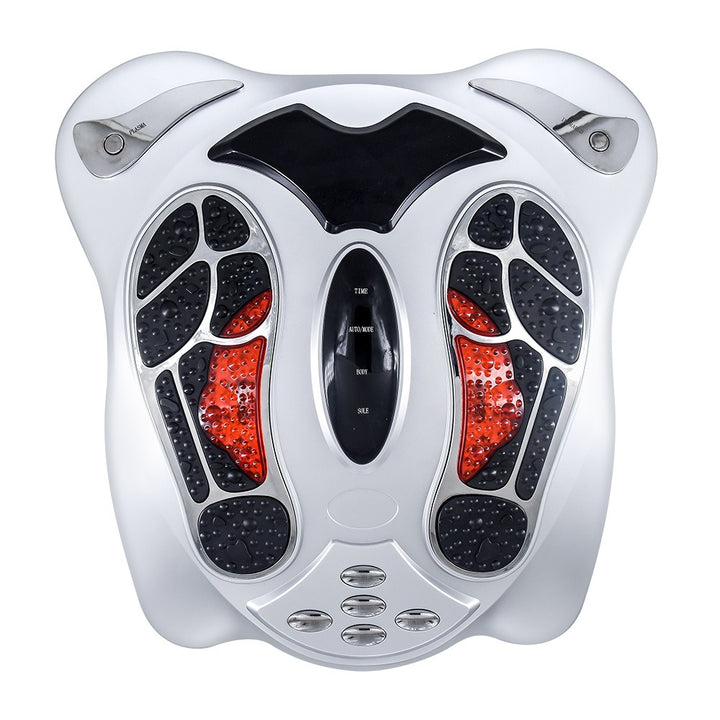
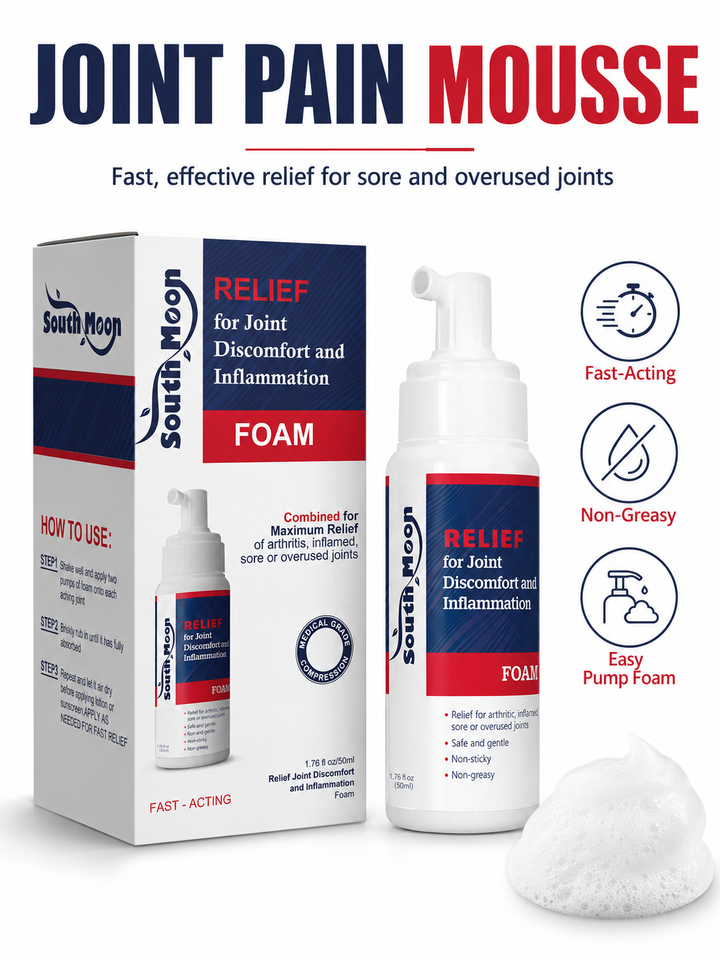


Explore massage tools for scalp, facial, foot and body self-care at home. This category includes heated and EMS foot devices, massage oils, foam products, acupressure insoles, comfort patches and everyday support products, so you can compare options by the area you want to care for and the type of routine you prefer.
Start with the area you want to target: feet, legs, joints, muscles or general body care. A Foot Massager with EMS & Infrared Heat is designed for seated foot routines, while Acupressure Insoles and Magnetic Acupressure Insoles fit into everyday footwear. For hands-on body massage, choose an oil such as Men's Vitality Massage Oil, checking the ingredient list for anything you prefer to avoid. Foam products offer a non-greasy option for targeted application, and Varicose Vein Relief Patches are made for convenient use on tired-looking legs. Consider how often you will use the product, whether you need a portable option, and whether cleaning or charging fits your routine. If you usually search for massage near me or an Asian massage near me, these products can provide a separate at-home self-care option.
Electronic tools, topical products and wearable options serve different routines. The Foot Massager with EMS & Infrared Heat combines a powered foot session with heat settings, making it suitable for relaxing while seated. Massage oil supports hands-on techniques and can help reduce friction during a body-care routine. Joint Pain Relief Foam is a quick-application, non-greasy format for areas you choose to massage. Acupressure Insoles and Magnetic Acupressure Insoles are worn inside shoes for foot and arch comfort throughout the day. Varicose Vein Relief Patches provide a patch-based format for tired legs. Dog Comfort Oil is intended for everyday joint and muscle care for dogs, not human use. Supplements such as Docteat Sciatic Nerve Support Supplement should be considered separately from massage tools and reviewed with a professional when appropriate.
Look for clear instructions, a format that matches your target area and controls you can use comfortably. For an electronic foot massager, check the placement of foot compartments, heat and EMS controls, power requirements and cleaning guidance. For oils, foams and patches, review the ingredients, intended area, application directions and skin-sensitivity warnings. Insoles should be checked for shoe compatibility, sizing guidance and whether they can be trimmed or moved between shoes. Choose packaging that explains how long to use the product and when to stop. Avoid products with vague directions or promises that sound like guaranteed treatment. If you are comparing an at-home massage with a massage app, massage phone service or massage open search result, remember that a self-care product offers convenience but not the assessment or hands-on service of a professional.
Read the product directions before the first use and begin with the recommended setting or amount. Use the Foot Massager with EMS & Infrared Heat while seated, keep the device dry unless its instructions say otherwise, and stop if the sensation becomes uncomfortable. Apply oil or foam only as directed and wash your hands afterward; patch-test topical products if the label recommends it. Place insoles correctly so they do not bunch or create pressure points, and replace them if they become damaged. Use patches according to their label and do not apply products to broken, irritated or infected skin. Do not use a dog product on people. Seek professional advice before using massage-related products if you have a medical condition, unexplained swelling, reduced sensation or concerns about a medication or supplement.
A common mistake is choosing a product because it mentions massage without checking what it actually does. EMS, heat, foam, oil, patches and insoles provide different experiences and should not be treated as interchangeable. Another mistake is overlooking fit: an insole that does not suit your shoe can feel uncomfortable, while an electronic foot device may need enough space for both feet. Do not assume a stronger setting, more product or longer session is better; follow the label. Check whether a topical product is intended for people or pets, and keep supplements separate from hands-on massage products. Finally, do not use customer-service searches such as massage phone or massage near as a substitute for reading instructions. If you notice a red flag such as pressure to ignore discomfort, unclear consent or unsafe handling during a professional massage, leave and seek another provider.
These products suit adults who want a convenient self-care routine for feet, arches, legs or selected body areas. A foot massager can fit a seated evening routine; insoles suit shoppers who prefer support within footwear; oil or foam suits people who prefer hands-on application; and patches suit those seeking a simple, low-effort format. Dog Comfort Oil is for pet-care routines and should be selected only for a dog as directed. These products are not a replacement for diagnosis, medical treatment or a professional massage assessment. People with persistent pain, sudden swelling, skin problems, circulation concerns, pregnancy-related questions or other health conditions should ask a qualified professional before use. Choose based on comfort, instructions and lifestyle rather than searching for a guaranteed result from body massage or any single product.
A tip is optional and depends on the service, local customs and your satisfaction. If you are unsure, ask the provider or check the booking policy before paying; the price of a massage tool or self-care product does not determine tipping.
Massage is the manual manipulation of soft tissues, usually using techniques such as pressing, rubbing or kneading. At-home products in this category can support a personal self-care routine, but powered devices, oils, patches and insoles are not the same as hands-on professional massage.
Massage should not be relied on to treat polymyalgia or unexplained widespread pain. Speak with a qualified healthcare professional for an evaluation and individualized advice before using heat, EMS, topical products or supplements.
No. You should undress only to the level you feel comfortable with, and professional services should provide privacy, draping and clear consent. You can discuss clothing, areas to avoid and boundaries with the therapist before the session.
Red flags include pressure to remove more clothing than you want, unclear consent, ignored discomfort, unsafe hygiene or claims of guaranteed medical results. Stop the session and leave if you feel unsafe, and choose a provider who explains the process and respects your boundaries.
No, shaving is not generally required for a massage. Wear or remove clothing according to your comfort and tell the practitioner about skin irritation, cuts or areas you do not want touched.