
$44.90
Free delivery · 7–14 days
Lubricant Eye Drops — Preservative-Free Dry Eye Relief


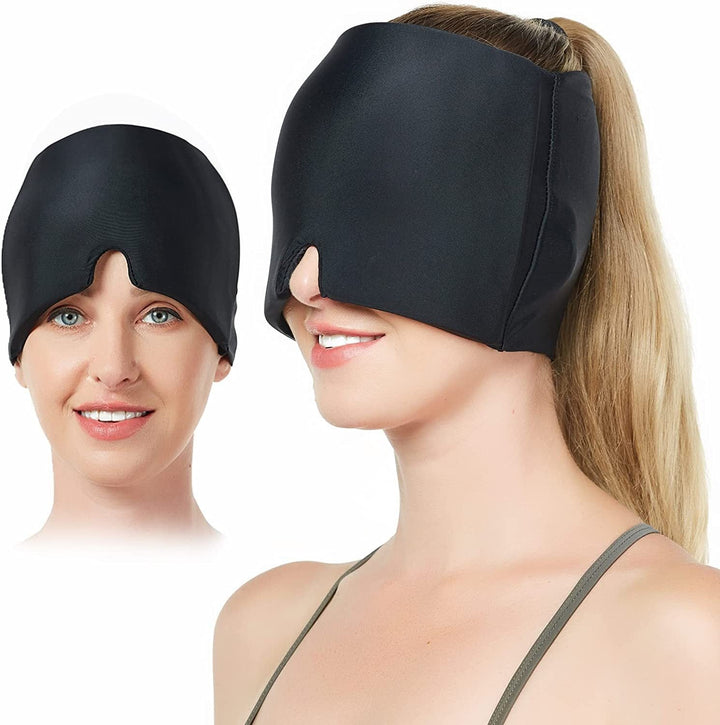


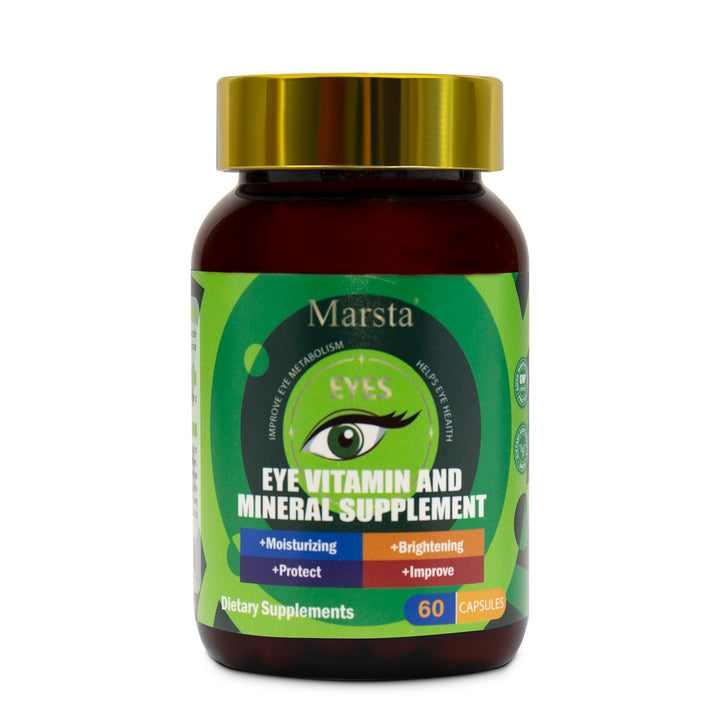


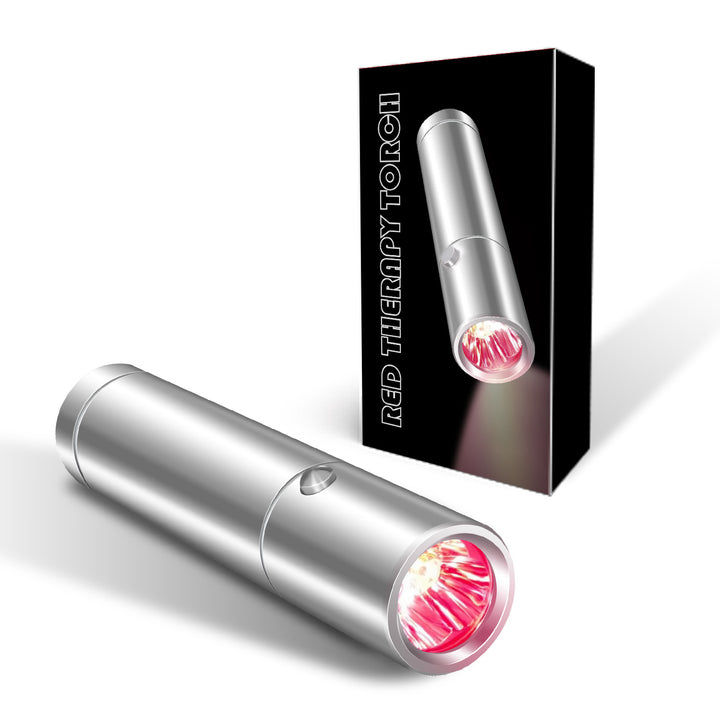


Eye care devices in this category are designed for at-home comfort and cosmetic routines, including preservative-free lubricant eye drops, heated eye massagers, EMS tools, sonic facial massagers, and red light therapy devices. Use the product description and safety guidance to choose the right format for your routine, and remember that these consumer products are not substitutes for professional eye examinations or ophthalmology equipment.
Start with your main goal: preservative-free lubricant eye drops are intended to support temporary dry-eye comfort, while heated, EMS, sonic, and red light devices are suited to personal massage or cosmetic skincare routines. Compare the treatment area, controls, charging method, and whether the device is designed for the eyes, face, neck, or more than one area. If you want a simple option, choose a manual eye massage tool or drops. If you prefer hands-free use, look for an electric or smart heated eye massager with clear controls. Shoppers comparing eye care devices with optical equipment should note that these products are for home use, not professional examination, measurement, or diagnosis.
Lubricant eye drops work differently from electronic devices and may be a practical choice when temporary surface moisture is your priority. Heated eye massagers add warmth and gentle massage, while EMS eye massagers use electrical stimulation as part of a beauty or relaxation routine. Sonic eye and face massagers focus on vibration and facial massage, and red light therapy tools are designed for cosmetic skincare routines on areas such as the face and neck. Check whether a product touches the eyelids, surrounds the eyes, or is intended only for nearby skin. A phoropter, slit lamp, or other optical equipment belongs in a professional setting; it should not be confused with consumer eye-care accessories sold for home use.
Prioritize a comfortable fit, straightforward controls, and a treatment surface that matches your intended use. For eye massagers, check the shape around the brow and eyelids, adjustable intensity, heat settings, timer controls, and whether the device can be cleaned easily. For facial or neck red light tools, review the recommended application areas, charging details, included accessories, and storage requirements. With lubricant eye drops, check the ingredient list, preservative-free wording, container format, and storage instructions. Avoid choosing solely by claims such as lifting, firming, or reducing the appearance of dark circles; results and suitability vary. The ophthalmic equipment price list for clinics covers a different class of products than these personal-care devices.
Read the product instructions before the first use, charge electronic devices fully, and remove makeup or skincare residue from contact surfaces. Use eye massagers only as directed, keeping pressure light and stopping if the device feels uncomfortable. Do not place drops on a device unless the instructions specifically allow it. For red light therapy tools, follow the stated distance, session guidance, eye-protection instructions, and approved treatment areas. Clean reusable surfaces after use and avoid sharing devices without appropriate cleaning. Keep electronic tools and lubricant drops away from excess moisture. These steps apply to home wellness products, not to machines used by ophthalmic technicians or optometrists for examinations, refractions, imaging, or diagnosis.
One common mistake is treating a cosmetic eye massager as a medical examination device. Consumer products in this category cannot replace an eye test, refraction, imaging, or advice from a qualified professional. Another mistake is selecting a device without checking whether it is made for the eyelids, surrounding skin, face, or neck. Buyers may also overlook cleaning requirements, charging compatibility, adjustable intensity, or return conditions. Do not use a product beyond its instructions, share eye-contact accessories casually, or continue using it when irritation or discomfort occurs. Searches for used optometry equipment for sale, an optometry equipment list, or ophthalmology equipment list refer to professional tools and should not guide a home skincare purchase.
These products may suit adults who want a convenient addition to a personal comfort or skincare routine. Lubricant eye drops can be considered by shoppers looking for preservative-free options, subject to the product directions and personal needs. Heated, EMS, sonic, and red light devices may appeal to people who prefer at-home massage or cosmetic routines around the eyes, face, or neck. Review the instructions carefully before use, especially if you wear contact lenses, have sensitive skin, or have an existing eye concern. Seek professional guidance when appropriate rather than relying on a consumer device. If you are researching ophthalmic equipment companies or medical devices used in ophthalmology, this category is not a replacement for clinical equipment.
Ophthalmologists use several types of equipment, depending on the examination or procedure. Common examples include a slit lamp for examining the eye, an autorefractor for estimating refractive error, and imaging systems for viewing eye structures. The exact device depends on the task, and these clinical tools are different from the home eye massagers and red light devices in this category.
Coverage for refractions can depend on the Medicare plan, the reason for the service, and whether the service is part of a covered examination. Routine vision benefits and prescription-lens services may be handled differently from medically necessary eye care. Check your plan documents or contact Medicare and your provider for current, situation-specific information.
Optometrists may use tools such as phoropters, autorefractors, slit lamps, tonometers, visual field instruments, and retinal imaging equipment. The selection varies by practice and examination. These are professional optical equipment and should not be confused with consumer devices intended for massage, warmth, drops, or cosmetic skincare.
Common ophthalmology devices include slit lamps, tonometers, optical coherence tomography systems, fundus cameras, visual field analyzers, and surgical instruments. Each serves a specific examination, monitoring, or treatment purpose. A home eye massager or LED skincare tool does not provide the same function as these clinical devices.
Ophthalmic technicians may operate or assist with equipment such as autorefractors, keratometers, tonometers, visual field analyzers, retinal cameras, and optical coherence tomography systems. Their duties and equipment vary by clinic and training. Professional equipment requires appropriate instruction and is separate from the personal-care products sold on this page.
Newer ophthalmology technologies include increasingly detailed imaging, digital diagnostic systems, automated measurements, and computer-assisted analysis. Availability and clinical use vary by specialty, provider, and region. Red light skincare tools and consumer eye massagers should not be described as substitutes for these ophthalmic technologies or as diagnostic devices.