
$99.90
Free delivery · 7–14 days
Heated Eye Massager with Vibration & Air Compression


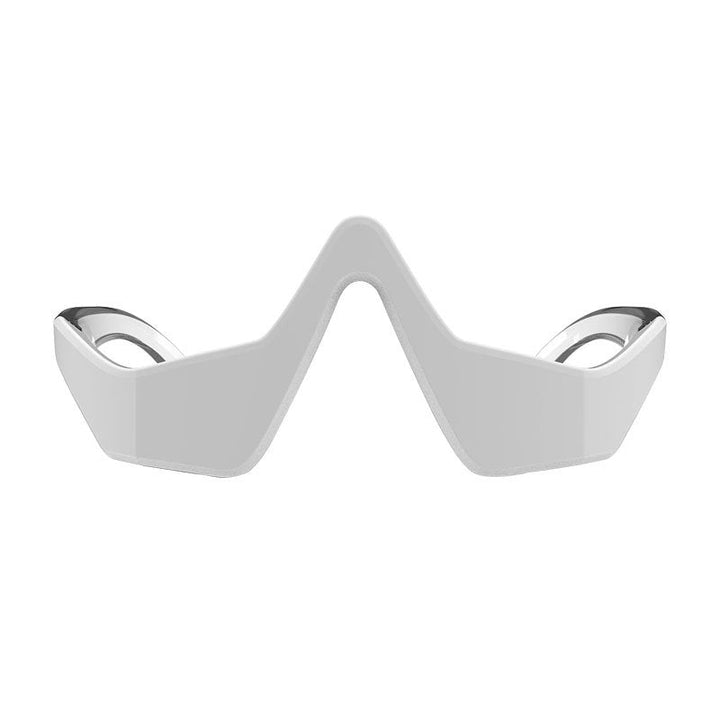


Eye massagers use features such as gentle vibration, warming, cooling, rolling, microcurrent, or red light to support a relaxing eye-area routine. Compare the massage method, controls, fit, hygiene, and safety guidance before choosing a device for screen-related discomfort or everyday facial care.
Start with the sensation you want. A heated eye massager may suit shoppers who prefer warmth during a relaxation routine, while a cooling roller or eye cream spoon can feel refreshing and gives you more control over pressure. Choose a pen-style model for targeted facial areas, or a wearable design for hands-free use. Check whether the device offers adjustable intensity, timed sessions, quiet operation, and a rechargeable battery. If you are comparing the best eye massagers, also look at the contact materials and cleaning instructions. For migraine-related concerns, treat an eye massager as a comfort product rather than a guaranteed solution, and choose gentle settings that do not worsen light or pressure sensitivity.
Electric eye massagers generally combine vibration, warmth, air pressure, or several modes in a wearable frame. Heated models focus on a warm, soothing feel, while eye massager pens are better for controlled use around the brow and upper cheek area. Cooling rollers and cream spoons do not require charging and can be cleaned between uses. Microcurrent and red light products add an electronic feature, so read the operating instructions carefully and avoid assuming that more technology means better results. Patches and eye drops are different from massagers: they do not provide mechanical massage and should be evaluated separately for ingredients, directions, and suitability. A side-by-side comparison of modes, contact points, and maintenance is more useful than relying only on product labels.
Useful eye massagers reviews should describe comfort, pressure, heat consistency, noise, battery life, fit, and how easy the device is to clean. Look for comments from shoppers with similar preferences, such as glasses use, sensitivity to warmth, or a need for a compact travel design. Confirm whether the massager rests on the orbital area rather than pressing directly on the eyeballs. A clear control panel, automatic shutoff, washable contact surface, and adjustable strap can make regular use easier. For rechargeable models, check charging details and whether the device can be used while plugged in. Do not treat claims such as dark-circle reduction, migraine relief, or rapid lifting as guaranteed outcomes; results can depend on the person, routine, and product design.
Read the product instructions before the first session and start with the lowest comfortable setting. Remove contact lenses if the instructions advise it, keep the device on clean skin, and position it so it does not press on the eyeballs. Avoid using a heated device over irritated skin, and stop if you notice pain, unusual visual symptoms, dizziness, skin irritation, or increased headache discomfort. Clean reusable contact surfaces as directed and do not share them without thorough cleaning. Keep eye creams, cooling products, patches, and drops away from the device unless their instructions specifically allow combined use. If you have an eye condition, recent eye procedure, significant facial injury, or an implanted electronic device, ask a qualified clinician whether the product is appropriate.
Follow the schedule and session limit supplied with your chosen model rather than assuming that longer or more frequent use is better. Many electric devices include a timer; let that guide the length of each session and allow your skin and eyes to adjust. A manual cooling roller or cream spoon should be used with light pressure and cleaned after use. Take breaks from any routine that causes tenderness, redness, blurred vision, or worsening discomfort. Eye massagers are best viewed as an optional relaxation or facial-care tool, not a replacement for sleep, screen breaks, appropriate lighting, or professional advice. If eye strain continues despite routine changes, seek guidance from an eye-care professional instead of increasing the massage intensity.
Use extra care if you have eye pain, unexplained vision changes, active irritation, swelling, infection symptoms, recent surgery, facial injury, or skin sensitivity near the eyes. Do not massage directly over an injured area, the front of the eyeball, or any place where pressure is uncomfortable. There is no single universal list of five body parts that everyone must never massage, but delicate areas require particular caution; the eyes and front of the neck should not receive forceful, unsupervised pressure. Children should use these products only when the instructions and a responsible adult allow it. People with migraines, glaucoma, retinal concerns, implanted electronics, or other medical conditions should ask a clinician before using heated, electrical, microcurrent, or red-light models.
They can provide a relaxing sensation and may make temporary eye-area discomfort feel more manageable for some users. Results vary by design and person, and an eye massager should not be treated as a guaranteed treatment for eye disease, migraine, or vision problems.
Recommendations depend on the device, your symptoms, and your eye health. An eye-care professional can help you decide whether a heated, vibrating, electrical, or light-based product is suitable, especially if you have persistent symptoms, an eye condition, or recent eye treatment.
The best choice depends on your preferred sensation and routine. Choose a wearable heated model for hands-free warmth, a pen for targeted control, a cooling roller for a simple manual option, or a model with additional technology only if you understand its instructions and safety requirements.
Gentle massage around the bony area surrounding the eyes may feel soothing for some people, but the eyeballs should not be pressed or rubbed forcefully. Stop if you experience pain, visual changes, irritation, dizziness, or worsening discomfort.
There is no universal five-part list that applies to every person and product. Avoid forceful pressure on the eyeballs, injured or infected skin, areas with unexplained swelling, and any location a product's instructions prohibit; use particular caution around the front of the neck and delicate facial areas.
Use it only as often and for as long as the product instructions allow, starting with the lowest comfortable setting. Reduce use or stop if symptoms develop, and seek professional advice if eye strain, pain, or visual changes persist.
Browse related: Shop all Heated Shoulder Wrap for Pain Relief and Compression · explore heated back massager shawl with heat and vibration therapy.