Cleaning & Laundry122 items






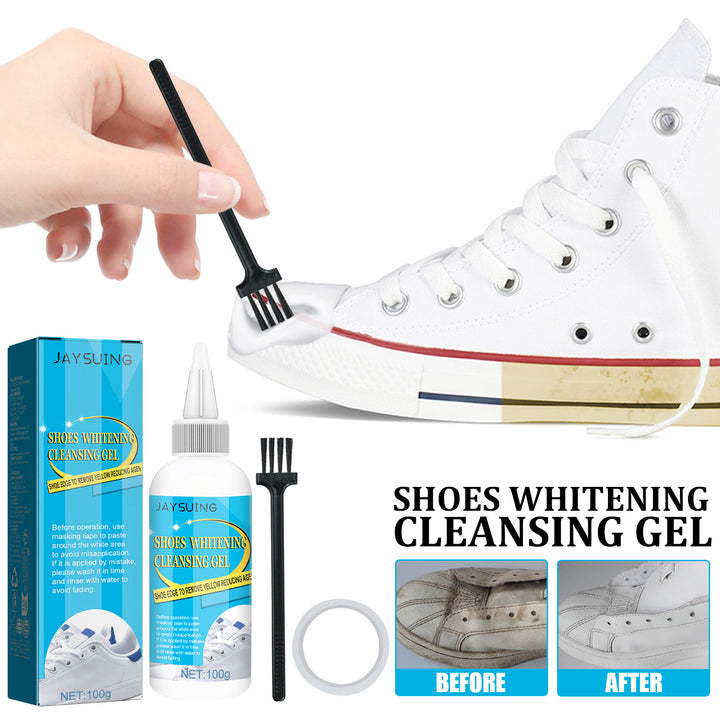
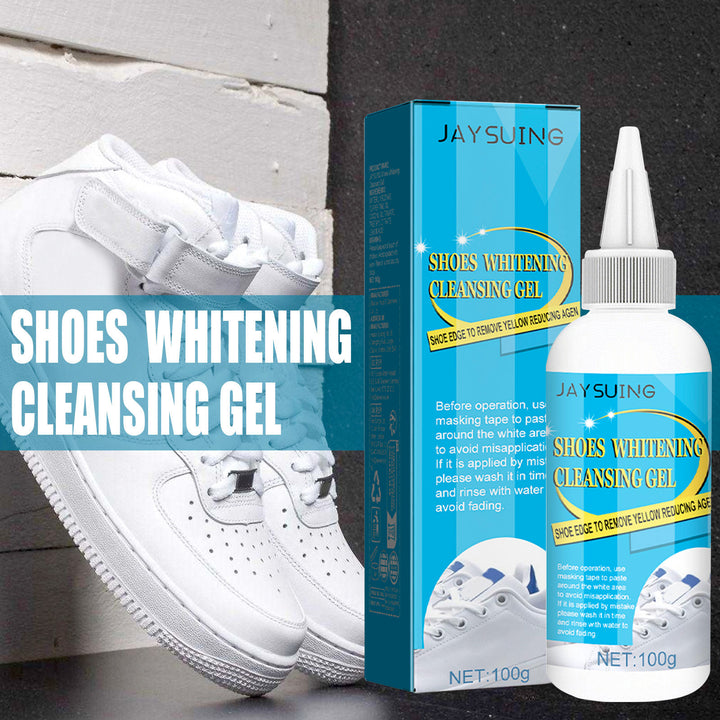

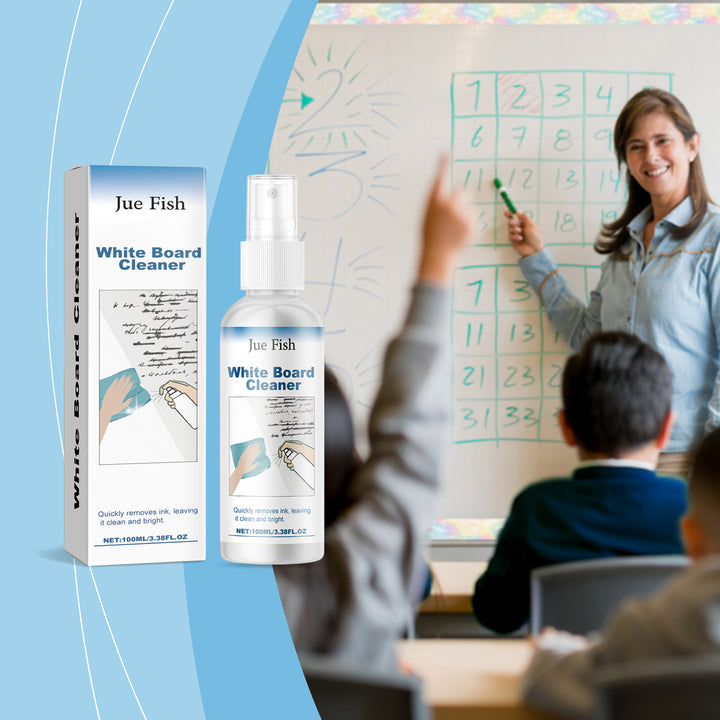
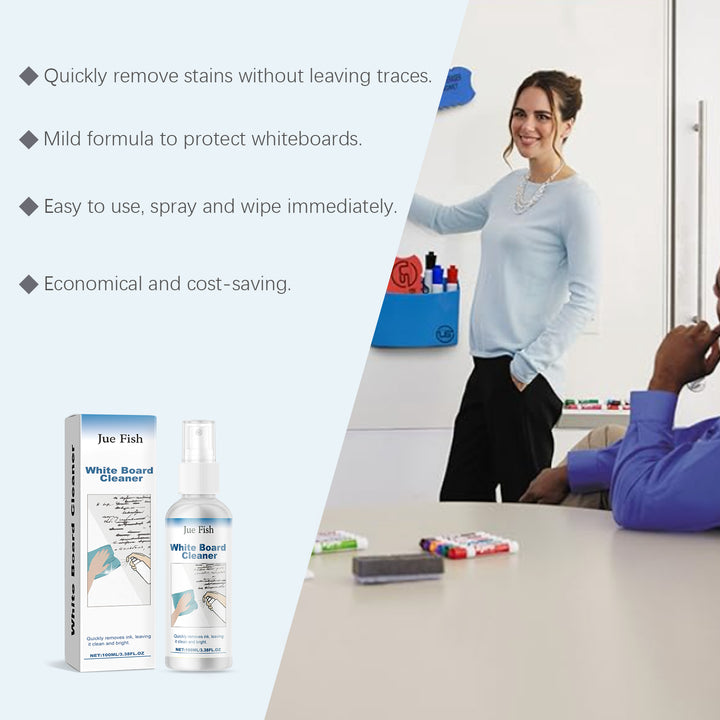



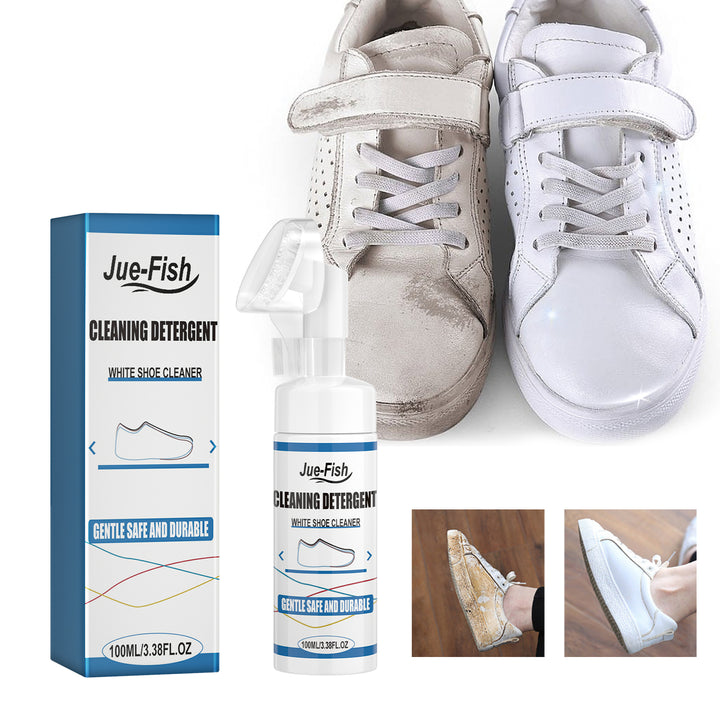
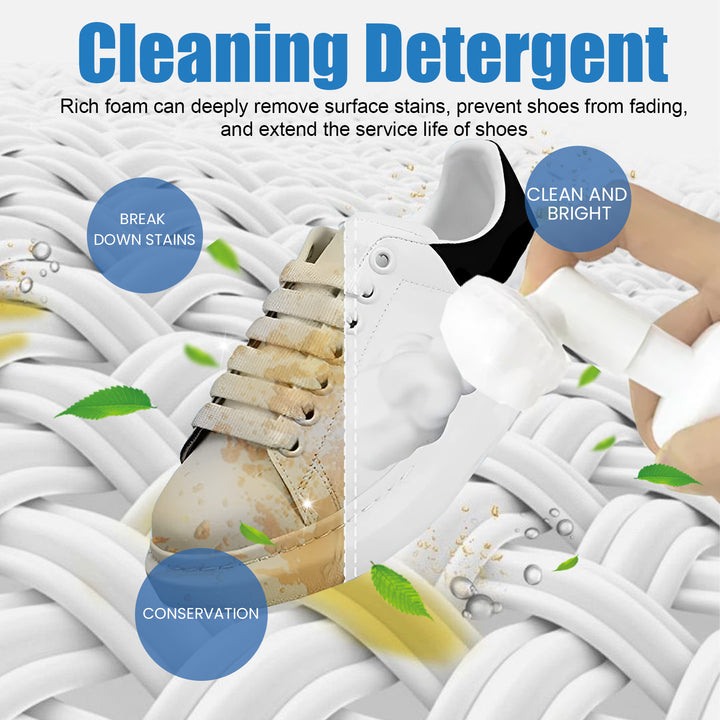

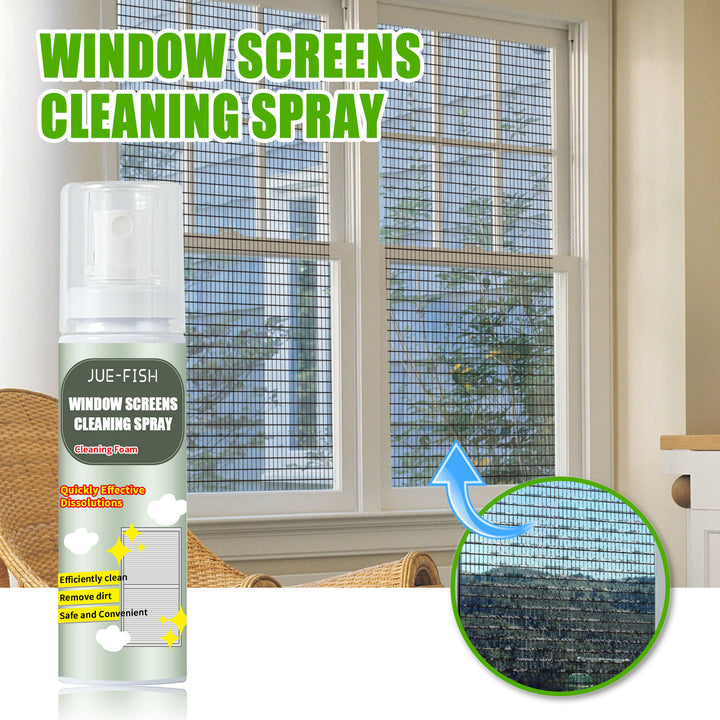


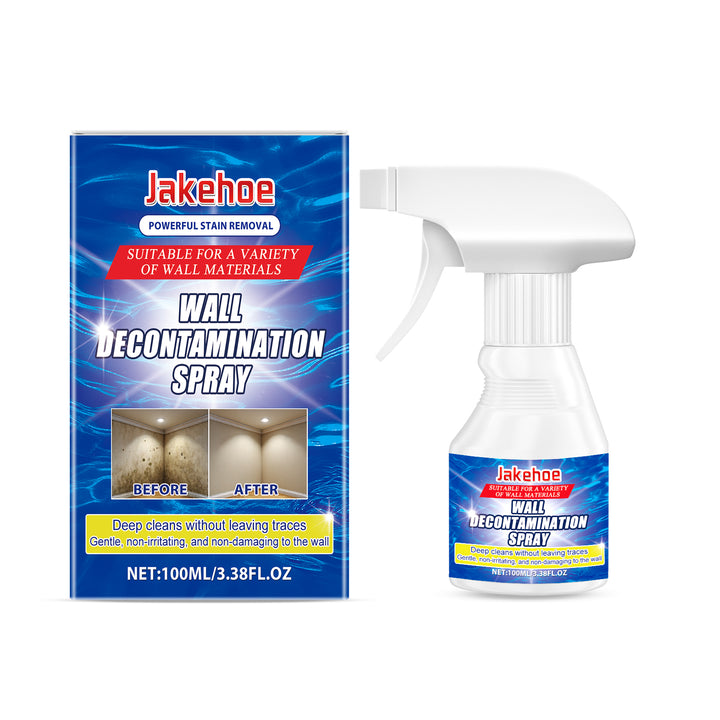
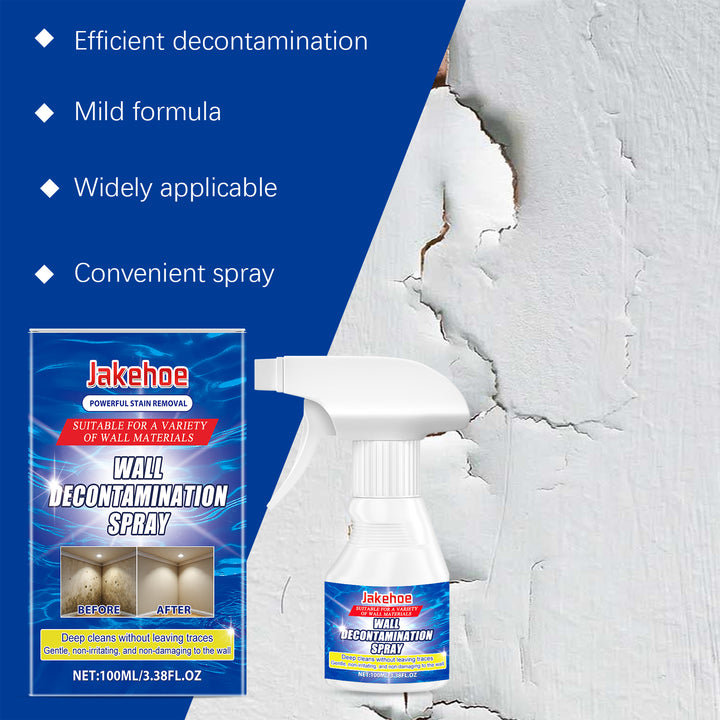

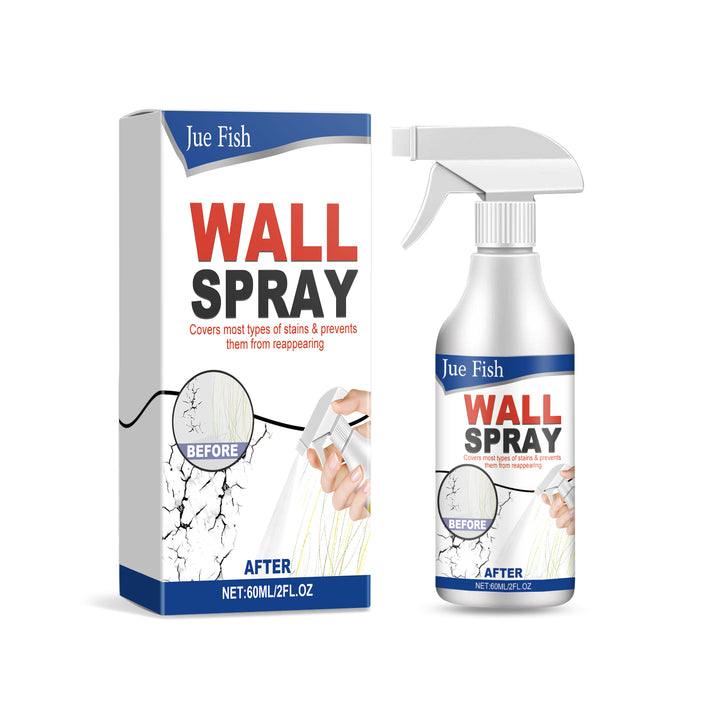











Make everyday cleaning tasks easier with practical products for laundry stains, household marks, shoes, tiles, mealtimes and travel. This guide explains how to choose the right cleaner or repair aid, including what to consider before cleaning a washing machine with vinegar, baking soda or bleach.
How to choose cleaning and laundry products
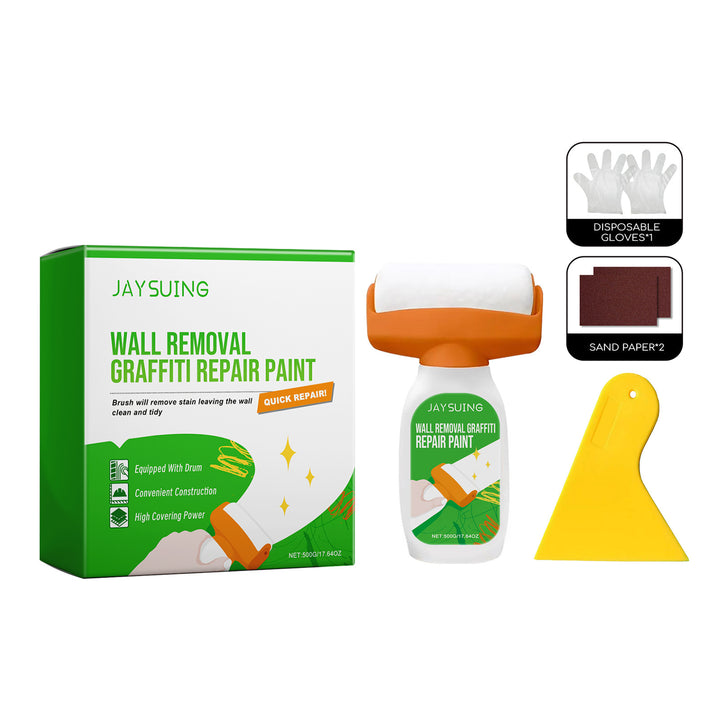
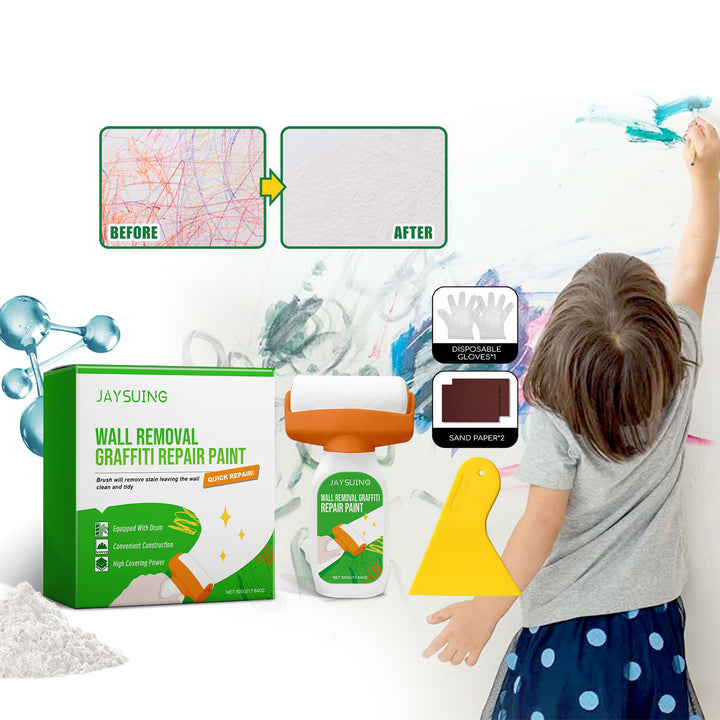
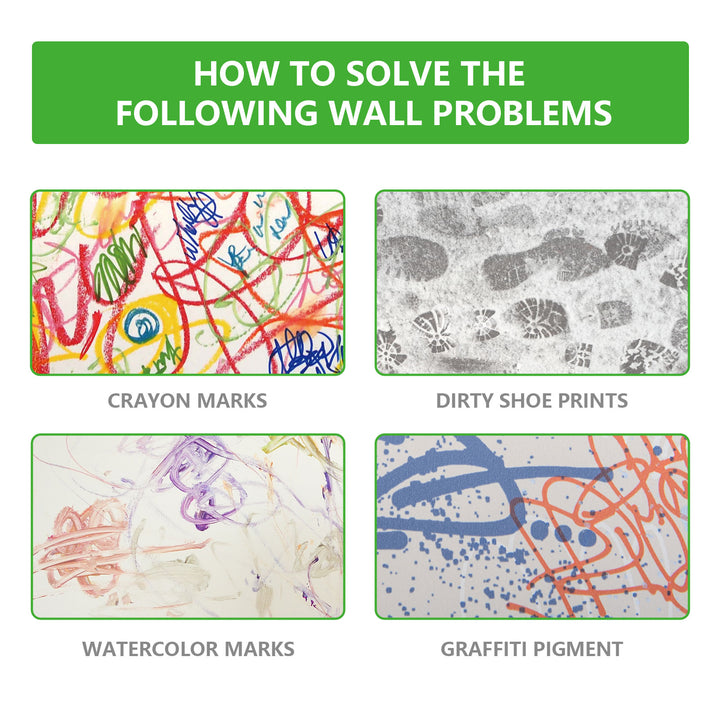
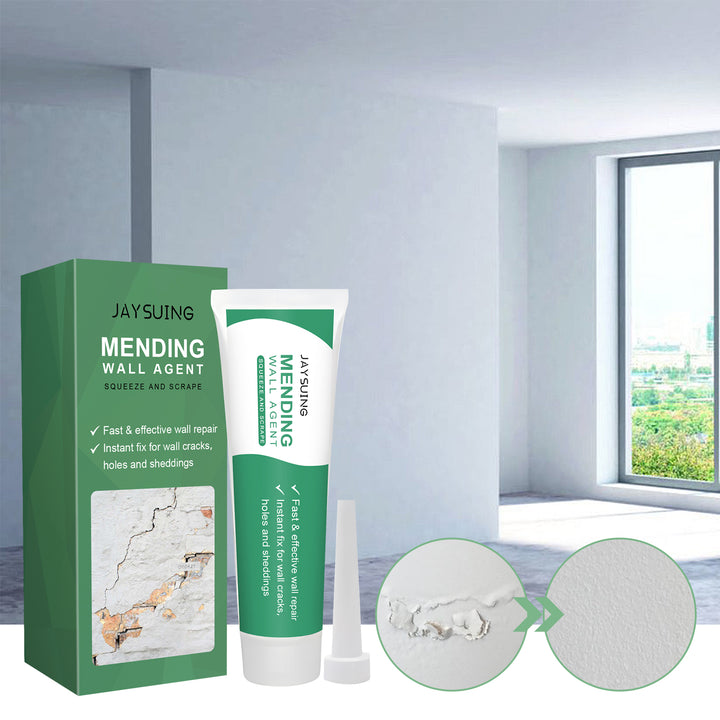
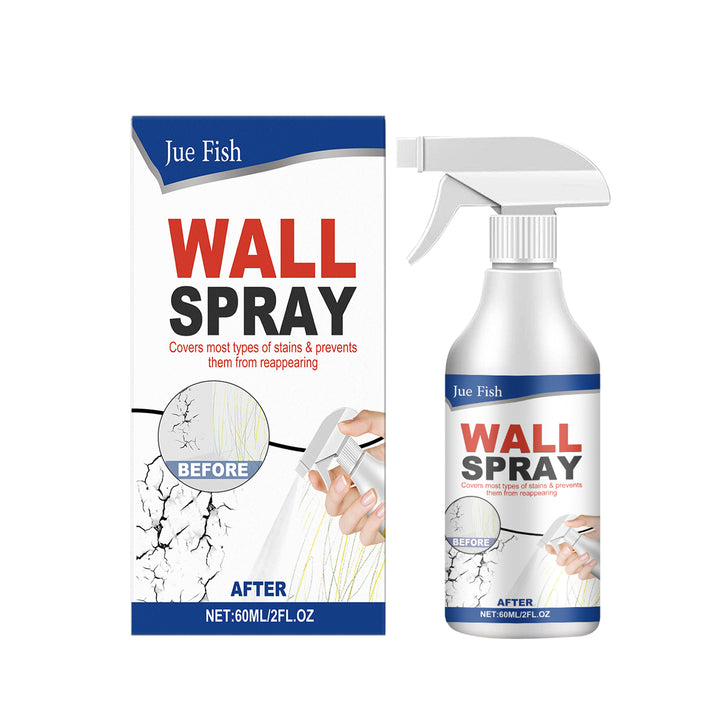
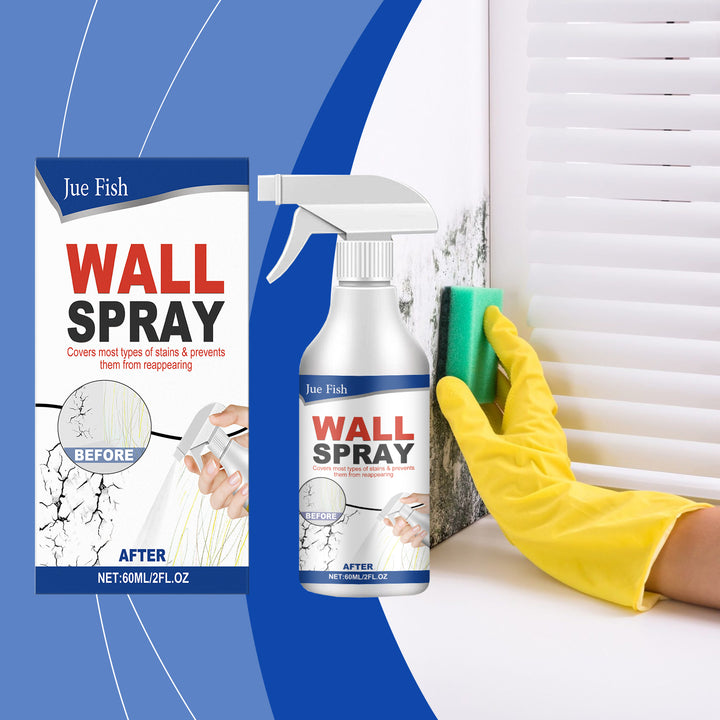
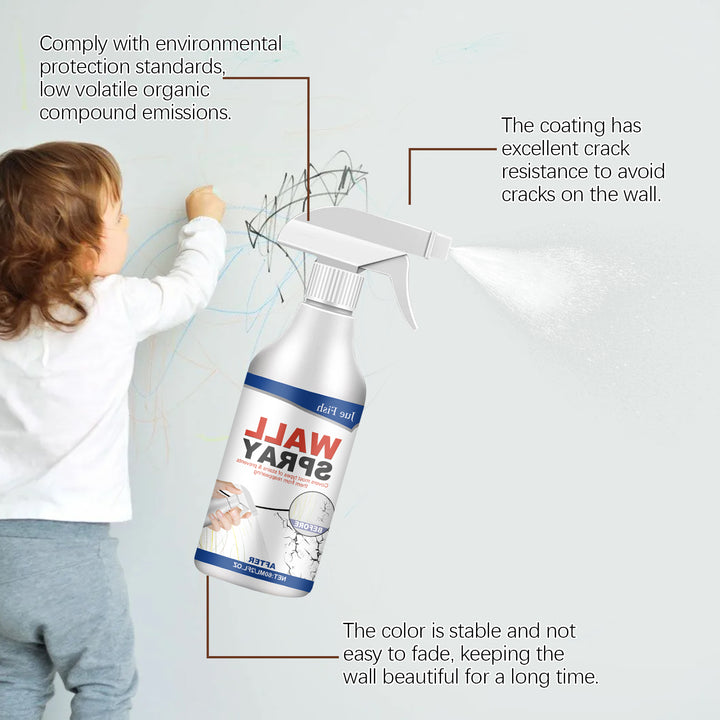
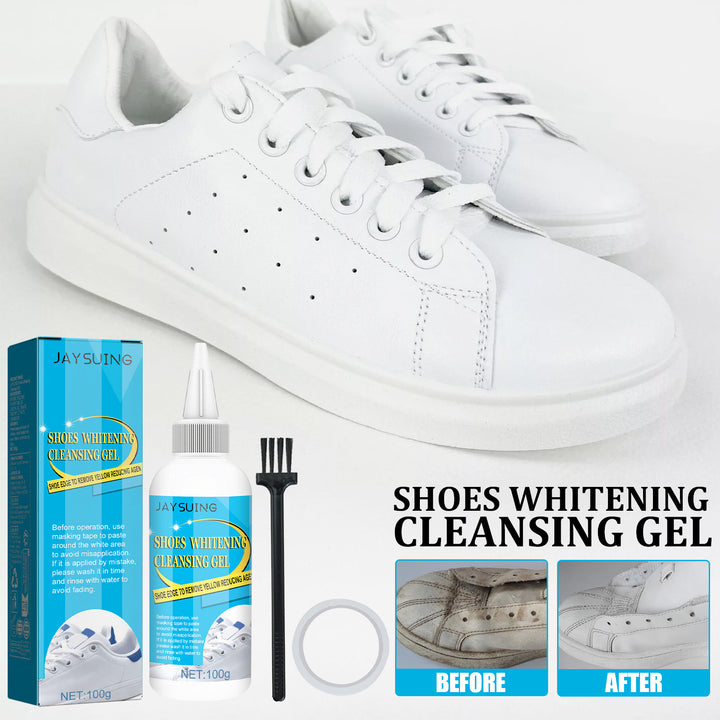
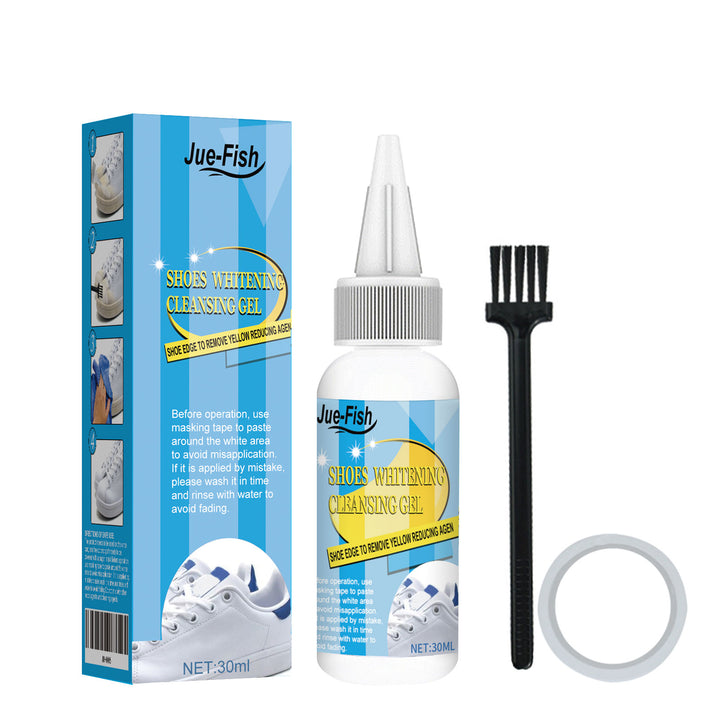
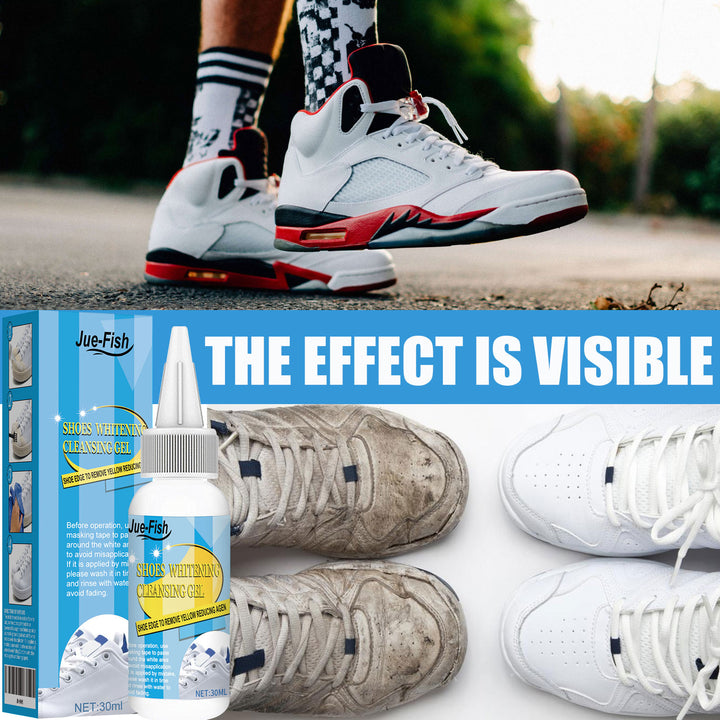
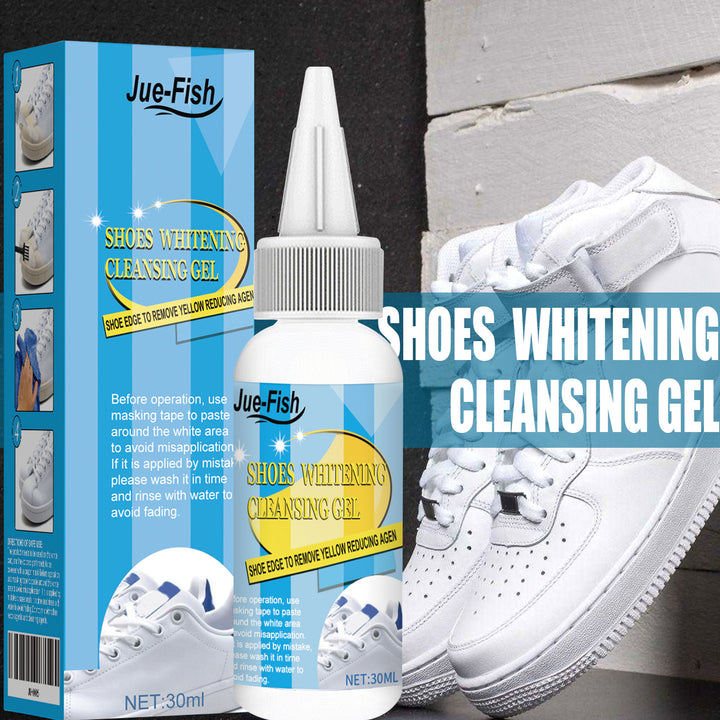
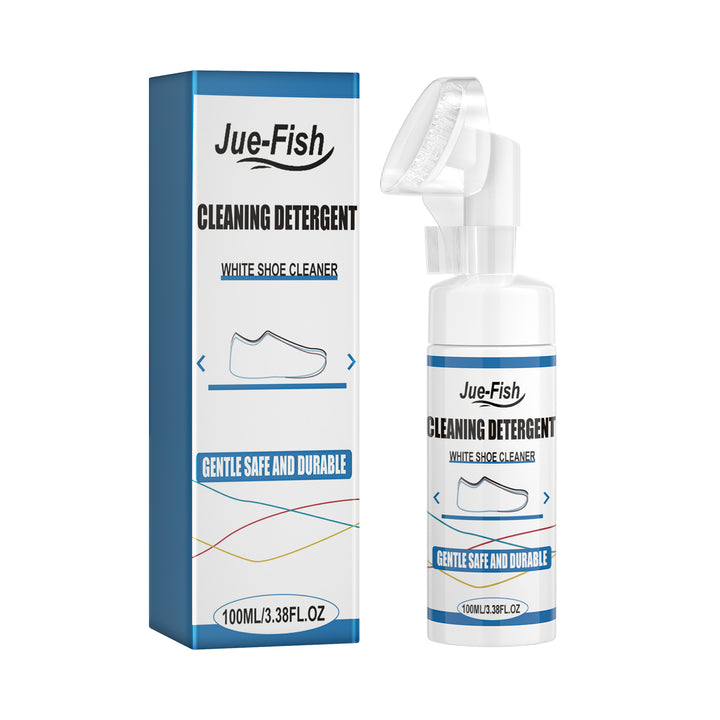
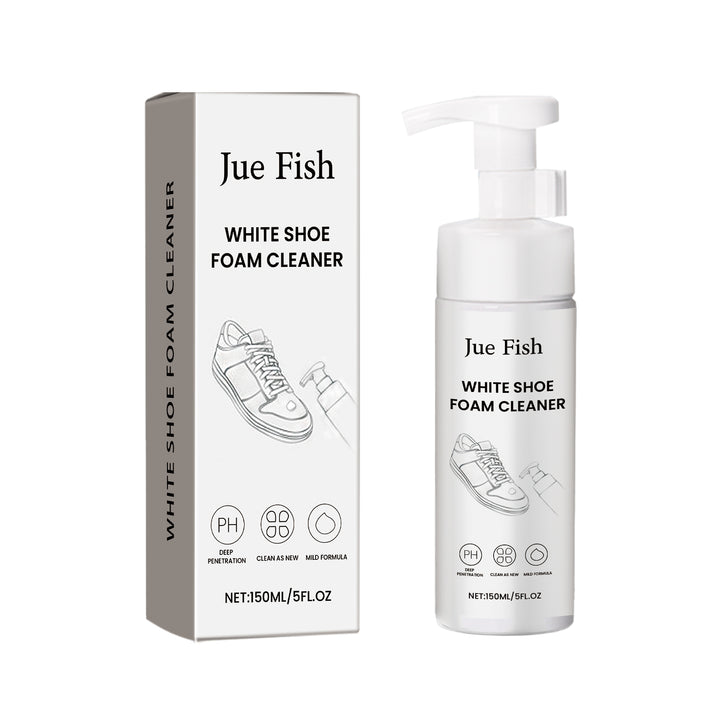
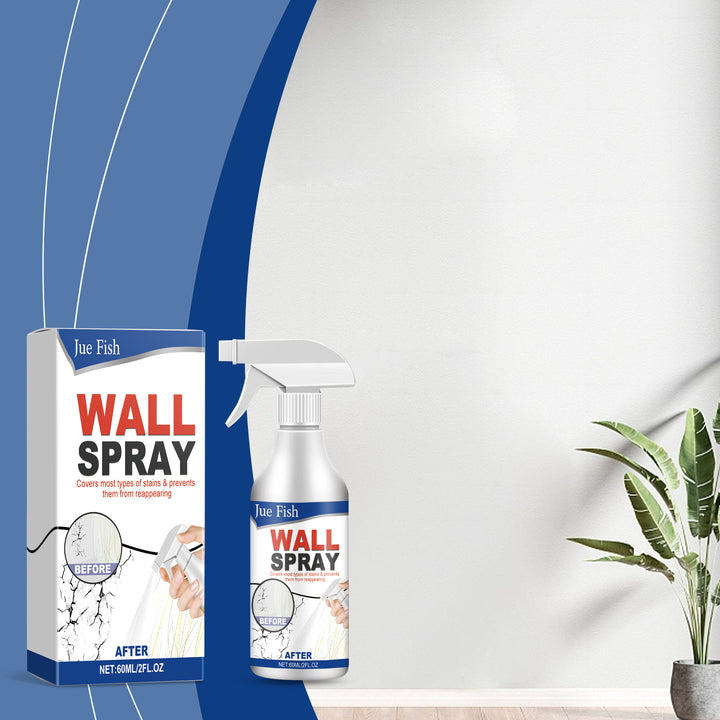
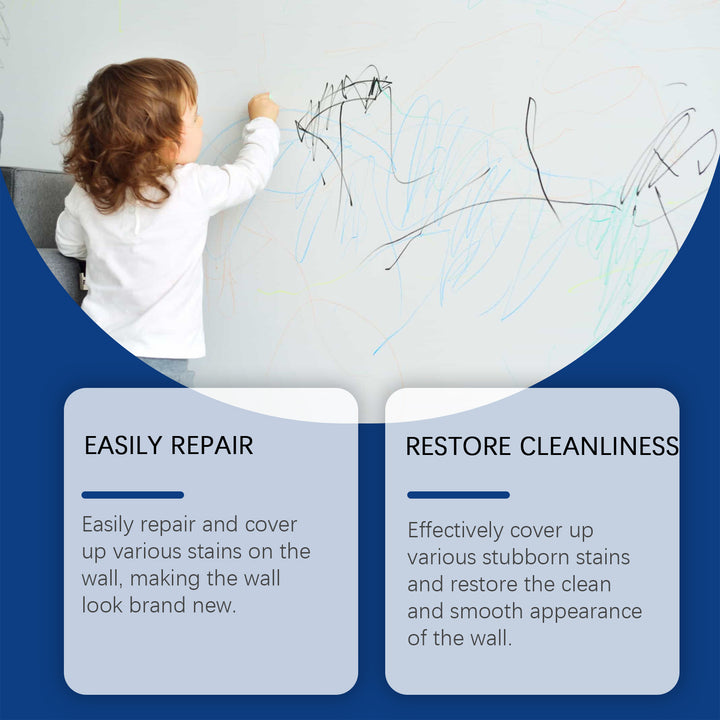
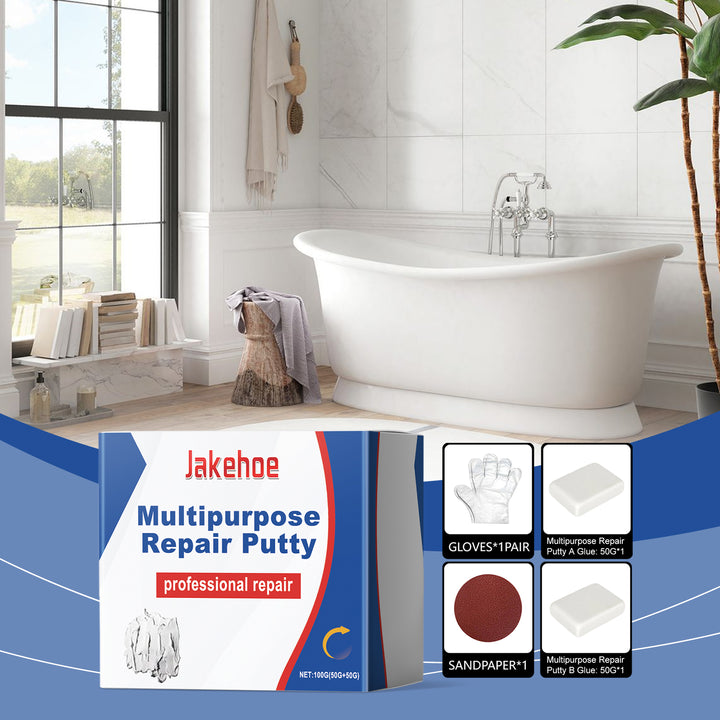
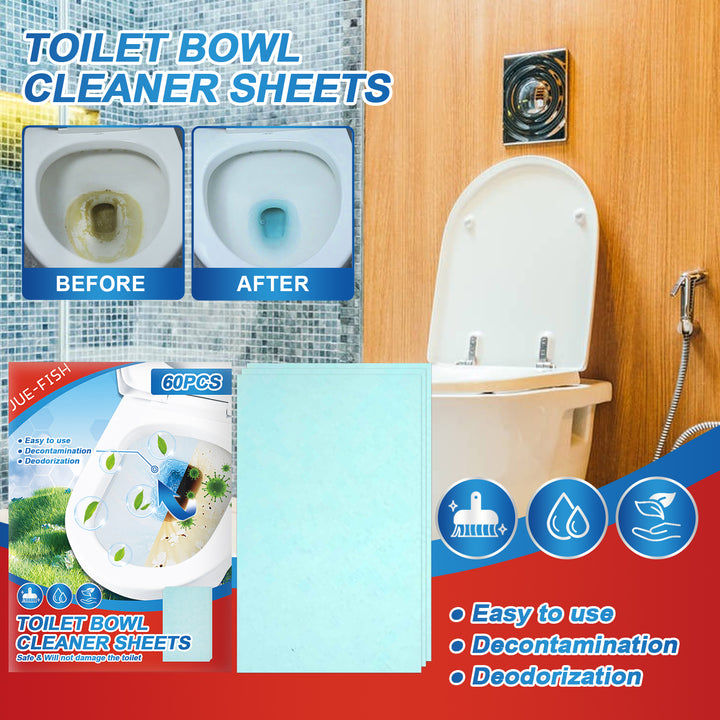
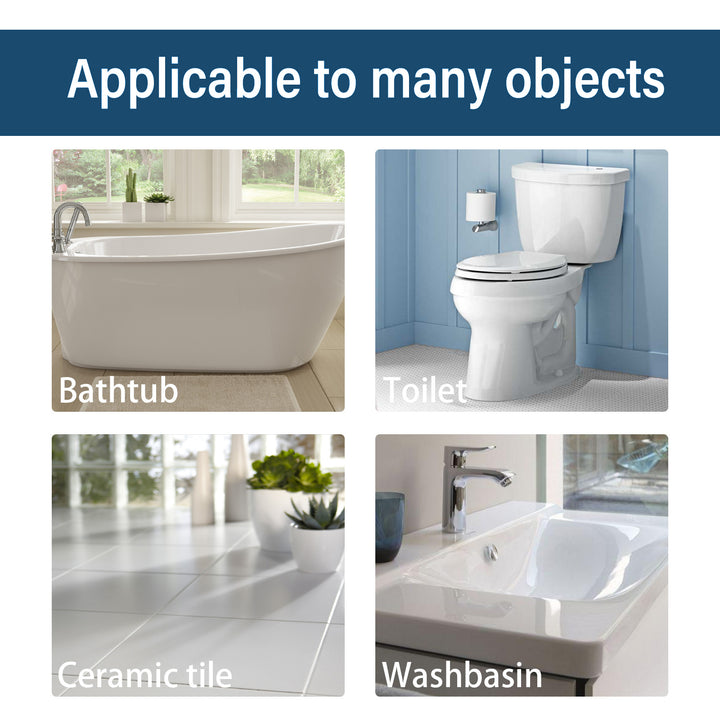
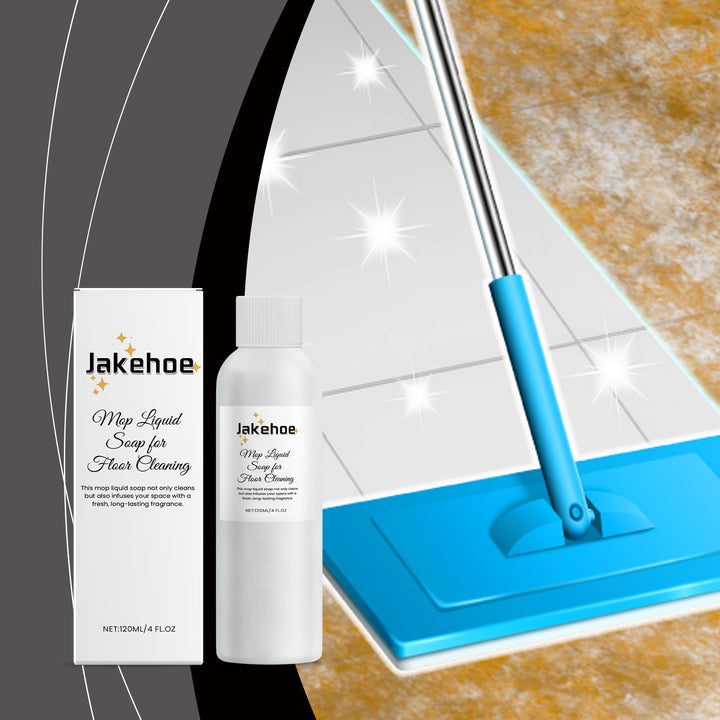
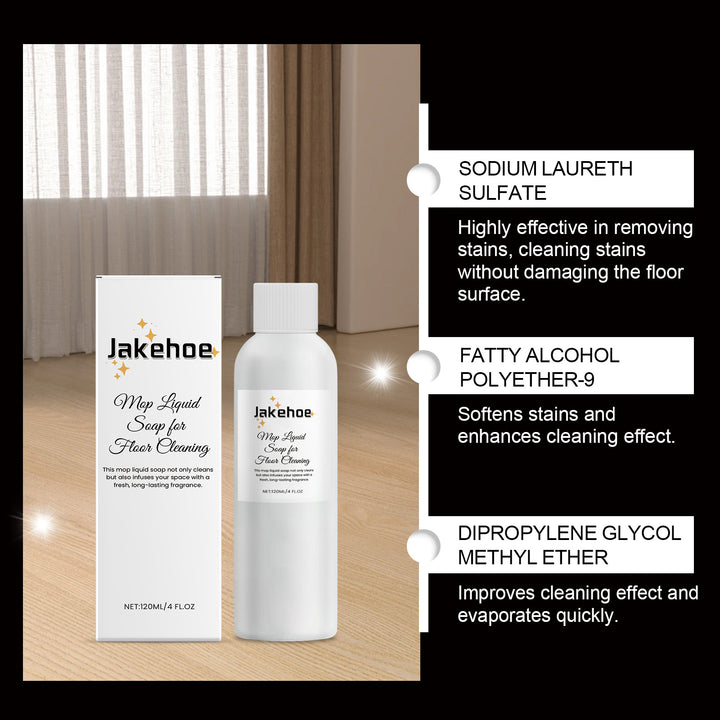
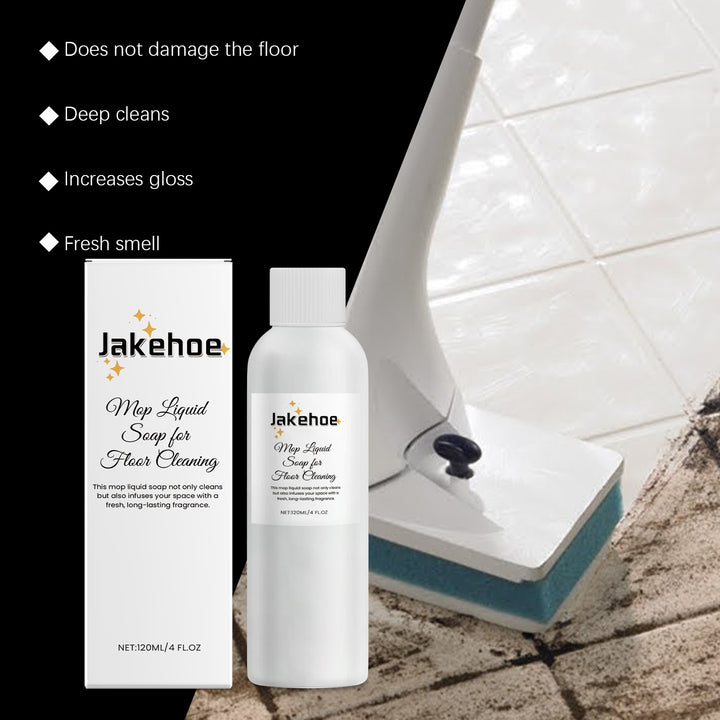
Start with the surface or task rather than choosing a product by scent or packaging. For clothes, a laundry stain remover spray is suited to targeted marks before washing. For white shoes, a portable no-wash cleaner can help with quick touch-ups when you do not want to soak footwear. Tile cleaning polish is intended for tile surfaces, while wall repair spray and plaster address different problems: spray is for surface marks and peeling paint, whereas plaster is for cracks and holes. If you are cleaning a motorhome, choose a solution designed for exterior or vehicle surfaces and follow its directions, especially where UV protection or a shine finish is advertised. Check material compatibility first and test an inconspicuous area.
Which cleaning products are best for different jobs?
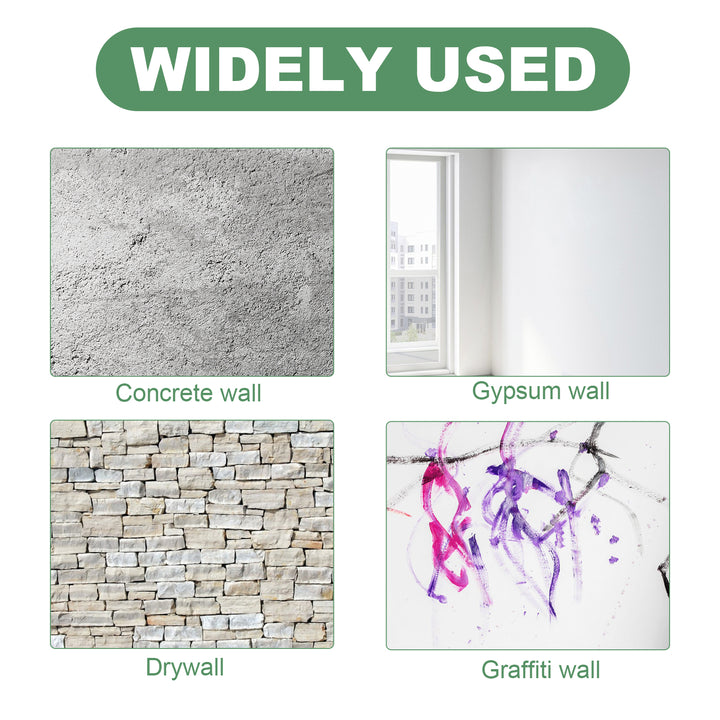
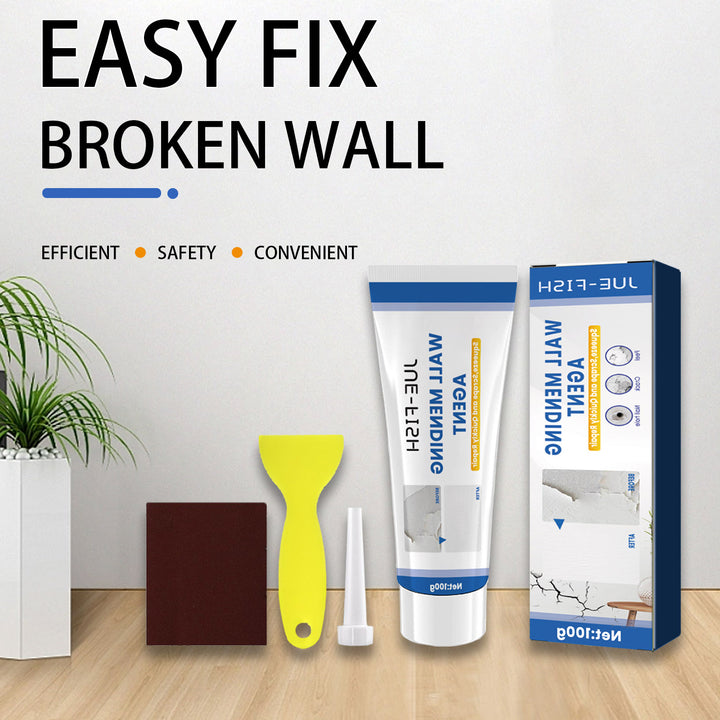
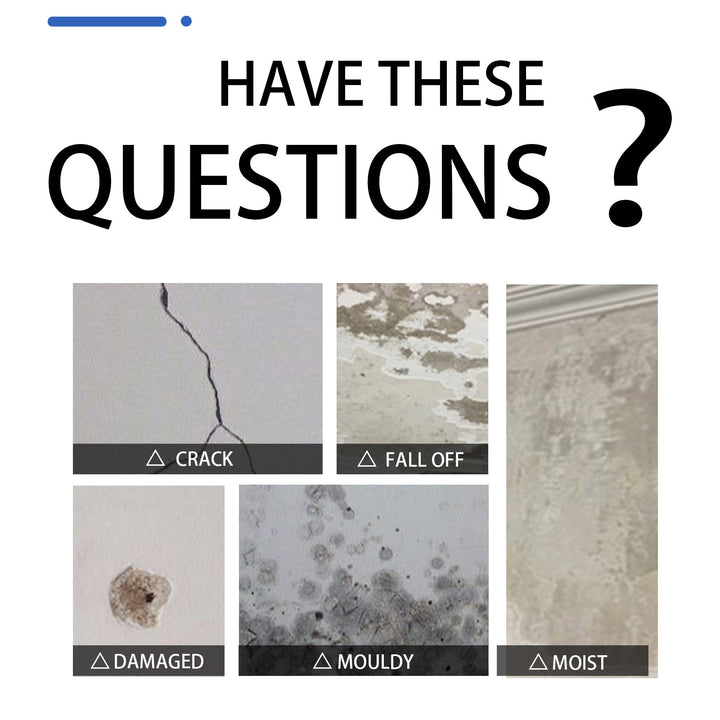
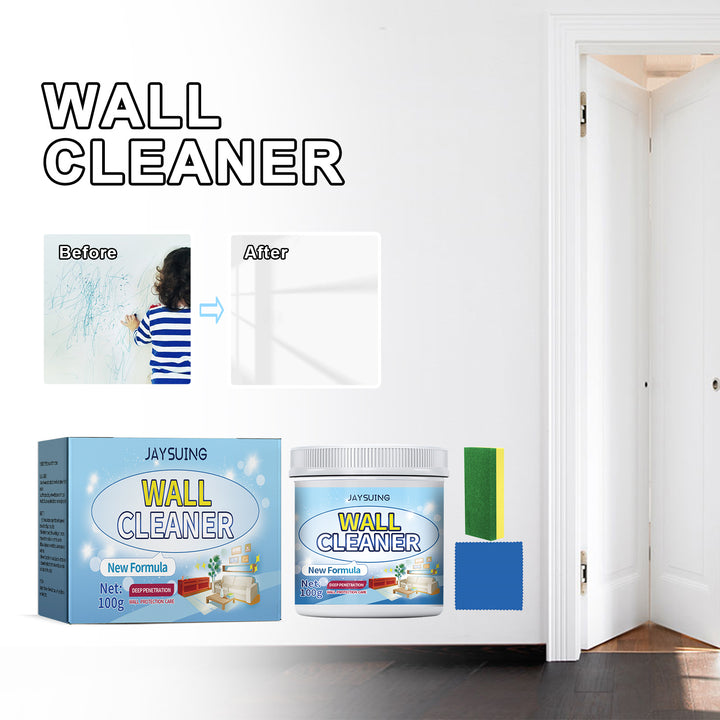
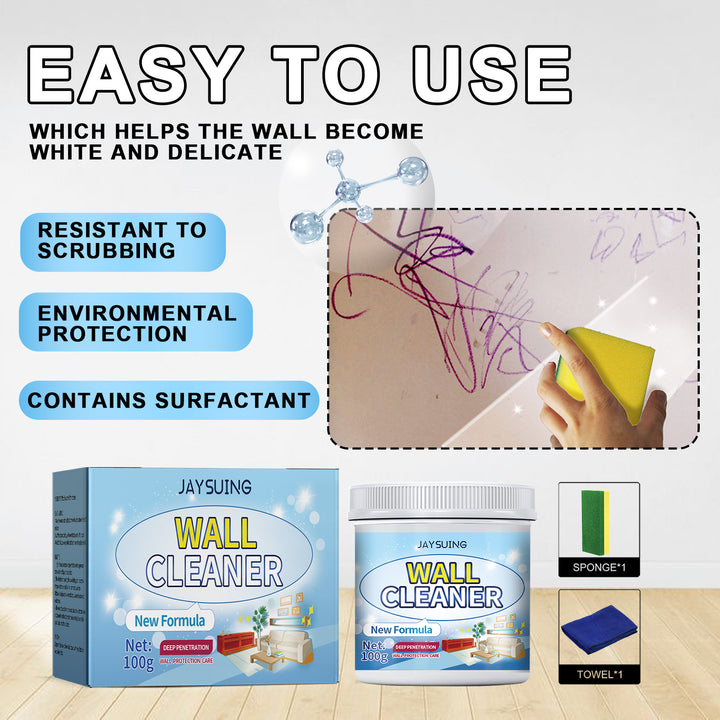
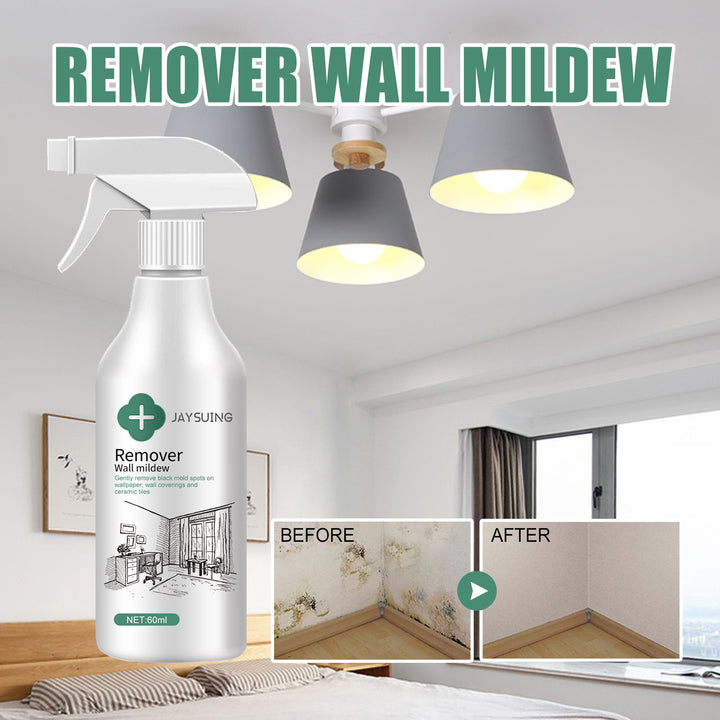
Cleaning products in this category serve different purposes and should not be treated as interchangeable. Use stain remover spray on individual laundry marks, following the label’s instructions for fabric compatibility and wash temperature. Use a white shoe cleaner for suitable footwear when a quick, no-wash refresh is more convenient than a full clean. Tile polish is a better match for hard tile floors that need a brighter, dust-free finish. Wall repair spray is for cosmetic surface marks, while wall repair plaster is designed to fill small cracks or holes before sanding and repainting. A motorhome cleaning solution suits vehicle-care routines. The pen and levitation desk display is decorative rather than a cleaning product, and the baby high chair supports cleaner mealtimes but still requires regular wiping and the manufacturer’s care guidance.
What to look for in a washing machine cleaner
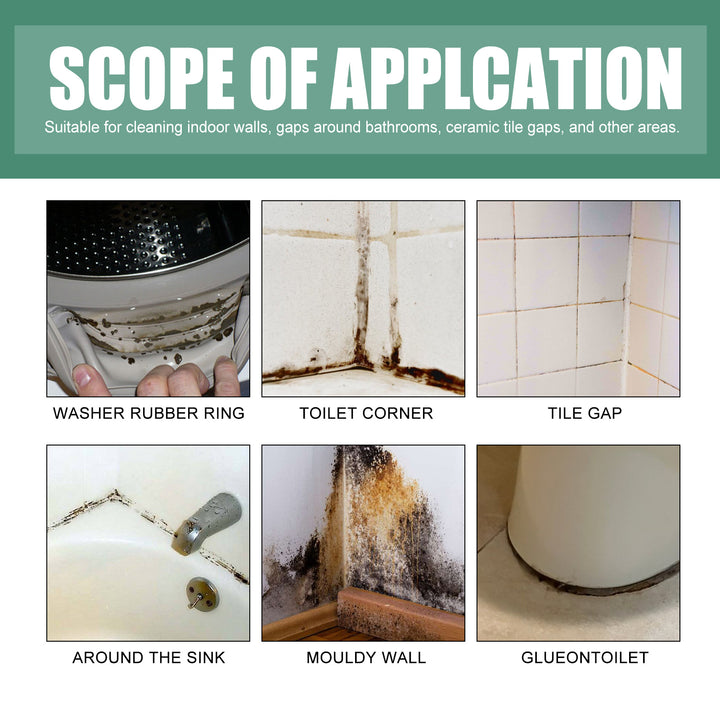
Before using vinegar, baking soda or bleach in a washing machine, check the appliance manual. Front loaders commonly need attention around the rubber door gasket, detergent drawer and drain filter, while top loaders may collect residue beneath the lid, around the agitator or in the dispenser. A cleaning cycle or empty hot cycle may be suitable, but the correct temperature and cleaner depend on the machine. Look for clear directions, compatibility guidance and warnings about mixing products. Do not assume that a homemade washing machine cleaner is safe for every seal or finish. Baking soda can help with odour and residue, while vinegar is acidic and may affect some rubber components with repeated use. Remove visible buildup by hand and leave the door or lid open to dry.
How to use stain, shoe, tile and wall cleaners
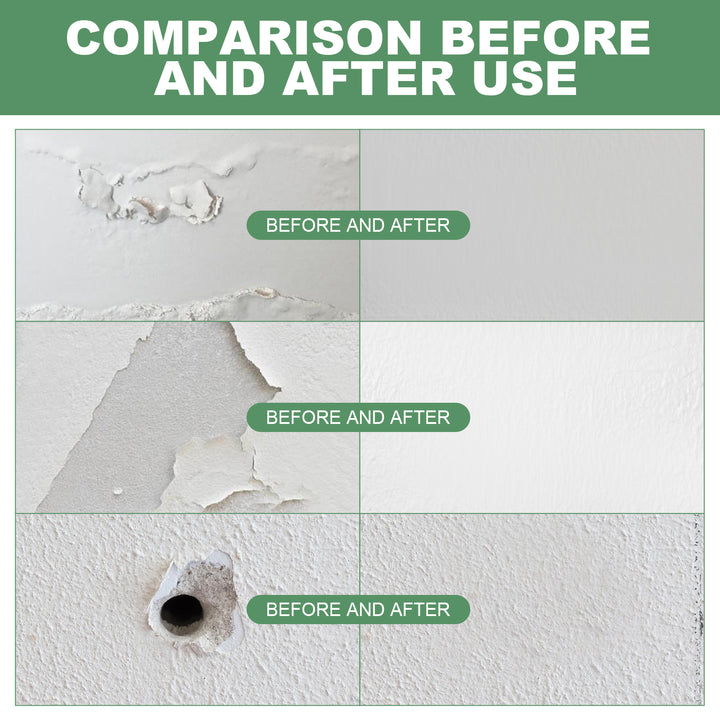
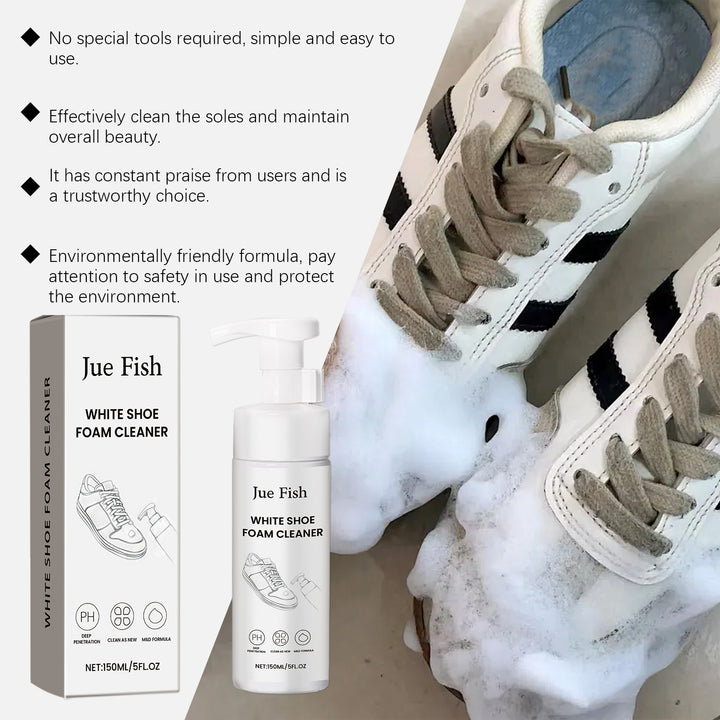
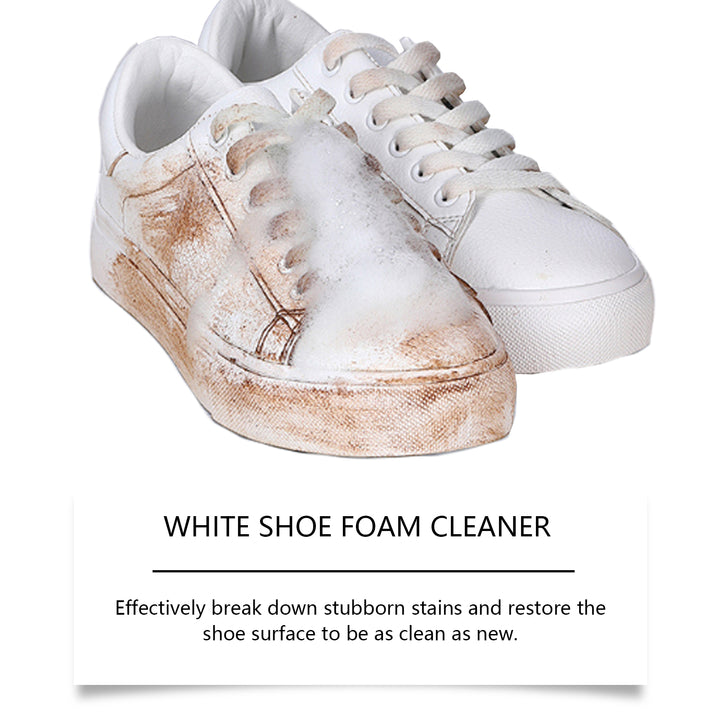
For laundry stains, remove excess soil, apply stain remover spray as directed, allow the recommended contact time and wash according to the garment label. Avoid drying the item until the stain has been checked, because heat can make some marks harder to remove. For shoes, brush away loose dirt, apply the cleaner to a cloth or suitable area as instructed and allow the footwear to dry naturally. On tiles, remove loose dust first, then apply polish sparingly and buff or wipe according to the product directions. For wall repair, clean and dry the area before using repair spray; use plaster for small holes or cracks, then smooth and finish the surface once dry. Test every product on a hidden area first.
What are common cleaning and laundry mistakes?
A common mistake is mixing cleaners, especially vinegar with bleach or other chemical products. Never combine them, and use one method at a time with good ventilation. Another mistake is applying a stain remover without checking the garment label, colourfastness or fabric type. Do not use shoe cleaner, tile polish or wall products on clothing unless the label specifically permits it. Overusing vinegar or baking soda in a washing machine can leave residue or create appliance-care issues, so follow the manual instead of treating either ingredient as a universal cleaner. Avoid soaking electrical parts, spraying directly into machine controls or scrubbing painted walls aggressively. Finally, allow cleaned surfaces to dry fully and store products safely away from children.
Who are these cleaning and laundry products for?
This category suits households that want simple solutions for specific messes rather than one product for every surface. Laundry stain remover is useful for treating marks before a normal wash. A portable shoe cleaner suits commuters, families and travellers who need quick touch-ups without a full wash. Tile polish and wall repair products help renters or homeowners handle visible floor and wall maintenance, subject to permission and surface compatibility. Motorhome cleaning solution is suited to owners maintaining exterior appearance between trips. The adjustable baby high chair is aimed at families who want easier cleanup around meals; wipe it after use and follow its care instructions. The decorative pen and levitation desk display is for workspace styling, not household cleaning. Choose based on the material, mess and required level of maintenance.
Frequently asked questions
What is the best way to clean your laundry?
Treat stains as soon as practical with a laundry stain remover spray that is suitable for the fabric. Follow the garment-care label, use the recommended amount and wash at the stated temperature. Check the mark before putting the item in a dryer.
Does baking soda or vinegar clean laundry better?
They serve different purposes and neither is best for every laundry task. Baking soda may help with odour, while vinegar is acidic and is sometimes used as a rinse aid, but both should be used only when compatible with the garment and washing machine. A purpose-made stain remover is generally more appropriate for targeted marks.
What can I run through my laundry machine to clean it?
Use the machine’s recommended cleaning cycle or an appliance cleaner approved by the manufacturer. If the manual permits a homemade method, follow its quantities and temperature guidance. Also clean the detergent drawer, door gasket or lid area, and leave the machine open to dry.
Can I put vinegar and baking soda in my washing machine to clean it?
It is better not to combine them, because they react and largely neutralise each other. Check the appliance manual before using either ingredient, and never add vinegar to a cycle containing bleach or another cleaner. A washing-machine cleaner approved for your model may be a safer choice.
What not to clean with vinegar in a washing machine?
Do not use vinegar with bleach or other cleaning chemicals. Repeated exposure may be unsuitable for some rubber seals, hoses or internal finishes, so consult the manufacturer before using it. Avoid applying vinegar directly to controls or electrical parts.
What is the best homemade way to clean a washing machine?
There is no single homemade method that suits every machine. A cautious routine is to empty the drum, wipe the gasket or lid area, clean the dispenser, check the filter if accessible and run the manufacturer-approved cleaning cycle. Use vinegar or baking soda only if the manual allows it, and never mix them with bleach or other cleaners.