Natural & Organic Beauty & Wellness Essentials319 items

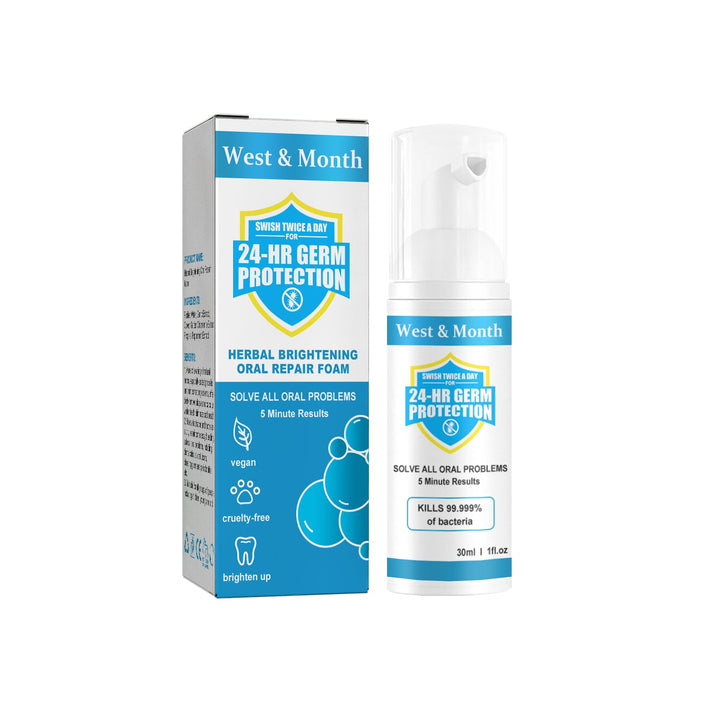
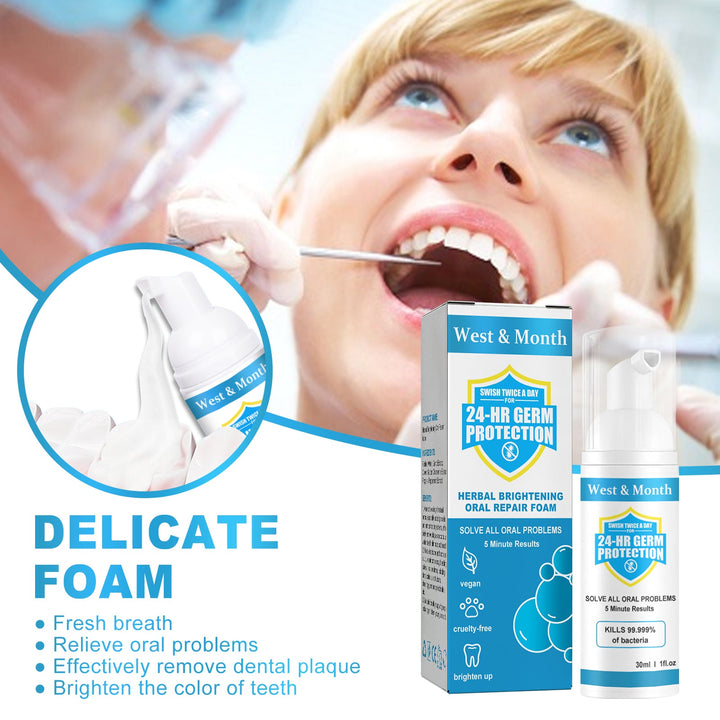
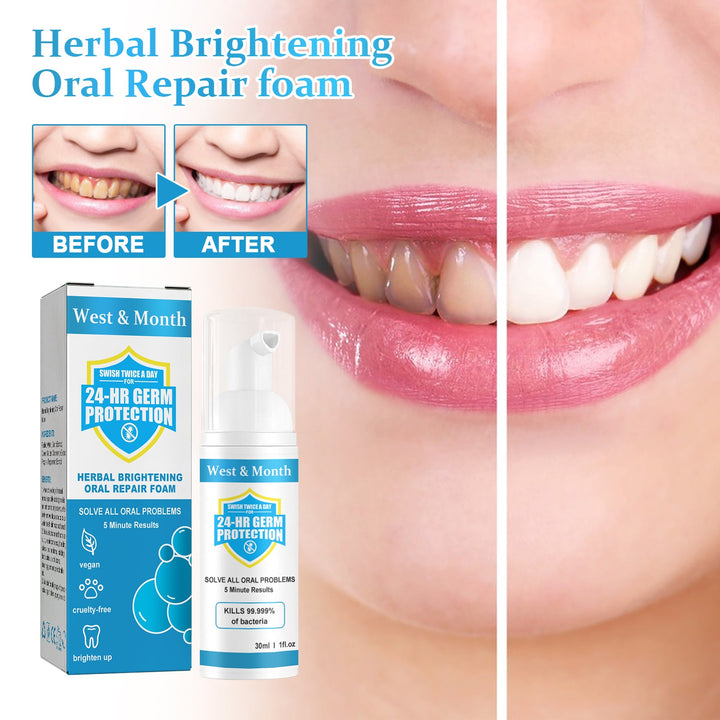

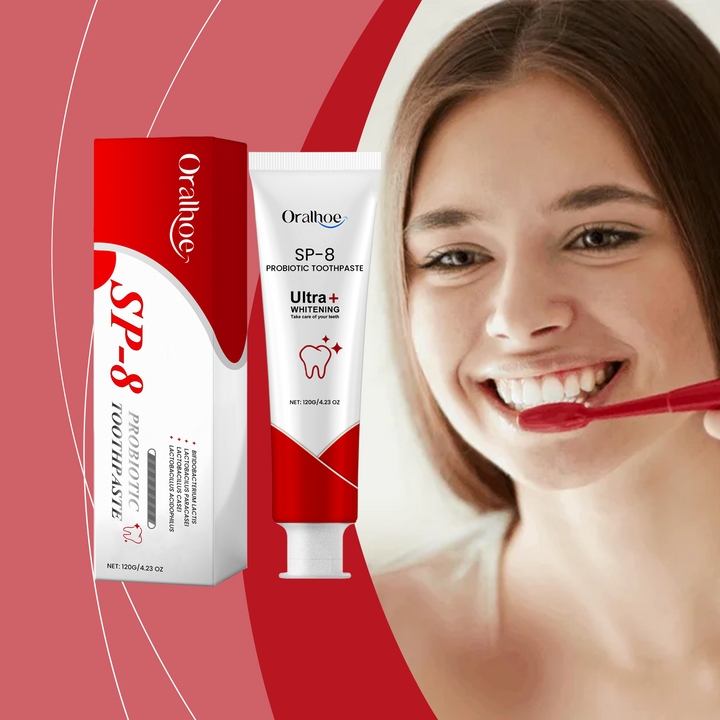
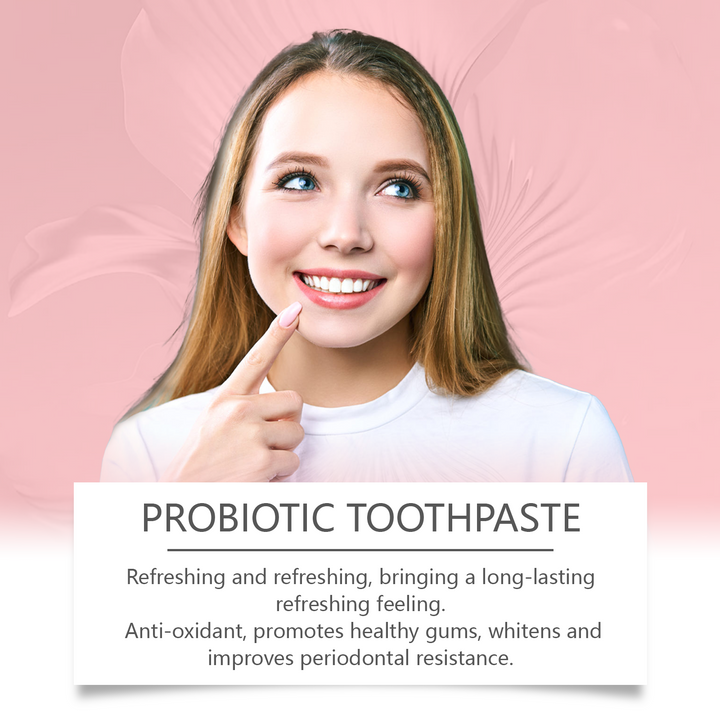
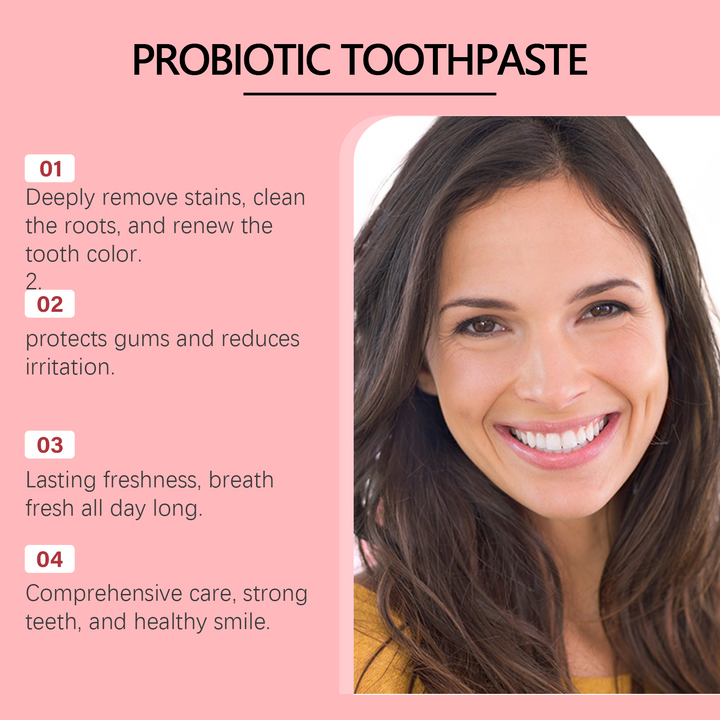

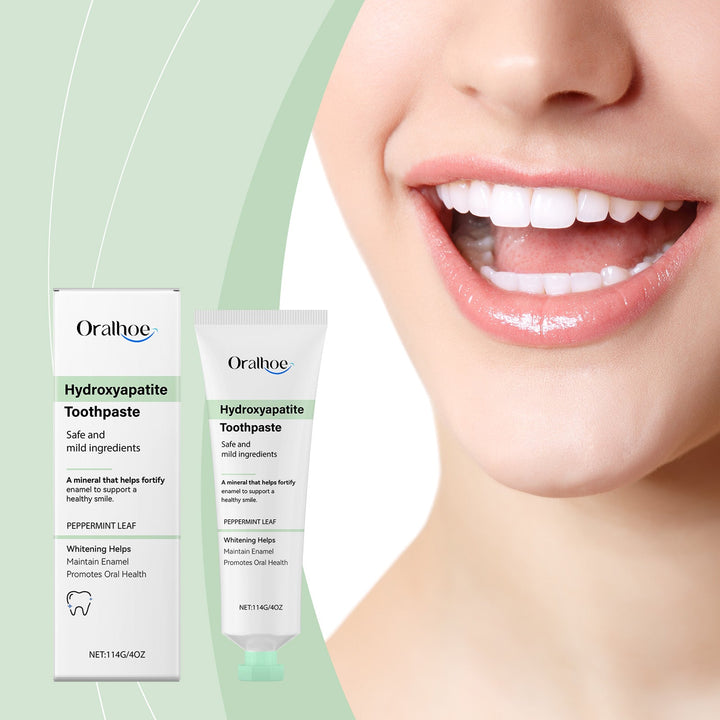
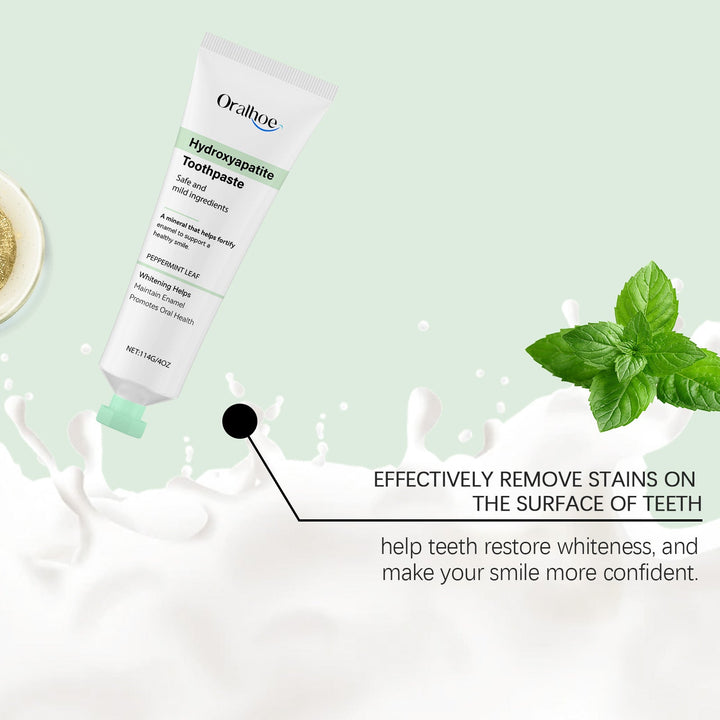






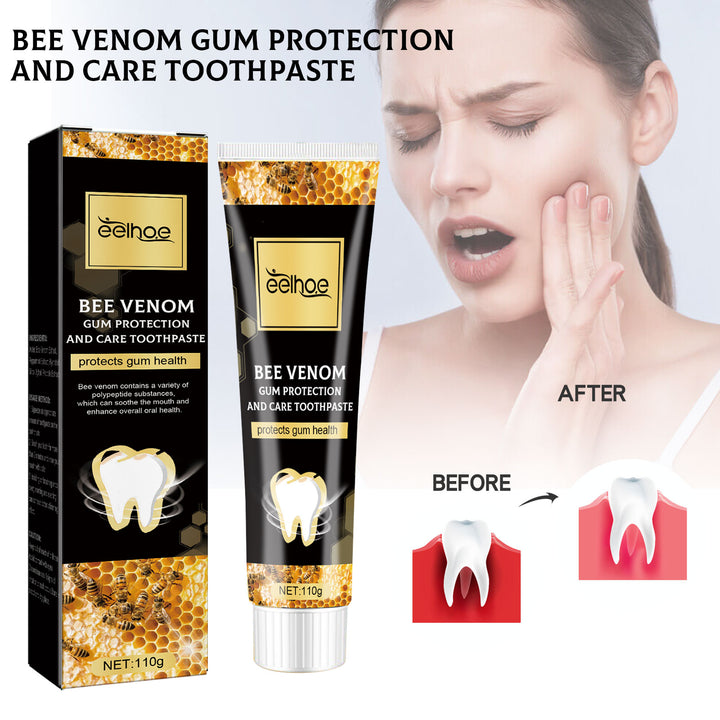
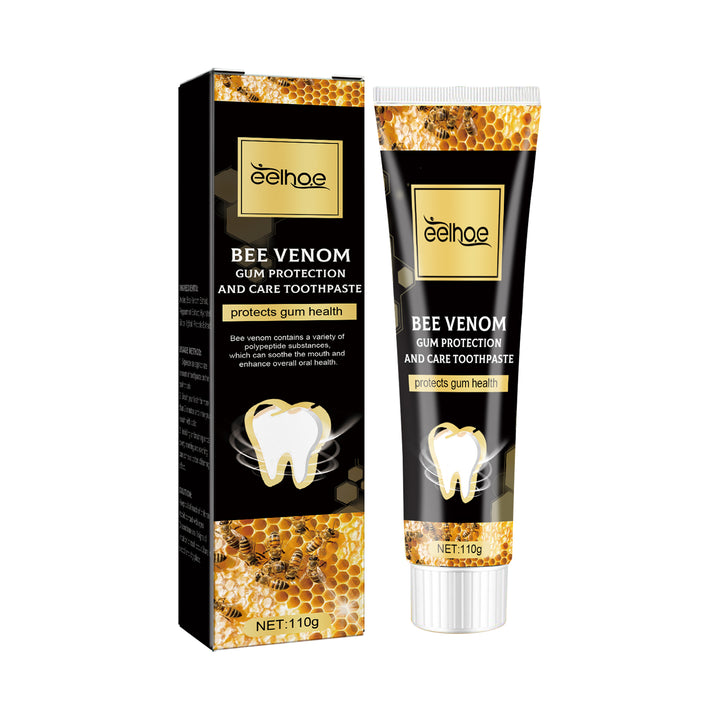
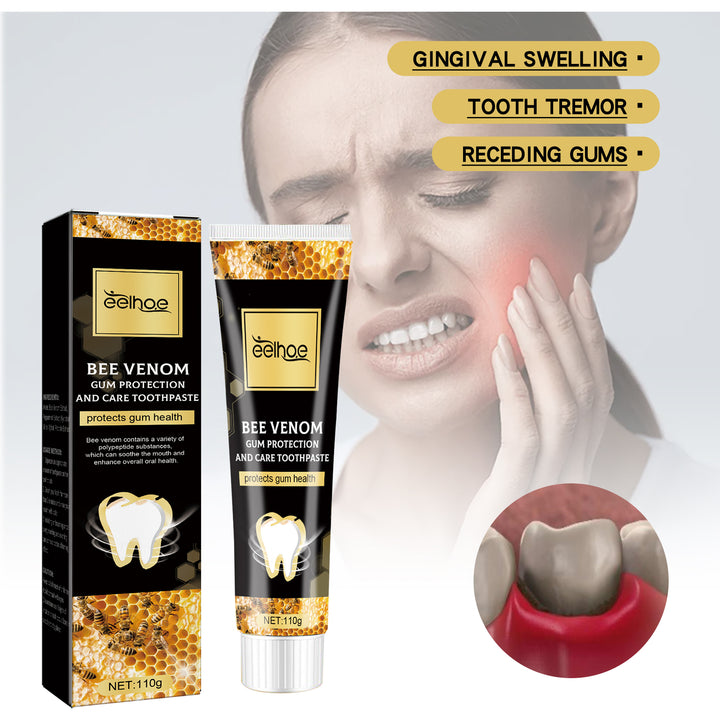

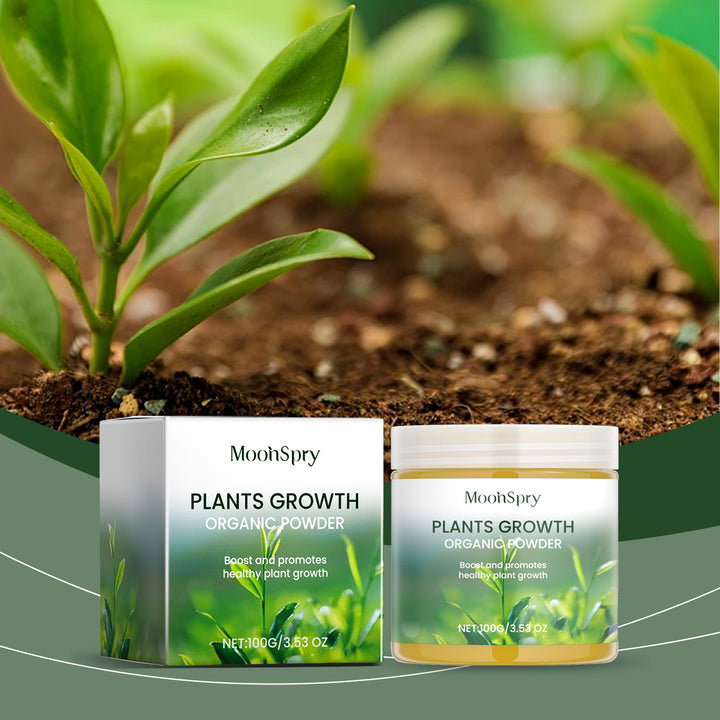






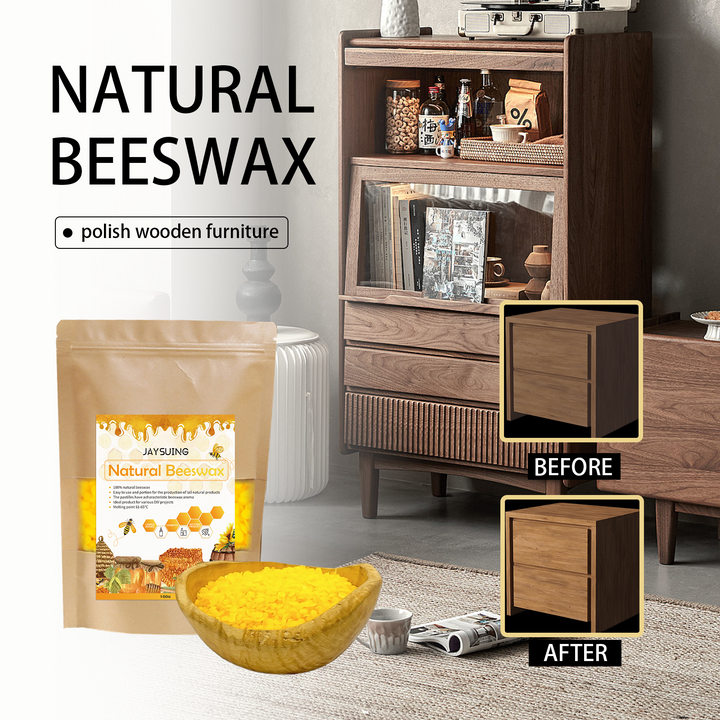
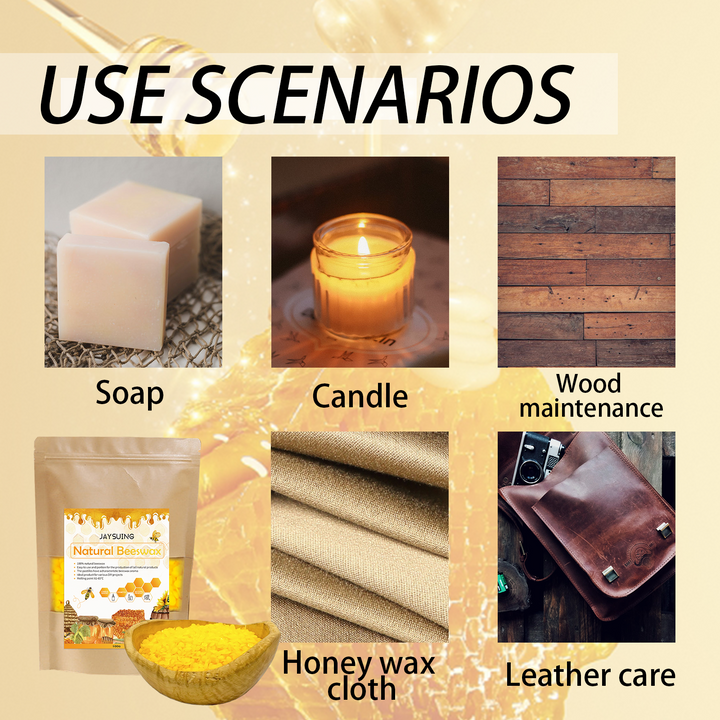
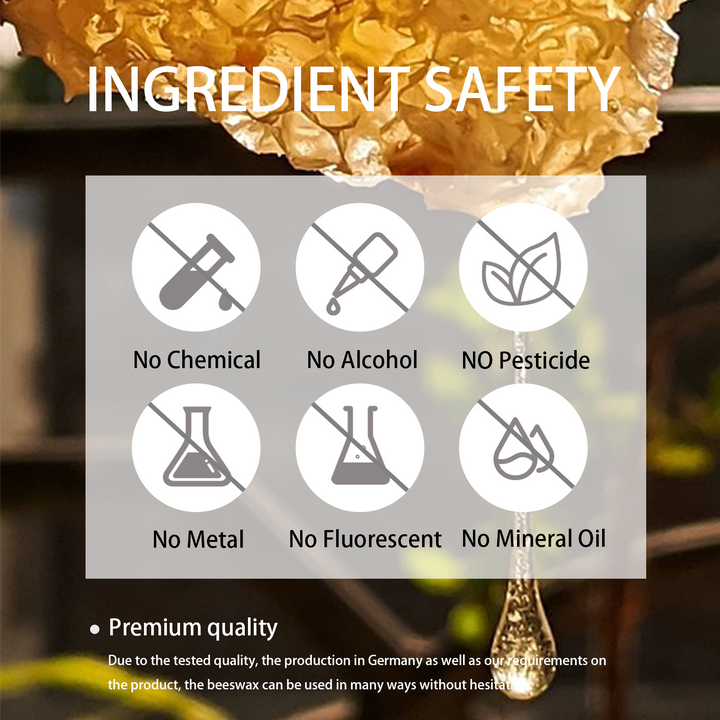

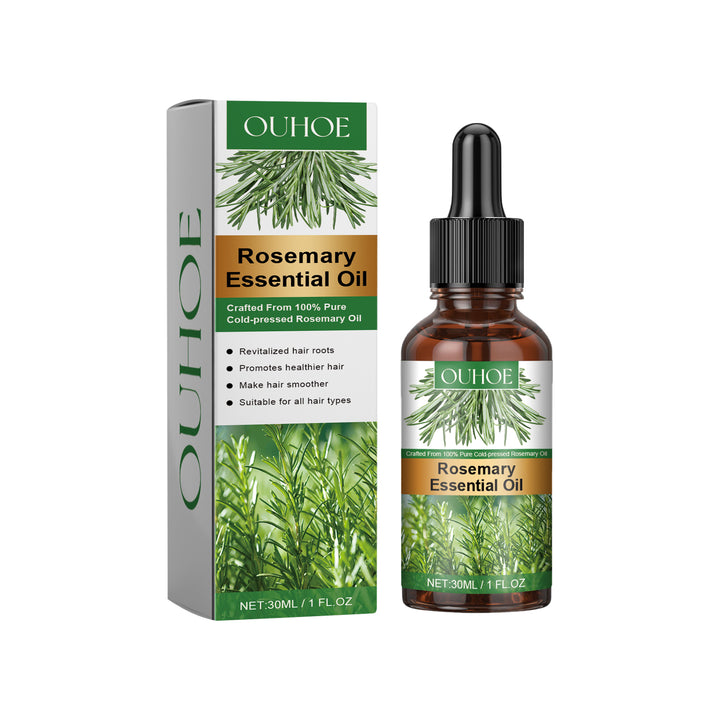
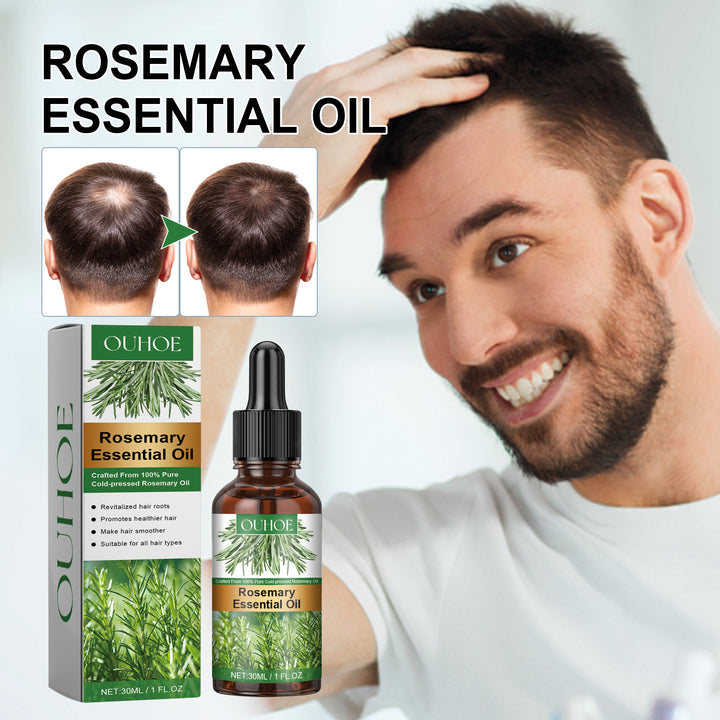

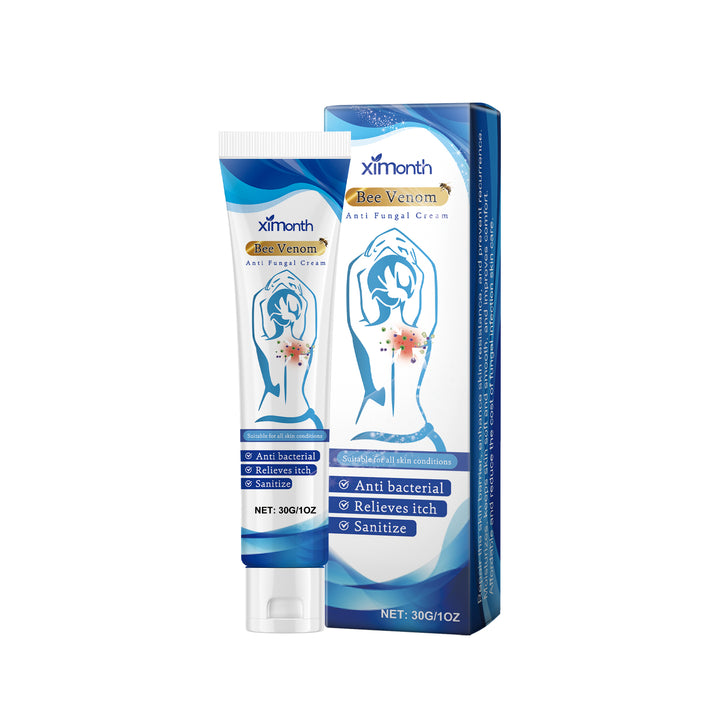
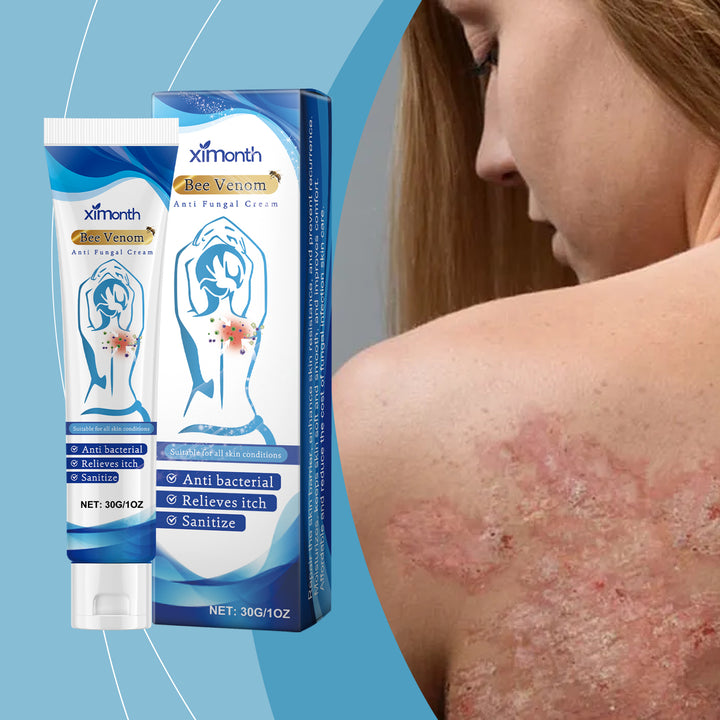



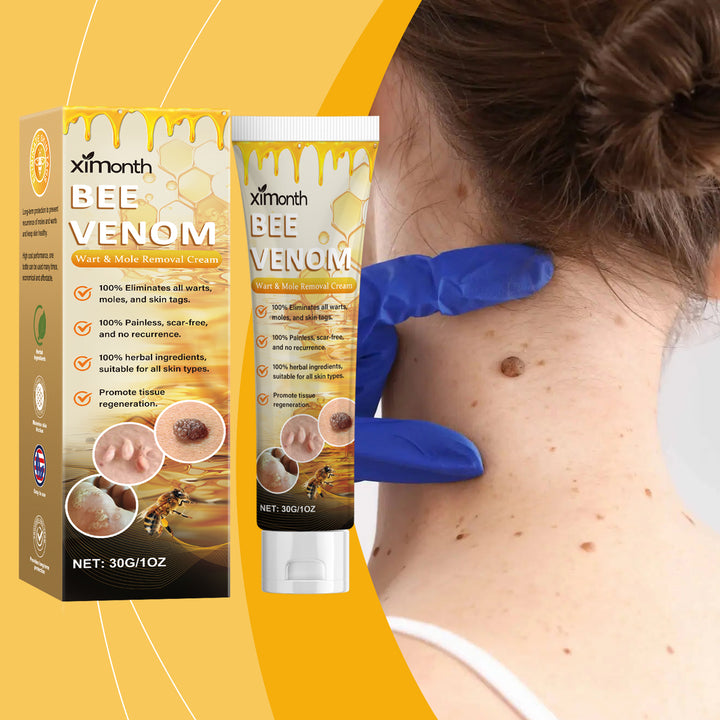








Explore natural and organic-inspired essentials for personal care, oral care, home care, and plant care in one convenient category. Compare ingredients, intended use, packaging, and directions so you can choose products that fit your routine without relying on vague “natural” wording.
How to choose natural organic products for your routine
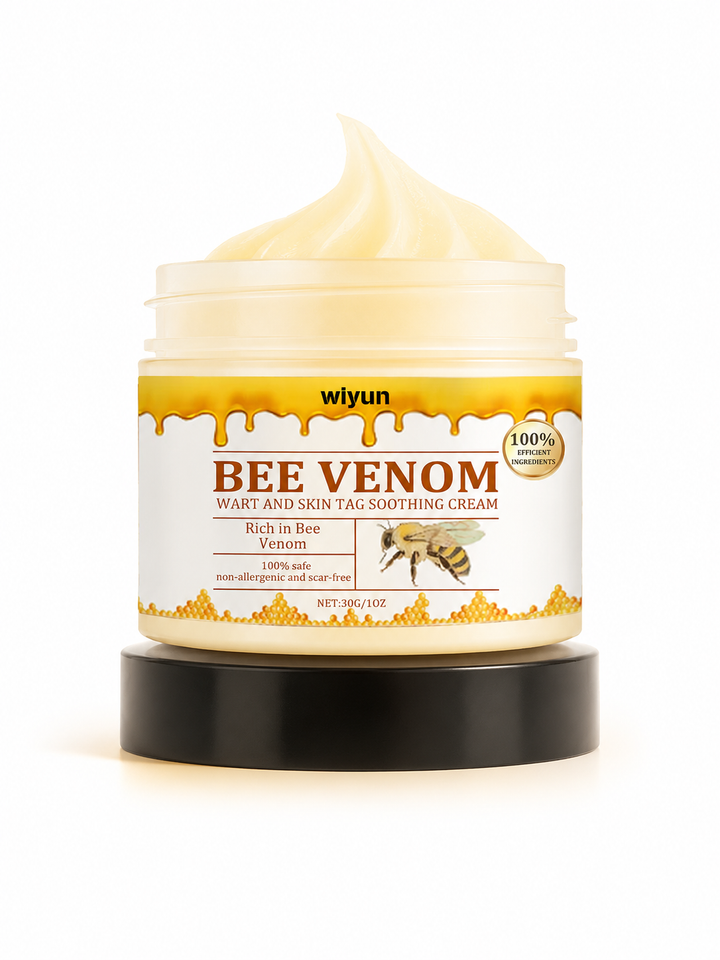
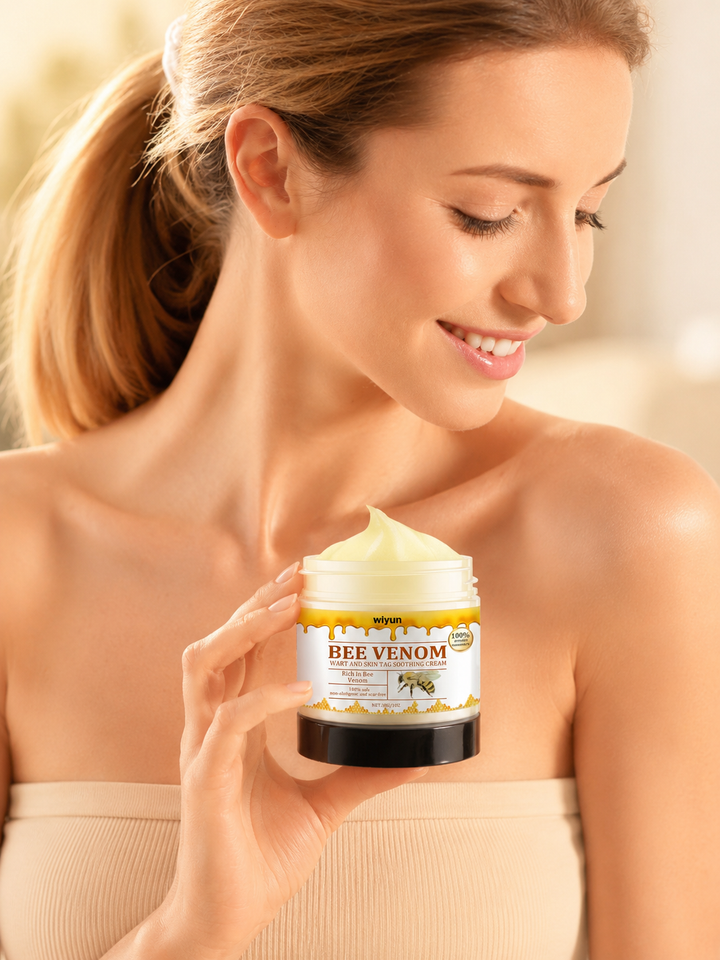
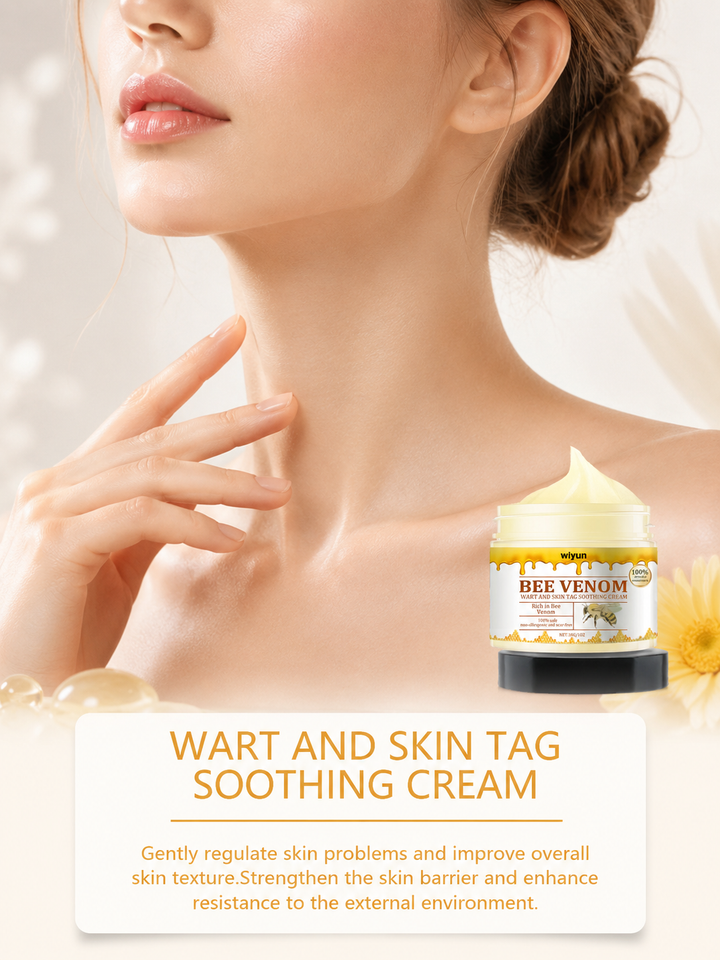
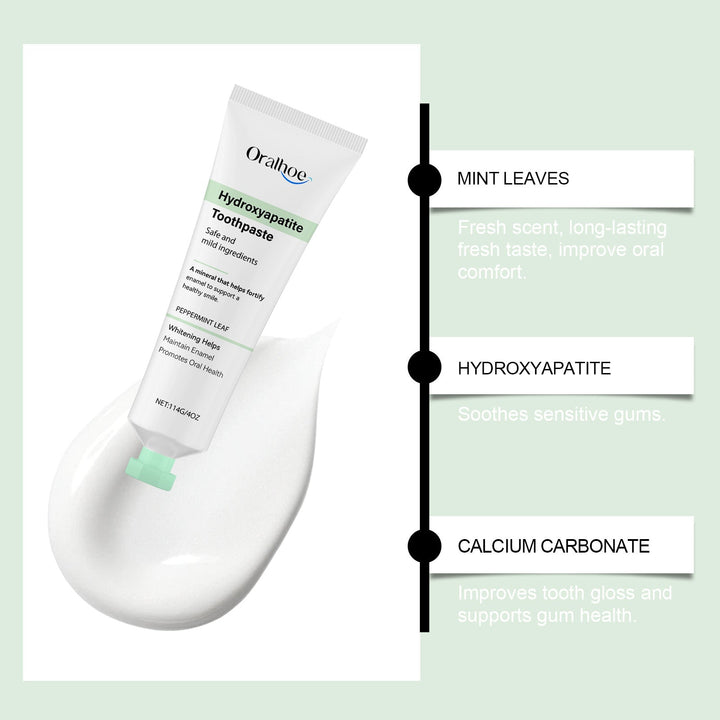
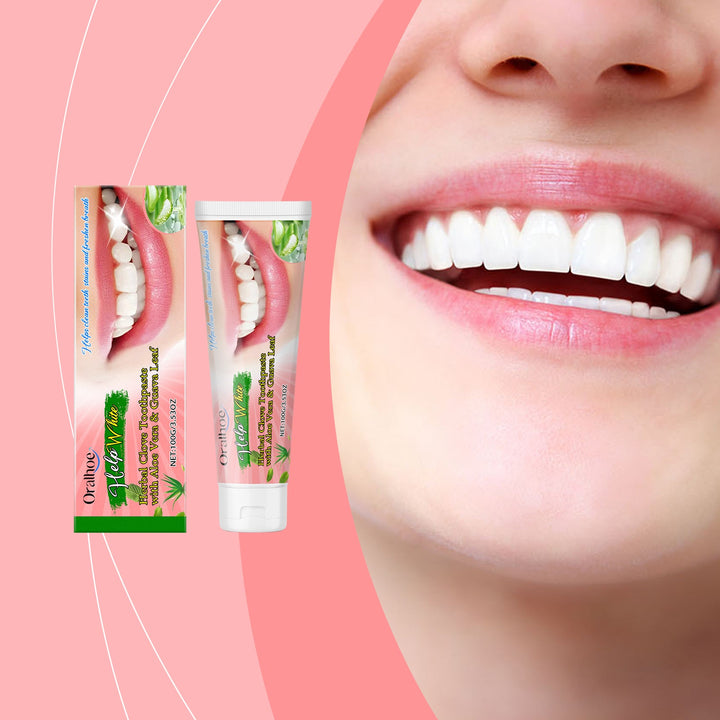
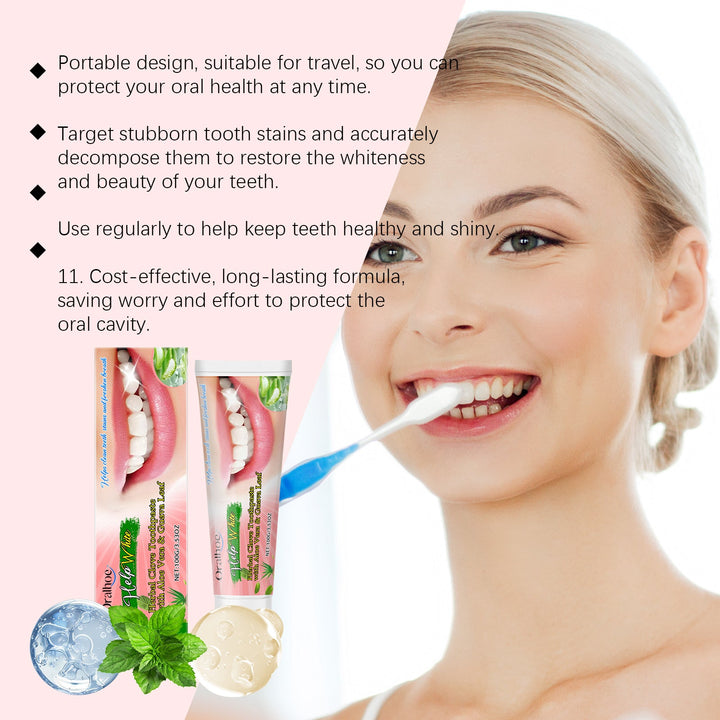
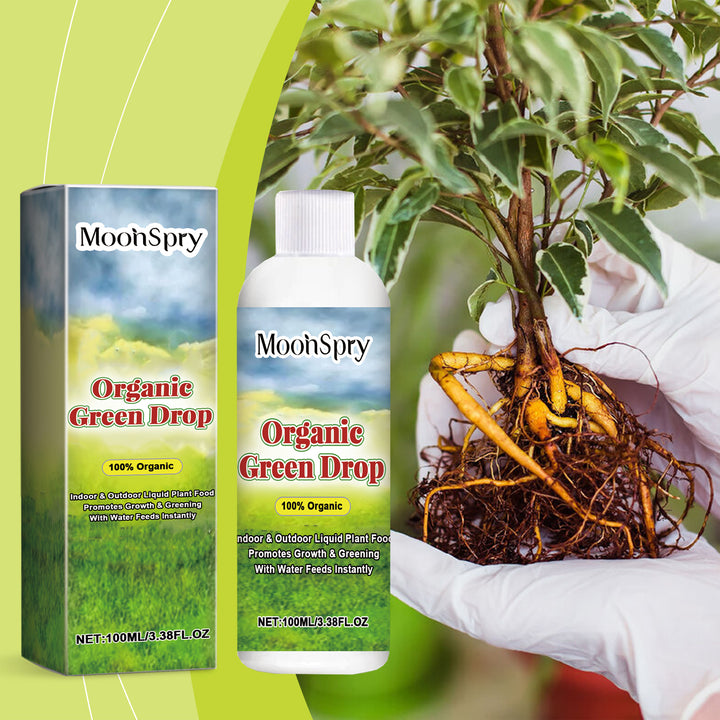
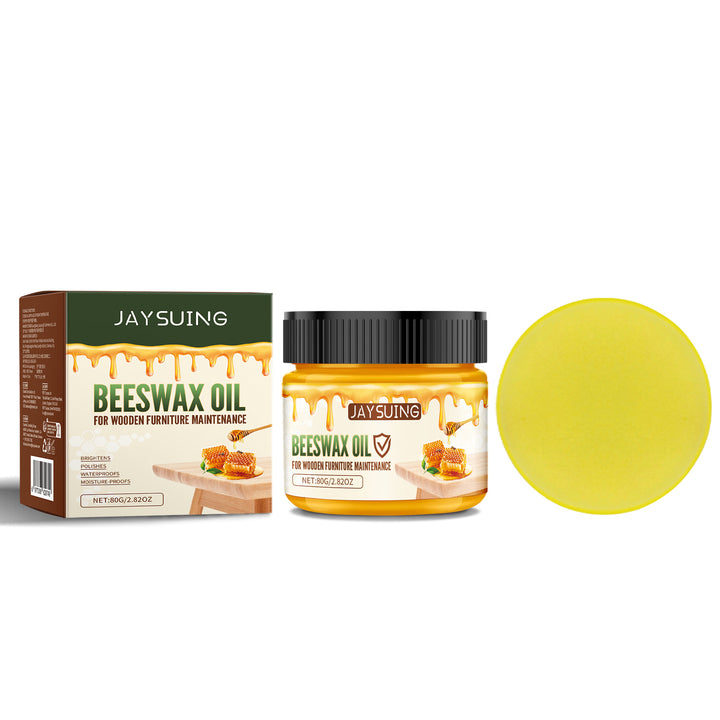
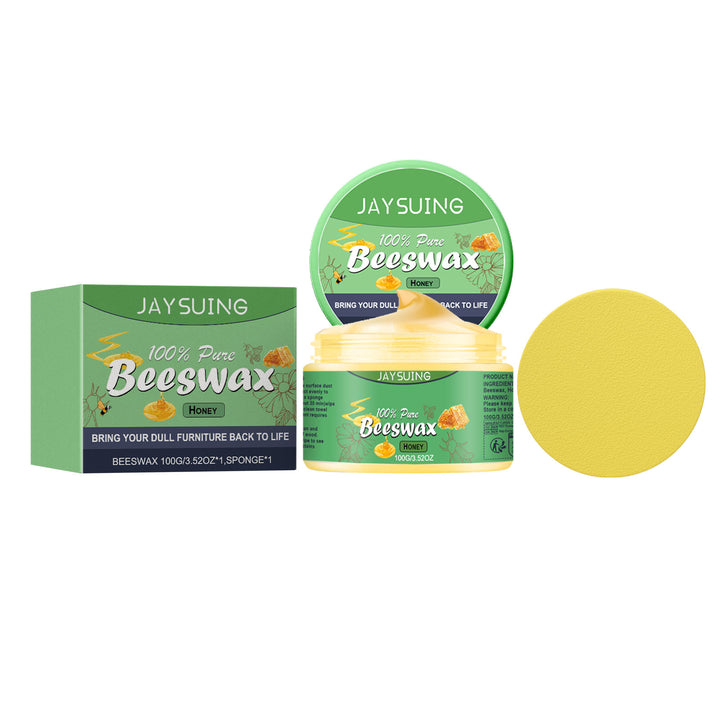
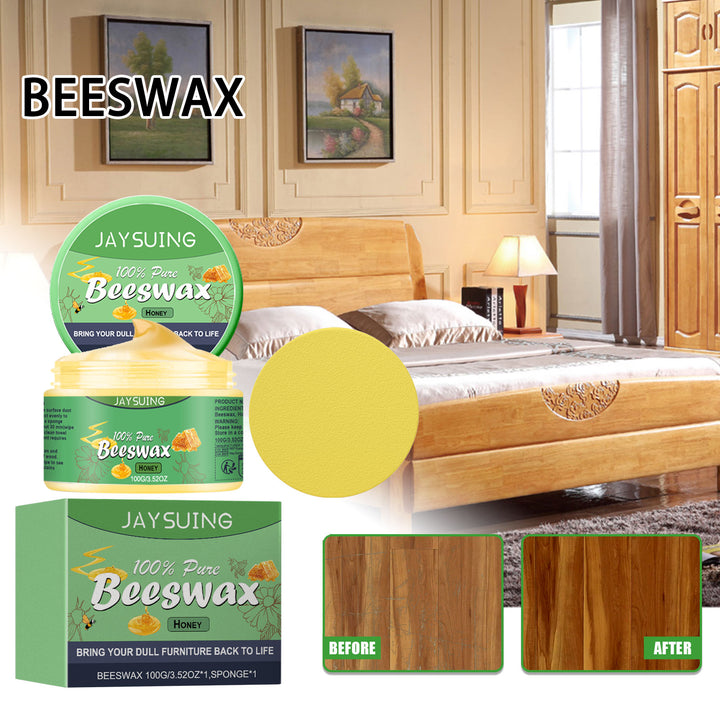
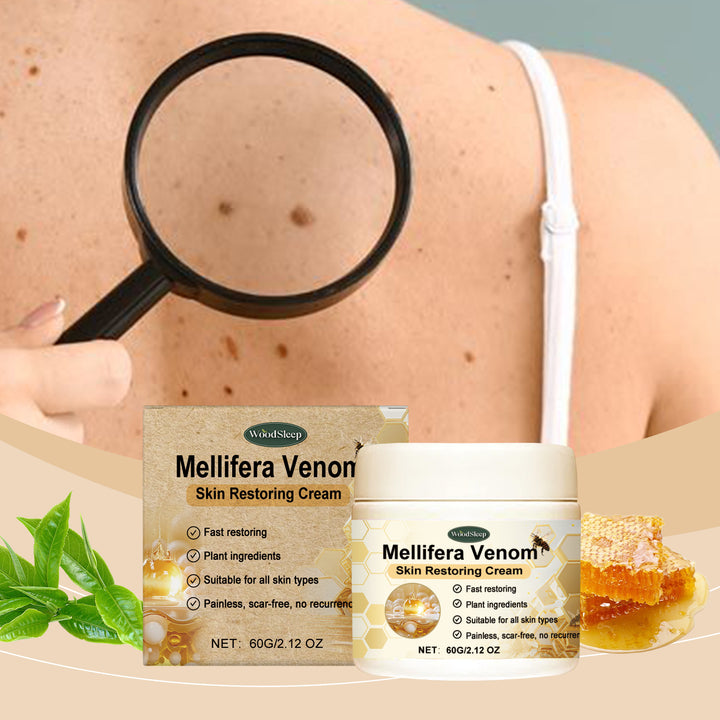
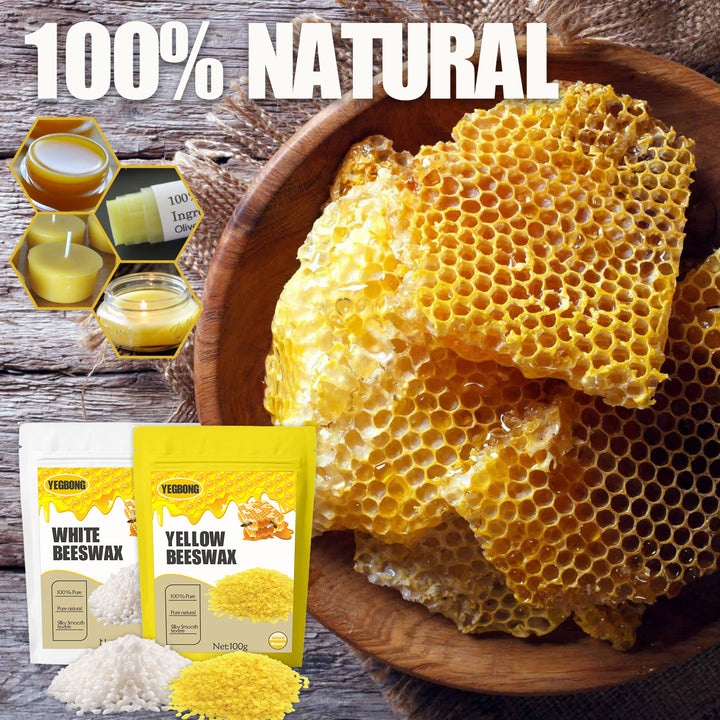
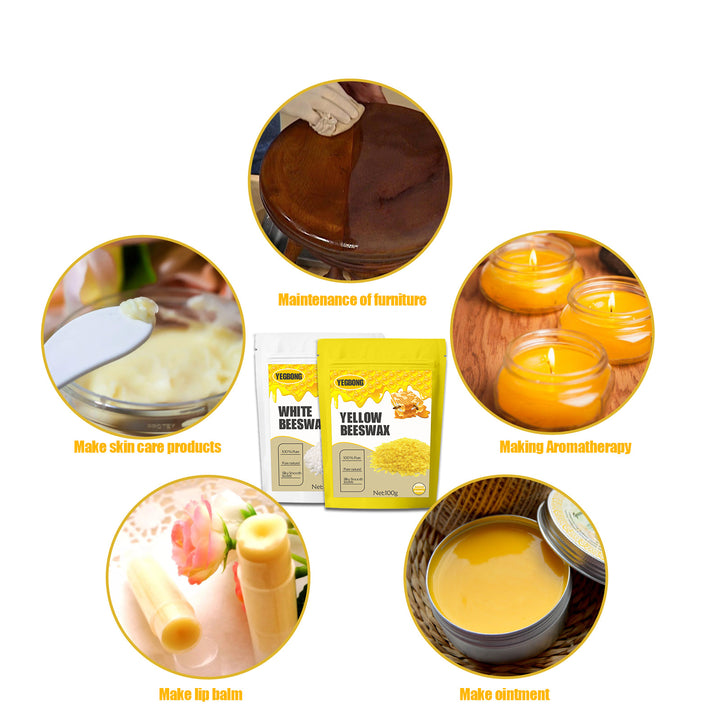
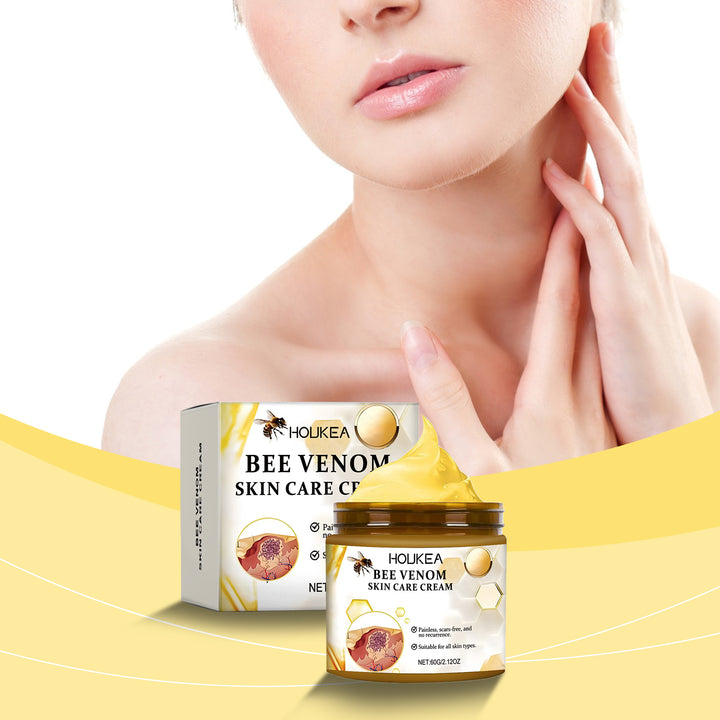
Start with the job you want the product to do. For personal care, review the intended use and the full ingredient list before considering a penis enlargement oil or a beeswax-based creme. For oral care, compare hydroxyapatite toothpaste with bee venom toothpaste according to your preferences, sensitivities, and the manufacturer’s directions. For home and garden care, choose beeswax polish or scratch repair wax for suitable wood surfaces, and select liquid fertilizer or nutrient powder based on plant type and application instructions. “Natural organic” can describe different sourcing and formulation standards, so check the label rather than assuming every product is certified organic. Shoppers searching for natural organic skincare or natural organic products should also look for clear usage guidance and any stated allergens.
Natural versus organic: what is the difference?
Natural usually refers to ingredients or materials derived from plants, minerals, animals, or other naturally occurring sources, but the term can be used differently across products and regions. Organic generally refers to ingredients produced under defined agricultural or processing standards, where applicable; a product may contain some organic ingredients without being entirely organic. Neither word alone tells you whether an item is suitable for your skin, mouth, furniture, or plants. Compare the ingredient list, intended use, processing information, and any clearly identified certification details. For natural organic food, consider the product’s complete nutrition and ingredient information rather than treating “organic” as a guarantee that it suits every diet. The same careful approach applies when comparing natural organic skincare brands or household products.
What to look for in natural organics skincare and care products
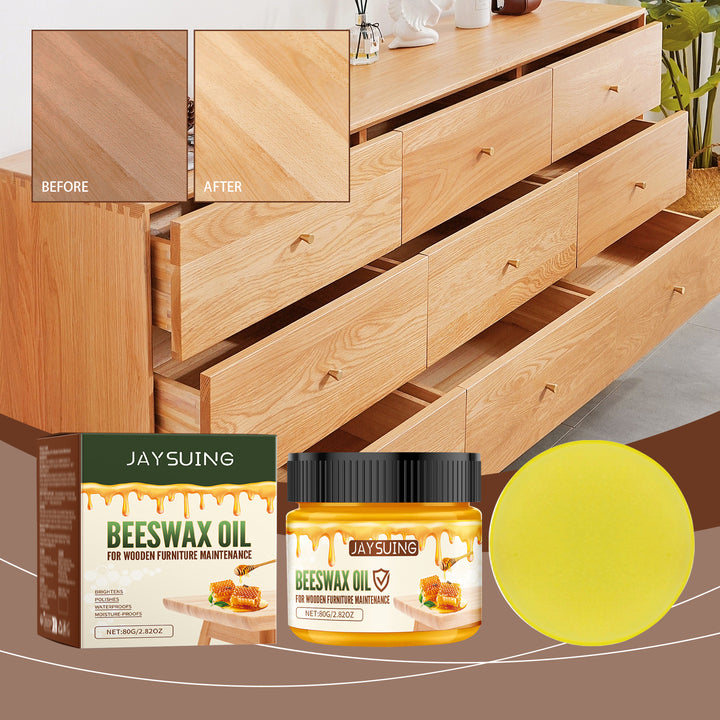
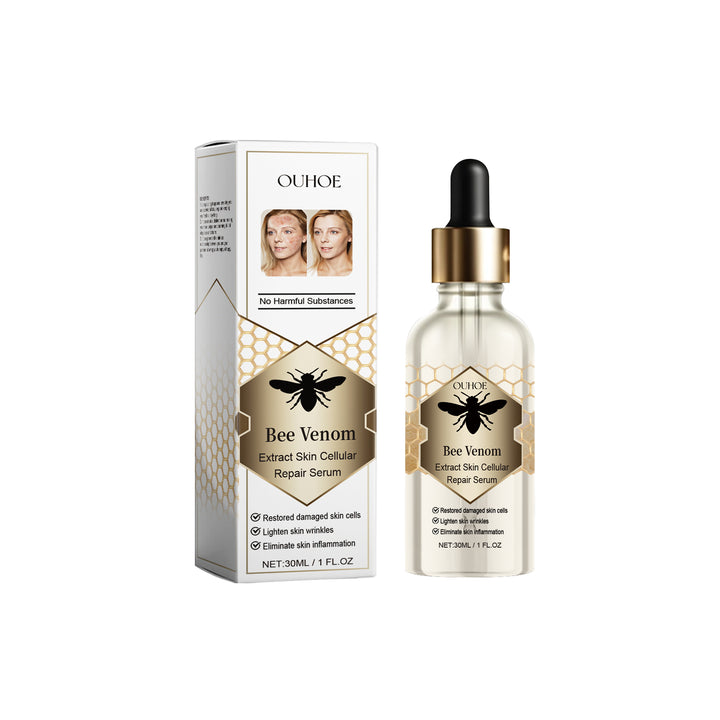
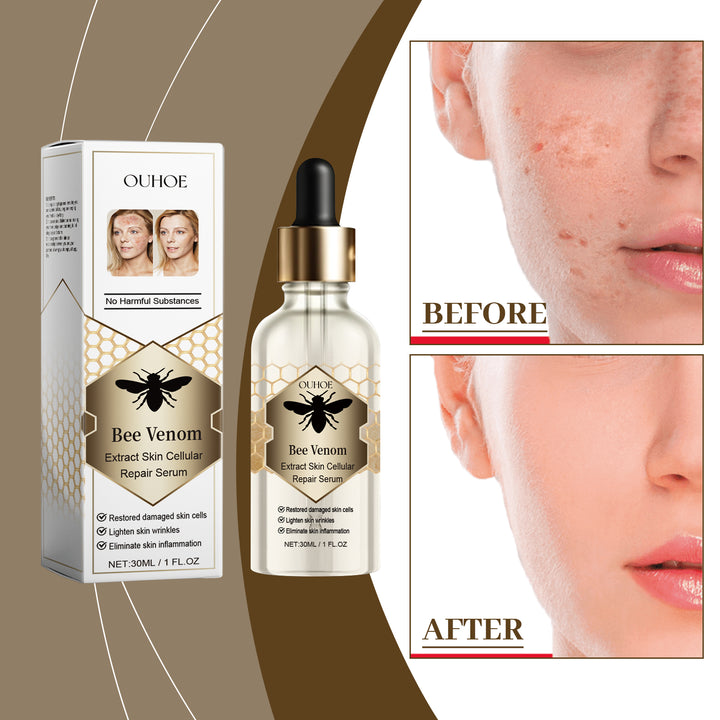
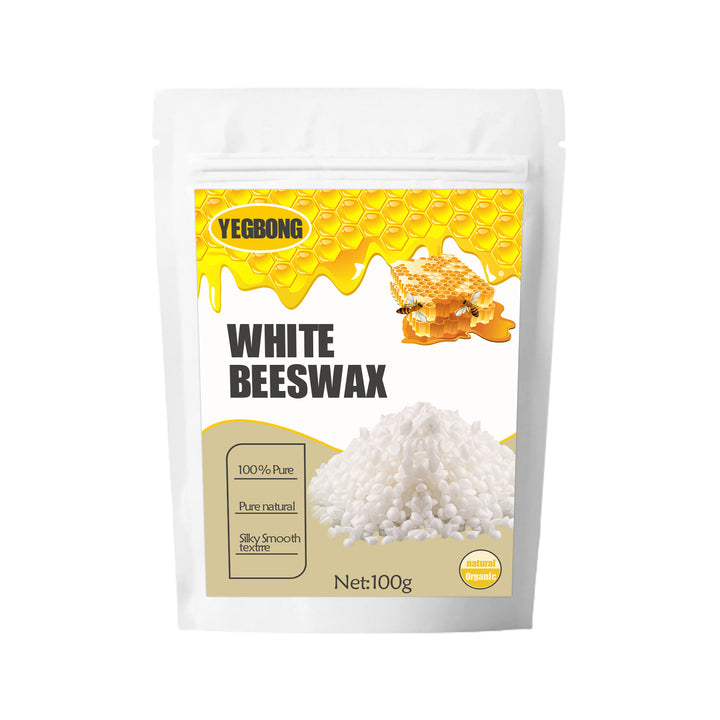
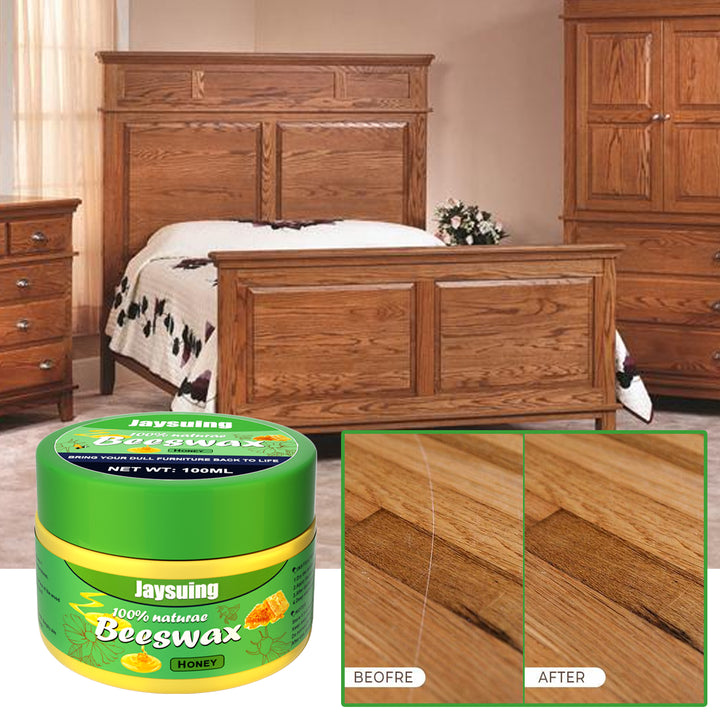
For skincare and body-care items, look for a complete ingredient list, a clearly stated purpose, directions, and storage guidance. Avoid applying products to broken or irritated skin unless the label specifically permits it, and patch-test new topical products when appropriate. A beeswax-based creme may appeal to shoppers seeking a targeted topical option, while an oil should be evaluated for its ingredients and intended area of use. For toothpaste, check the active ingredients and brushing instructions, and stop use if irritation occurs. For wood care, confirm that beeswax polish or scratch repair wax is compatible with the finish and test it on an inconspicuous area first. “Natural” does not automatically mean gentle, edible, or suitable for everyone.
How to use natural organic home, oral, and garden essentials
Follow each product’s label because application differs across this category. Apply wood polish or scratch repair beeswax sparingly to clean, dry wood, then buff with a soft cloth after testing a hidden spot. Mix or apply liquid fertilizer and plant nutrient powder only as directed, using the correct dilution or quantity for the plant and growing medium. Use toothpaste as part of your normal brushing routine and avoid swallowing it. For topical oils or cremes, use only on the area and at the frequency stated by the seller; keep them away from eyes and other sensitive areas. Store all products securely and keep garden, oral-care, and topical items separate to prevent mix-ups.
Common mistakes when buying natural organic products
One common mistake is treating “natural” and “organic” as interchangeable terms. Another is choosing by a single ingredient while overlooking preservatives, fragrances, allergens, directions, or the product’s intended surface or body area. Do not use furniture wax on skin, plant nutrients as personal-care products, or toothpaste for purposes beyond oral cleaning. Avoid assuming that a natural ingredient cannot cause sensitivity, staining, residue, or an unwanted finish. Buying large quantities before checking compatibility can also lead to waste, especially with wood-care and garden products. If you are comparing natural grocers near me, natural grocers locations, or natural organics Melville listings, verify that the retailer actually carries the product category you need rather than relying on a general directory result.
Who are natural and organic-inspired essentials best suited to?
This category suits shoppers who want to compare plant-based, mineral-based, bee-derived, and naturally presented options across everyday care tasks. It can be useful for people maintaining wooden furniture, caring for houseplants, or selecting toothpaste according to preferred ingredients. It may also suit shoppers exploring natural organic skincare or building a broader personal-care routine, provided they read directions and check for sensitivities. Products are not automatically appropriate for children, pregnancy, pets, damaged skin, or particular medical or dental concerns; review the label and ask a qualified professional when needed. If you are researching natural organic jobs or local natural grocers, remember that employment listings and store availability are separate from product suitability. Choose based on use, ingredients, and fit—not the word “natural” alone.
Frequently asked questions
Is Natureland Organics a good brand?
A brand cannot be judged reliably from its name alone. Check the specific product’s ingredients, intended use, directions, customer-service information, and any clearly stated certification details; compare those details with your needs and sensitivities.
What is the difference between 100% natural and 100% organic?
“100% natural” generally describes the stated source or composition of ingredients, but definitions can vary. “100% organic” usually refers to production standards for the ingredients or product, where applicable, and should be supported by clear labeling or certification information. Neither phrase automatically indicates that a product is safer or better for every shopper.
Which is better, natural or organic?
Neither is universally better. Choose according to the product’s purpose, ingredient list, verified sourcing information, directions, price, and how well it fits your preferences. For skincare, oral care, furniture, and garden products, correct use and compatibility matter as much as the marketing description.
Is organic actually good for you?
Organic sourcing may matter to shoppers who prefer particular farming or processing standards, but “organic” is not a guarantee that a product meets every personal health or dietary need. Review the complete ingredients and product information, especially for food, toothpaste, and topical items.
What are the downsides of organic foods?
Potential downsides can include higher prices, limited availability, shorter shelf life for some products, and different taste or appearance. Organic food can still contain sugars, salt, allergens, or other ingredients that may not suit your diet, so read the nutrition and ingredient labels.
What is the no. 1 healthiest food in the world?
There is no single healthiest food for everyone. A varied eating pattern that includes suitable vegetables, fruits, legumes, whole grains, nuts, or other foods can be more useful than ranking one item, while individual dietary needs and restrictions should guide choices.