Mother & Kids624 items


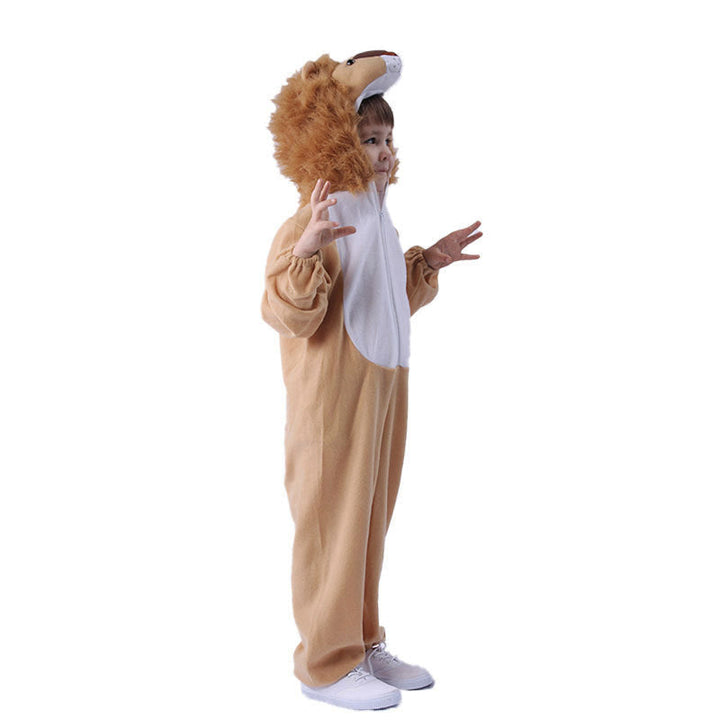


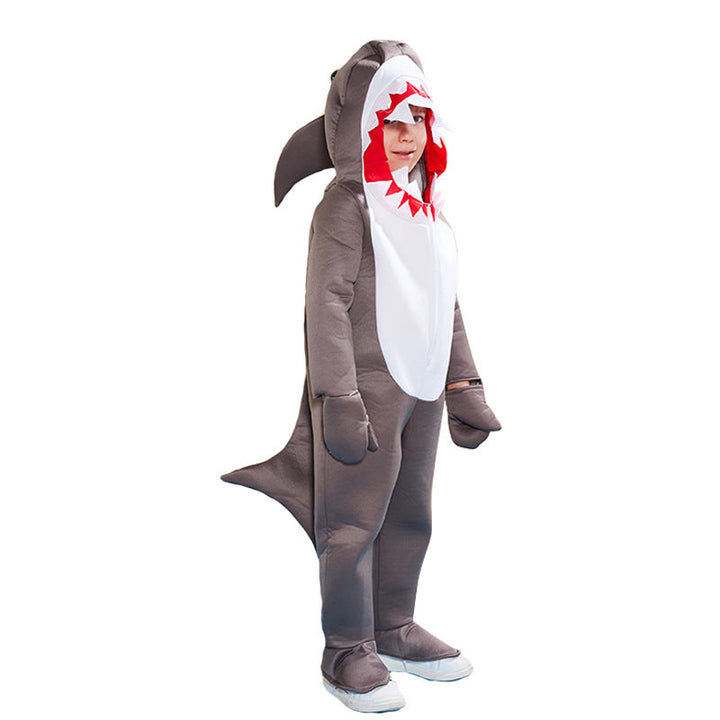
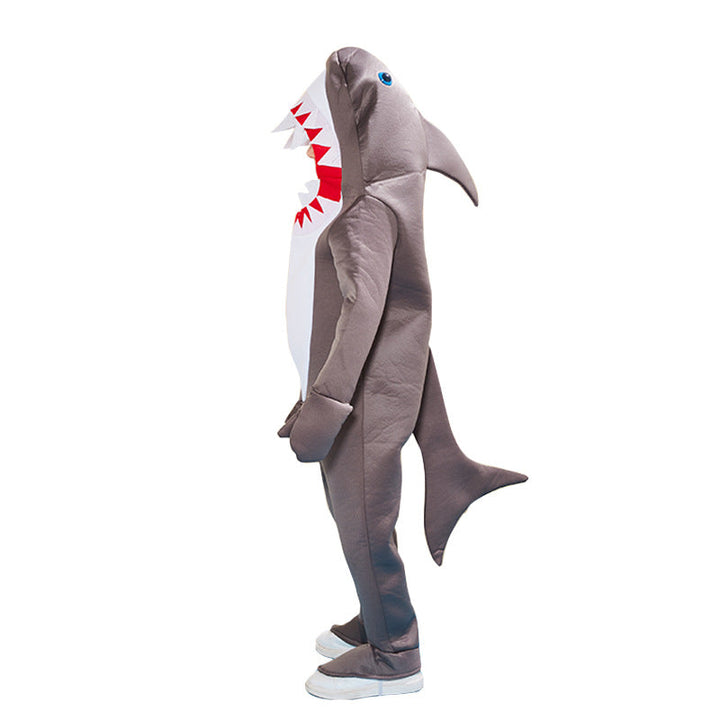
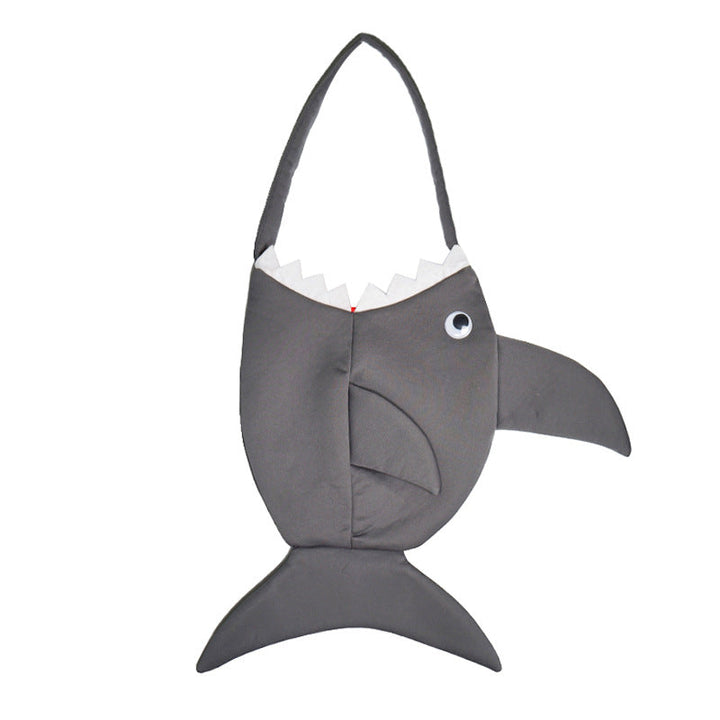

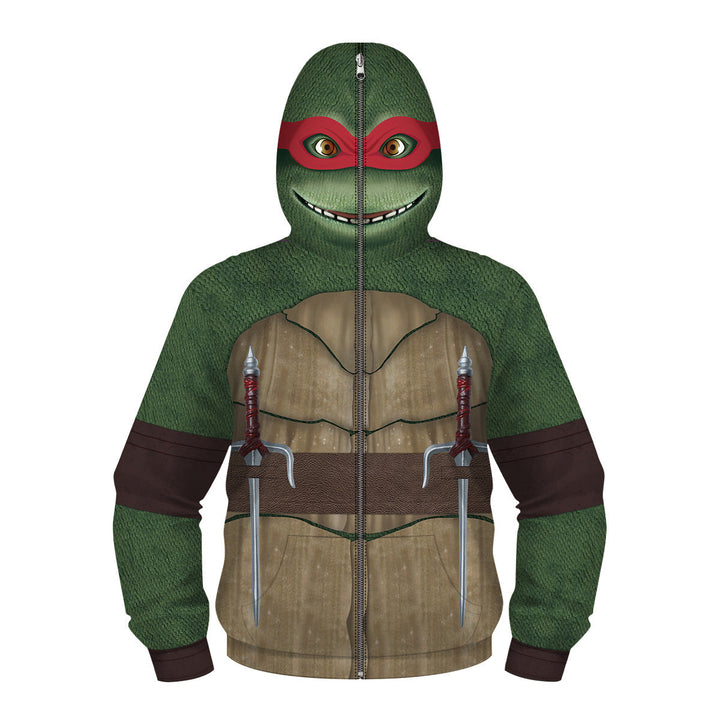
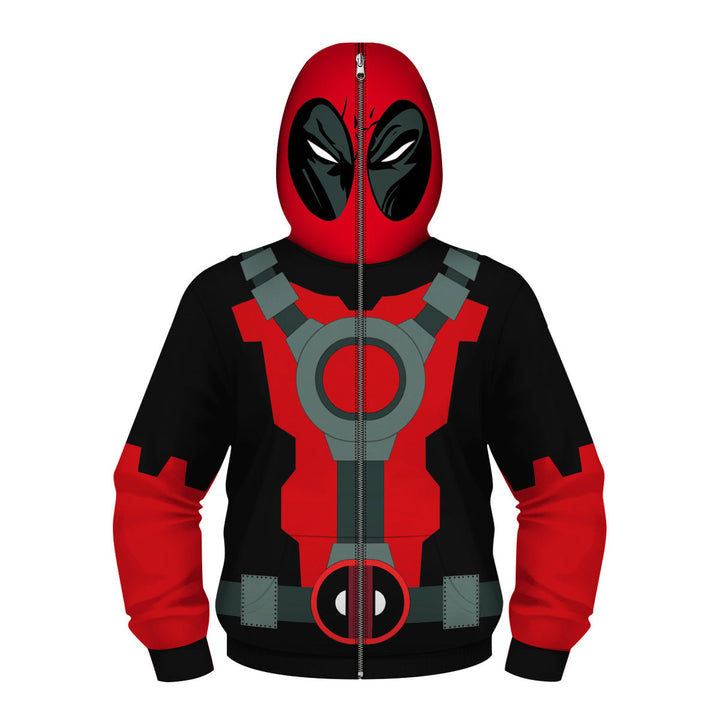
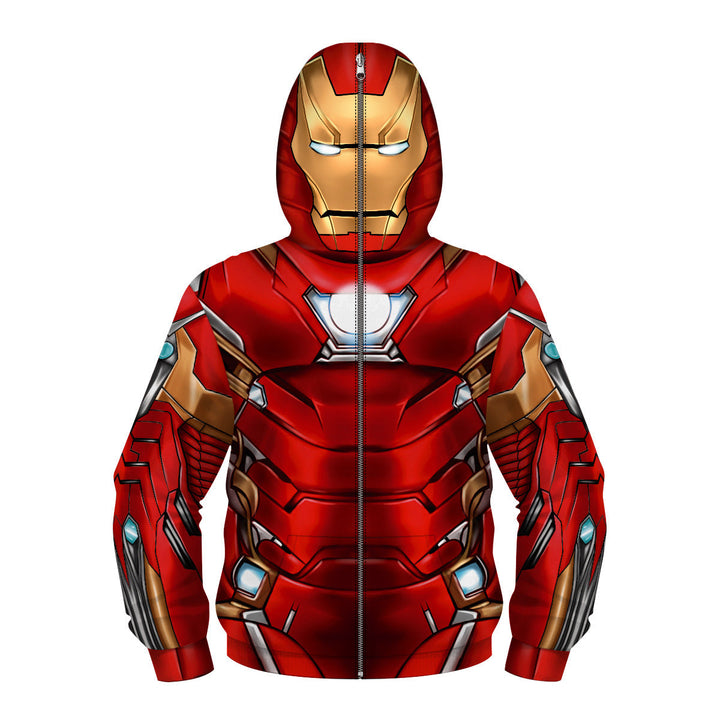


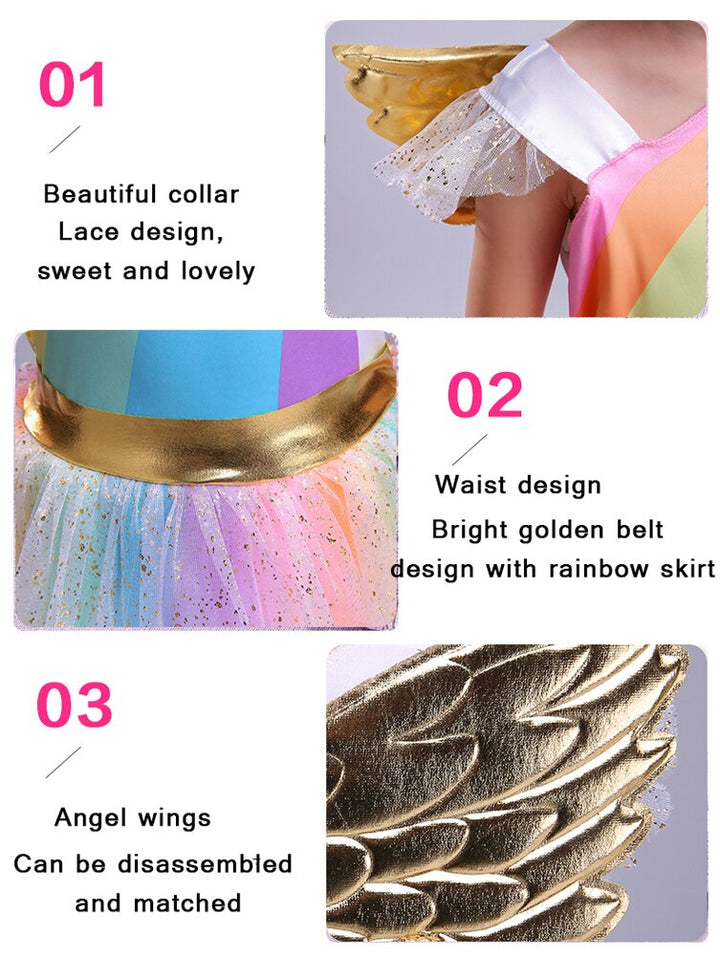
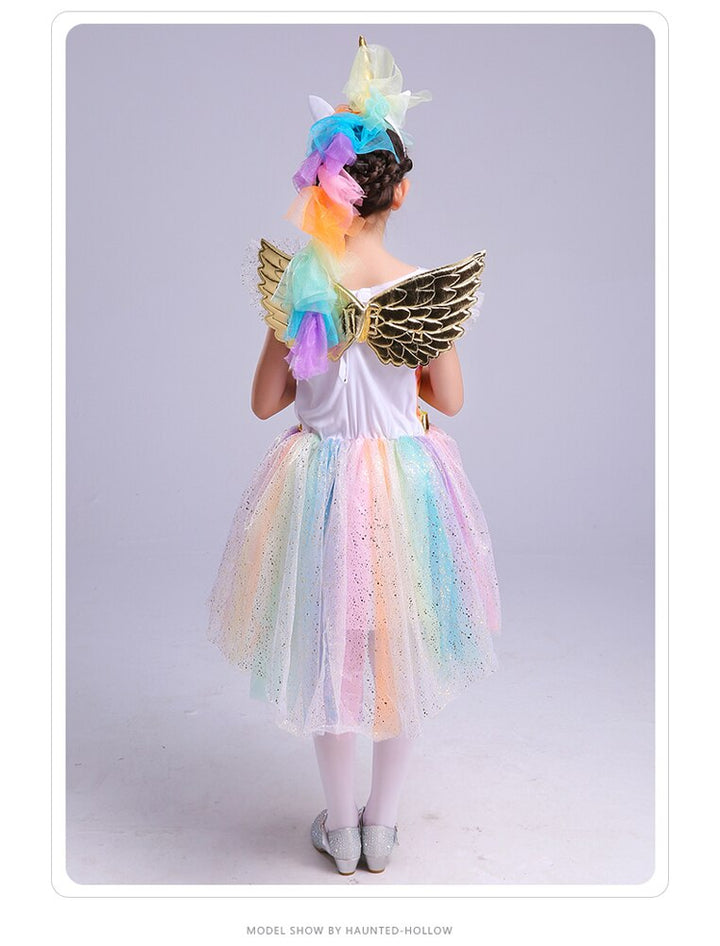

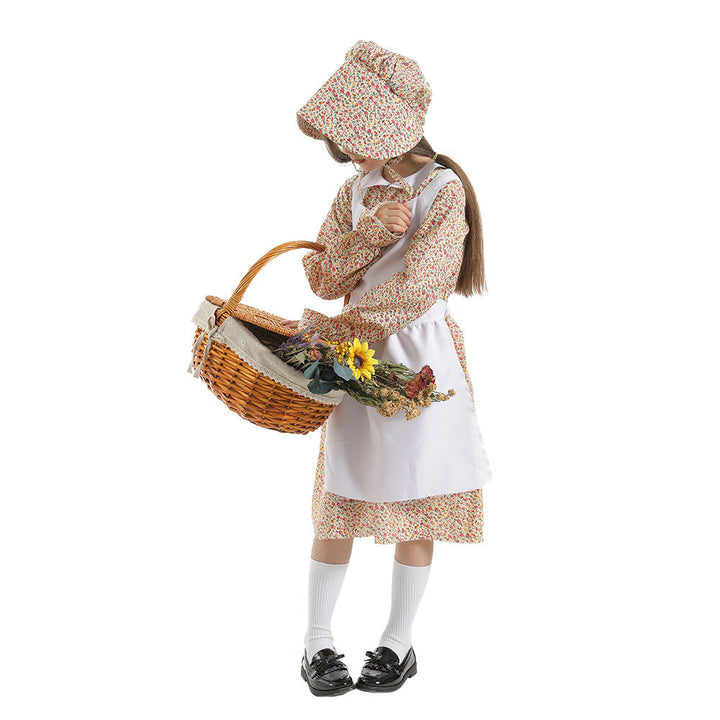





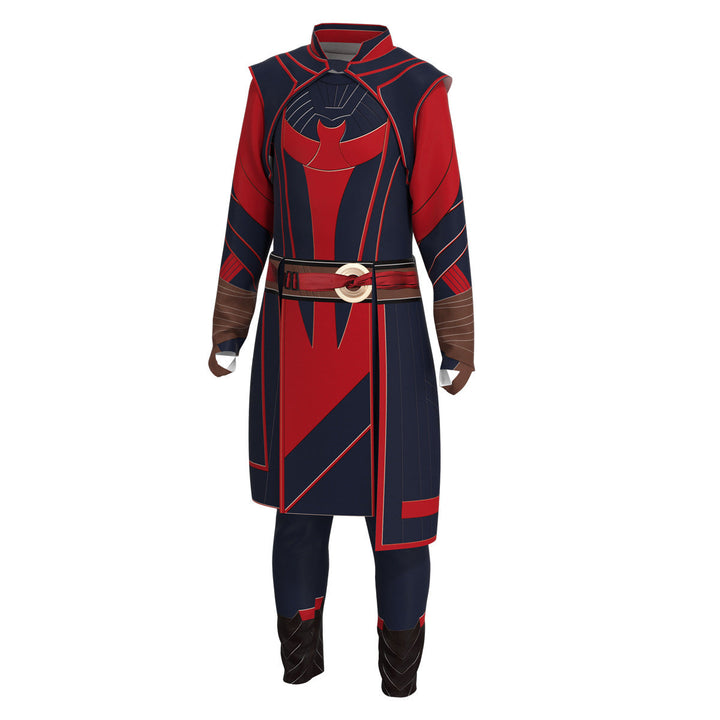
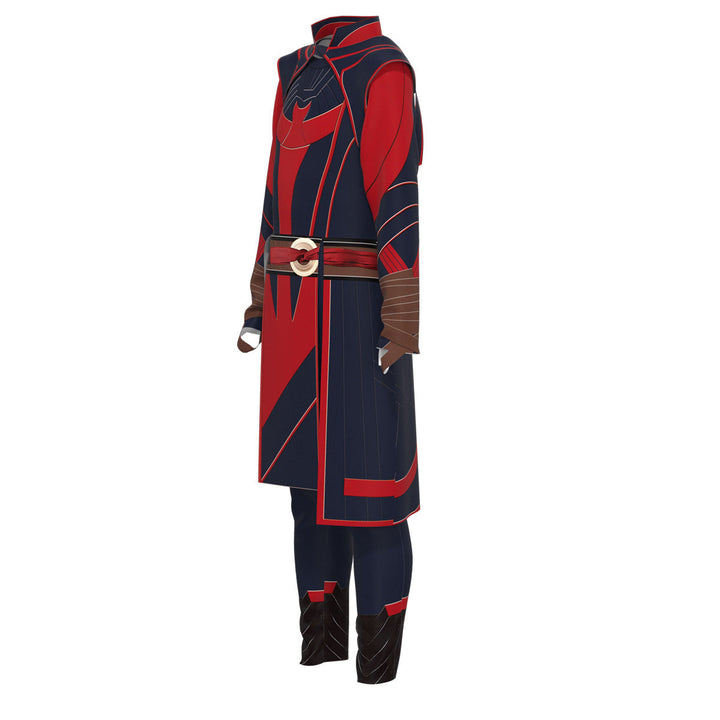
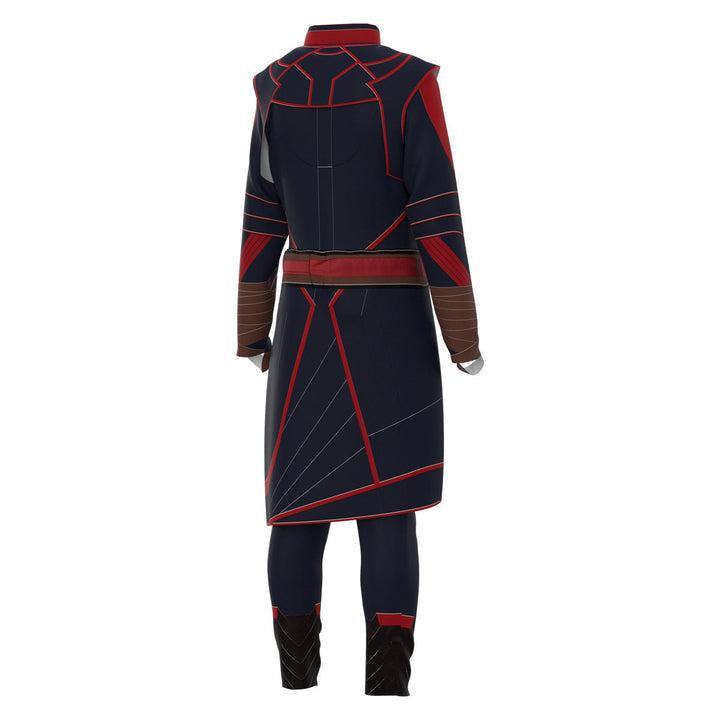

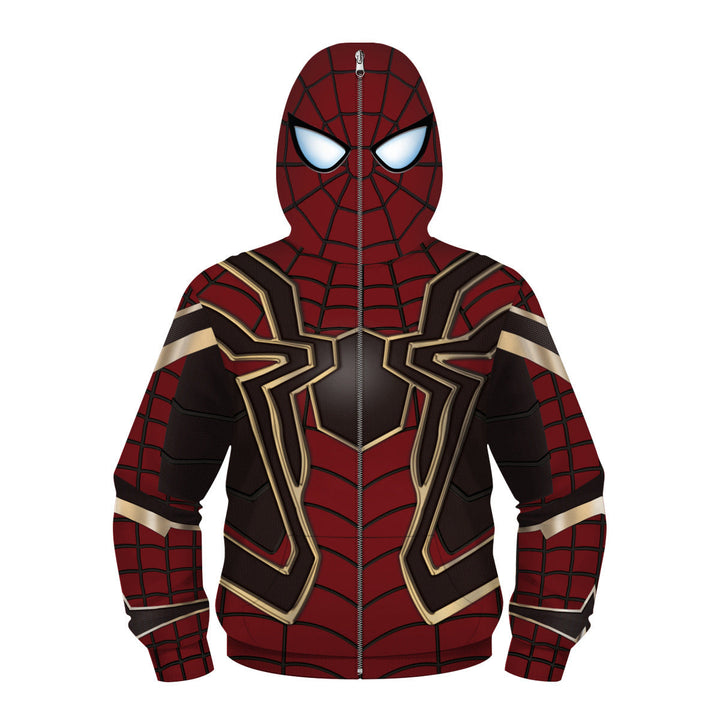
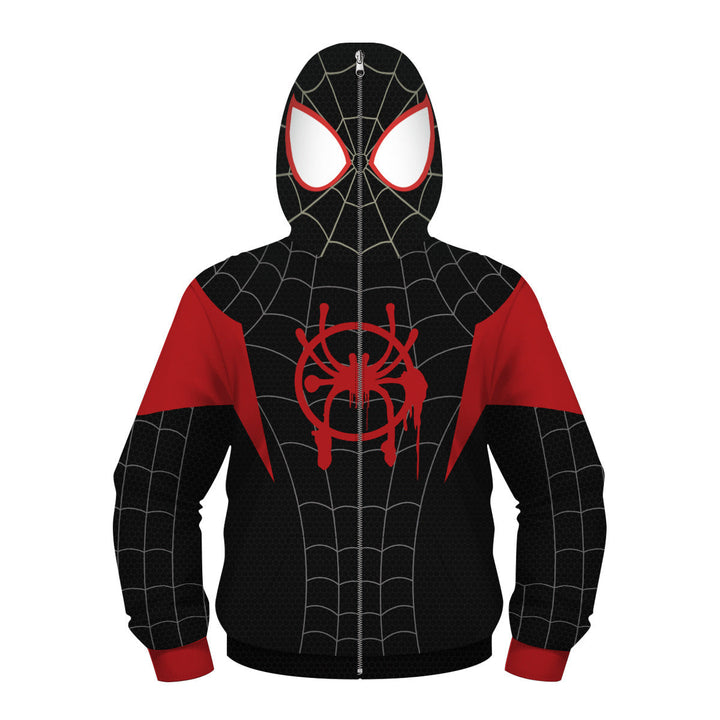
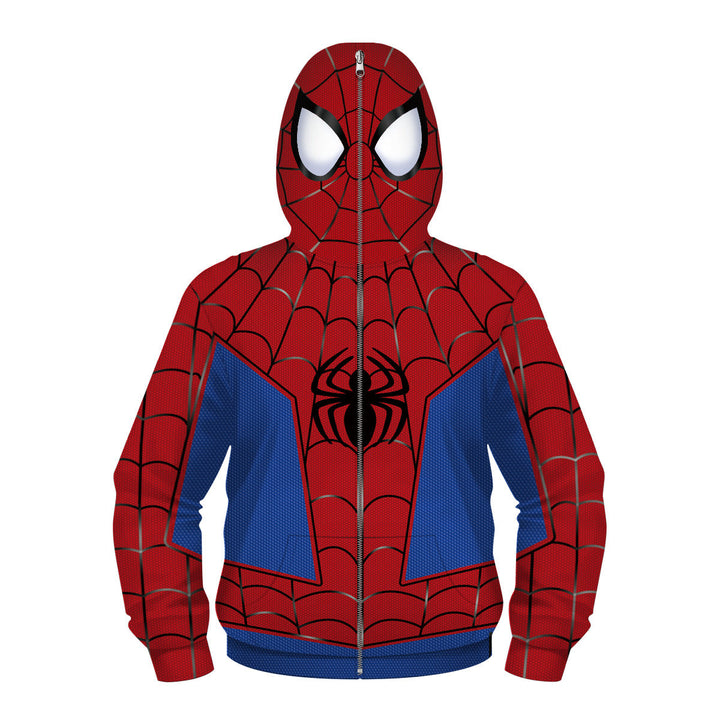

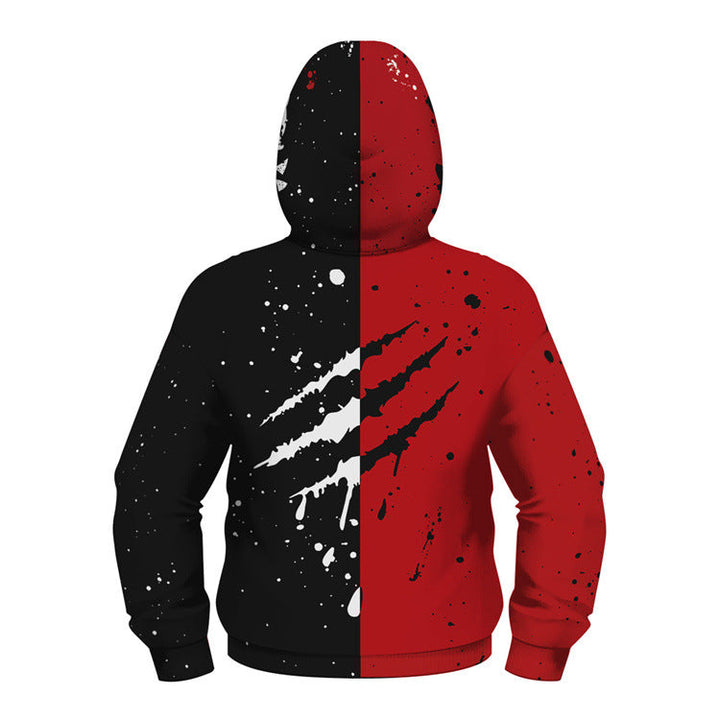
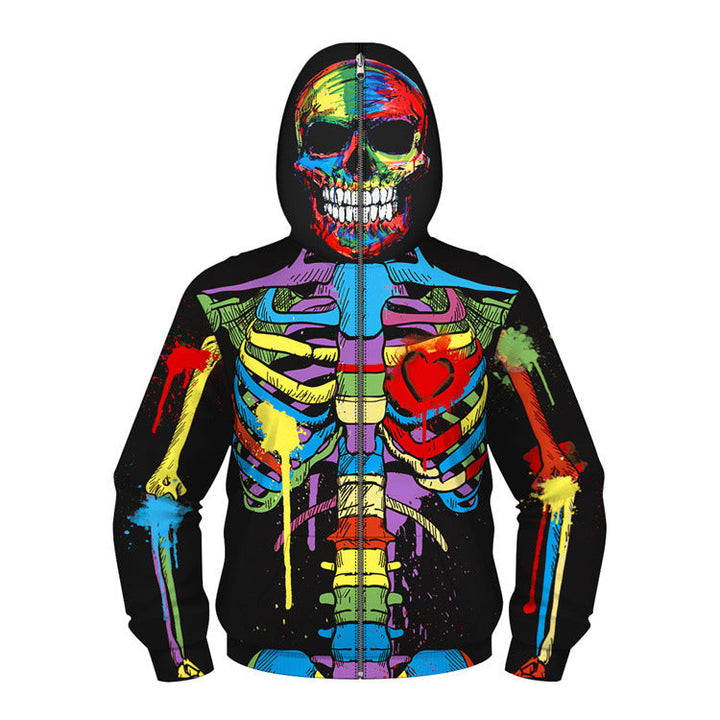
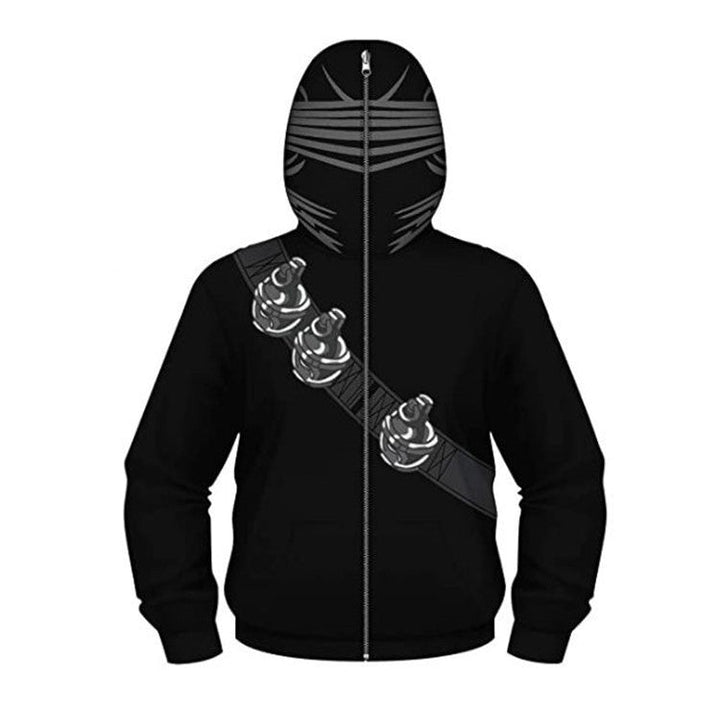





















Find imaginative outfits for dress-up, Halloween, school performances, group events, and everyday role-play in the Mother & Kids collection. From mermaid and unicorn dresses to character hoodies and complete superhero, doctor, lion, shark, and Dorothy costumes, choose a style that fits the activity, child, and expected amount of movement.
How to choose a kids costume for play or events
Start with the occasion. A shimmer-scale mermaid dress, rainbow unicorn dress with wings, or Dorothy four-piece set suits themed parties and make-believe play, while the shark and lion outfits work well for group performances, school activities, or animal-themed events. For character-inspired play, consider the Doctor Strange complete cosplay set, superhero hoodie, or wearable character hoodie. Check the size chart and compare garment measurements with clothing the child already wears. If the costume will be layered over clothes, allow extra room without choosing a size so large that the child trips or sleeves cover the hands. Also consider whether the child needs a full outfit, accessories, or something easy to put on independently.
What types of kids costumes are available?
The category includes several practical costume types. Dress-based outfits, such as the mermaid, unicorn, and Dorothy styles, create a recognizable look and are easy to pair with simple shoes. Animal costumes, including the shark and lion, are useful for group themes, performances, and energetic pretend play. The Doctor Strange set is suited to children who want a more detailed cosplay look, while the superhero and character hoodies offer a simpler option for repeated wear. Compare the amount of coverage, included pieces, and fastening style before buying. A multi-piece set may create a complete appearance straight from the package, while a hoodie can be more convenient for casual role-play and regular dressing-up.
What to look for in a mother and kids costume
Look for clear sizing, comfortable construction, and details that match the planned use. For dresses, check the hem length, shoulder fit, and whether wings or tails could catch on furniture or other children. For animal outfits, inspect the hood, sleeves, and leg openings to make sure the child can see, walk, and use their hands comfortably. For hoodies, consider the closure, hood shape, and whether the design works over a T-shirt. Review exactly what each listing includes: the Dorothy option is a four-piece set, the unicorn option includes wings, and other costumes may require separate shoes or accessories. Choose washable, easy-care options when the outfit will be used frequently.
How to use kids costumes for pretend play and performances
Before an event, let the child try the costume on indoors and practice walking, sitting, raising their arms, and removing any fasteners. Adjust or arrange wings, tails, hoods, and loose layers before leaving home. For stage or group performances, label removable pieces and keep accessories together in a small bag. A shark or lion costume can support an animal-themed group, while matching character styles can help children take on different roles. For everyday play, the superhero hoodie or character hoodie may be easier to wear with ordinary trousers and shoes. Supervise younger children around small detachable parts, long hems, and crowded spaces, and follow the care instructions so the costume is ready for the next activity.
Common mistakes when buying children’s costumes
One common mistake is choosing by age alone instead of checking the size chart and the child’s measurements. Another is overlooking the event setting: a long mermaid tail may be less practical for running games, while a hoodie may be better for repeated indoor play. Do not assume every pictured accessory is included; confirm the product description for wings, capes, hats, shoe covers, and other pieces. Avoid waiting until the event to test the fit, especially if the child will wear layers underneath. It is also easy to select a costume that looks impressive but restricts movement or visibility. Match the outfit to the child’s preferences, the activity, the weather, and how independently they can dress and manage it.
Who are these mother and kids costumes suited for?
This collection suits parents, relatives, teachers, and event organizers shopping for children’s dress-up clothing. Choose the mermaid, unicorn, or Dorothy outfit for fantasy themes, school celebrations, and imaginative home play. Pick the shark or lion costume for children joining group performances, animal projects, or playful role-based activities. The Doctor Strange set and superhero hoodie suit children who enjoy heroic stories, while the character hoodie offers a more casual way to continue pretend play beyond a single event. When choosing for siblings or groups, coordinate by theme rather than forcing identical outfits. A good choice reflects the child’s interests while leaving enough room for comfortable movement, easy supervision, and the practical demands of the occasion.
Frequently asked questions
What is the 7 7 7 rule for parents?
The 7-7-7 rule is commonly used online as a relationship routine: a date or dedicated couple time every seven days, an overnight or longer break at a longer interval, and a vacation or extended time together at a still longer interval. Versions differ, so it is not a fixed parenting standard. For family shopping, the useful takeaway is to plan activities that fit your household’s schedule and choose costumes that can be used for both special events and ordinary play.
Which sibling is usually the favorite?
There is no universal sibling who is usually the favorite. Adults may connect differently with each child at different times, but fair treatment does not require identical gifts or identical costumes. When shopping, consider each child’s interests and needs, then use coordinated themes such as animals, fantasy characters, or superheroes if the children want a group look.
What is a type C mom?
“Type C mom” is an informal internet label rather than a consistent parenting category. People may use it to describe a mother who prefers structure, careful planning, and predictable routines, but the meaning varies by source. Costume shopping can suit this approach by checking measurements early, confirming included pieces, and planning outfits around the event.
What does a mother do for her children?
A mother may care for, guide, encourage, listen to, and support her children in ways that vary by family. Everyday responsibilities can include organizing activities, helping children explore interests, and choosing practical clothing for school, play, or events. A costume can be one small way to support imaginative play and shared family experiences.
What are 20 qualities of a good mother?
Lists vary, but commonly valued qualities include patience, care, honesty, consistency, listening, encouragement, flexibility, responsibility, empathy, respect, reliability, curiosity, calm communication, organization, playfulness, fairness, support, openness to learning, healthy boundaries, and affection. No parent needs to display every quality perfectly. For children’s products, practical care means choosing an outfit that fits the child, suits the activity, and allows comfortable movement.
What is the hardest age to be a mom?
There is no single hardest age because each stage brings different responsibilities and challenges. Infancy, early childhood, school years, and adolescence can all require different kinds of time, patience, and support. When selecting children’s costumes, focus on the child’s current abilities, such as whether they can manage fasteners, walk safely in the outfit, and tolerate layers or accessories.