
$40.90
Free delivery · 7–14 days
LED Nail Light Therapy Device — Clear Yellow Nails at Home


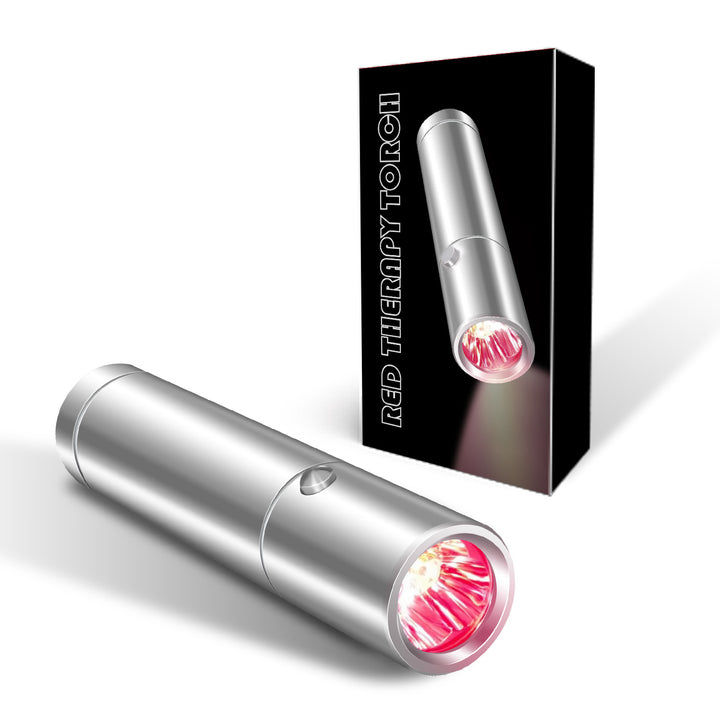


Light therapy devices use selected light wavelengths, heat, massage, or low-level laser features for targeted at-home routines. This category includes red and infrared options for face and body, a nasal and ear canal device, a nail-focused LED device, and a warming massage belt, so the best choice depends on your intended area, preferred format, and comfort with setup.
Start with the area and routine you want to support. For facial use, the 98-Bead LED Light Therapy Mask offers a hands-free format with four wavelengths and a 10-minute routine. For targeted handheld use, the Red Light Therapy Flashlight is easier to direct at a small area. The Gua Sha Cupping Therapy Device combines red light, heat, and LCD controls with a massage-style design. If you want a device for the nose or ear canal, choose the dedicated Nasal Irrigator with Infrared Light Therapy or the 650nm Laser Therapy Device rather than adapting a face device. Also compare charging, controls, treatment time, cleaning needs, and whether you prefer a mask, handheld tool, or wearable belt.
Red light devices are commonly chosen for face and body routines, while infrared light therapy devices are designed for users seeking a different wavelength range or a targeted format. The LED mask is suited to a repeatable facial routine, and the clinical-grade anti-aging flashlight provides a portable, focused option. The Gua Sha device adds heat and massage-style movement. The nasal irrigator pairs irrigation with infrared light, while the 650nm laser device is shaped for nasal and ear canal use. The LED Nail Light Therapy Device is a specialized choice for clear yellow nails at home. A rechargeable heating massage waist belt is not a light device, but it may suit shoppers who mainly want warmth and massage around the waist.
Treat “medical-grade,” “clinical-grade,” and “FDA approved” as terms to verify rather than assume from a product title. Check the listing and manufacturer documentation for the exact intended use, wavelength information, included accessories, operating instructions, and any regulatory clearance that applies to that specific model. A device can be well made without being cleared for every use a shopper may have in mind. Look for clear controls, consistent contact or positioning guidance, an automatic timer where provided, and a format you can use regularly. For a stronger red light therapy at home search, compare the flashlight and LED mask by coverage and convenience instead of relying only on marketing language.
Read the device instructions before the first session, including guidance on positioning, duration, cleaning, charging, and eye protection. Use the 98-Bead LED Light Therapy Mask only as directed and keep its surface clean between facial routines. Direct the Red Light Therapy Flashlight or Gua Sha Cupping Therapy Device only toward the areas specified in its instructions; do not improvise use inside the nose or ear. The nasal irrigator and 650nm device require especially careful attention to their intended placement and cleaning steps. Keep the LED Nail Light Therapy Device limited to its nail-focused use. Stop if the device feels uncomfortably hot or causes irritation, and ask a qualified healthcare professional if you have condition-specific concerns.
One common mistake is choosing a device by wavelength or “strongest” wording alone. Coverage, positioning, comfort, timer controls, and the area you want to treat matter just as much. Another is expecting one product to serve the face, nails, nose, ears, and body equally well; these products have different shapes and intended uses. Do not assume infrared and red light are interchangeable, or that a warming massage belt provides the same type of light-based routine. Avoid using a facial mask on a specialized area, and do not skip cleaning instructions for devices that contact skin or handle water. Finally, check regulatory wording carefully instead of treating an online “FDA approved” search result as proof for every model.
These devices suit shoppers who want a structured at-home routine and can follow product-specific instructions consistently. The LED mask is a practical format for facial routines, while the flashlight works for shoppers who want a portable, targeted tool. The Gua Sha device may appeal to anyone who prefers combining light with heat and massage-style handling. The nail device is intended for a focused nail routine, and the nasal products are designed around their named areas rather than general use. Older adults can consider these products if the format is comfortable and the instructions are clear, but age alone does not determine whether a device is appropriate. Consult a healthcare professional before use if you have a relevant medical condition, take light-sensitive medication, or have concerns about a specific body area.
The best device depends on the area and routine you want. Choose the 98-Bead LED Light Therapy Mask for a hands-free facial format, the Red Light Therapy Flashlight for targeted handheld use, or the Gua Sha Cupping Therapy Device if you prefer red light with heat and massage-style handling.
Results and suitability depend on the device, intended use, routine, and individual factors, so no single product works the same way for everyone. Follow the instructions, avoid making uses not listed for the device, and discuss condition-specific expectations with a qualified healthcare professional.
For general comparison, five options in this category are the 98-Bead LED Light Therapy Mask, Red Light Therapy Flashlight, Gua Sha Cupping Therapy Device, Nasal Irrigator with Infrared Light Therapy, and 650nm Laser Therapy Device. They are not interchangeable: each has a different format, target area, and intended routine.
A facial device with a comfortable, repeatable routine may be the easiest option to use consistently. The 98-Bead LED Light Therapy Mask is designed for facial use, while the Red Light Therapy Flashlight offers more targeted handling; compare comfort, instructions, and coverage rather than choosing by age-related marketing claims.
Age alone cannot determine whether a red light device is suitable or what results an individual may experience. A 70-year-old user should review the intended use and safety instructions and ask a healthcare professional about personal conditions, medications, skin sensitivity, and eye-safety considerations.
Potential downsides include the time needed for repeated routines, device cost, limited coverage with handheld models, and the need to follow cleaning and eye-safety instructions. Some users may also find heat, contact, or a wearable format uncomfortable; stop using a device if it causes irritation or discomfort.