$89.90
Free delivery · 7–14 days
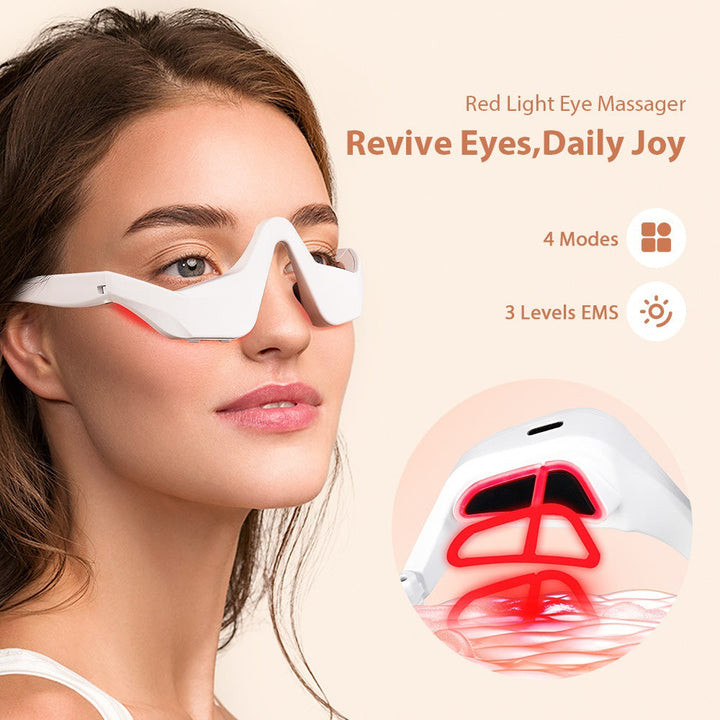
Eye Massager — Red Light & EMS Therapy for Dark Circles
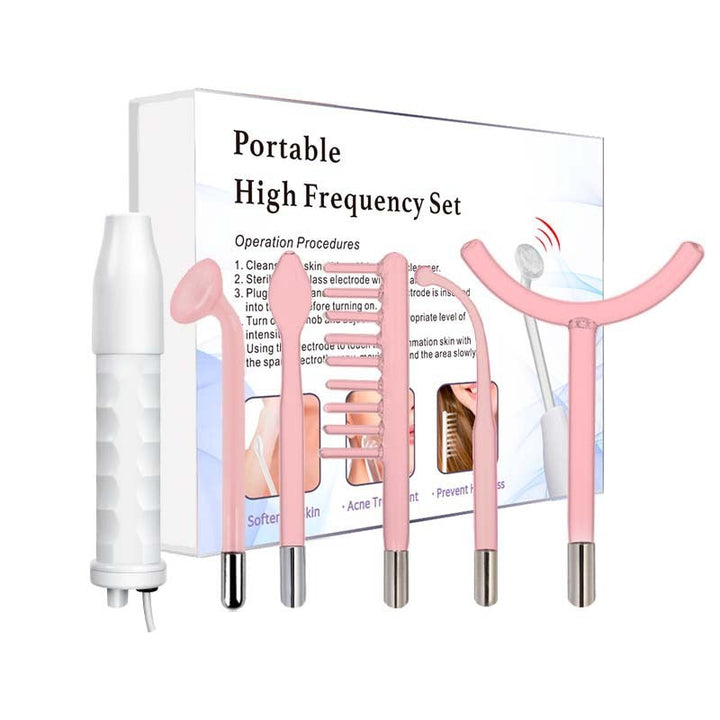
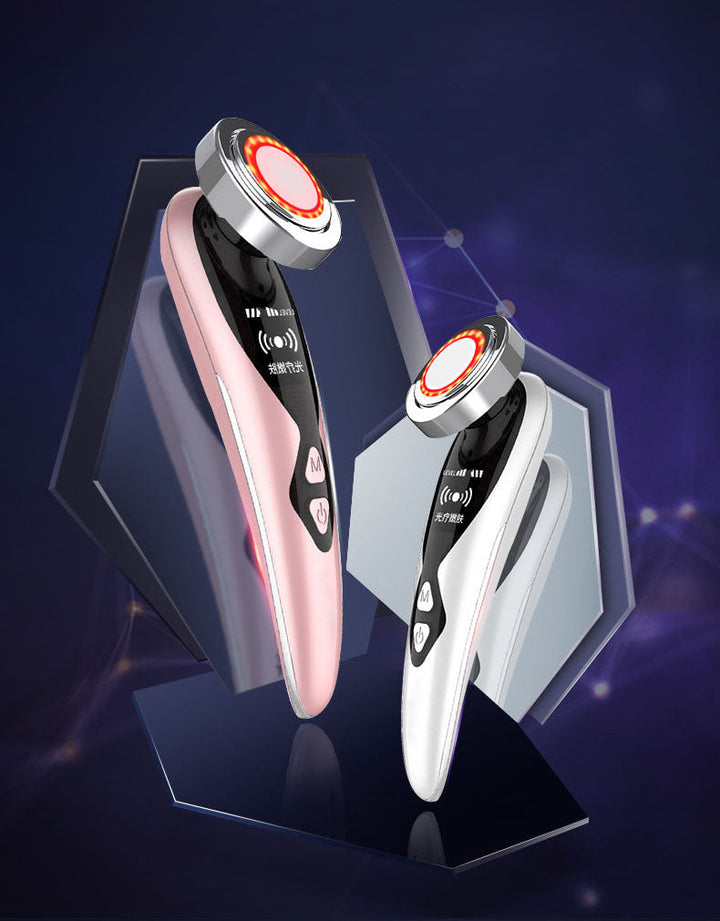


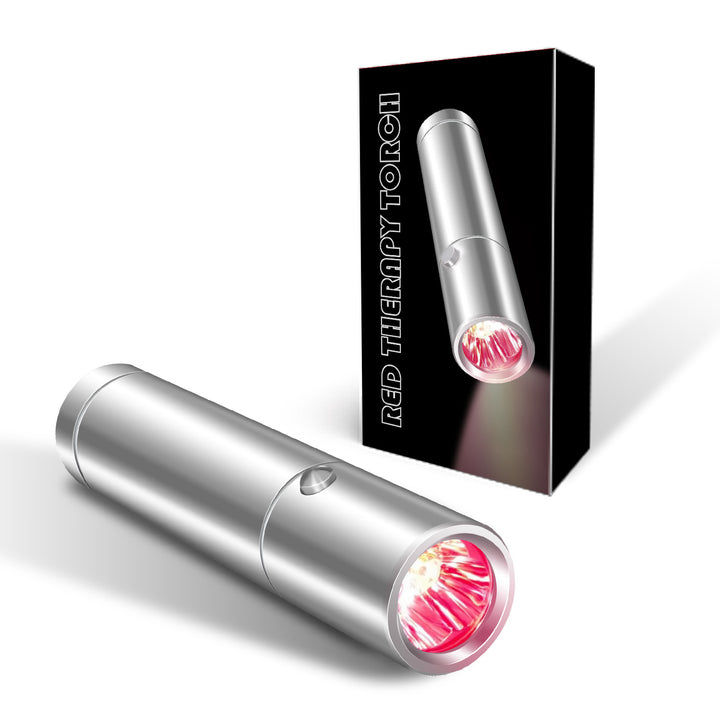

Laser therapy and low-level red light devices use targeted light for at-home skincare, hair-care routines, relaxation, or temporary comfort around muscles and joints. This category includes handheld wands, facial and eye massagers, heat and EMS tools, portable pain-focused devices, and a 650nm nasal and ear canal device, so compare the intended use, light type, controls, and safety guidance before buying.
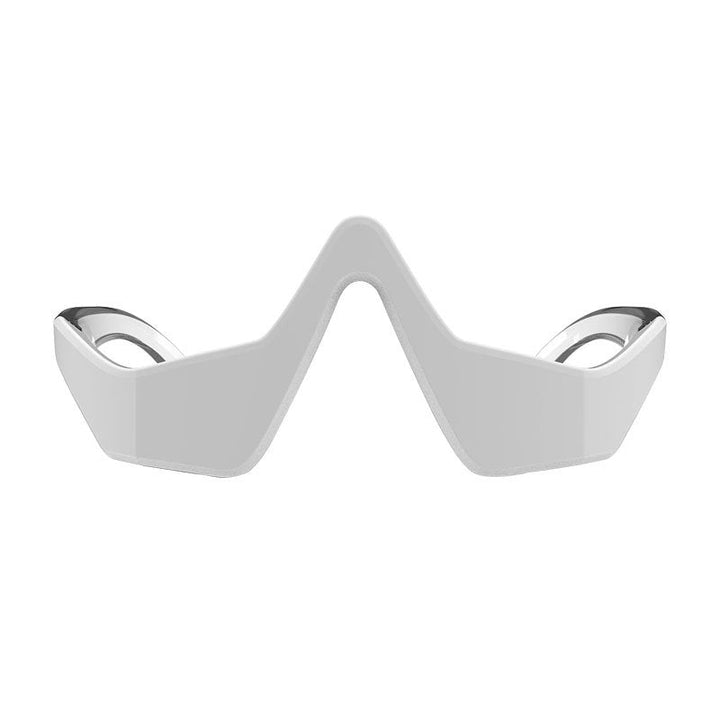
Start with the area and routine you want to support. For facial care, choose the Facial Massager with Red Light Therapy, Red Light Therapy Wand, or Red Light Therapy Flashlight. For the eye area, look at the Red Light Therapy Eye Massager or Eye Massager with Red Light and EMS. If your priority is muscle comfort, a Portable Pain Relief & Muscle device is more relevant than a facial tool. The Gua Sha Cupping Therapy Device adds heat, massage, and an LCD display. The 650nm Laser Therapy Device is designed for nasal and ear canal use, so it requires especially careful attention to its instructions. Check charging, controls, treatment area, included accessories, and whether the shape is easy to hold.
Red light therapy commonly refers to LED-based devices that spread light across a broader treatment area, while laser therapy uses a more focused beam. A red light wand or flashlight can be practical for moving across facial skin, hair areas, or selected body areas. A laser therapy device may suit shoppers who want a more targeted format for a specific location. Product names can use these terms differently, so read the specifications and instructions rather than relying on the title alone. If you are comparing laser therapy face products with laser therapy for pain devices, remember that their shape, intended area, controls, and safety directions may differ. Do not use a device near the eyes, inside the ear, or in the nose unless it is specifically designed and instructed for that location.
Compare wavelength information, output details when provided, treatment modes, timer settings, and the recommended distance or contact method. For face and skin routines, a comfortable grip and a treatment head that can follow contours are useful. For hair-focused routines, check whether the product instructions identify scalp or hair use rather than assuming a facial device is suitable. Eye massagers should have a clear eye-area design and straightforward controls; EMS and heat are additional features, not substitutes for reading the manual. For a portable pain device, consider size, battery or charging method, and whether you can reach the intended area easily. Look for clear cleaning, storage, and eye-safety instructions, and avoid products whose directions do not explain their intended use.
Read the device instructions before the first session and start with clean, dry skin unless the manual says otherwise. Remove makeup, creams, and accessories that could interfere with contact or light exposure. Use the stated mode, placement, distance, and session schedule; more time or stronger settings are not automatically better. Keep the device away from children, protect the eyes as directed, and never look into a laser beam. Clean a facial or massage head after use according to its care instructions, then store the device dry and charged as recommended. For nasal, ear canal, or eye-area products, follow the specific positioning guidance exactly and stop if you experience discomfort. These devices are for personal-use routines, not a replacement for professional diagnosis or treatment.
A common mistake is buying based only on the phrase laser therapy, without checking whether the product is intended for the face, skin, hair, muscles, eyes, or nasal and ear canal areas. Do not assume a red light flashlight has the same use as a targeted laser device. Avoid shining light toward the eyes, using a nasal or ear product in an unlisted location, or sharing a device without cleaning it as directed. Do not combine heat, EMS, massage, and light modes unless the instructions allow it. Keep a consistent routine instead of repeatedly extending sessions, and stop when the device becomes hot, damaged, or uncomfortable. If you have a condition, take light-sensitive medication, or are unsure about safe use, ask a qualified healthcare professional before purchasing or using a device.
These products may suit shoppers who want a convenient light-based addition to a personal skincare, hair-care, massage, or relaxation routine. Facial massagers and wands are aimed at people who prefer handheld control, while eye massagers are shaped for the eye area and may add massage or EMS. A portable pain-focused device may appeal to people seeking targeted, temporary comfort as part of a broader routine, but it should not be treated as a diagnosis or cure. The nasal and ear canal model is for shoppers specifically looking for that form factor and able to follow its instructions carefully. Consider another option or seek professional advice if you cannot follow eye-safety directions, have concerns about light sensitivity, or need treatment for an unresolved symptom.
A laser therapy device delivers focused light to a selected area, while red light devices commonly use broader LED illumination. At home, products in this category are designed for routines involving facial skin, hair areas, eye-area massage, muscle comfort, or nasal and ear canal use, depending on the model. The result and suitable use depend on the device design and its instructions.
The cost varies by device type, light technology, treatment area, included features, and construction. A simple handheld red light tool may differ in price from a device that combines massage, heat, EMS, a display, or a specialized nasal and ear canal design. Compare the intended use and included functions rather than choosing by price alone.
At-home light devices require regular use, careful positioning, and attention to eye and skin safety. Some models cover only a small area, while combination features can make controls more complicated. Discontinue use if the device causes discomfort, and check with a qualified healthcare professional if you have light sensitivity, use light-sensitive medication, or have concerns about a symptom.
Effectiveness depends on the device, its intended use, correct operation, and consistent use. Product descriptions should not be treated as a guarantee of a particular cosmetic or comfort result. Review the specifications and instructions, choose a device made for your target area, and seek professional advice for persistent or unexplained concerns.
A session length and recommended schedule vary by product, so follow the manual rather than applying one routine to every device. Battery duration also differs between models and depends on the selected mode. Results or perceived comfort are not guaranteed to last for a fixed period, and ongoing use should remain within the instructions.
Neither is universally better; the right choice depends on the area and routine. Red light LED devices generally suit broader facial or body coverage, while a laser format may be preferable for more targeted use. Compare the intended application, wavelength information, safety directions, controls, and comfort before choosing.