
$79.90
Free delivery · 7–14 days
Sonic LED Facial Brush — Clearer Skin with Tri-Light Therapy


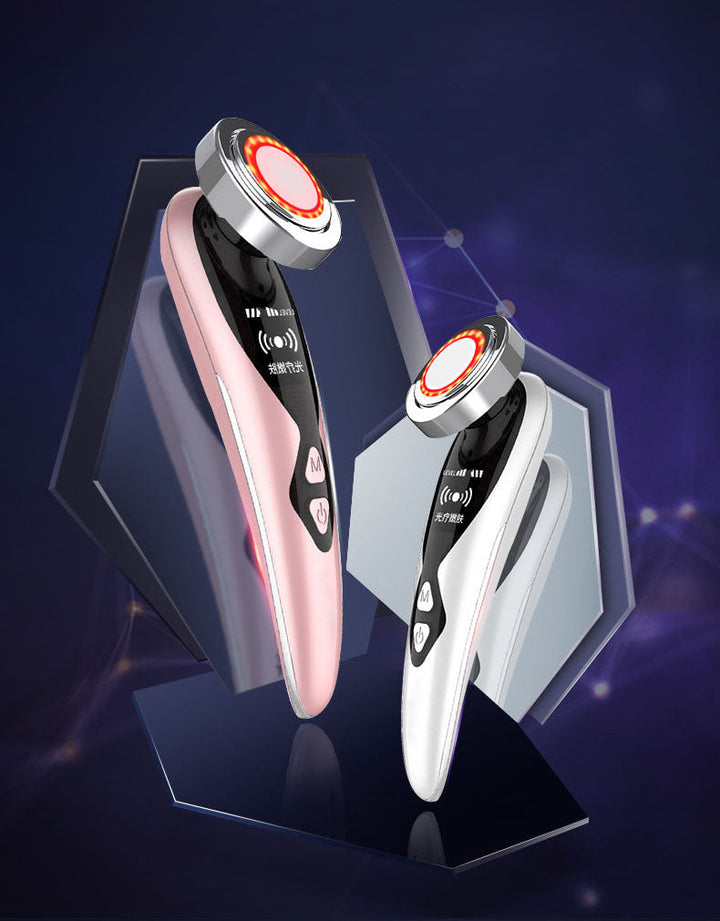
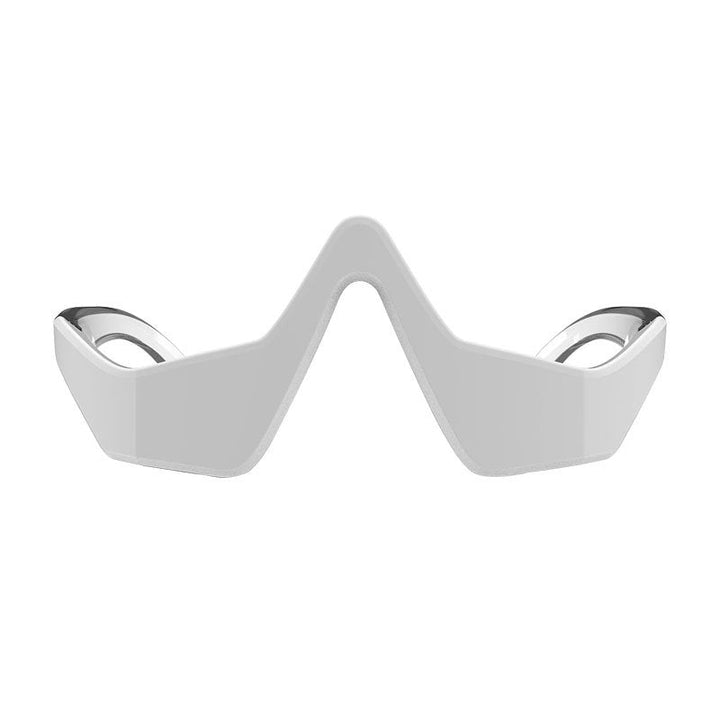
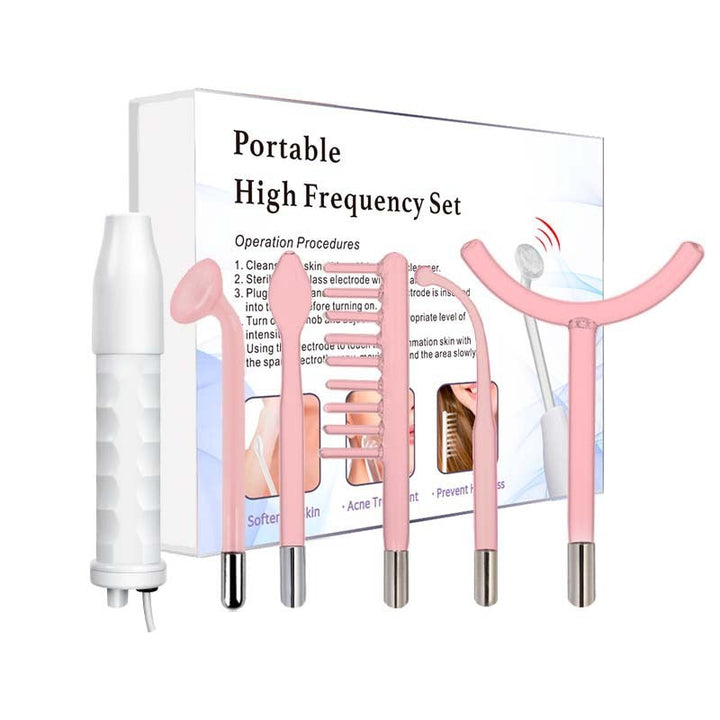
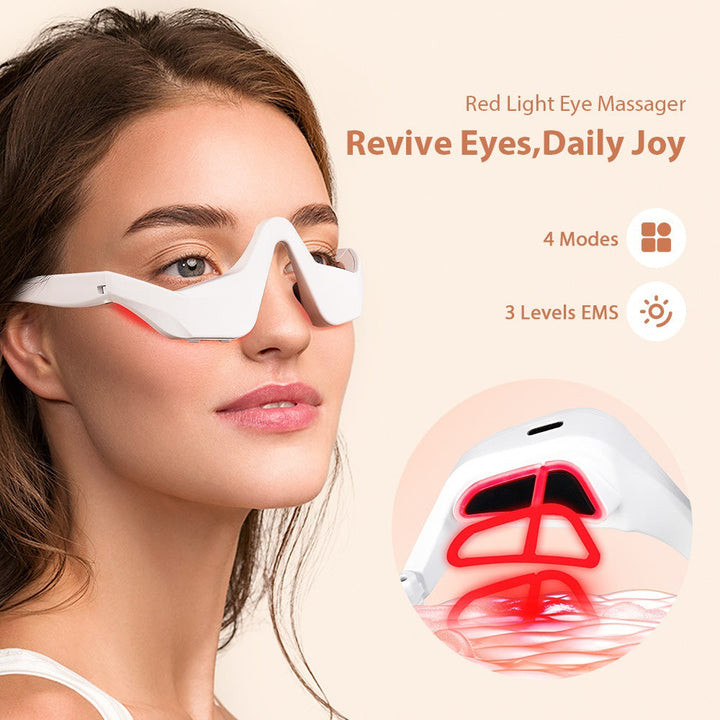


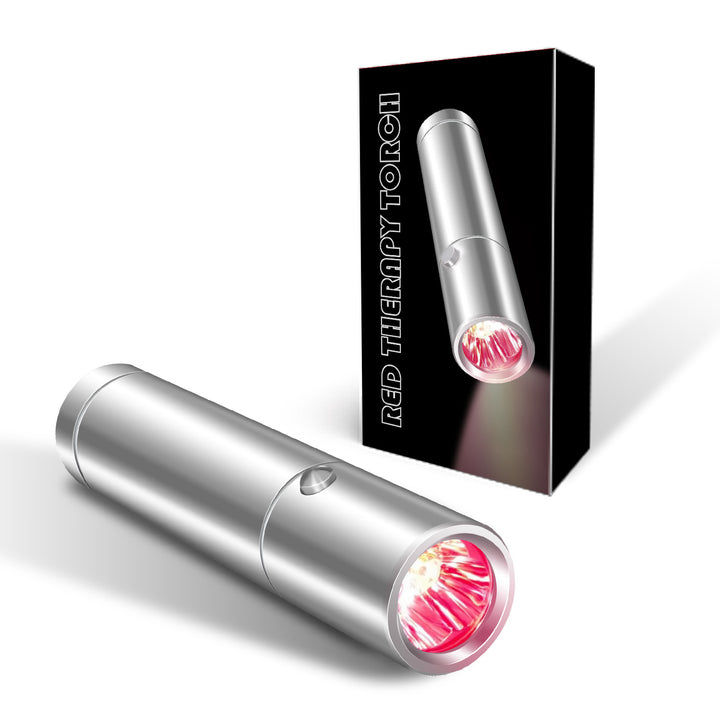


Light therapy devices bring LED-based skincare routines into the home, from hands-free masks to targeted wands, eye massagers, belts, and cleansing tools. Use this guide to compare light therapy colors, device formats, comfort features, and practical routines before choosing a product.
Start with the area you want to treat and the routine you will realistically follow. A full LED light therapy mask covers much of the face, while a neck and face device extends coverage below the jaw. A chin V-Line belt is more targeted, and a red light therapy wand lets you work on smaller areas or around facial contours. Choose a facial brush or cleansing brush if you want light therapy combined with cleansing, heat, or massage. For tired-looking eyes, select an eye massager designed for that area. Check the product instructions for session length, charging method, cleaning requirements, and whether protective eyewear is advised. A comfortable device used consistently is usually a better fit than a feature-heavy option you rarely use.
Consumer LED devices commonly use red, near-infrared, blue, green, and amber or yellow light, although the exact color selection varies by product. Red and near-infrared modes are often chosen for a general appearance-focused skincare routine. Blue is commonly included in multi-color devices, while green, amber, or yellow modes provide additional options for customized routines. A seven-color LED light therapy chart can be useful for comparing a device’s modes, but color names alone do not tell you how a product will feel or perform. Review the actual controls, coverage, eye-safety guidance, and intended use. Some products offer tri-light therapy, while others focus on red light only. Select the format and features that match your skin routine rather than choosing the most colors.
Look beyond the phrase light therapy benefits and compare practical specifications. A flexible silicone mask may sit differently from a rigid mask, so check how it fastens and whether the weight feels manageable for your routine. Look for clearly labeled modes, simple controls, a rechargeable power source, and an easy-to-clean surface. If you prefer multitasking, a hands-free mask or neck-and-face lifting device may suit you better than a handheld wand. For targeted use, consider an eye massager, chin belt, or facial massager with red light. Product pages should explain recommended use, cleaning, storage, and any precautions. Avoid assuming that more LEDs, more colors, or a longer session is automatically better. Follow the supplied instructions and choose a device you can use comfortably and consistently.
Begin with clean, dry skin unless the product instructions say otherwise. Remove makeup and skincare residue that could interfere with contact or make the device harder to clean. Position a mask, belt, eye massager, or facial device as directed, and use the selected mode for the stated session time. With a wand, move methodically across the intended area rather than holding it in one place longer than recommended. Do not improvise by increasing intensity, combining multiple devices, or extending sessions. Afterward, clean the device according to its care instructions and apply your usual skincare products if suitable for your routine. Keep a simple schedule so you can judge comfort and consistency over time. Stop if you experience discomfort and review the safety guidance before using the device again.
A common mistake is choosing a device by color count alone. A three-color facial brush may be more useful to you than a seven-color mask if it fits your cleansing routine and is easy to handle. Another mistake is using a device on unclean skin, sharing it without cleaning, or storing it while damp. Avoid wearing a mask, belt, or eye massager in a way that presses uncomfortably or blocks your vision. Do not treat product wording such as firmer-looking skin or a brighter appearance as a guarantee; results and experiences vary. Follow the recommended schedule instead of assuming that a ten-minute session is suitable for every model. Finally, check the contraindications and precautions, especially if you use photosensitizing products or have a light-sensitive condition.
At-home LED devices may suit adults who want to add an appearance-focused skincare step and prefer different formats, including masks, wands, brushes, massagers, and targeted belts. They can also suit shoppers who value a hands-free routine or want to combine light with cleansing, heat, or massage. Light therapy is not suitable for everyone. Read the product safety information before use, and ask a healthcare professional if you have a condition affected by light, take medication that increases light sensitivity, have an eye condition, or are unsure whether the device is appropriate. Use extra care around the eyes and follow any eyewear guidance. These products are cosmetic home devices, not replacements for professional diagnosis or treatment. Choose a model with clear instructions and return it if it causes persistent discomfort.
In consumer LED skincare devices, the five commonly discussed light colors are red, near-infrared, blue, green, and amber or yellow. Products differ in which colors they include and how they label their modes, so check the individual product instructions rather than relying on a general chart.
Anyone with a light-sensitive condition, an eye condition, or medication use that increases sensitivity to light should review the safety information and ask a healthcare professional before use. Follow the device instructions, use eye protection when advised, and stop if the device causes pain or unusual irritation.
At-home LED light therapy is commonly used as an appearance-focused skincare step. Depending on the device, shoppers may use it as part of routines focused on a more radiant-looking complexion, firmer-looking skin, or targeted areas such as the face, neck, chin, and eye area.
Results depend on the device, its instructions, your routine, and individual factors, so outcomes are not guaranteed. Look for clear usage guidance and realistic product descriptions, then use the device consistently as directed rather than judging it after one session.
Possible drawbacks include the time needed for regular sessions, discomfort from a poor fit, eye sensitivity, device cleaning, charging, and the cost of purchasing a home unit. Some people may also be unsuitable because of light sensitivity or medication, so review precautions before buying.
Ten minutes may be the recommended session length for some devices, but it is not a universal standard. Check the specific product instructions and do not extend sessions or increase use without guidance. Consistency and correct positioning matter more than assuming a longer session is better.