
$39.90
Free delivery · 7–14 days
Cold Compress Head Mask for Cooling Headache Relief

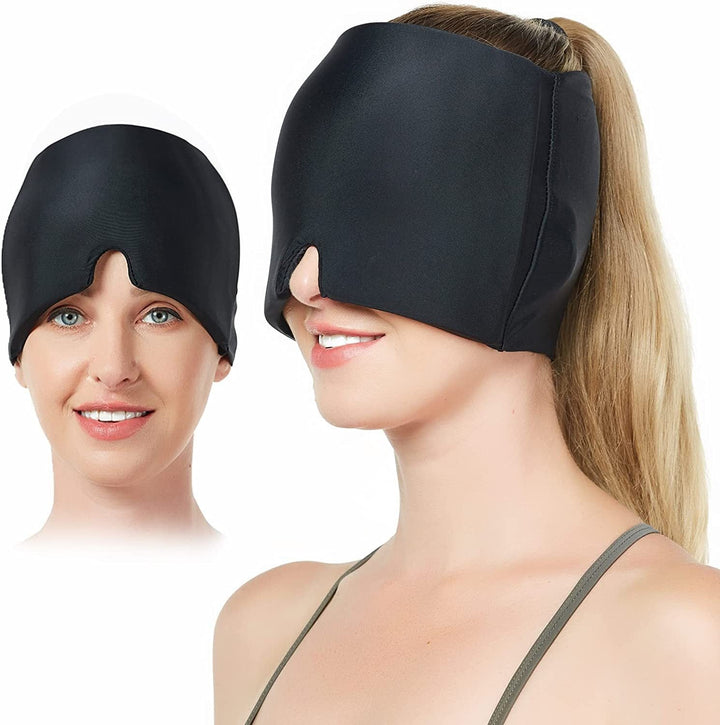


Cold therapy products offer practical ways to apply cooling at home for temporary comfort after everyday strain, exercise, or episodes of head, neck, joint, and foot discomfort. This category includes reusable gel packs, hands-free migraine caps, eye masks, dual hot/cold compresses, and targeted products for facial care and foot massage.
Start with the area you want to cool and how much hands-free convenience you need. A migraine relief hat or cold compress head mask covers the head without requiring you to hold a pack, while a cooling gel eye mask is shaped for the eye area. For shoulders, knees, or feet, choose a larger gel compress, knee ice gel pack, or foot massager with a hot-and-cold setting. Look for reusable designs if you expect frequent use, and check whether the product can be chilled, heated, or used only cold. If you are searching for cold therapy at home, consider storage space, fastening style, cleaning instructions, and whether the product can stay comfortably in place while you rest.
Gel packs provide flexible, targeted cooling for areas such as the knee, shoulder, neck, or foot. A dual-zone migraine hat distributes cooling around the head and leaves your hands free, while a head mask offers broad coverage for the forehead and scalp area. Eye masks are smaller and designed for the area around the eyes. Dual hot/cold products, including the shoulder and neck compress and foot massager, can be selected according to your preferred temperature approach. A facial cleansing tool combines cleansing with hot-and-cold functions for a skincare routine rather than focused joint or headache support. The gout ointment is a topical option and is not the same as a reusable cold therapy gel pack.
Check the pack’s shape, coverage, flexibility, closure, and intended use before buying. A knee ice gel pack with compression can be useful when you want a wraparound fit, while a shoulder and neck compress should contour around a broader, curved area. For head discomfort, compare a cap or mask with an eye mask based on the coverage you prefer. Reusable gel products should have clear instructions for chilling, warming where permitted, and cleaning the outer cover. Avoid choosing solely by the phrase cold therapy pain relief: comfort depends on fit, temperature, pressure, and personal preference. If you need a product to travel with, consider whether it remains manageable in a cooler bag and whether its fastening system can be adjusted.
Read the product instructions first, then prepare the item using the recommended chilling method. Place a reusable gel pack, head mask, eye mask, or migraine hat over clean, dry skin and position it so the cooling surface feels comfortable rather than excessively cold. Use the product only for the instructed period, check your skin during use, and remove it if you notice unusual discomfort, irritation, or excessive numbness. Do not sleep while wearing a product unless its instructions specifically allow it. Keep gel packs away from sharp objects, inspect them for leaks, and clean the exterior as directed. For a cold therapy machine, follow that device’s separate setup and safety guidance rather than treating it like a simple gel pack.
A common mistake is placing a very cold product directly on skin without checking the instructions or monitoring comfort. Another is tightening a compression pack, migraine cap, or neck wrap too much, which can make the product uncomfortable and may reduce the benefit of its adjustable design. Do not heat a gel product unless it is clearly labeled for hot therapy, and never use a damaged or leaking pack. Avoid assuming that one format suits every area: an eye mask, knee pack, and head cap serve different coverage needs. People also often confuse topical products with cold therapy products; ointment should be used only as directed on its label. If symptoms are severe, persistent, or concerning, seek advice from a qualified healthcare professional.
Cold therapy products may suit adults looking for a convenient cooling option after activity or for temporary comfort around the head, eyes, neck, shoulders, knees, or feet. Choose the design around your routine: a hands-free hat works while resting, a wrap supports targeted placement, and a foot massager adds a larger-area format. People with sensitive skin, reduced sensation, circulation concerns, or an injury should ask a healthcare professional whether cold exposure is appropriate before use. Children should use these products only with suitable supervision and according to the instructions. Cold therapy near me may be useful when you need an in-person option, but reusable cold therapy products can provide a simple alternative for home storage and repeated use.
Cold therapy cools the skin and the area beneath it, which may provide temporary comfort and a numbing sensation. People commonly use cold packs, caps, and wraps after everyday activity or for head, neck, eye, and joint discomfort. Follow the product instructions and stop if the skin becomes painful, unusually numb, or irritated.
Ice has not been universally ruled out, but direct ice can be too cold and may irritate or damage skin when used improperly. Reusable gel packs and purpose-designed cold therapy products offer a more controlled, comfortable format when used according to their instructions. Ask a healthcare professional for guidance if you are managing an injury or medical condition.
Chill a suitable gel pack, cap, mask, or compress as directed, then place it on clean skin for the instructed duration. Keep the fit comfortable, check your skin during use, and do not use a damaged pack or fall asleep wearing it unless the instructions specifically permit that. Remove it if you experience significant discomfort, irritation, or excessive numbness.
The preferred option can depend on the person, the joint, and the type or timing of discomfort. Some people prefer cooling for temporary comfort, while others find warmth more comfortable for stiffness. A dual hot/cold shoulder, neck, or foot product lets you choose the approach permitted by its instructions; ask a healthcare professional for personal advice.
There is no single worst enemy that applies to every type of arthritis or every person. Factors such as overuse, inactivity, poor sleep, stress, or weather-related changes may affect comfort differently, but they are not universal rules. For persistent or worsening joint symptoms, consult a qualified healthcare professional rather than relying on a product alone.
Vicks VapoRub is a branded topical product and is not included in this category. Topical ointments may create a cooling or warming sensation, but that sensation is not the same as applying cold therapy with a gel pack. Use any ointment only according to its label and ask a healthcare professional about ongoing joint symptoms.