Foot Care & Pedicure Tools – Callus Removers for Feet162 items
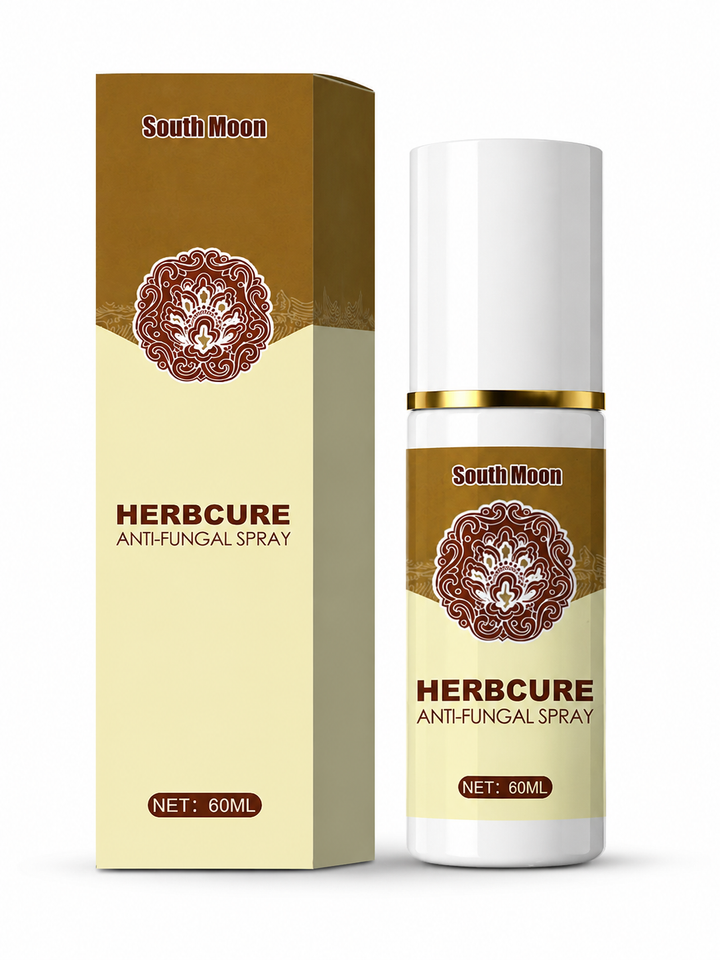
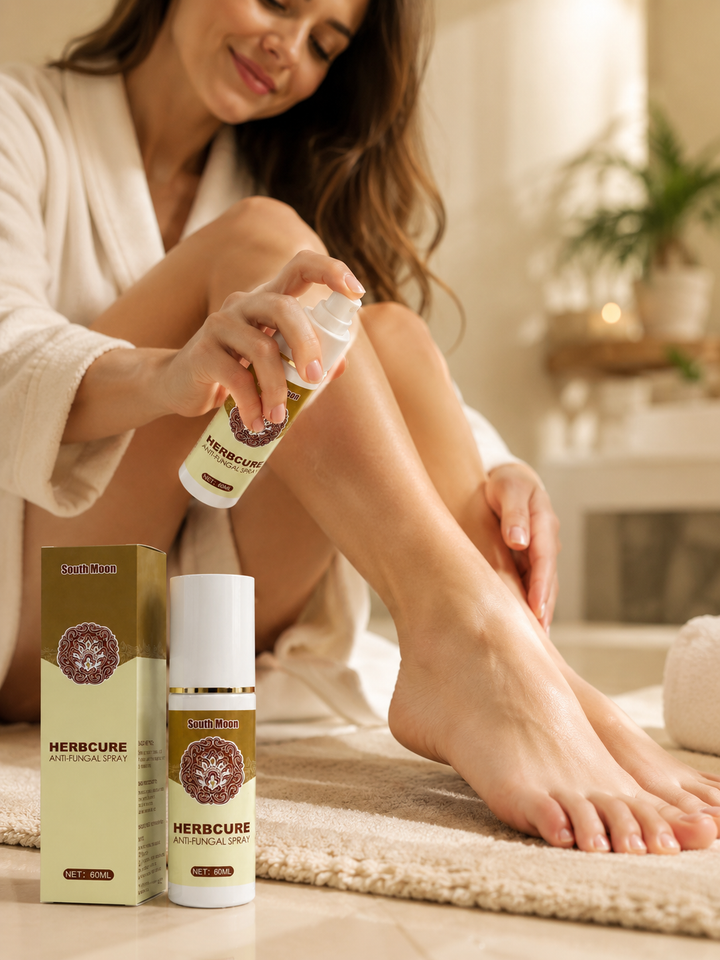
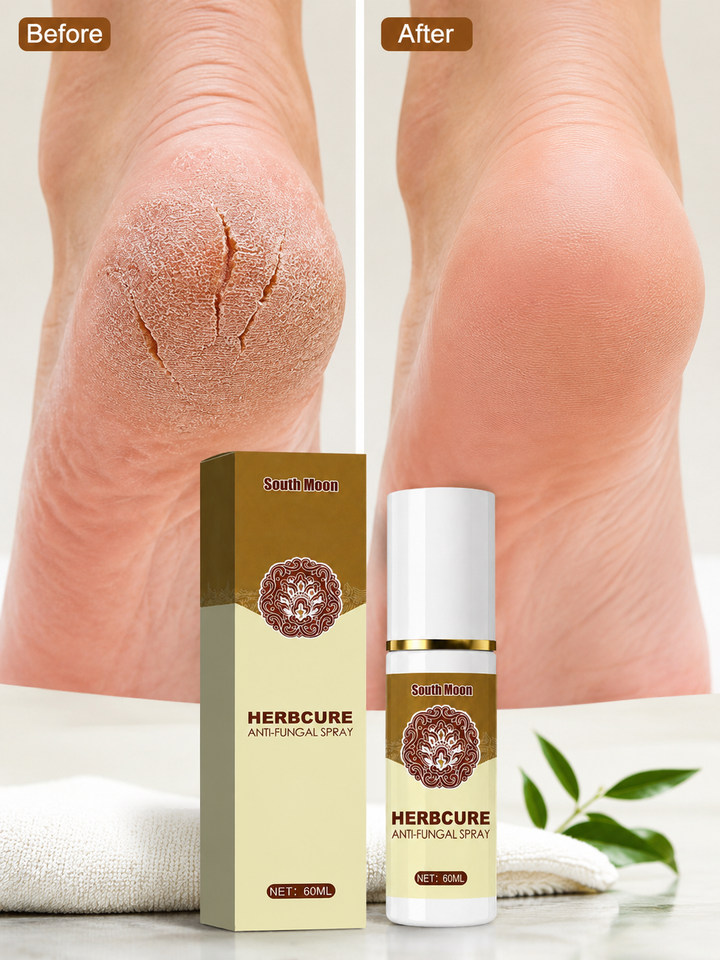
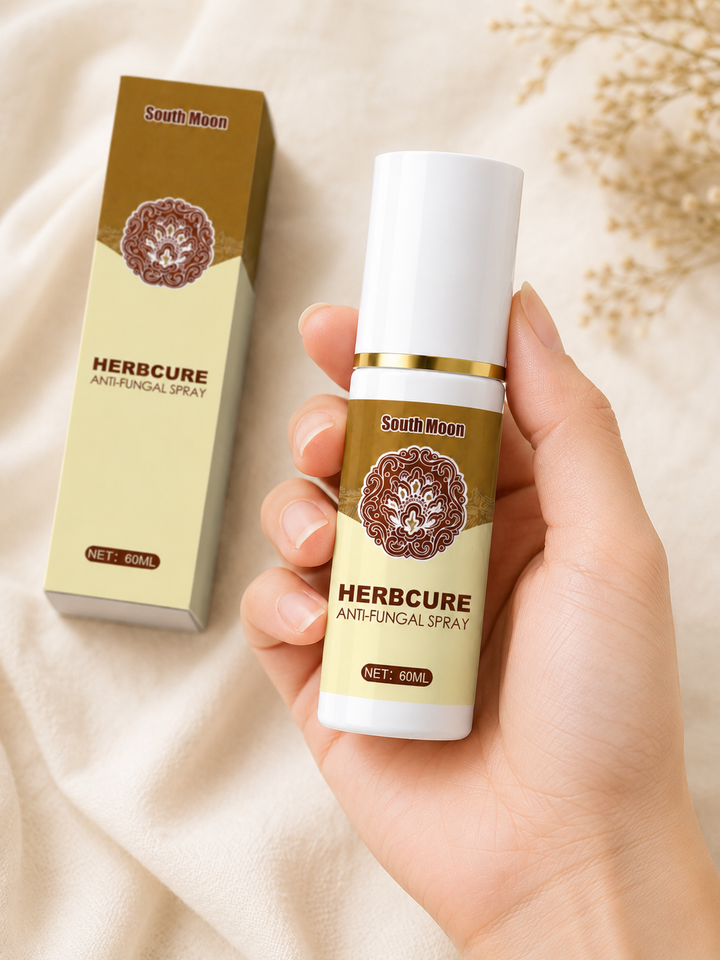

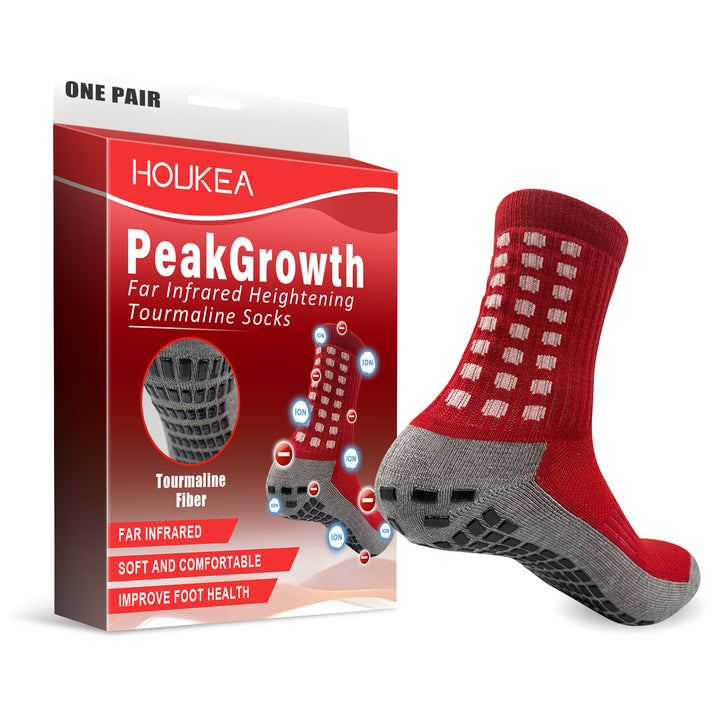

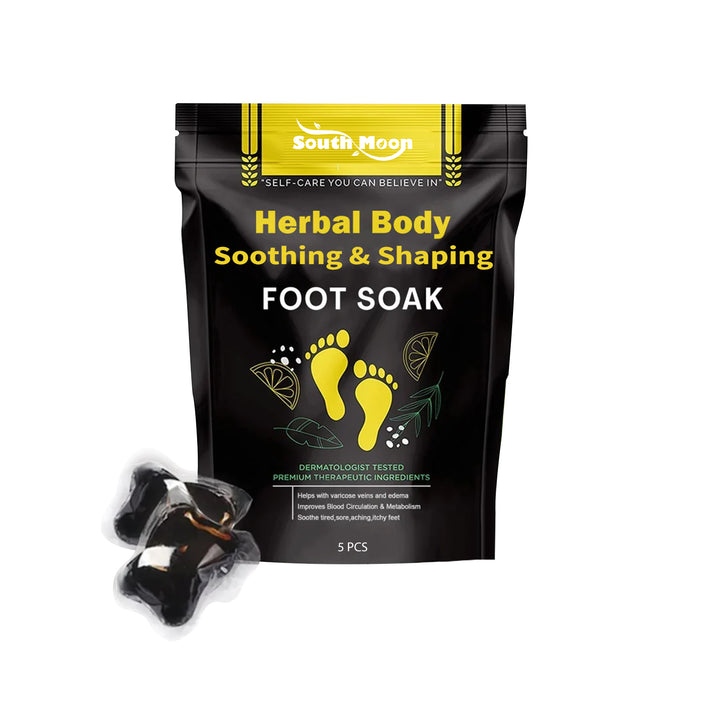


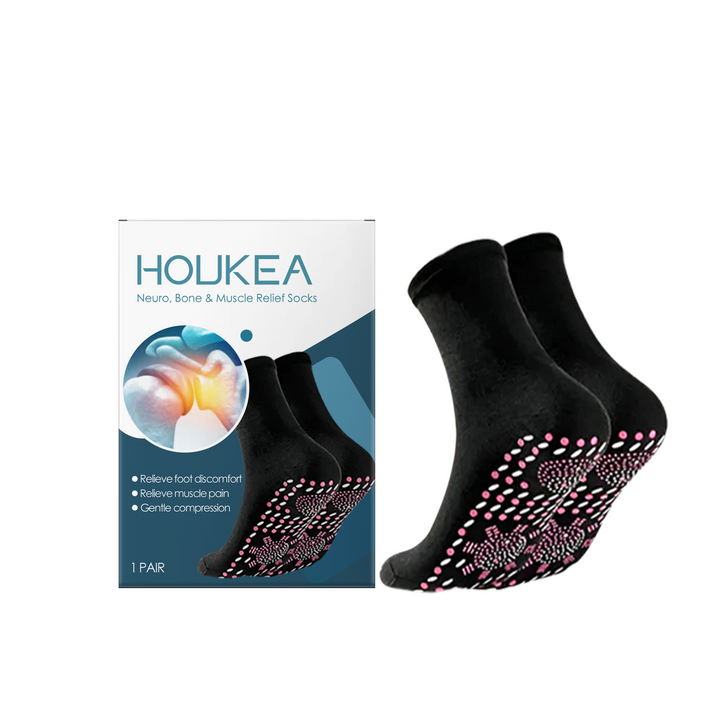
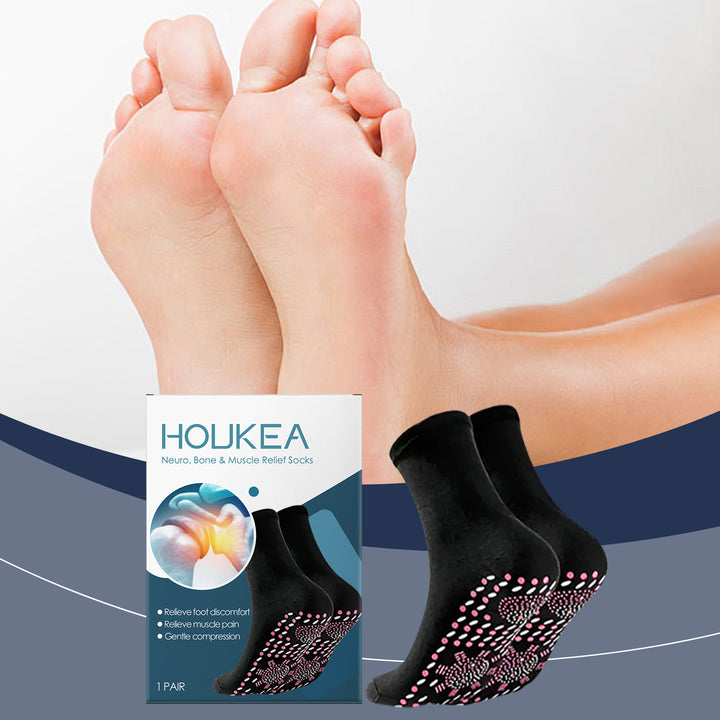
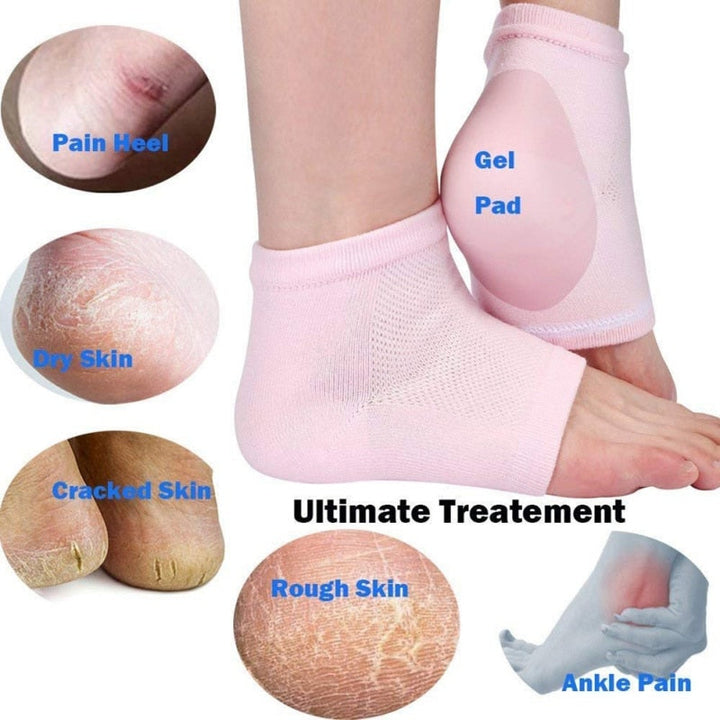
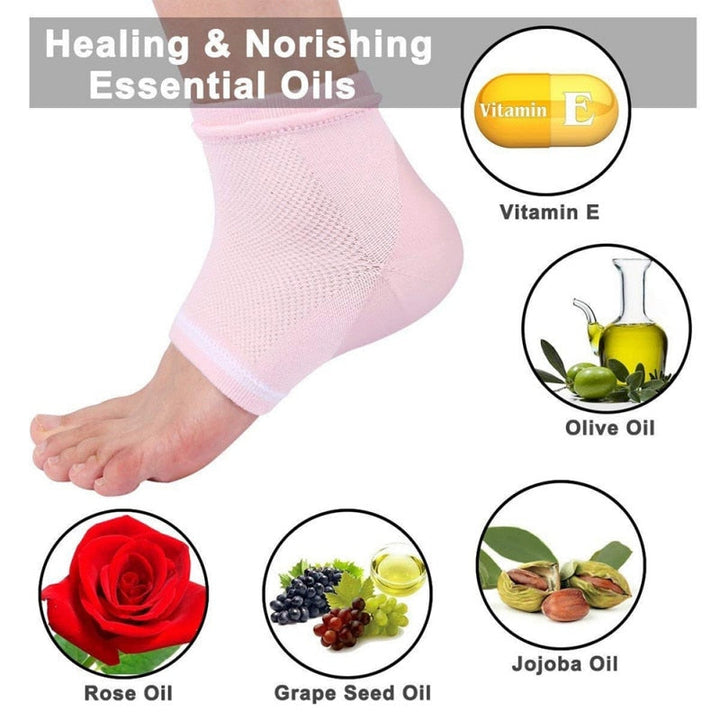
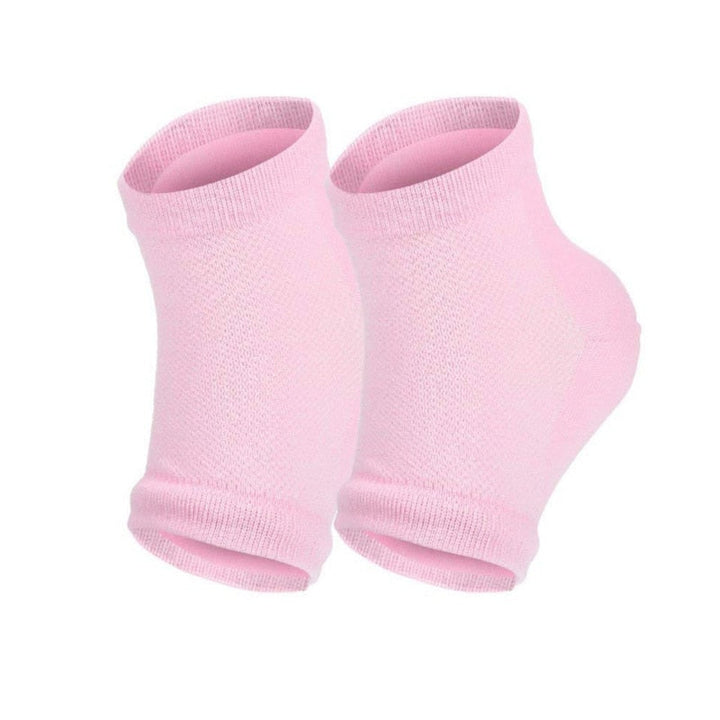
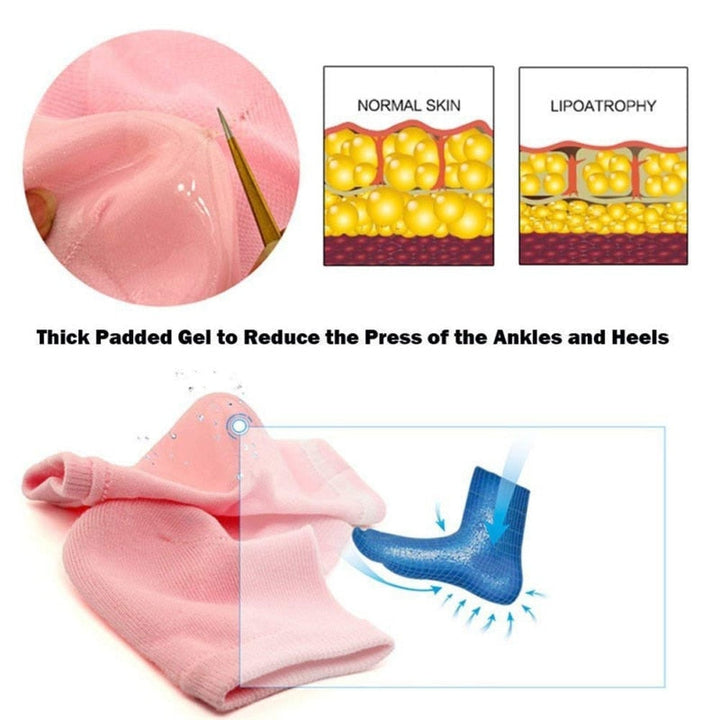
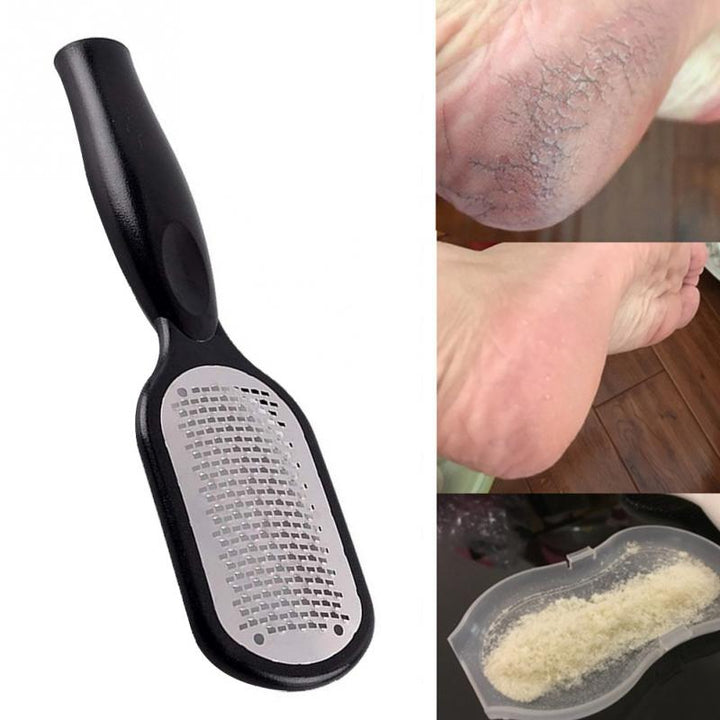
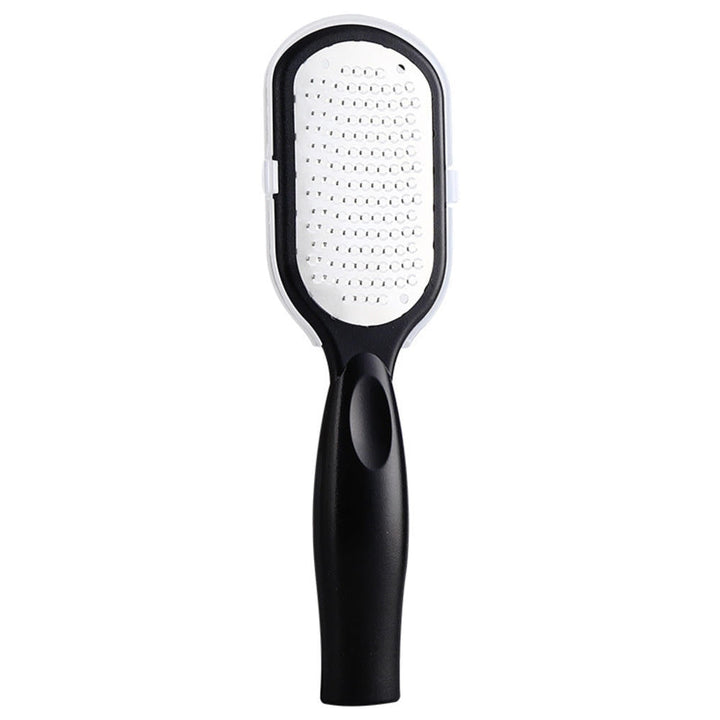
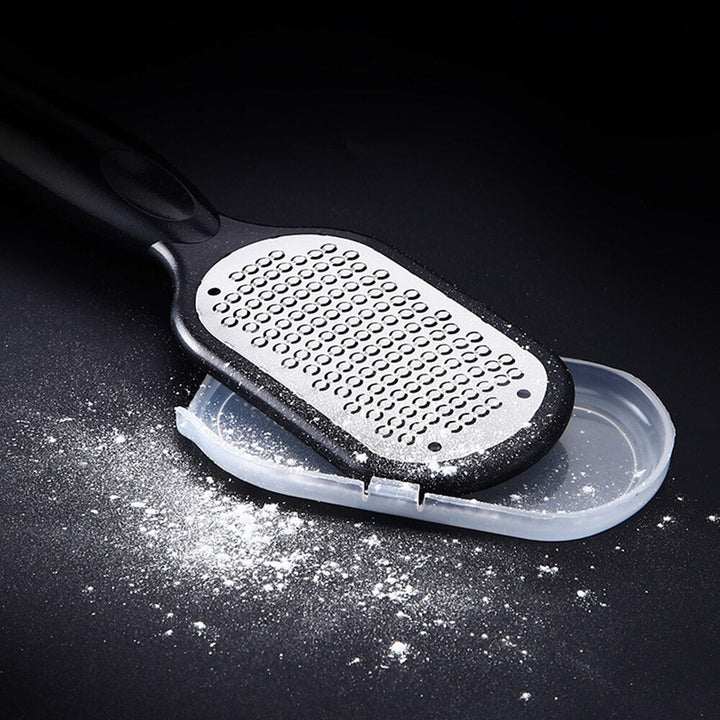
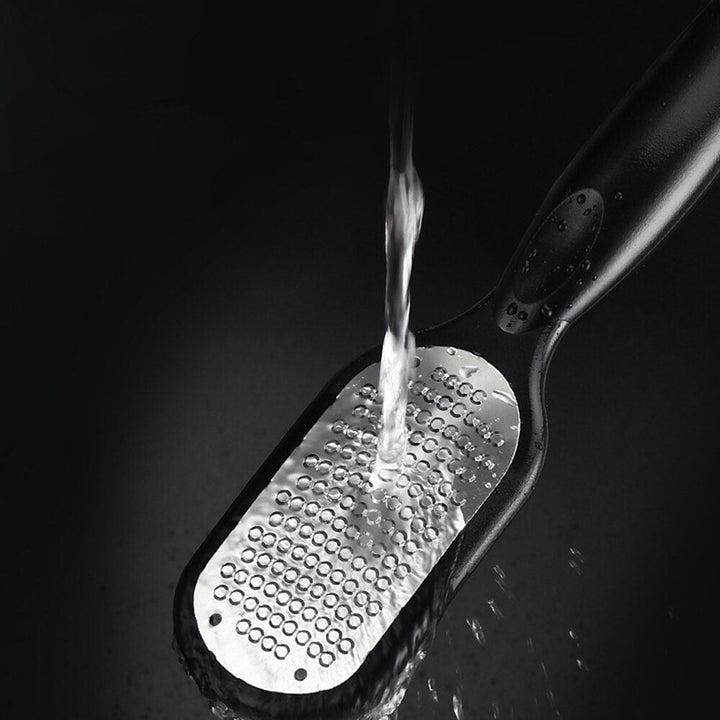
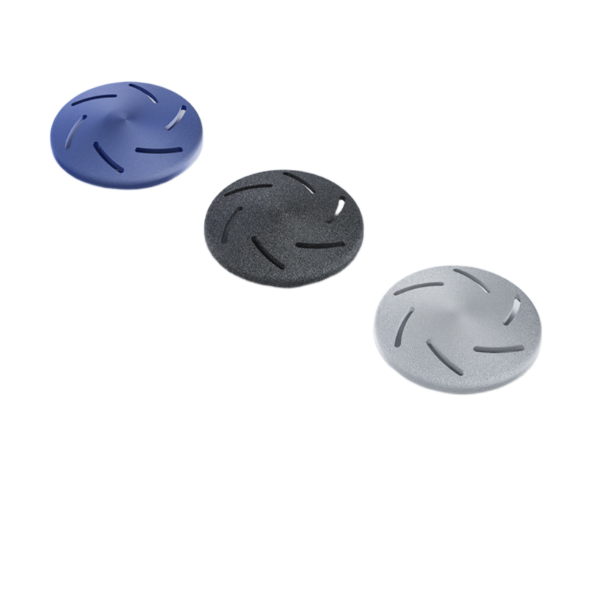
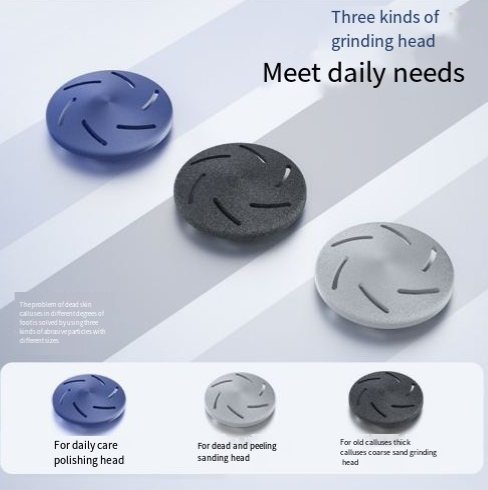

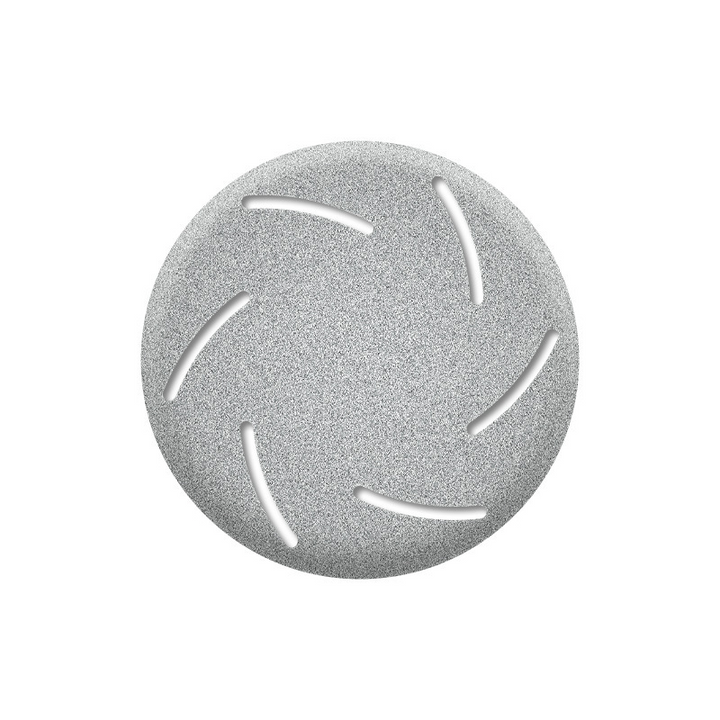


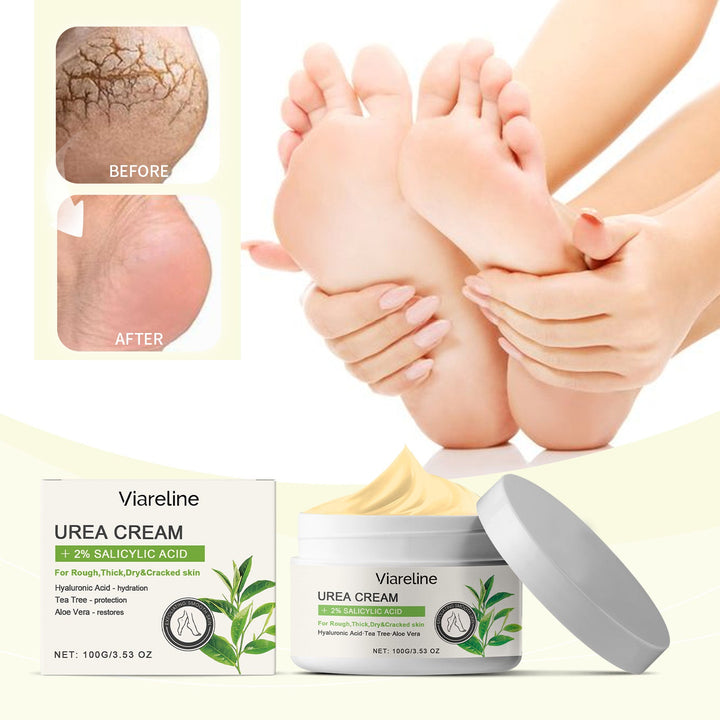
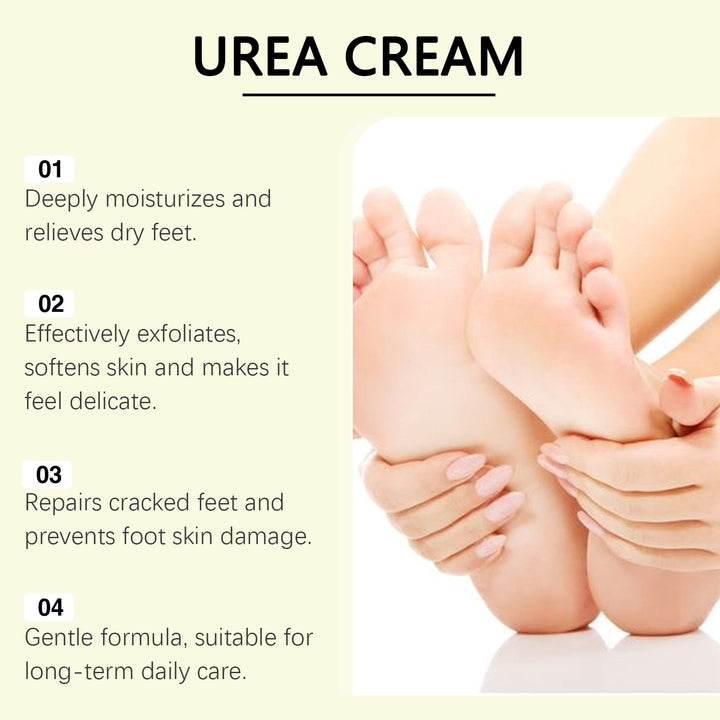

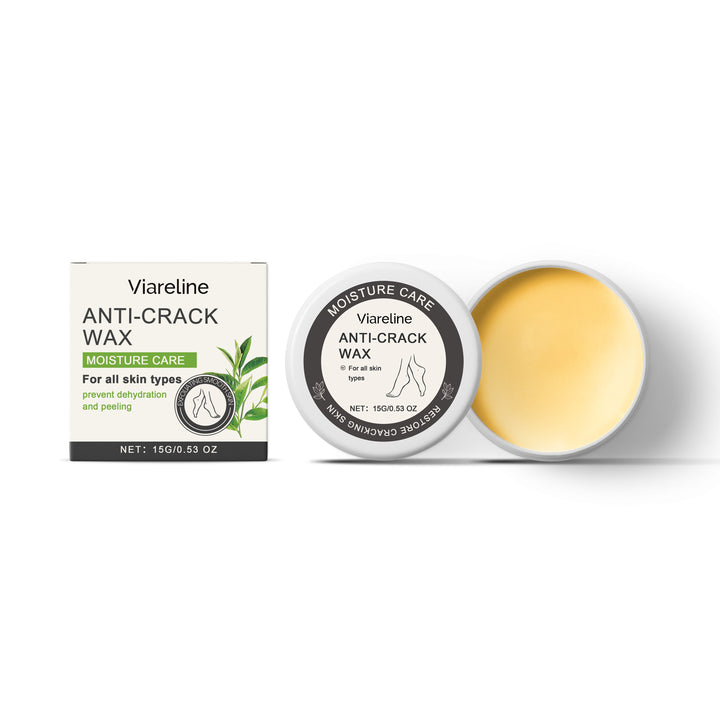


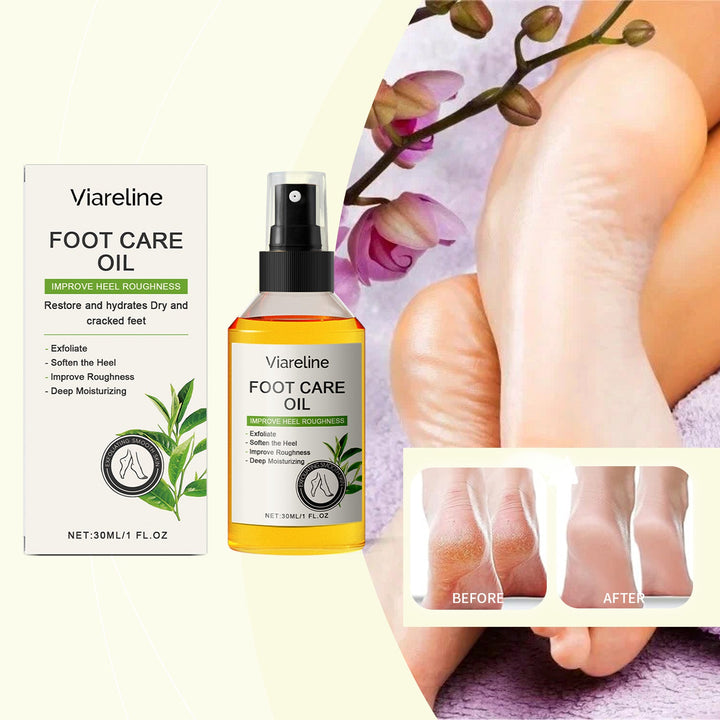
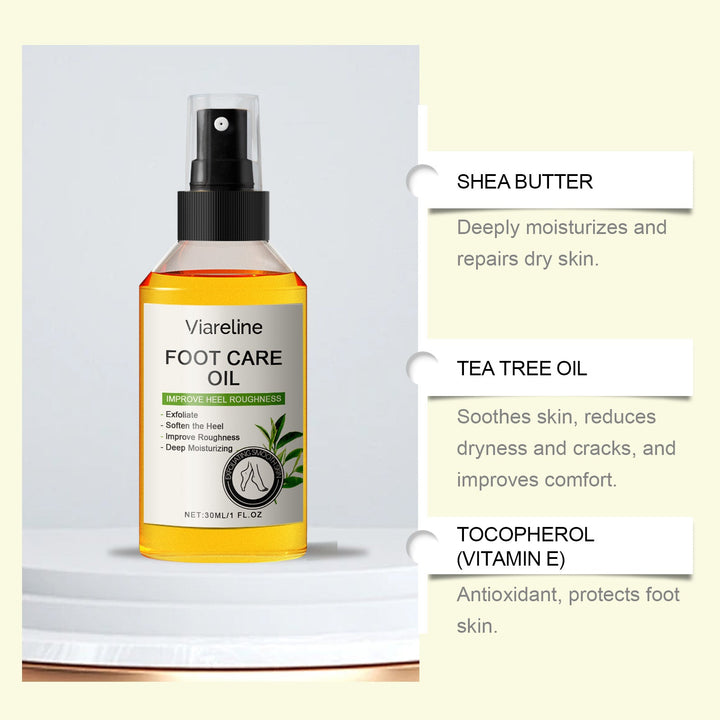


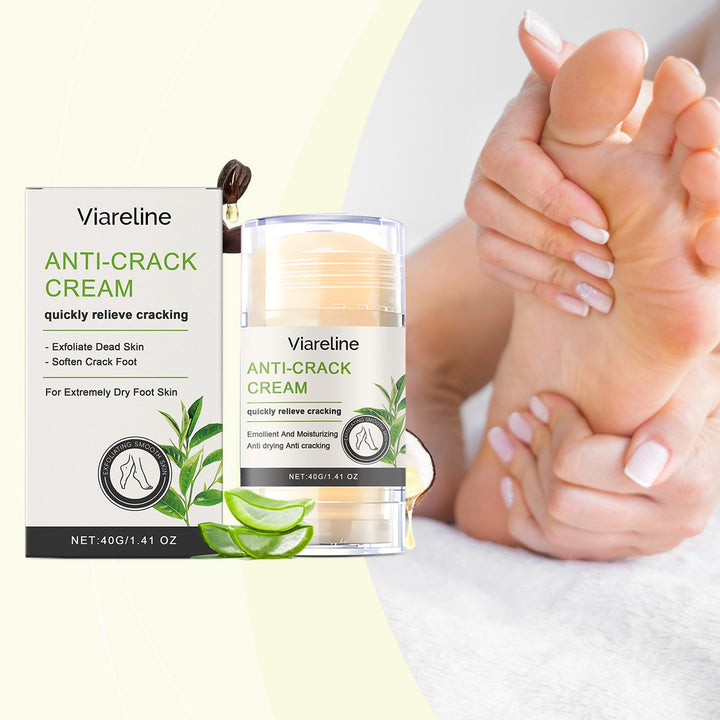
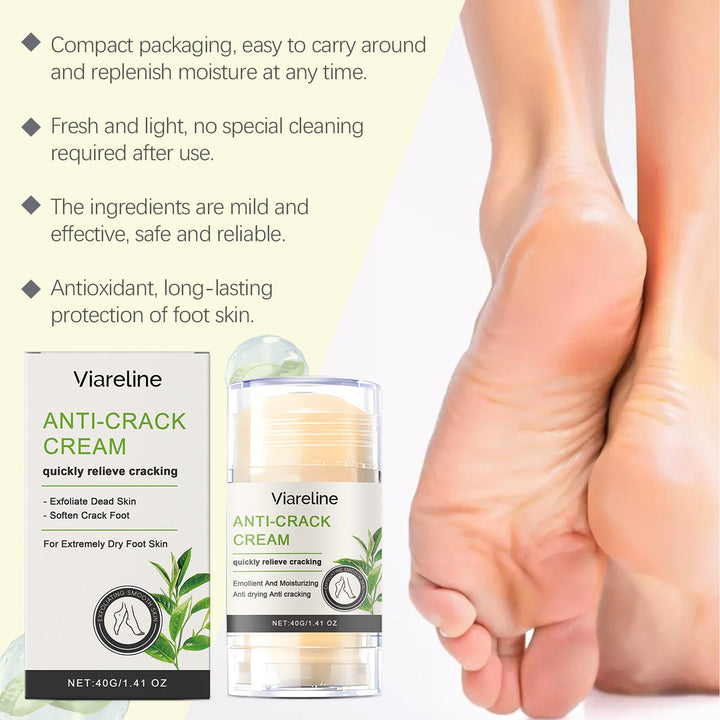


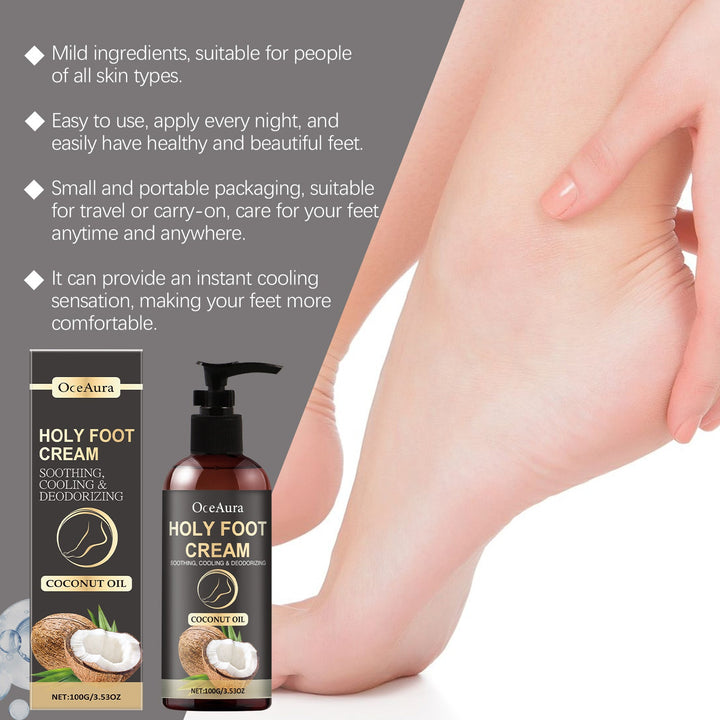





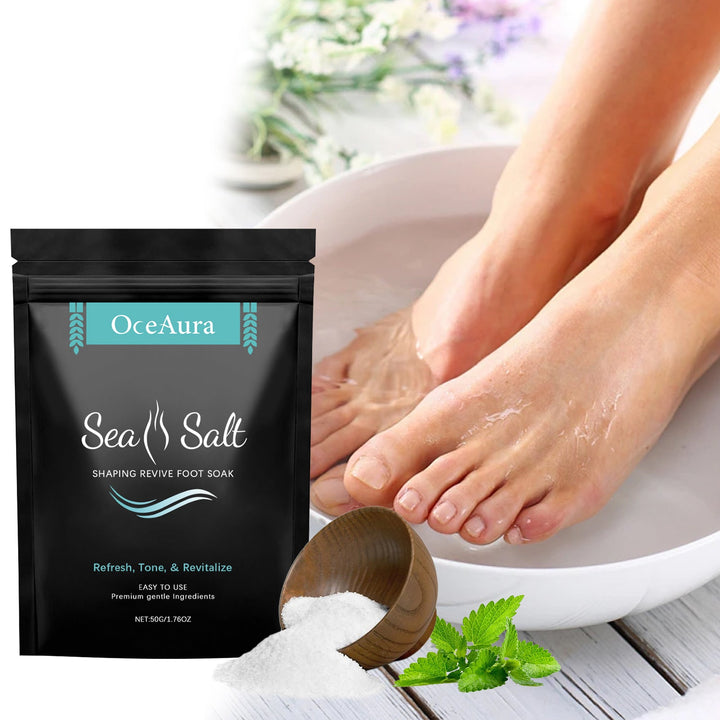




Build a practical foot care routine with tools and comfort products for dry heels, rough skin, calluses, relaxation and daily support. This category includes foot files, electric grinders, heel socks, creams, soaks, sprays and compression socks, so you can choose products that match your needs and preferred routine.
How to choose foot care products for your routine
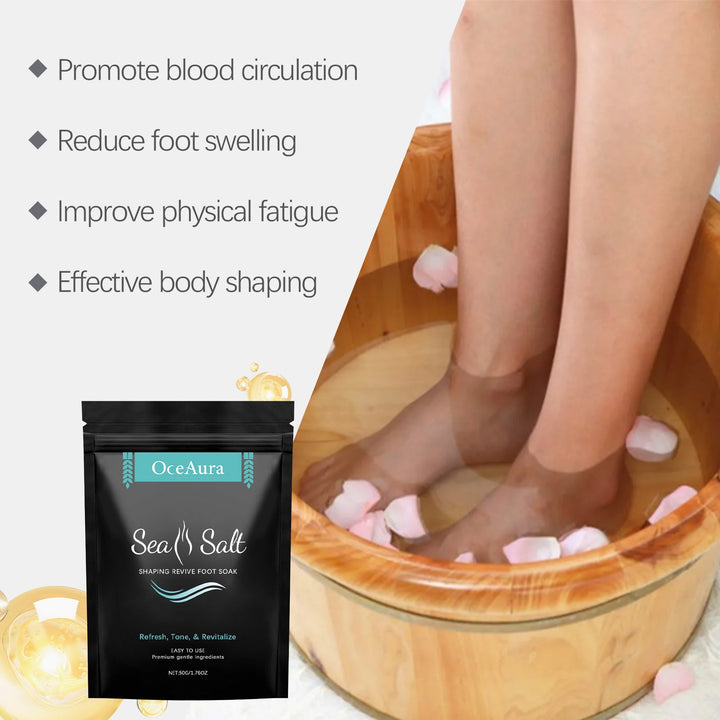
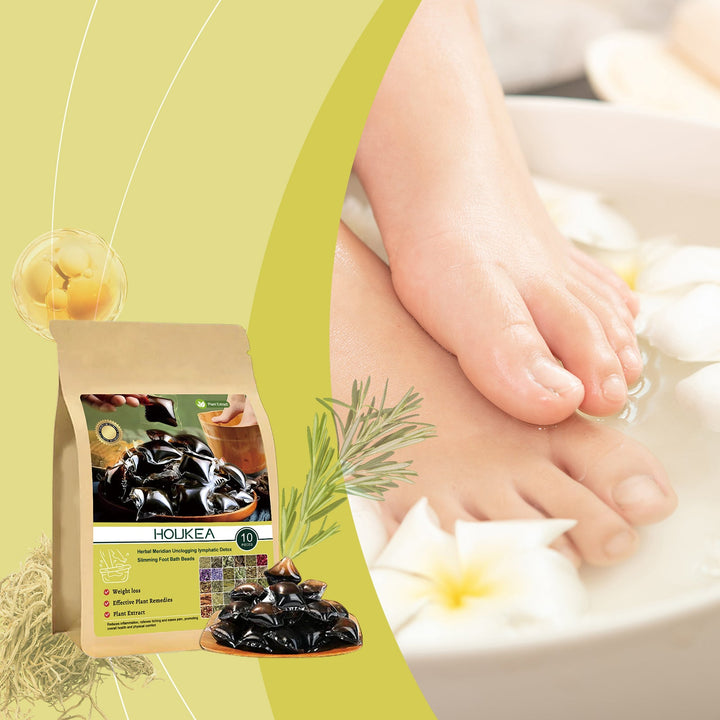
Start by identifying the main issue you want to address: dry or cracked heels, rough callused skin, tired feet, moisture after washing or everyday comfort. A foot care cream and silicone gel heel socks suit a moisturizing routine, while a stainless steel foot file or electric foot grinder is designed for smoothing hard, dry areas. Herbal foot soak bags can add a relaxing step before filing, but soaking does not replace gentle cleaning and drying. For daily wear, consider breathable massage socks or foot care compression socks. If you have diabetes, reduced sensation, poor circulation or an active foot problem, ask a qualified healthcare professional which products and techniques are appropriate before using files, grinders or compression products.
What are the types of foot care compared?
Manual and electric tools work differently. A stainless steel foot file gives you direct control and is useful for gradually smoothing dry heels, while an electric foot grinder can help cover larger rough areas with less manual effort. Moisture-focused products include foot care cream and silicone gel heel socks, which fit easily into an evening routine. Herbal foot soak bags are intended for a relaxing pre-care step, and herbal anti-fungal foot spray is designed for freshening and moisture management on the feet. Socks serve different purposes: massage socks focus on cushioned, breathable comfort, while compression socks provide a closer, supportive fit. Read the product details for materials, sizing and use instructions before buying.
What to look for in a foot file or callus remover
Choose a foot file by considering grip, surface type, cleaning requirements and the areas you want to smooth. Stainless steel is easy to wipe and can offer a firm filing surface, but use light pressure and avoid repeatedly working the same spot. For an electric foot grinder, check the handle design, power source, replacement or cleaning guidance and whether the shape is comfortable to control. A useful callus remover should help you work gradually rather than encourage aggressive scraping. Avoid tools with damaged, rough or difficult-to-clean surfaces. Do not use a file or grinder over cuts, bleeding skin, blisters, irritation or unexplained changes. Stop if the skin becomes painful or increasingly red.
How to use foot care tools and creams safely
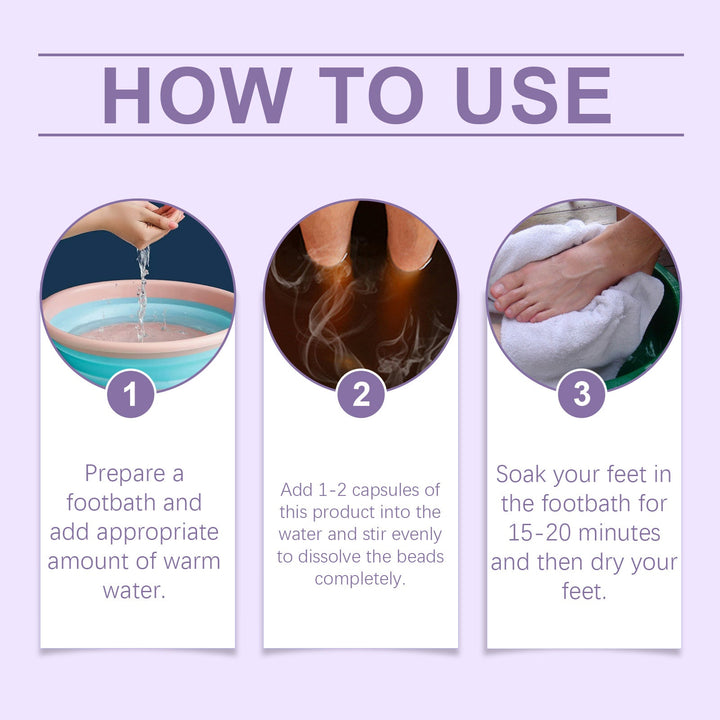
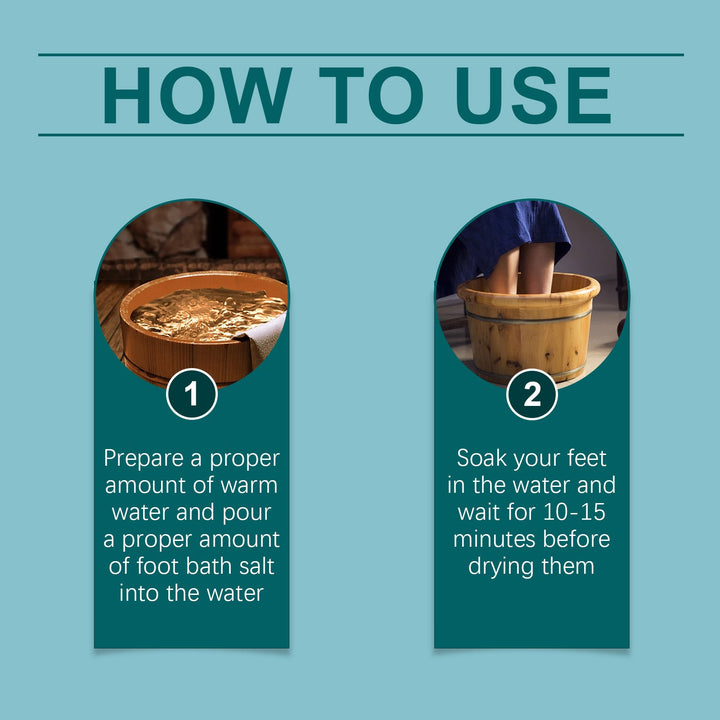
Wash your feet and dry them thoroughly, especially between the toes. If you use a soak, keep it comfortable, follow the product instructions and dry carefully afterward. File or grind only dry, intact rough skin with gentle passes; do not try to remove all thickened skin at once. Apply foot care cream to dry heels and other rough areas, avoiding spaces between the toes unless the label says otherwise. Silicone gel heel socks can help keep moisturizing products in place when used as directed. Wear socks that fit without bunching, and follow sizing guidance for compression socks. Clean and store tools according to their instructions, and discontinue use if discomfort or irritation develops.
What foot care mistakes should you avoid?
Common mistakes include cutting calluses with sharp objects, filing too aggressively, using an electric grinder on wet skin when the instructions do not allow it, and skipping foot drying after a soak or shower. Do not share foot files, socks or other personal products without appropriate cleaning. Avoid applying cream between the toes if it leaves the area damp, and do not wear compression socks that feel excessively tight, painful or cause unusual color changes. A spray should be used only as directed and should not be treated as a substitute for evaluation of a persistent foot concern. Never ignore an open wound, spreading redness, significant swelling, unusual warmth, drainage, severe pain or a new darkened area; seek prompt professional advice.
Who can use these foot care products?
These products suit adults building a home routine for dry heels, rough skin, callus maintenance, relaxation or everyday sock comfort. A cream, heel sock or gentle manual file may suit someone who prefers a simple routine, while an electric grinder can appeal to shoppers who want a powered tool. Soak bags and massage socks are options for a relaxing self-care routine, and compression socks may suit people seeking daily support when the fit and product instructions are appropriate. People with diabetes, reduced sensation, poor circulation, recurring wounds or persistent skin changes should get professional guidance before using callus removers, soaks or compression products. Children and anyone with sensitive skin should also follow age and use guidance on each product.
Frequently asked questions
What is the best care for your feet?
A consistent routine usually includes washing, drying thoroughly, moisturizing dry skin and choosing well-fitting socks and footwear. Rough heels may be gently smoothed with a suitable foot file, but avoid aggressive filing or using tools on damaged skin. Persistent, painful or changing foot problems should be discussed with a qualified healthcare professional.
What is the healthiest thing to soak your feet in?
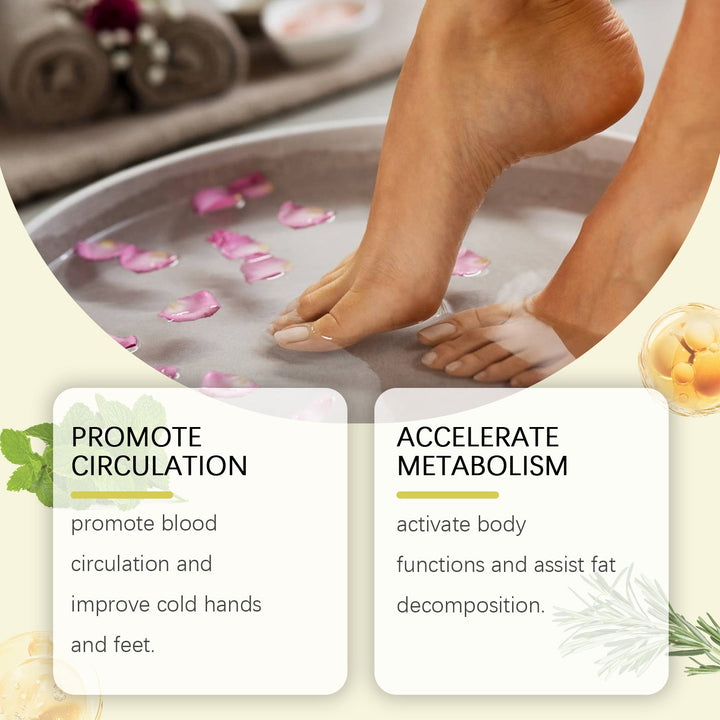
For many people, comfortable clean water is sufficient for a short relaxing soak, followed by careful drying. Herbal foot soak bags can add a scented or moisturizing self-care step when used according to their instructions. Avoid very hot water and stop if soaking causes irritation; people with diabetes or reduced sensation should ask a healthcare professional before soaking their feet.
What foot problems should you never ignore?
Seek professional advice for an open wound, spreading redness, marked swelling, unusual warmth, drainage, severe pain, sudden color change or a new darkened area. Also get help for symptoms that persist or worsen despite basic care. If you have diabetes, reduced sensation or circulation concerns, contact a healthcare professional promptly about any break in the skin or new foot change.
What are three things you should never do to the feet of someone with diabetes?
Do not cut or shave calluses with sharp tools, aggressively file or grind the skin, or soak the feet in hot water. Avoid treating a wound or unexplained skin change with home products alone. Foot care for someone with diabetes should follow guidance from their healthcare professional, particularly when sensation or circulation is reduced.
Should diabetics sleep with socks on?
Some people may prefer clean, loose, breathable socks at night for comfort, but there is no single choice that suits everyone. Socks should not bunch, constrict or leave deep marks, and feet should be checked regularly for irritation or pressure areas. Ask a healthcare professional for personalized advice, especially if circulation or sensation is reduced.
What does a diabetic toe look like?
There is no single appearance. A concerning change may include a wound, blister, swelling, redness, unusual warmth, drainage, darkening, pallor or a change in shape or sensation. Do not rely on appearance alone; anyone with diabetes who notices a new or worsening toe change should contact a qualified healthcare professional promptly.