
$44.90
Free delivery · 7–14 days
Daily Cooling Spray for Muscle Care
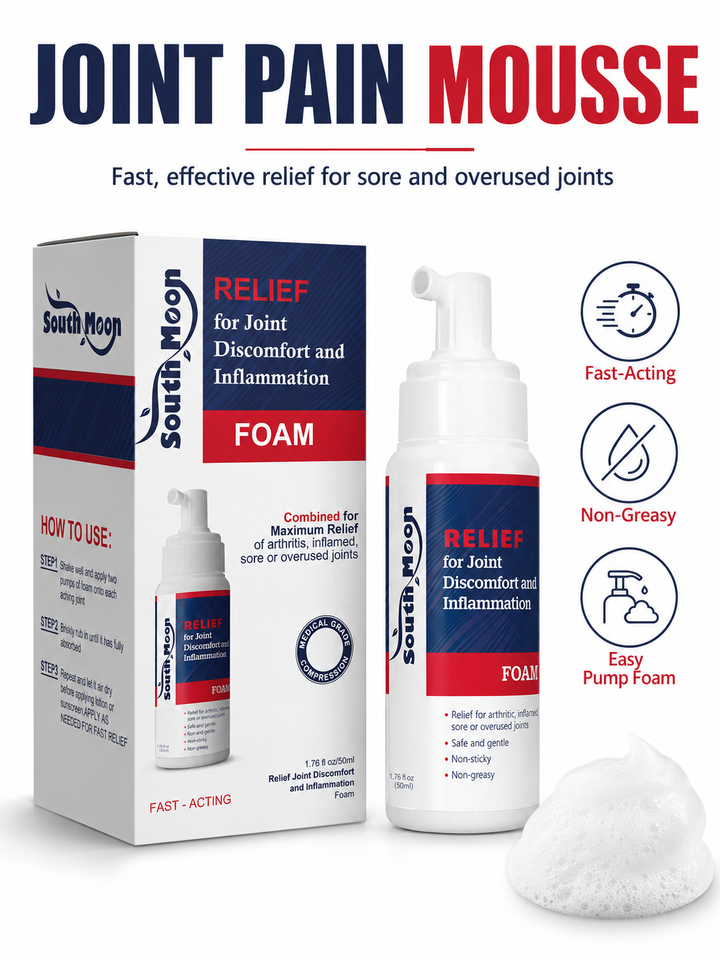


Find a practical joint spray or topical formula for targeted comfort around joints and muscles. This guide compares sprays, foams, creams, and ingredient-focused options so you can choose a format and routine that fit your needs.
Start with the area you want to apply it to, how often you expect to use it, and whether you prefer a mist, foam, cream, or oil. A joint spray is convenient for quick application, while a foam can feel lighter and a cream may suit users who prefer hands-on massage. Ingredient preferences also matter: this range includes ginger formulas, magnesium oil spray, bee venom and chondroitin, and a gout-focused spray. Read the full label before buying, especially if you have sensitive skin or avoid particular ingredients. Search terms such as spray for muscle pain relief, arthritis relief spray, and magnesium spray can help you compare formats, but product descriptions and directions are more useful than popularity claims.
Sprays are designed for fast, targeted application without needing to scoop product from a jar. The 20ml joint pain relief spray is compact for a bag or travel kit, while other sprays offer ingredient-led options such as ginger, magnesium, or bee venom and chondroitin. Joint pain relief foam provides a non-greasy texture, and creams are suited to shoppers who want to massage a formula into a specific area. Magnesium oil spray is often chosen for muscle and joint routines, while ginger cream offers a botanical alternative to a mist. Compare texture, scent, application area, and label instructions rather than assuming one format is universally best.
Look for clear ingredient information, straightforward directions, and packaging that makes targeted application easy. If you prefer botanical formulas, compare the ginger joint pain relief spray with the ginger joint and muscle relief cream. If magnesium is part of your routine, check the magnesium oil spray details and whether its feel suits your skin. Shoppers searching for biofreeze spray or diclofenac spray may be comparing cooling or medicine-based products, but those are not interchangeable with every cosmetic or comfort-focused topical. Check whether the product is intended for joints, muscles, or both, and review warnings about eye contact, broken skin, washing hands, and use alongside other topical products.
Use each product exactly as its label directs, because application instructions differ between sprays, foams, creams, and oils. Apply only to clean, intact skin and avoid the eyes, mouth, and other sensitive areas. Do not spray near the face or inhale the mist. Wash your hands after application unless the label says otherwise, and allow the product to dry before covering the area with clothing. Test a small area first if you are trying a new formula, particularly one containing ginger, bee venom, fragrance, or other ingredients you have not used before. Stop using it if irritation develops, and ask a pharmacist or clinician about combining topical products.
One common mistake is choosing a product solely because it is described as the best pain relief spray in the world. No single topical format suits everyone, so compare the ingredient list, texture, intended use, and directions. Another mistake is treating a joint spray as a joint lubricant; a topical product is applied to the skin and is not an internal lubricant. Avoid applying more frequently or over a larger area than the label permits. Do not use a product on damaged skin, under a tight dressing, or together with another topical formula without checking the instructions. If pain is severe, persistent, follows an injury, or concerns you, seek professional advice rather than relying only on a spray.
A joint spray may suit shoppers who want a portable, targeted topical for a muscle or joint comfort routine and prefer not to use a heavier cream. It can be convenient after activity, at home, or while travelling, provided the label permits the intended use. Choose a foam or cream instead if you prefer to massage the area or dislike a mist texture. Ingredient-specific products may appeal to different preferences: ginger for a herbal option, magnesium oil for a mineral-focused routine, or bee venom and chondroitin for shoppers specifically seeking that combination. People with allergies, sensitive skin, pregnancy-related questions, ongoing conditions, or prescribed treatments should check with a healthcare professional before use.
The best choice depends on your preferred format, ingredients, skin sensitivity, and intended area of use. Compare the joint pain sprays, magnesium oil spray, ginger formula, and other topicals in this category, then follow the product label rather than relying on broad claims.
A topical joint spray or cream is applied to the skin for local comfort; it is not an internal joint lubricant. If you are asking about supplements, injections, or treatment for an ongoing joint condition, speak with a qualified healthcare professional.
Options in this category include a compact joint pain relief spray, ginger joint pain relief spray, magnesium oil spray, gout relief spray, and a spray with bee venom and chondroitin. Compare their ingredients, directions, texture, and warnings to find the option that fits your routine.
Mentholated topical rubs may provide a cooling or warming sensation on the skin, but that sensation should not be treated as proof of joint treatment or repair. Check the product label for its intended use and ask a pharmacist or clinician if you need advice about arthritis symptoms.
There is no single product or routine used by everyone in Japan for arthritis. Treatment choices depend on the person, diagnosis, symptoms, and medical advice, so it is better to discuss suitable options with a healthcare professional than generalise by nationality.
Household uses for mentholated rubs can vary by family and region, and traditional use does not establish that a product treats joint or muscle conditions. Use any topical product only as directed on its label, and avoid applying it to broken skin or near the eyes.