
$64.90
Free delivery · 7–14 days
Bee Venom Foot Soak Beads for Tired, Achy Feet

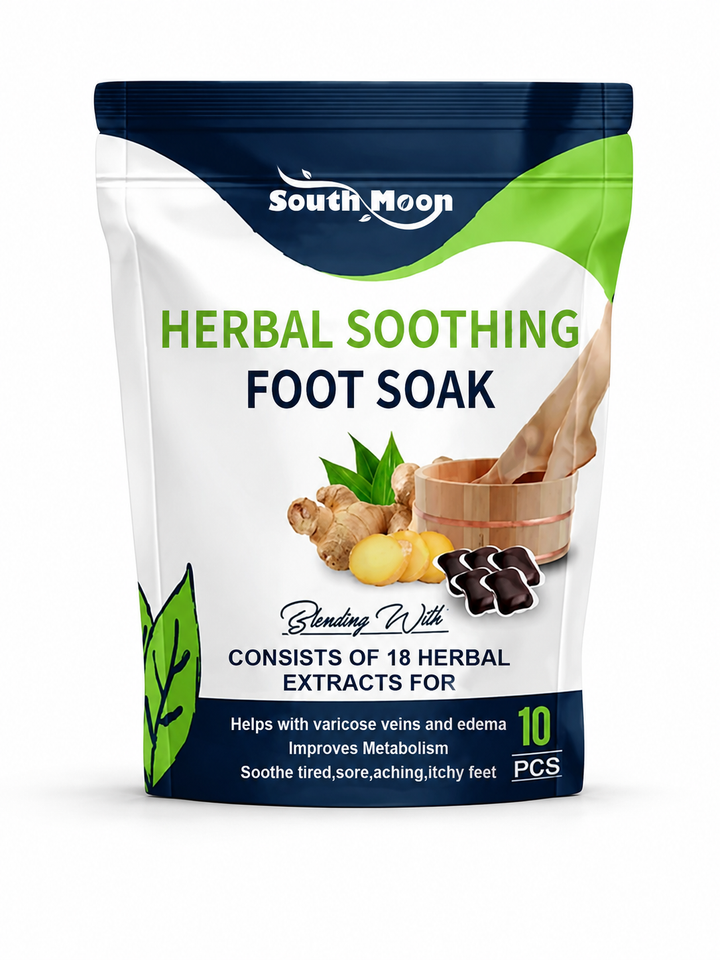


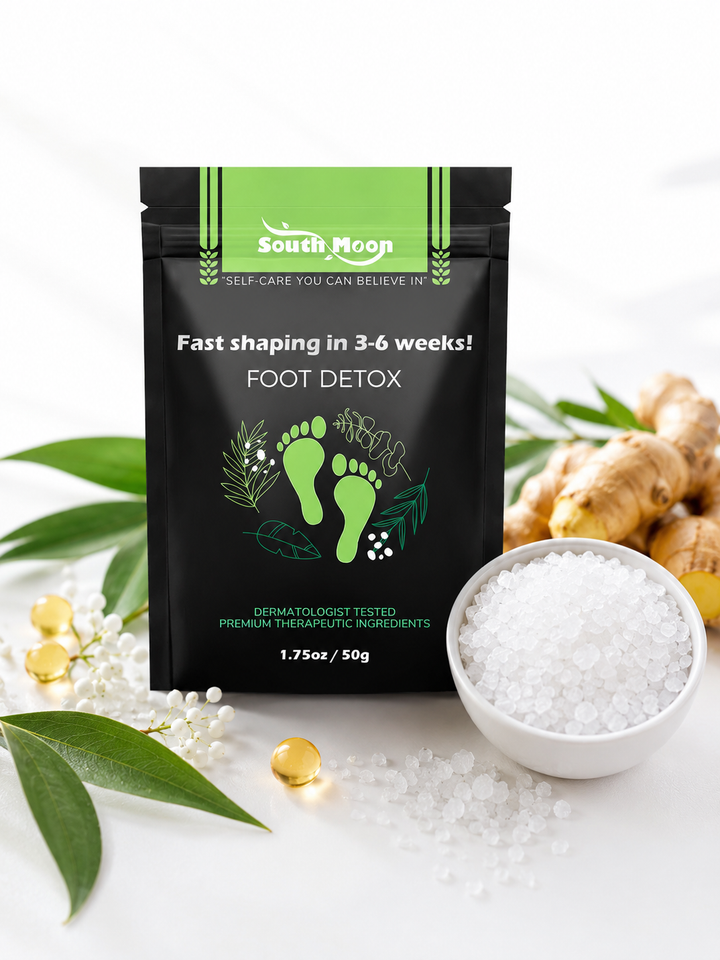


A foot bath can turn an ordinary evening into a simple at-home spa routine for tired, rough, dry, or stiff-feeling feet. Choose from soak beads, capsules, gel, sea salt, or bath bombs, then pair your preferred formula with a basin or heated foot bath for a relaxing soak.
Start by deciding how you want to use your foot bath. For a simple soak, choose sea salt, herbal beads, or lavender capsules that dissolve in warm water. Bath bombs are suited to a giftable home-spa experience, while foot soak gel may be convenient for shoppers who prefer a ready-to-pour format. Consider your main preference: a fresh herbal feel, a floral lavender scent, a salt-based soak, or an unscented-feeling routine. If you want warmth without repeatedly adding hot water, look for a heated foot bath basin with adjustable controls. For small homes or easy storage, a collapsible foot bath is practical. Check the product directions, ingredients, scent notes, and any skin warnings before buying.
Foot bath products differ mainly in format, ingredients, and the kind of experience they create. Herbal foot bath beads and soak beads are made to portion into warm water and suit relaxing evening routines. Lavender foot soak capsules offer a convenient, pre-measured option with a familiar floral aroma. Sea salt foot soak is a straightforward choice for feet that feel rough or dry after a long day. Herbal foot soak gel is easy to add without handling loose beads. Bath bombs create a colorful, scented home-spa ritual and can work well as a present. A heated foot bath massager with heat adds water warming and, depending on the model, massage features. Review the package instructions because formulas, dilution, and intended use can vary.
When comparing a heated foot bath, focus on controls and cleanup as much as appearance. Look for a stable basin with enough room for your feet, simple temperature settings, and clearly labeled heat or massage functions. A splash guard, drain-friendly shape, and smooth interior can make emptying and cleaning easier. Check the cord length and storage footprint before purchasing, especially if you plan to use it near a chair or bedside table. If you prefer occasional use, a collapsible foot bath may be easier to store than an electric model. For soak products, compare the packet or container size, scent strength, ingredient list, and directions. Shoppers searching for a foot bath near me may find local options, but online listings often provide more detail for comparing formats.
Place a stable, water-safe basin on a level floor and add comfortably warm water rather than very hot water. Follow the soak product's label for the amount to use; do not assume that beads, capsules, gel, salt, and bath bombs require the same quantity. Add the product, allow it to dissolve or disperse, and place your feet in the water only when the temperature feels comfortable. Keep the session within the product directions and stop if the water feels irritating or uncomfortable. Rinse the basin after use so residue does not build up, then dry your feet and the container carefully. With an electric heated foot bath, keep plugs and controls away from water and follow the appliance instructions.
One common mistake is using water that is too hot, especially when a heated foot bath maintains warmth. Another is adding household ingredients without checking whether they suit your skin or the basin. Vinegar, baking soda, hydrogen peroxide, essential oils, and other DIY additions can irritate skin, affect the product formula, or damage some materials. Do not mix several commercial soaks unless the labels say they can be combined. Avoid overfilling the basin, leaving an electric foot bath unattended, or storing it while damp. Fragrance can also be easy to underestimate, so choose a lighter scent if you are sensitive to strong aromas. Read the full label, use clean water for each soak, and discontinue use if discomfort occurs.
A foot bath can suit adults who want a relaxing home-spa ritual after work, exercise, travel, or time spent standing. It may also be a thoughtful gift when paired with lavender capsules, herbal beads, sea salt, or bath bombs. For older adults, choose a stable, easy-to-fill basin with straightforward controls and avoid designs that are difficult to step over or move safely. A seated setup, a nearby towel, and help with filling or emptying can make the routine easier. Anyone with sensitive skin, reduced temperature sensation, open skin, or a condition affected by heat should ask a qualified healthcare professional whether a foot soak is appropriate. Always check individual product warnings and avoid using a soak on irritated skin.
There is no single best soak for everyone. Warm water with a product made for foot baths, such as sea salt, herbal beads, lavender capsules, gel, or a bath bomb, lets you choose the texture and scent you prefer. Follow the label and stop if your skin feels irritated.
A warm foot bath can be a comforting part of a personal relaxation routine and may help feet feel refreshed after a long day. It is not a substitute for professional care, and prolonged soaking or very hot water may be uncomfortable for some people. Use clean water, follow product directions, and dry your feet afterward.
The simplest homemade option is comfortably warm, clean water in a stable basin. If you add salt or another household ingredient, check that it is suitable for your skin and follow any product or appliance instructions. Avoid using mixtures that sting, irritate, or leave residue in an electric foot bath.
Neither is universally better, and both can be irritating for some people. A foot soak product formulated for this use provides clearer directions and ingredient information than an improvised mixture. If you still consider a household ingredient, check with a qualified healthcare professional first, especially for sensitive or damaged skin.
Hydrogen peroxide is not necessary for a relaxing foot bath and may irritate skin or cause discomfort if used incorrectly. Do not add it to a commercial soak or electric foot bath unless the appliance and product instructions specifically allow it. For a simple routine, use warm water and a foot soak intended for feet.
Look for a mild, clearly labeled formula with straightforward directions, such as a pre-measured capsule or gentle soak product. A stable basin, easy controls, and a seated setup may be more important than extra features. Because heat sensation and skin needs vary, an older adult should ask a qualified healthcare professional before using a hot or heated foot bath.