
$44.90
Free delivery · 7–14 days
Aromatherapy Ear Candles — 16-Stick Wax Cleaning Set


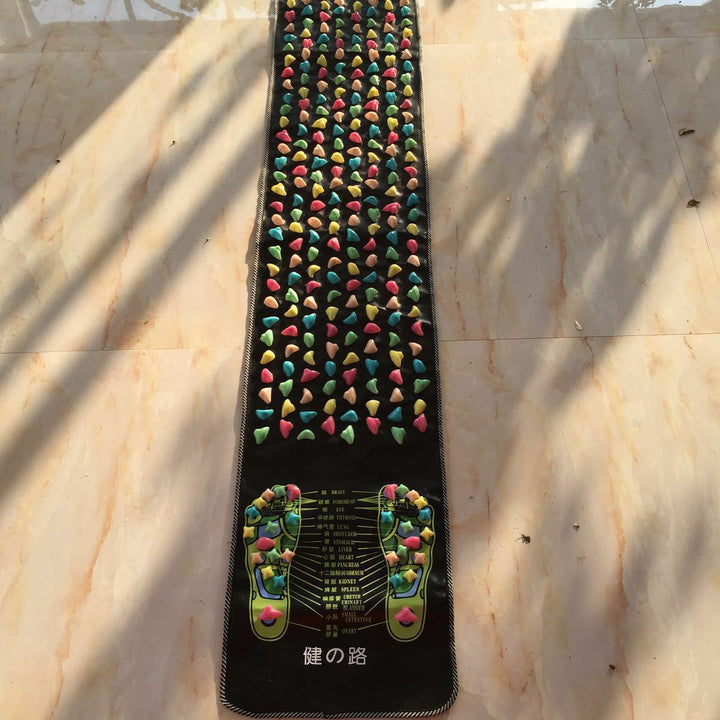

Reflexology mats are designed to add focused pressure under the feet during a spa routine, stretching session, or quiet time at home. This guide compares foot-focused mats with other wellness products so you can choose a comfortable option for your space, experience level, and preferred massage style.
Start with the area you want to massage and the sensation you prefer. A dedicated reflexology foot mat is compact and keeps pressure beneath the soles, while a larger acupressure mat may suit users who want to place both feet, hands, or other areas on one surface. Check the product description for the layout of raised points, the mat’s dimensions, and whether it has cushioning or a firmer base. If you are new to acupressure, choose a design that allows short sessions and easy repositioning rather than the most intense texture available. A foot massage pad with a reflexology map may also appeal if you want visual guidance. The best reflexology mat is the one you can use comfortably and consistently.
Foot-focused mats generally fall into three useful categories. A shiatsu-style acupressure mat uses raised nodes to create concentrated pressure as you stand or sit on it. A reflexology map mat marks foot areas for a more structured routine and may be easier to follow when alternating between the heel, arch, and forefoot. A compact foot relief mat is convenient beside a desk, sofa, treatment table, or bed. These products differ from a hot stone massage kit, which uses heated stones for a separate massage experience, and from wireless cupping or gua sha devices, which are not foot mats. When comparing reflexology mats, decide whether you want simple pressure, mapped foot placement, portability, or a spa-style setup with several complementary tools.
Inspect the mat’s construction before buying. A stable underside helps reduce sliding on a clean, dry floor, while a flexible surface is easier to roll or store. Raised points should be clearly described so you know whether the texture is gentle, moderate, or intended for a stronger pressure sensation. Consider the usable foot area, especially if more than one person will use it, and look for a surface that can be wiped clean after spa sessions. If you plan to use the mat while seated, confirm that it remains comfortable when only part of your weight is applied. A clear reflexology point layout can help with positioning, but it should be treated as a guide for massage placement rather than a diagnosis or treatment chart.
Place the mat on a level, dry surface and begin while seated so you can control how much pressure reaches each foot. Wear thin socks or use bare feet according to the product instructions, then shift your weight gradually instead of stepping down suddenly. Move between the heel, arch, and ball of the foot, and stop if the sensation becomes sharp, painful, or causes skin irritation. Keep early sessions brief and allow your feet to rest between uses; increase time only if the experience remains comfortable. Do not use a mat over broken, irritated, or infected skin. Clean the surface as directed and store it dry. If you are unsure whether foot massage is suitable for you, ask a qualified healthcare professional before use.
A frequent mistake is assuming stronger pressure produces better results. Standing with your full weight on a highly textured mat can feel overwhelming, particularly for a first-time user, so begin seated and adjust gradually. Another mistake is choosing a mat by point count alone; more raised points do not automatically mean a better fit. Avoid placing the mat on a slippery rug, using it with wet feet, or ignoring discomfort because a product is marketed for relief. Some shoppers also confuse a reflexology mat with an electric massager, hot stone kit, or cupping device, even though each creates a different sensation and requires different instructions. Finally, do not use a shared mat without cleaning it, and do not treat a reflexology map as medical advice.
Reflexology mats may suit adults looking for a simple foot-focused addition to a home spa routine, relaxation break, or post-activity wind-down. They can also be useful for shoppers who prefer a non-electric product that is easy to store and use while seated. Avoid using one on open wounds, rashes, blisters, or areas with active skin irritation. Ask a healthcare professional before trying foot acupressure if you have reduced sensation in your feet, circulation concerns, a condition affecting the skin or bones, or another reason you may not reliably feel pressure. People who are pregnant, recovering from an injury, or managing a health condition should also seek individual guidance. Stop immediately if you experience unusual pain, swelling, dizziness, or persistent irritation.
A reflexology foot mat can provide noticeable pressure and massage-like stimulation when you stand or sit on its raised points. Individual experiences vary, and a mat should not be presented as a guaranteed treatment for pain or a medical condition. Use it as a comfort and wellness accessory, following the product instructions.
Acupressure mats create pressure through raised points, which some people find relaxing or stimulating during short sessions. Results and comfort levels differ by person, mat design, and how much body weight is applied. They are not a substitute for professional medical evaluation or treatment.
The best option depends on your preferred pressure, foot size, available floor space, and whether you want a mapped layout. Beginners may prefer a compact mat that can be used while seated, while experienced users may want firmer raised points or a larger foot area. Compare dimensions, surface texture, stability, cleaning instructions, and storage.
People with open or irritated skin, reduced foot sensation, circulation concerns, or an injury should avoid using a foot reflexology mat unless a healthcare professional says it is appropriate. Pregnant people and anyone managing a health condition should seek individual guidance before trying it. Stop if the mat causes pain, dizziness, swelling, or ongoing skin irritation.
Some users may experience temporary tenderness, pressure discomfort, redness, or skin irritation, especially when starting with too much weight or too long a session. Sharp pain or persistent symptoms are a reason to stop and reassess the product and technique. Do not use the mat on damaged skin, and seek professional advice if you are concerned about a reaction.
There is no single schedule that suits everyone. Start with short, comfortable sessions and allow your feet to recover before repeating, increasing frequency only when your skin and feet tolerate the pressure well. Follow the specific product instructions and ask a healthcare professional for guidance if you have a health condition or ongoing foot symptoms.