
$44.90
Free delivery · 7–14 days
Skin Repair Cream – Natural Scar Reduction Treatment, 20g


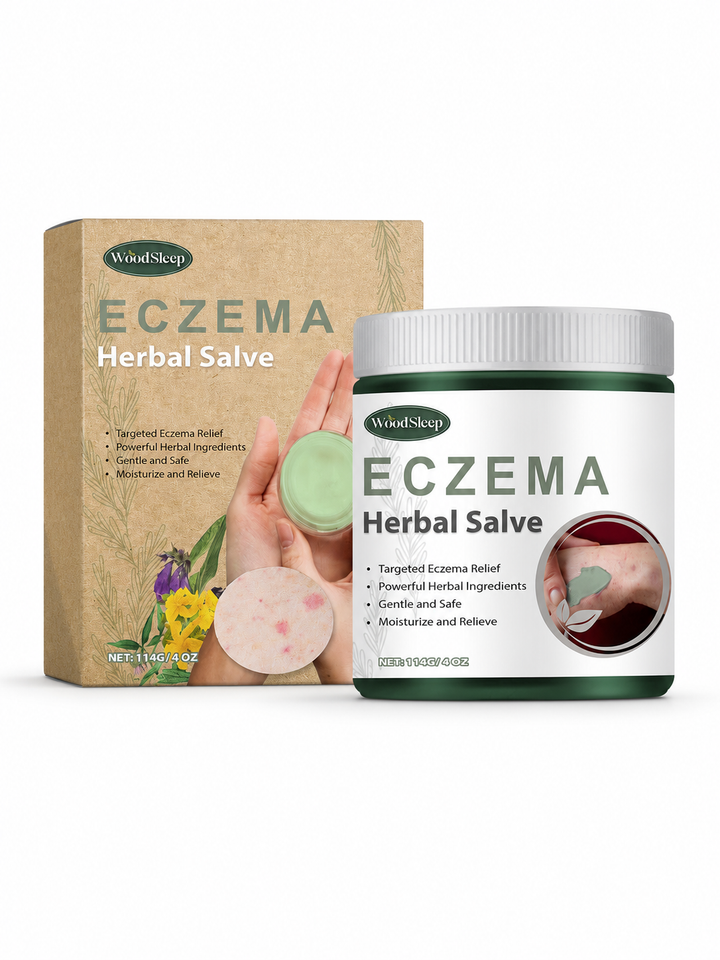

Skin creams can help moisturise, soften and condition the face or body, while targeted formulas are designed for concerns such as dry-feeling skin, uneven-looking tone, visible marks or temporary discomfort. This category includes multi-use creams, tightening body balms, scar-focused formulas and skin-relief products, so comparing ingredients, intended use and texture is important before you buy.
Start by matching the formula to the area and your main goal. Shea butter multi-use cream is a versatile option for skin that feels dry and can also be used on hair, while a tightening body balm is intended for areas such as the arms, thighs or abdomen. For the appearance of marks, compare scar repair creams with ingredients such as centella asiatica, and check the directions before applying. If you are shopping for a tone-evening cream, review the full ingredient list and avoid products that promise instant or permanent changes. A simple skin care routine can include cleansing, applying cream to slightly damp skin and using sun protection during the day. Consider fragrance, texture and container size if you plan to use the cream regularly.
The products in this category serve different purposes and should not be treated as interchangeable. Multi-use creams are practical for general moisturising, while body balms are richer and suited to massage over larger areas. Scar repair options, including centella asiatica formulas, are intended for the appearance of marks and uneven texture. Tone-focused creams are designed for the look of uneven pigmentation, but they should be used exactly as directed and tested on a small area first. Skin relief creams and bee venom formulas are marketed for skin that feels itchy or irritated; stop use if discomfort develops. A ringworm-labelled product is a targeted treatment item, not a general moisturiser. Read the label to confirm whether a cream is cosmetic or intended for a specific skin concern.
Look for a clear product purpose, a complete ingredient list and directions that suit your intended area. Shea butter can provide a rich, cushioning feel, while centella asiatica is commonly selected in creams focused on the appearance of scars. Herbal formulas may appeal if you prefer plant-based ingredients, but natural does not automatically mean suitable for every skin type. Check whether the product contains fragrance, essential oils or bee venom if your skin is reactive or allergy-prone. Packaging matters too: a tube can be convenient for targeted application, while a larger jar may suit body care. Shoppers comparing skin care brands, professional facial products or skin care products on Amazon should also review seller information, recent feedback and return terms rather than relying only on promotional wording.
Clean the area first and pat it dry, leaving the skin slightly hydrated if the label allows. Apply a small amount, then spread it evenly without aggressive rubbing. For a body balm, massage over the chosen area using the product directions; for a scar-focused cream, apply only to fully closed, healed skin unless the label states otherwise. Keep targeted creams away from the eyes, lips and broken skin. Introduce one new product at a time and perform a small patch test according to the label, especially when using herbal, fragranced or bee venom formulas. Use daytime sun protection when working on the appearance of uneven tone or visible marks. Wash hands after application and follow storage instructions to help maintain the formula.
A common mistake is choosing a cream by its strongest promise instead of its intended use. A rich body cream may feel uncomfortable on an oily face, while a light formula may not provide enough comfort for very dry body skin. Do not apply a ringworm-labelled product, tone-evening cream or bee venom formula as an all-over moisturiser unless the instructions specifically allow it. Avoid layering several new products at once, since it becomes difficult to identify the source of irritation. Scrubbing harder will not make a cream work better and may leave skin feeling more sensitive. Another mistake is skipping a patch test or ignoring a reaction. If burning, swelling or persistent irritation occurs, stop use and seek advice from a qualified healthcare professional.
There is an option here for many everyday body-care preferences, but suitability depends on the formula and the individual. People with dry-feeling skin may prefer a richer shea butter cream, while shoppers wanting a body-focused massage product may consider a tightening balm. Those concerned about the look of scars or uneven tone can compare targeted formulas and follow their specific directions. Older skin often feels drier, so a moisturising cream with a comfortable, non-stripping texture may be a useful part of a routine; however, age alone does not determine the best product. If you have eczema, psoriasis, vitiligo, a suspected fungal infection, open wounds or a known allergy, check the label and ask a healthcare professional before use. These products are not a substitute for diagnosis or prescribed treatment.
The best moisturiser depends on how dry or sensitive your skin feels, the area being treated and your preferred texture. A richer cream containing moisturising ingredients such as shea butter may suit dry-feeling body skin, while a lighter formula may feel better on the face. Patch test new products and choose a fragrance-free option if fragrance tends to bother your skin.
There is no single best moisturiser for everyone. Look for a cream that leaves skin comfortable without a tight or greasy feel, and choose a formula intended for your face or body. If your skin is persistently itchy, painful, cracked or inflamed, ask a healthcare professional for guidance rather than relying only on a cosmetic cream.
The right skin cream is the one that matches your goal and application area. Choose a multi-use or shea butter cream for everyday moisturising, a body balm for massage-focused body care, or a targeted formula for the appearance of scars or uneven tone. Always read the ingredient list and directions, and patch test before wider use.
Skin creams may also be described as moisturisers, emollients, body creams, facial creams, balms, lotions or ointments. The name often reflects texture and intended use: creams and balms are usually richer, while lotions are generally lighter. Product labels may also identify a specific purpose, such as scar care, skin relief or tone-evening care.
The best skin care cream depends on your routine, skin feel and intended area. Compare texture, ingredients, fragrance and usage directions, then select a product made for your concern rather than choosing by claims alone. For sensitive or reactive skin, introduce one product at a time and stop using it if irritation occurs.
Depending on the product, a more specialised term may be moisturiser, emollient, balm, salve or ointment. These words are not always interchangeable: a balm or ointment is usually thicker, while a lotion is typically lighter. Check the product description and directions to understand how the formula is intended to be used.