$44.90
Free delivery · 7–14 days
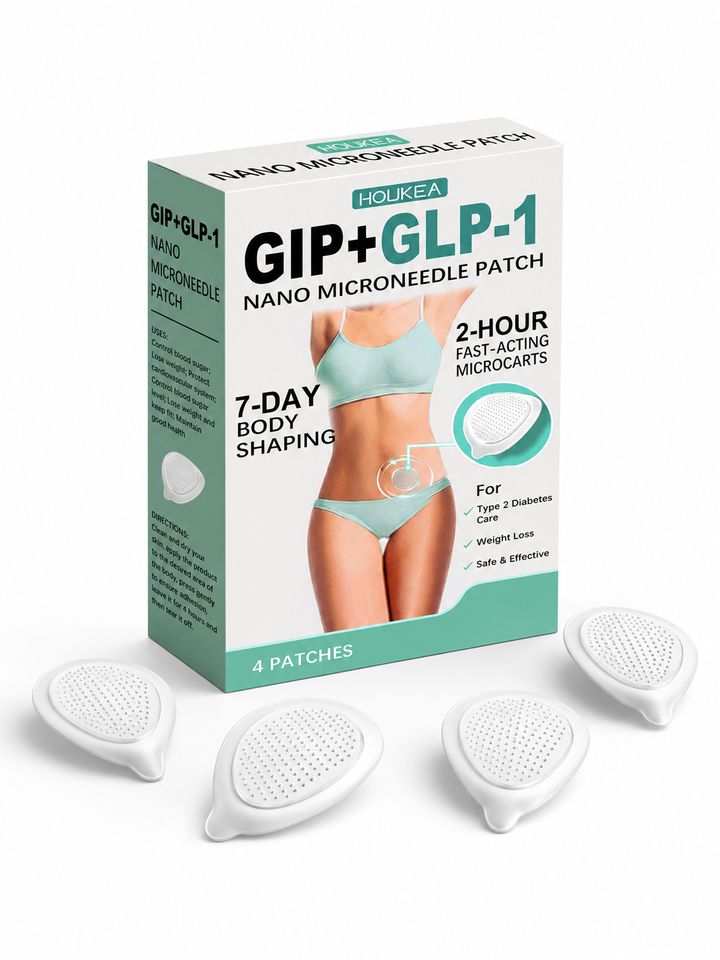
Body Shaping Patch — GLP-1 Nano Microneedle, 7-Day Results

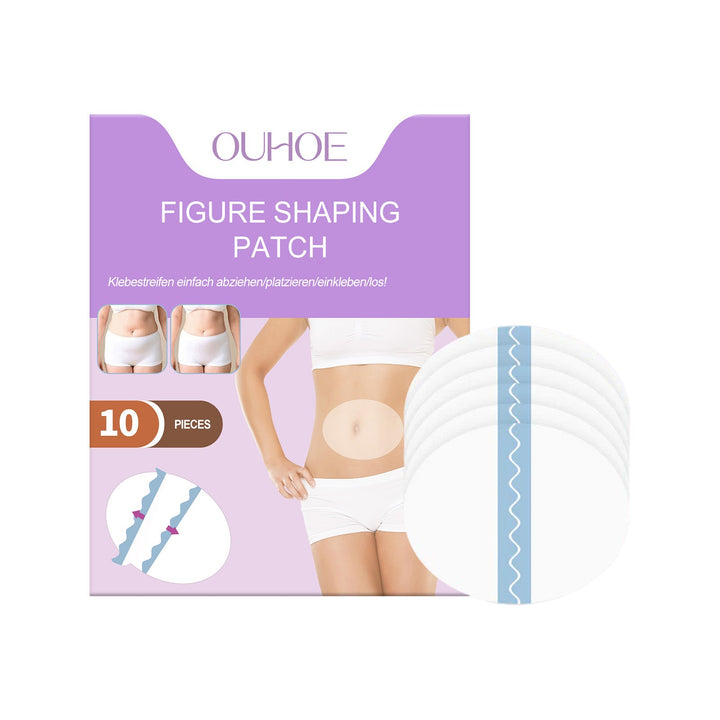
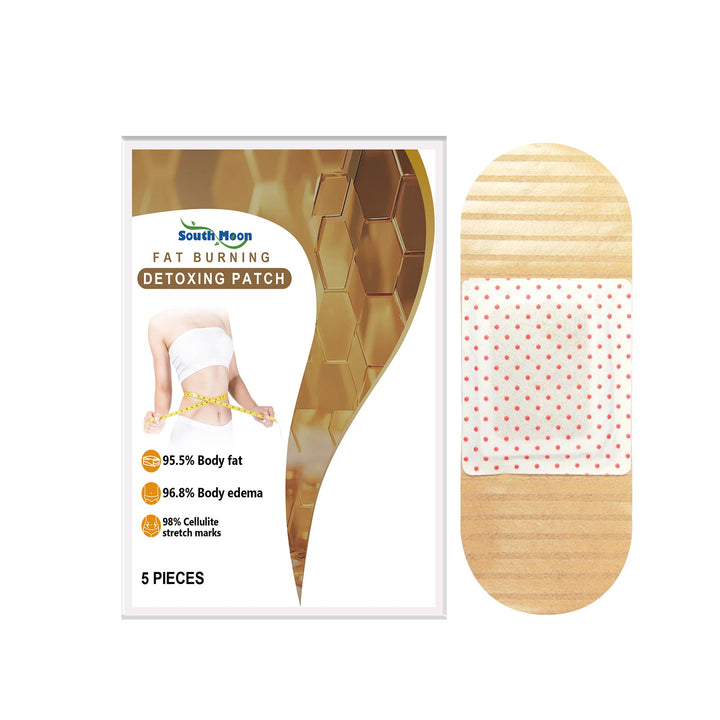
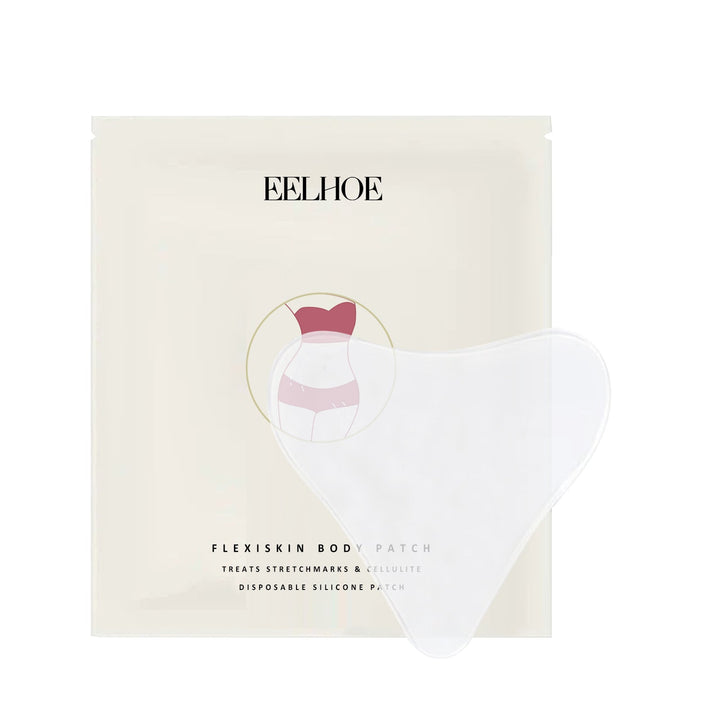
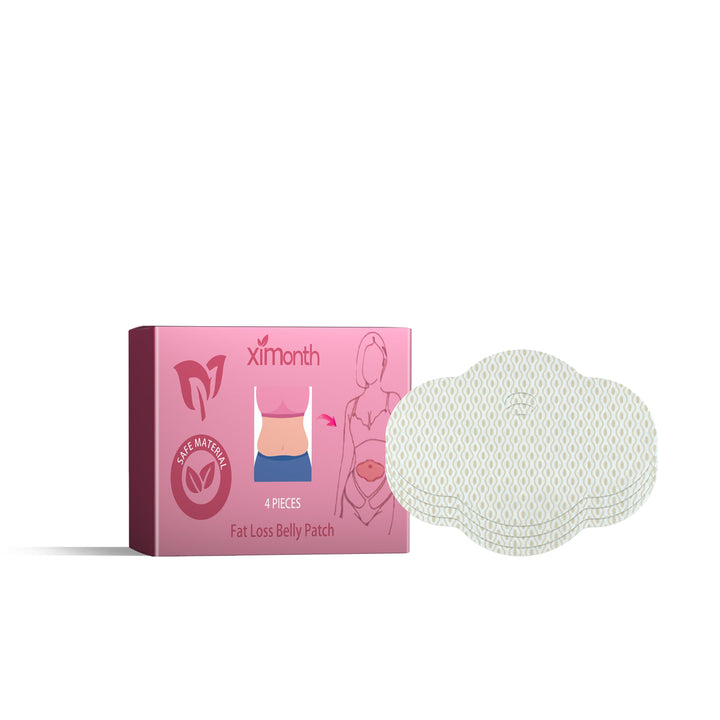


Body patches are adhesive products designed for targeted beauty, shaping, comfort, or skin-care routines. This category includes pimple-style patches for body areas, navel and belly patches, breast and décolletage wrinkle patches, firming patches, and discreet tummy-shaping options.
Start with the area and routine you want to support. For chest or cleavage care, choose breast wrinkle patches or a silicone décolletage patch made for the contours of that area. For a navel or abdominal routine, compare navel patches, belly patch sets, and body shaping patches by their intended placement and wear instructions. If your priority is appearance under clothing, an invisible tummy flattener patch may be the most practical option. Shoppers searching for body patches for weight loss should check the product description carefully: these products are positioned for shaping or cosmetic routines, not as a substitute for nutrition, exercise, or professional advice. Choose a patch that matches your skin sensitivity, preferred wear time, and desired level of discretion.
Body patches can be grouped by purpose and placement. Skin-care patches include breast wrinkle patches, silicone décolletage patches, and body firming patches for a focused daily routine. Navel and belly patches are designed around the central abdomen and may be selected for shaping, bloating-comfort routines, or a toned-feeling appearance, depending on the product description. Body pimple patches are a separate category intended for individual blemishes on areas such as the back, chest, or shoulders. Shoppers sometimes use “body patch” to mean an auto body patch or a self adhesive body patch for vehicle repair, but those are completely different products. For personal care, always confirm that the listing describes skin-safe use and the intended body area.
Look for clear information about placement, wear time, removal, materials, and skin compatibility. A self adhesive body patch should have instructions explaining whether it belongs on clean, dry skin and whether lotions, oils, or hair can reduce adhesion. For chest and cleavage products, check the shape and coverage so the patch sits smoothly without pulling the skin. For navel or belly products, consider whether the size suits the area and whether the patch can stay discreet beneath everyday clothing. If you want a patch for a simple routine, features such as individually packed pieces, a multi-pack, or an easy-peel backing can make regular use more convenient. Avoid choosing based only on phrases such as “firming” or “shaping”; read the product details to understand what the patch is designed to do cosmetically.
Clean and dry the intended area before application, unless the product instructions say otherwise. Do not apply over freshly moisturized, oily, irritated, sunburned, or broken skin. Remove the backing without touching the adhesive more than necessary, place the patch where directed, and smooth the edges so it lies flat. Navel and belly patches should be centered according to their instructions, while décolletage patches need careful positioning on the chest or cleavage area. Follow the listed wear time rather than leaving a patch on longer to increase its effect. Peel it away slowly; if it feels stuck, warm water may help loosen the adhesive. Stop using the product if you notice discomfort or a skin reaction, and check the package before combining it with other topical products.
A common mistake is applying a patch to damp skin, over body oil, or immediately after lotion, which can affect adhesion. Another is placing a chest patch too close to a sensitive area without checking the instructions or doing a small skin test first. Wearing a patch past the recommended time can increase the chance of irritation without improving the intended cosmetic routine. Shoppers also sometimes confuse body pimple patches with shaping or skin-care patches: a blemish patch is selected for an individual spot, while a navel, belly, or décolletage patch covers a different purpose and area. Do not cut, reuse, or move an adhesive patch unless the product directions specifically allow it. Finally, do not treat marketing language as a medical promise, and ask a qualified professional if you have a skin condition or concern.
Body patches may suit adults who prefer a targeted, low-effort addition to a personal-care routine. They can be useful for shoppers who want discreet chest or cleavage care, a daily navel or belly routine, support for a smoother-looking silhouette under clothes, or a convenient approach to body blemish care. They are not a universal solution, and suitability depends on the adhesive, materials, placement, and your skin’s sensitivity. People with allergies, recurring irritation, open skin, or an ongoing skin concern should review the ingredients and instructions and consider professional guidance before use. If you are pregnant, nursing, taking medication, or considering patches for a health-related purpose, seek advice from a qualified healthcare professional rather than relying on cosmetic product claims. Select only products clearly intended for skin use.
Place each patch only on the area named in its instructions and on clean, dry, intact skin. Navel and belly patches are positioned around the abdomen, while breast wrinkle and décolletage patches are shaped for the chest area. Avoid broken, irritated, freshly shaved, or sunburned skin.
This category contains cosmetic, shaping, comfort-routine, and skin-care patches rather than products that should be treated as medical pain-relief devices. For persistent, severe, or unexplained pain, consult a qualified healthcare professional and choose only a product specifically labeled and regulated for that intended use.
Pimple patches can be designed for individual blemishes on areas such as the chest, shoulders, or back, but suitability depends on the product instructions and the type of blemish. They should not be applied to widespread irritation, open wounds, or an undiagnosed skin condition. Follow the package directions and seek professional advice for persistent or severe acne.
Some prescription and over-the-counter patches are used for specific medical purposes, but those are different from cosmetic body patches in this category. Medical patches should be selected with guidance from a qualified healthcare professional and used exactly as directed. Do not assume a shaping, navel, or skin-care patch treats a medical condition.
There is no single universal three-type classification for every patch product. In personal care, shoppers commonly compare skin-care or blemish patches, shaping or appearance-focused patches, and comfort-routine patches; the exact purpose depends on the listing. Always check the intended body area, ingredients, adhesive, and instructions.
A body patch adheres to the skin and may provide a cosmetic, skin-care, shaping, or comfort-focused routine depending on its design. Some create a physical covering or smoothing effect, while others are marketed for targeted topical care. The product description and instructions explain its intended use; cosmetic patches should not be assumed to deliver medical effects.