$38.90
Free delivery · 7–14 days
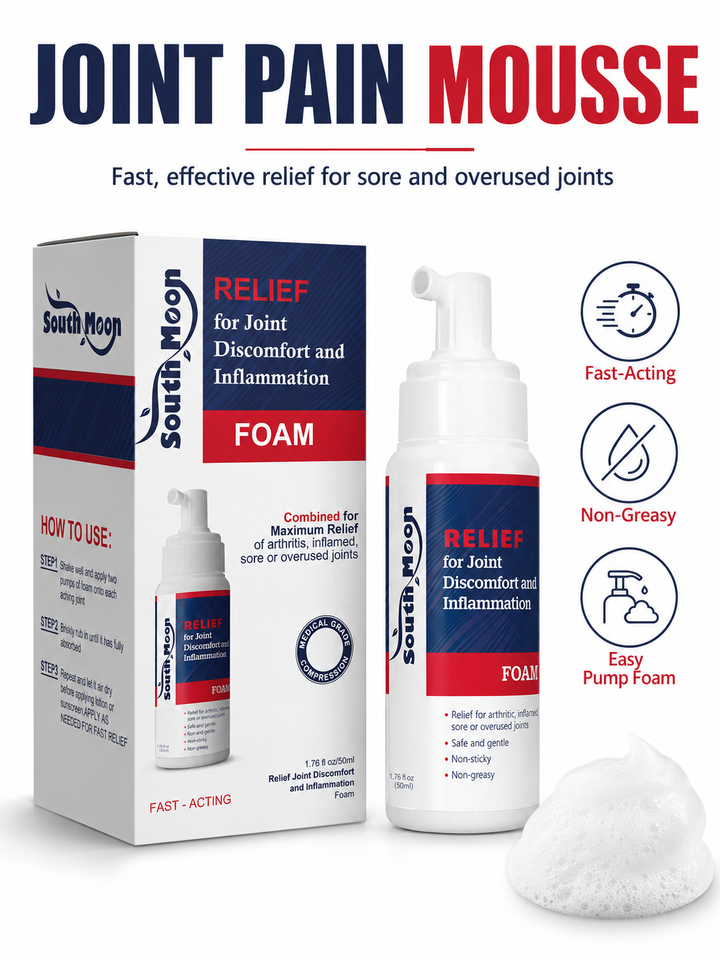
Joint Pain Relief Foam — Fast-Acting, Non-Greasy Comfort


Find knee braces, alignment support and topical joint-care options for everyday movement, walking and exercise. Use this guide to compare support levels, fit and product formats, then choose the option that matches your comfort needs and routine.
Start by identifying what you want the product to do. A knee brace or sleeve may provide a close, supportive fit during walking or exercise, while an alignment brace is designed for shoppers looking for support around inward or outward twisting. Topical products in this category, including creams, gels and foam, are applied to the skin rather than worn on the knee. Consider when you need support, how long you expect to wear it and whether you prefer a wearable product or a non-greasy topical format. Check the size guide before ordering a brace, and measure as directed rather than choosing by clothing size alone. If you are shopping for knee braces near me, compare fit, adjustability and return details before buying.
Knee supports are commonly grouped by how they are worn and the kind of support they provide. Sleeves slide over the knee and offer a close, flexible fit for everyday activities. Wraps use adjustable fasteners, making it easier to change the tightness during the day. Alignment or hinged styles are more structured and may suit shoppers seeking additional guidance around knee movement. This category includes a Knee Alignment Brace for inward and outward twist support, plus topical creams, gels and foam for people who prefer skin-applied joint-care products. When comparing types of knee braces, look at coverage, adjustability, bulk under clothing and ease of putting the item on. The best knee support for walking is the one that fits securely without restricting comfortable movement.
Look for a size range that matches your measurements, secure closures and materials that feel comfortable against your skin. Adjustable straps can help create a more personal fit, while a lower-profile design may be easier to wear under trousers. For knee support for exercise, consider whether the brace stays in place when you bend, walk or change direction. Avoid choosing a product solely because it feels very tight; excessive pressure can make the brace uncomfortable and may encourage you to wear it incorrectly. Also check care instructions, wearing guidance and the product description for its intended use. If you prefer relief without a wearable support, compare the available foam, menthol cream, herbal cream and plant-based gel formats instead.
For a brace, read the product instructions first, identify the front and back, and position it so the knee area is centered before fastening. Adjust straps gradually until the brace feels secure and comfortable, then check that you can walk and bend naturally. Remove it if you notice worsening discomfort, numbness, tingling or skin irritation. For creams, gels and foam, follow the label directions, apply only as instructed and wash your hands after use unless your hands are the application area. Keep topical products away from eyes and broken skin, and do not combine products unless their instructions allow it. A knee support for walking should complement comfortable movement, not replace sensible pacing or rest.
One common mistake is buying the wrong size or fastening a brace too tightly in the hope that more pressure means more support. Another is wearing a brace over irritated skin, ignoring rubbing or continuing to use it after discomfort develops. Shoppers may also choose a structured alignment brace when they only want a flexible sleeve, or expect a topical cream or gel to function like a brace. Use the product for its stated purpose and follow its wearing or application instructions. Do not rely on a brace to push through activities that make your knee feel worse. If your support moves, pinches or limits comfortable movement, remove it and reassess the fit. Compare knee braces for pain by comfort and intended use, not by appearance alone.
Knee support may suit adults who want a wearable layer of comfort and stability during everyday walking, exercise or other routine movement. A flexible sleeve or wrap can appeal to shoppers who prefer a lighter, less structured feel, while the Knee Alignment Brace is intended for those seeking support related to inward or outward twist. Topical options may suit people who do not want to wear a brace or who want a non-greasy foam, cooling menthol cream, herbal cream or plant-based gel format. A brace is not appropriate for every situation, and product descriptions cannot determine the cause of knee discomfort. Seek advice from a qualified healthcare professional if symptoms are severe, persistent, follow an injury or make normal movement difficult. Stop using any product that causes irritation or new discomfort.
A properly fitted knee brace can provide support and may make some activities feel more comfortable, but results depend on the brace type, fit and reason for wearing it. It should not be used to push through worsening discomfort. Follow the product instructions and seek professional advice for persistent or significant symptoms.
You may want to consider a brace if you are looking for added support during walking, exercise or routine movement, or if your knee feels weak or less secure during those activities. A product guide cannot identify the cause of discomfort, so consult a healthcare professional after an injury or when symptoms persist.
Do not wear a brace if it causes numbness, tingling, increasing pain, rubbing or skin irritation. Stop using it if it restricts comfortable movement or does not fit securely. For significant swelling, injury or symptoms that worsen, ask a healthcare professional whether a brace is suitable.
The best option depends on the support and fit you need. A flexible sleeve may suit light, close-fitting support, an adjustable wrap may offer easier tension changes, and an alignment brace may suit shoppers seeking more structured support around inward or outward twist. Check measurements and product instructions before choosing.
A common mistake is choosing a brace that is too tight or using support to continue an activity that is making your knee feel worse. Incorrect sizing, poor positioning and ignoring irritation can also reduce comfort. Use the product as directed and get professional guidance when symptoms are persistent or severe.
There is no single brace that suits everyone. The appropriate type depends on the intended activity, fit, comfort and the reason support is being considered. An orthopedic professional can recommend a suitable style for your circumstances; for general shopping, compare sleeves, wraps and alignment designs by their stated features and sizing.
Browse related: Shop all Joint Pain Relief Cream for Arthritis and Knee Pain · explore heated knee pads and knee warmers for joint pain relief.