
$118.90
Free delivery · 7–14 days
Inflatable Back Brace for Lumbar Pain Relief — Zero




Find support for ankle stability, foot alignment, arch comfort, and walking-related needs in one category. Choose a foot brace or related support by the area you want to stabilize, the activity you need help with, and the fit you can wear comfortably.
Start by identifying the area that needs support: the ankle, arch, top of the foot, toes, or the connection between the foot and lower leg. For ankle instability or recovery after a sprain, an Adjustable Ankle Brace offers compression and a more secure fit. For arch and joint discomfort, the Foot & Ankle Brace adds targeted arch support. If your foot tends to drop while walking, the Foot Drop Corrector Brace is designed to help position the foot during movement. Check the product sizing guide, measure as directed, and consider whether you need support inside a shoe, around the house, or during specific activities. A foot brace should feel supportive without creating numbness, rubbing, or excessive pressure.
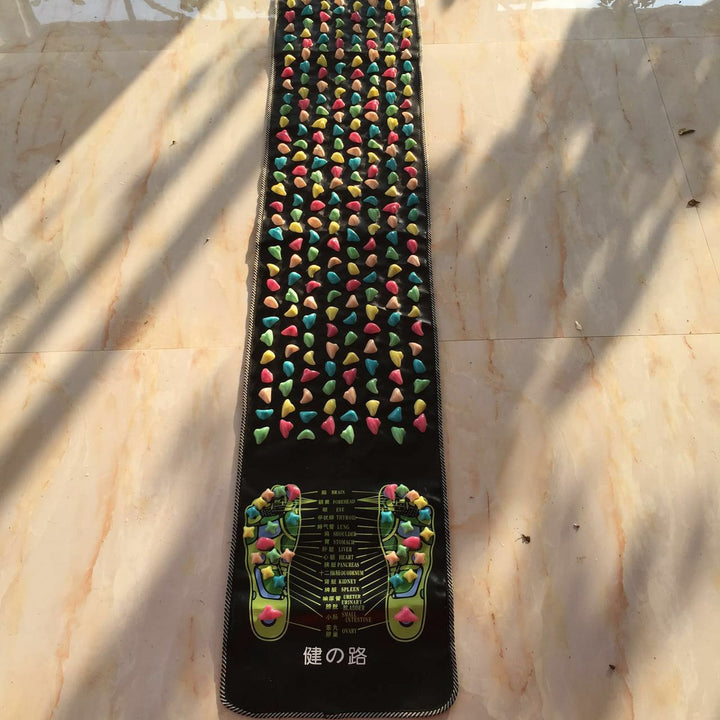
Foot braces serve different purposes, so comparing designs is more useful than choosing by appearance alone. A foot brace boot generally provides more coverage and structure than a lightweight ankle support, while the Foot Drop Corrector Brace focuses on guiding foot position during walking. The Adjustable Ankle Brace is suited to compression and anti-sprain support, and the Foot & Ankle Brace combines ankle coverage with arch support. For toe-focused needs, look for a design that leaves the toes free or provides the specific separation or alignment you require; not every orthopedic foot brace is made for toes. The Foot Massage Pad and Uric Soothing Pads are comfort accessories, not substitutes for a stabilizing brace.
Look for adjustable closures, breathable or comfortable contact areas, and a shape that matches the body part you want to support. If you will wear it in footwear, check its profile and confirm that your shoe has enough room; a bulky brace may not fit comfortably in a narrow shoe. For a foot brace for sprain concerns, prioritize secure ankle coverage and a closure that stays in place while walking. For a foot brace for fracture concerns, do not assume a general brace provides the immobilization or protection you need. Review the size chart, materials, washing instructions, and whether the brace is intended for the left foot, right foot, or either side. Replace it if straps, seams, or padding become damaged.
Read the product instructions before the first use and adjust the brace while seated so the foot is supported without being squeezed. Wear a clean, smooth sock when recommended, and check the skin after removing the brace for rubbing, redness, or pressure marks. Begin with the activity and wear time suggested for that product rather than assuming you can wear a foot brace all day. Remove it for cleaning and inspect the skin regularly, especially if you have reduced sensation. A brace should not cause increasing pain, tingling, numbness, color changes, or swelling. Stop using it and seek professional advice if these symptoms appear or if your condition worsens. Keep walking footwear roomy enough to avoid extra pressure.
A common mistake is selecting a brace by the broad label “foot pain” without identifying the source or location of discomfort. Another is tightening the support too much, which can cause rubbing and make walking less comfortable. Shoppers also sometimes wear a new brace for long periods immediately, place it over wrinkled socks, or use it in shoes that are too narrow. Do not rely on a general foot brace to manage a suspected fracture, severe injury, or a condition that has not been assessed. Avoid choosing a foot brace to straighten the foot based only on product photos; alignment needs vary, and a brace may not change the underlying structure. Compare the intended use, fit, and return information before buying.
A foot brace may suit adults seeking added support during walking, exercise, daily tasks, or recovery from a minor strain, depending on the product instructions. The Foot Drop Corrector Brace is aimed at people seeking help with foot positioning while walking, while the Adjustable Ankle Brace is intended for adjustable ankle compression and support. The Foot & Ankle Brace may suit shoppers looking for arch and ankle coverage. If you are searching for a foot brace near me because of sudden severe pain, an obvious deformity, inability to bear weight, major swelling, or an injury, contact a healthcare professional rather than relying on an online purchase. Children, people with circulation or sensation concerns, and anyone with a diagnosed condition should ask a clinician which support is appropriate.
A foot brace can provide compression, support, cushioning, or guidance for part of the foot and ankle. Its effect depends on the design: an ankle brace supports the ankle area, an arch-support brace targets the midfoot, and a foot-drop brace is designed to help position the foot during walking. It does not replace an evaluation for a serious or unexplained problem.
Not every foot brace is intended for all-day wear. Follow the product instructions, introduce it gradually, and remove it to check for rubbing, numbness, tingling, color changes, or increased pain. If discomfort continues or you have reduced sensation or circulation concerns, ask a healthcare professional before extended use.
The Foot Drop Corrector Brace in this category is designed to help guide foot position during walking. The best choice depends on fit, shoe compatibility, comfort, and the support recommended for your situation. If foot drop is new, worsening, or affecting your safety, seek professional assessment before choosing a brace.
Some people use braces for ankle instability, support after a minor sprain, foot-drop positioning, or arch and joint comfort. The appropriate design depends on the condition and the amount of support required. Suspected fractures, significant injuries, deformity, or persistent unexplained pain should be assessed by a healthcare professional rather than treated with a general brace.
There is no single best brace for every type of foot pain. Choose based on location and need: the Adjustable Ankle Brace is for adjustable ankle compression, while the Foot & Ankle Brace provides arch and ankle support. A massage pad or soothing foot pads may offer comfort but are not stabilizing braces.
Seek prompt medical advice for severe or rapidly increasing pain, inability to bear weight, an obvious change in shape or position, sudden major swelling or bruising, or numbness and color changes. A wound that is not healing, spreading redness, or warmth with feeling unwell also warrants attention. These signs should not be managed only by buying a foot brace.