
$64.90
Free delivery · 7–14 days
Autumn Fragrance Oils Set for Cozy Home Atmosphere












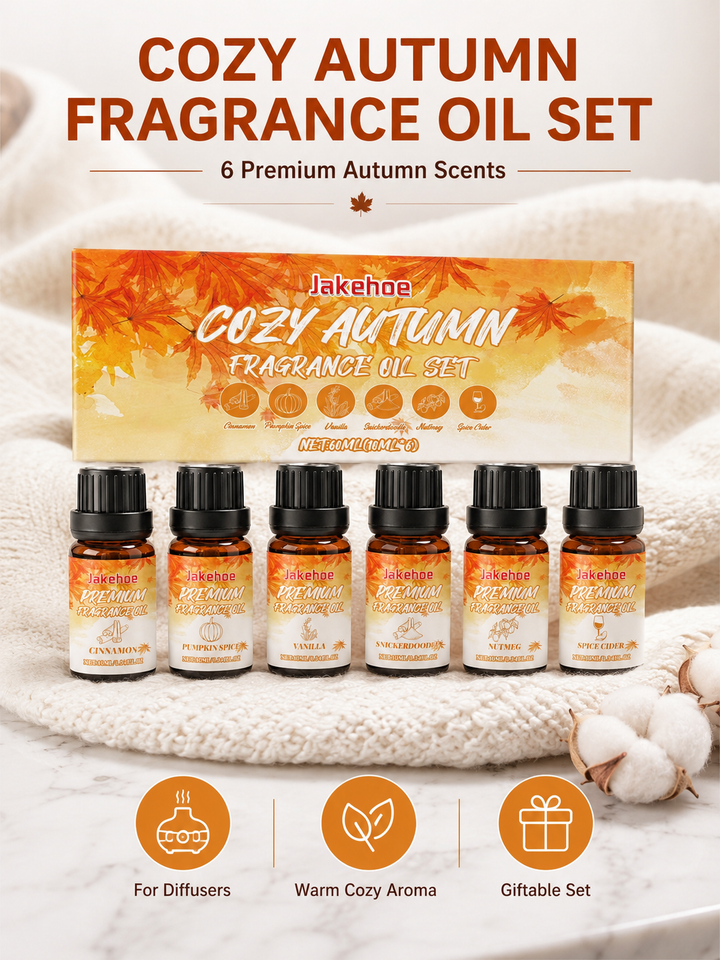

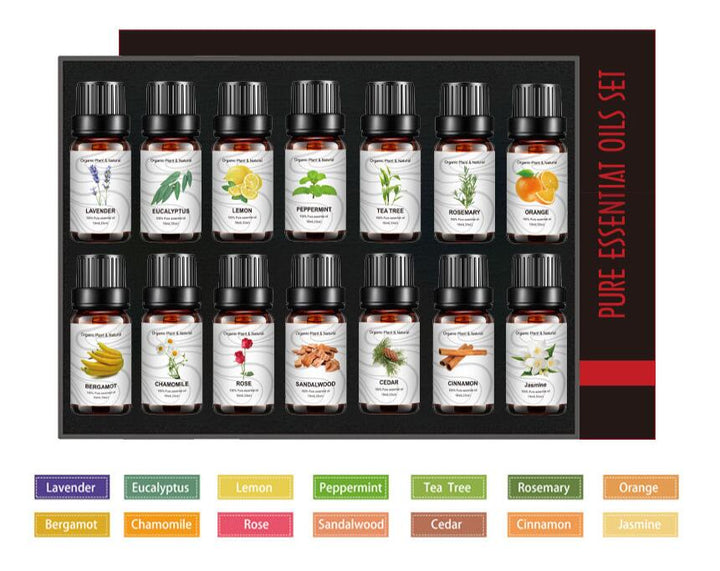
Explore aromatherapy oils, diffuser sets and fragrance blends for home rituals, massage-inspired routines and seasonal atmosphere. Choose from single oils, multi-scent collections and practical options such as portable sprays, with product details to help you compare scent, format and intended use.
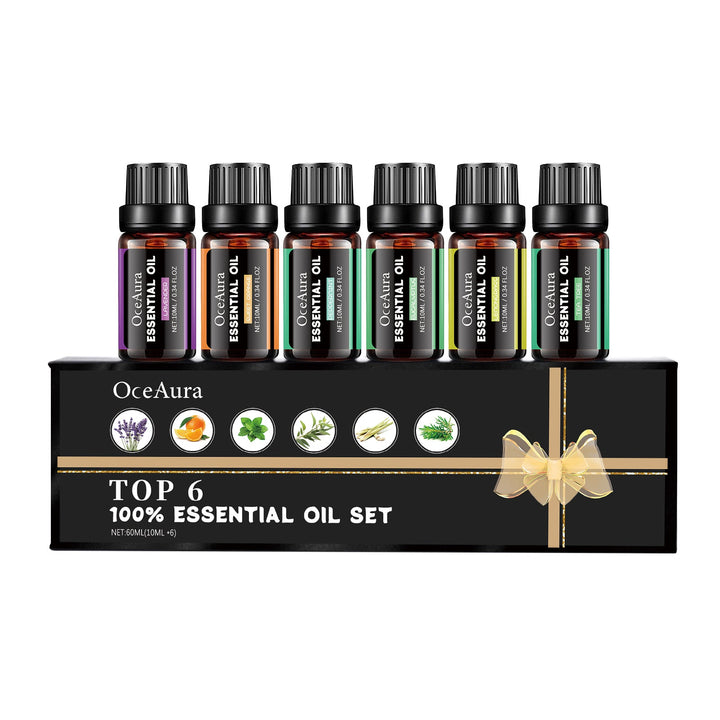
Start with the experience you want to create: a warm seasonal atmosphere, a fresh home fragrance or a quieter evening routine. A multi-scent set gives you variety, while a single oil such as cedarwood or chamomile suits shoppers who already know their preferred profile. Check whether the product is intended for diffusion, topical use, massage-style application or general fragrance. The Cedarwood Essential Oil Massage Oil for Dry Skin is positioned for skin-focused routines, while the Essential Oil Set, 6 Fresh Scents for Home Fragrance is designed for changing the room scent. If you are buying an aromatherapy diffuser, confirm that the oil format is compatible with the device and follow its instructions.
Aromatherapy products can be compared by format rather than by one universal set of “types.” Diffuser oils are used to scent a room through a compatible diffuser; fragrance oil sets offer several profiles for home atmosphere; massage oils are blended for a topical, glide-friendly routine; and sprays provide a portable way to add scent without carrying a diffuser. This category includes cozy winter and autumn fragrance sets, fresh home-fragrance collections, cedarwood massage oil, chamomile oil, hair oil and a portable mosquito repellent spray with essential oils. A tablet is a different product format and should not be assumed to be interchangeable with diffuser or topical oils.
Read the product title and details for the intended use, scent profile, bottle or set size, and application instructions. For home use, look for language such as “home fragrance,” “fresh scents” or “cozy atmosphere.” For a body routine, check whether the product is specifically described as massage oil or hair oil rather than assuming every essential oil is suitable for skin or hair. A set with 14 pure scents offers more choice for experimenting, while a six-scent collection may be easier to rotate through. Also review ingredient information, storage guidance and any warnings. If you are sensitive to fragrance, begin with a small amount in a well-ventilated space and stop using it if irritation occurs.
Use each product only in the way stated on its label. For diffuser use, add the recommended amount to a compatible device and keep the area ventilated; do not place undiluted oil directly on skin unless the product specifically indicates that use. Massage oils should be applied according to their instructions, with a patch test on a small area first if recommended. Keep essential oils and sprays away from eyes, mouth, damaged skin, children and pets, and store bottles closed and out of direct heat or sunlight. Do not ingest oils or use a fragrance oil in a diffuser unless the product information says it is suitable. Clean the diffuser between scents as directed.
A common mistake is treating every oil as interchangeable. Home-fragrance oils, essential oils, massage oils and hair oils can have different intended uses, so check the label before diffusing or applying one. Another is assuming that more scent is better; begin with the stated amount and adjust gradually. Avoid applying undiluted essential oil to skin, adding oils to bath water without suitable dispersal guidance, or using a portable spray as a substitute for a skin product. Do not combine scents before checking how they work together, and keep seasonal sets away from heat and sunlight. If a scent causes discomfort, discontinue use and air out the room rather than trying to cover it with more fragrance.
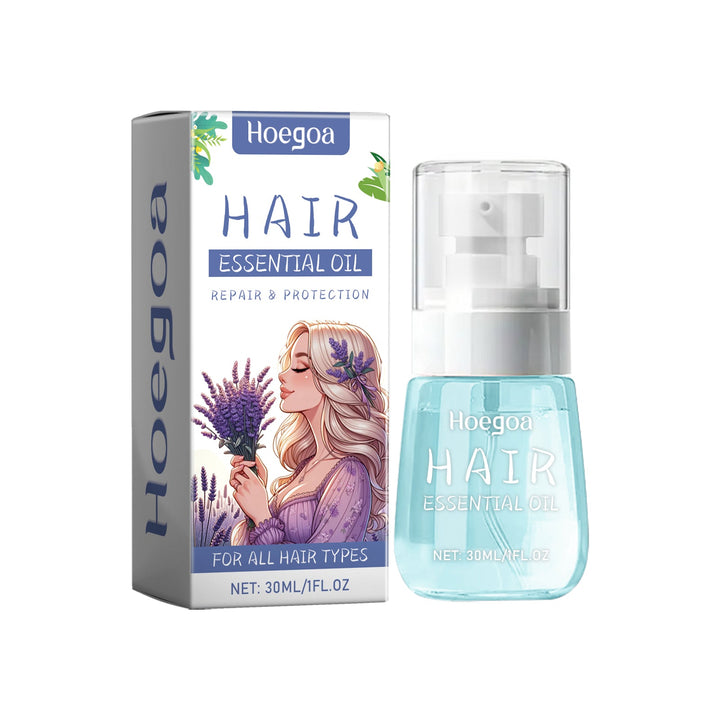
Aromatherapy can suit shoppers who enjoy scented home rituals, rotating seasonal fragrances or adding a pleasant aroma to a relaxation routine. A fresh-scent set may work well for everyday home fragrance, while the Cozy Winter Relaxation and Autumn Fragrance Oils sets are useful for seasonal atmosphere. Cedarwood massage oil and hair essential oil are more targeted choices for shoppers seeking a body-care or hair-care routine, subject to the product directions. People who are fragrance-sensitive, pregnant, managing a health condition, or choosing products for children or pets should review the label and seek professional advice before use. Aromatherapy is a sensory product category, not a replacement for medical care or prescribed treatment.
Aromatherapy generally refers to using scented essential oils or fragrance products in routines such as room diffusion, massage-style application or personal care. In this category, products are intended for home atmosphere, fragrance exploration and selected body or hair routines according to their labels. They should not be treated as a replacement for medical care.
There is no single official three-part classification used for every aromatherapy product. Shoppers commonly compare home diffusion, topical routines such as massage, and personal-care or bath-and-body fragrance products. Always follow the specific product instructions because an oil intended for one use may not be suitable for another.
Potential concerns include skin or eye irritation, fragrance sensitivity, accidental ingestion and unsafe use around children or pets. Undiluted oils can be unsuitable for topical use, and some products may not be appropriate during pregnancy or with certain health conditions. Read the label, use ventilation, keep products out of reach and seek professional advice when unsure.
Some people enjoy calming scents as part of a personal relaxation routine, but aromatherapy should not be presented as a treatment for anxiety. Scent preferences vary, and any effect may be subjective. If anxiety is persistent, severe or affecting daily life, speak with a qualified healthcare professional.
The 3-3-3 rule is a grounding technique often described as noticing three things you see, three things you hear and moving or naming three parts of your body. It is not an aromatherapy method and is not a substitute for professional support. If anxiety feels overwhelming or unsafe, contact an appropriate healthcare service.
There is no single scent that calms everyone. Shoppers often explore gentle profiles such as chamomile or cedarwood, but personal preference, scent strength and context matter. Start with a light amount in a ventilated space and choose the product format that matches your intended use.