
$44.90
Free delivery · 7–14 days
Herbal Foot Soak Bags — Soothe Tired Feet & Boost Circulation


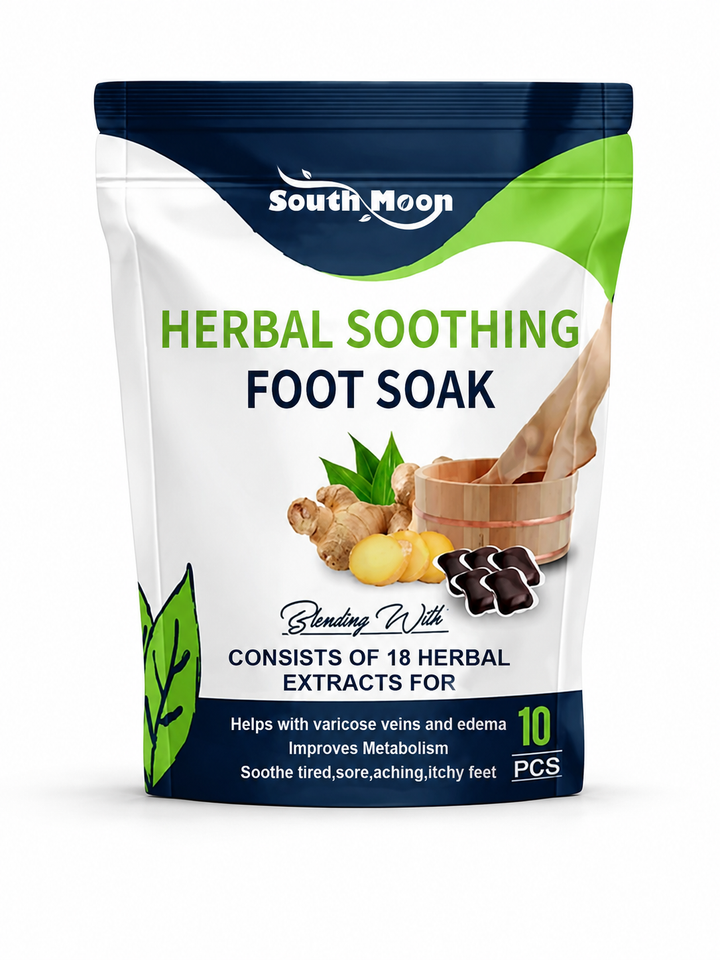


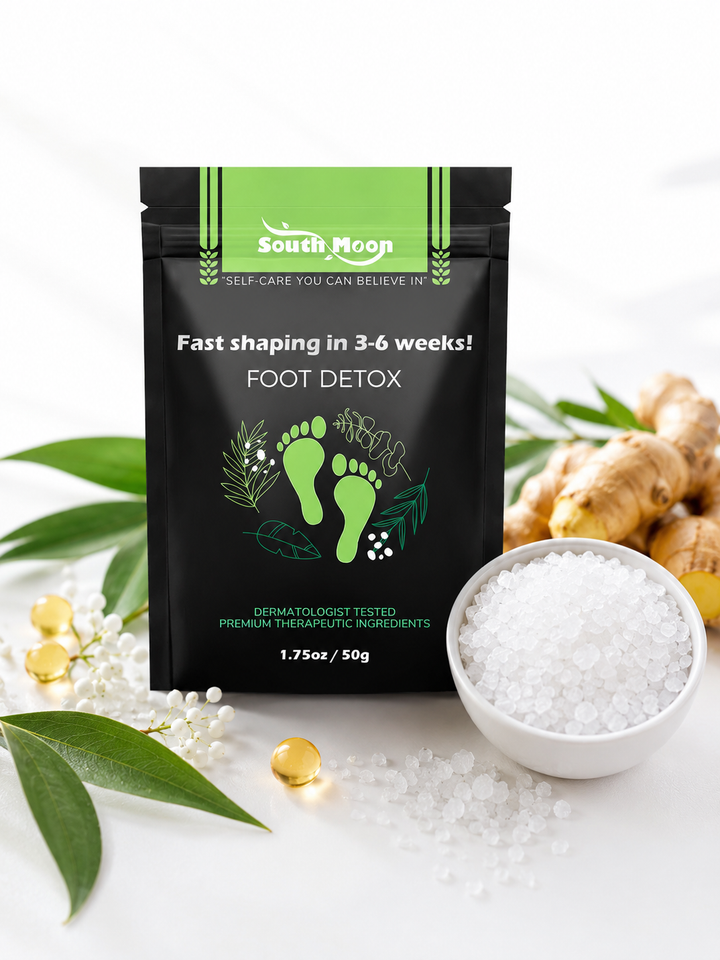


Foot bath salts make it easy to create a warm, relaxing soak at home, whether you prefer Epsom salt, sea salt, essential oils, herbs, beads, or bath bombs. Compare ingredients, scent, format, and skin feel to find a foot soak that fits your routine without overpromising results.
Start with the experience you want from your foot soak. Epsom salt is a popular choice for a simple, unscented soak, while sea salt adds a different mineral texture and herbal blends provide fragrance and a more prepared format. Choose essential-oil salts or bath bombs if you enjoy scented products, but check the ingredient list if your skin is sensitive to fragrance. Foot soak bags and beads are convenient when you want less loose material in the basin. For occasional use after a long day, look for soothing, moisturising, or softening ingredients. If you want a homemade foot soak, use a clearly measured salt product and warm—not hot—water.
There is no single best foot bath salt for everyone. Epsom salt is widely used for straightforward foot soaks and dissolves readily in warm water. Sea salt may appeal to shoppers who prefer a coarser salt texture or a mineral-inspired bathing experience. Blended foot bath salts can include herbs, oils, or moisturising ingredients for a more aromatic and polished routine. Bath bombs offer convenience and fizz, while foot soak beads and bags can make preparation and cleanup easier. Compare the full ingredient list, scent strength, grain size, and packaging rather than choosing by the word “natural” alone. Avoid products containing ingredients you already know irritate your skin.
Check whether the product is intended for feet, a full bath, or both, and follow the package directions for the amount to use. Useful details include the salt base, added botanicals, essential oils, fragrance, colourants, and any moisturising ingredients. A resealable package helps protect loose salts from humidity, while pre-portioned bags reduce measuring and mess. Consider texture too: coarse crystals may take longer to dissolve, whereas fine salts can disperse quickly. Products such as herbal foot soak bags, foot bath beads, and essential-oil salts suit shoppers who want a defined format. If you are buying for shared household use, choose a scent that is not overpowering and avoid making treatment claims based only on product wording.
Use the amount stated on the Epsom salt or foot soak package, since concentration and product formats vary. Fill a clean basin with comfortably warm water, add the measured salts, and stir until they are dispersed before placing your feet in the basin. Keep the soak within the time recommended on the label, then rinse if the instructions call for it and dry carefully, especially between the toes. Apply a plain moisturiser to dry areas if needed, avoiding product between the toes when moisture tends to remain there. Clean and dry the basin after use. Do not use very hot water, and stop if you notice stinging, redness, or other irritation.
A common mistake is assuming that more salt or longer soaking automatically gives a better result. Follow the label instead, because excessive salt, heat, fragrance, or soaking time can leave some skin feeling dry or irritated. Do not use a scented blend on cracked, freshly shaved, or irritated skin without checking its ingredients first. Avoid sharing an unclean basin, and dry feet thoroughly after every soak. Foot bath salts are not a substitute for evaluation of persistent pain, swelling, wounds, itching, scaling, or suspected infection. In particular, do not rely on Epsom salt for foot fungus as a proven treatment. If you have reduced sensation, circulation concerns, diabetes, open skin, or another foot condition, ask a qualified healthcare professional before soaking.
Foot bath salts suit shoppers who enjoy a warm at-home foot-care ritual, want a simple way to soften the feel of dry skin, or prefer a scented soak after standing or walking. Choose an unscented Epsom or sea-salt formula for a minimalist routine, or select herbal blends, bath bombs, beads, and soak bags for added convenience and sensory appeal. Products marketed for body sculpting, joint relief, or vein support should be viewed as bath products rather than replacements for medical care; product labels should guide use without guaranteeing those outcomes. People with sensitive or broken skin should be especially cautious with essential oils and fragrance. Those with diabetes, reduced sensation, circulation problems, or ongoing foot symptoms should seek professional advice before using a foot soak.
They can be a convenient addition to a relaxing foot-care routine and may help the skin feel cleaner or softer, depending on the formula. Benefits vary by ingredients and individual skin sensitivity, so follow the label and stop use if irritation occurs.
Epsom salt is a common choice for a simple foot soak, while sea salt and blended products offer different textures, scents, and added ingredients. The best option depends on your preferences, skin sensitivity, and the directions on the product.
There is no universal soak used by every podiatrist. A healthcare professional may recommend a specific approach based on the condition of the feet, so do not assume a retail salt, herbal blend, or essential-oil product is appropriate for a foot problem.
For many people, comfortably warm plain water is a simple option with few ingredients that could cause irritation. If you add Epsom salt, sea salt, herbs, or oils, follow the product directions and avoid soaking if you have open skin or a condition for which a professional has advised against it.
Daily soaking may leave some skin dry or irritated, especially when the water is hot or the salt concentration is high. Use the package directions, moisturise dry areas as appropriate, and ask a healthcare professional before making daily foot soaks part of your routine if you have diabetes, reduced sensation, circulation concerns, or foot symptoms.
A simple homemade option is comfortably warm water with a measured amount of a plain salt product, following its directions. Avoid adding multiple essential oils or harsh ingredients, and do not use a homemade soak to treat suspected fungus, wounds, persistent pain, or other ongoing foot concerns.