$44.90
Free delivery · 7–14 days
Daily Cooling Spray for Muscle Care


An oral relief spray can be convenient for targeted mouth or throat discomfort, but the right choice depends on the product’s intended use and ingredients. This category includes several topical sprays for joints, bruises, hemorrhoid discomfort, and other uses, so check the label carefully before applying any product inside the mouth.
Start with the location of your discomfort: mouth, gums, tongue, or throat. Then confirm that the product is specifically labeled for oral use and read its directions, active ingredients, age guidance, and warnings. A spray intended for skin, joints, bruises, or hemorrhoid discomfort should not be used in the mouth. Among the products listed here, the Bee Venom Toothache Spray is the item most closely aligned with tooth and gum comfort, while the Kidney Support Herbal Oral Spray has a different intended purpose and should not be treated as a mouth-pain or sore-throat spray. If you are comparing an oral throat spray with lozenges or a product such as Chloraseptic spray for sore throat, compare the label instructions rather than relying on the format alone.
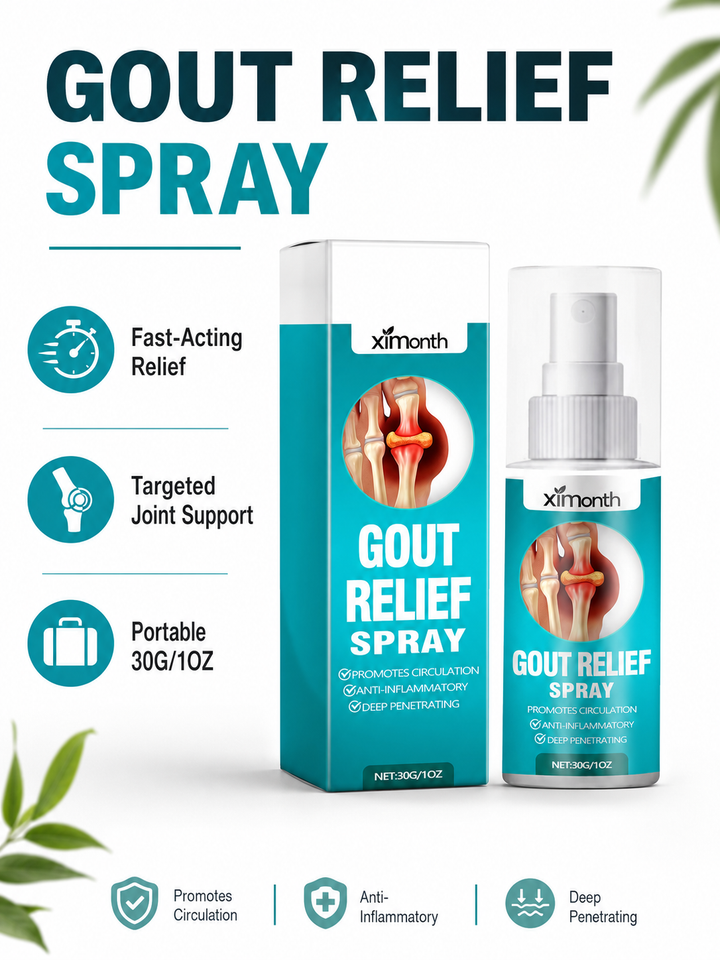
Oral sprays generally fall into a few practical groups: products labeled for tooth or gum discomfort, sprays intended for sore-throat comfort, and oral products marketed for a specific herbal or wellness purpose. A mouth-pain spray may be designed for a small area, while a throat spray may be directed toward the back of the throat. They are not automatically interchangeable. Shoppers searching for a best sore throat spray, a throat spray for dry throat, or a throat spray for laryngitis should look for wording that matches that concern on the package. The products in this catalog also include Gout Relief Spray, Joint Pain Relief Spray, Tiger Oil Spray, Ginger Joint Pain Relief Spray, Bruise Relief Spray, and Hemorrhoid Relief Spray; these are topical products for other uses and should not be selected as oral or throat sprays.
Look for clear labeling that states where the spray can be used, how much to apply, how often it may be used, and whether it is intended for adults or children. Review the full ingredient list for substances you need to avoid, including fragrances, botanical ingredients, or bee-derived ingredients if you have a known sensitivity. A directional nozzle can help target the intended area, but it does not make a non-oral product suitable for mouth use. For an itchy throat or dry throat, shoppers often compare sprays with lozenges throat spray combinations, but convenience and flavor are personal preferences rather than proof that one option is best. Do not choose a product based only on words such as “natural,” “instant,” or “fast-acting”; match the stated use to your needs.
Read the product label before the first use and follow its instructions exactly. Usually, this means aiming the nozzle at the labeled area, using only the directed amount, and avoiding contact with the eyes. Do not spray a topical joint, muscle, bruise, or hemorrhoid product into the mouth. For an oral product, check whether the directions say to avoid eating or drinking immediately afterward, and do not exceed the stated frequency. Keep the container away from children and store it as instructed. If the spray causes burning, swelling, rash, breathing difficulty, or another unexpected reaction, stop using it and seek appropriate medical advice. When using a tooth or gum spray, arrange dental care for persistent or worsening pain rather than repeatedly masking the symptom.
The most common mistake is confusing an oral spray with a topical spray. Product names containing “relief spray” do not by themselves indicate that a formula is safe for the mouth or throat. Another mistake is choosing a product because it appears in a search for Walgreens oral relief sore throat spray or another retailer query without checking the exact formulation and intended use. Shoppers may also assume that a numbing sensation means the product is suitable for every type of pain, or use it more often than the label permits. Avoid combining several products with overlapping ingredients unless a qualified professional confirms that it is appropriate. Check expiry information, packaging condition, and storage instructions, and ask a pharmacist or clinician when symptoms are severe, recurrent, or difficult to identify.
An oral relief spray may suit shoppers who prefer a portable, targeted format and whose discomfort matches the product’s labeled use. It may be convenient for occasional tooth or gum discomfort when the Bee Venom Toothache Spray’s directions and ingredients are appropriate for them. However, it is not automatically suitable for children, people with allergies, pregnant or breastfeeding people, or anyone taking medicines; these shoppers should review the label and ask a healthcare professional when unsure. People with trouble breathing or swallowing, significant swelling, fever, injury, or persistent mouth pain should seek prompt professional advice rather than relying only on a spray. If your main concern is a dry, itchy, or hoarse throat, choose a product explicitly labeled for throat use instead of repurposing another topical spray.
Choose a product explicitly labeled for mouth, tooth, or gum discomfort and check its ingredients and warnings. In this category, Bee Venom Toothache Spray is the product most closely related to tooth and gum relief, but review the label carefully, especially if you may be sensitive to bee-derived ingredients. Persistent, severe, or unexplained pain should be assessed by a dental or healthcare professional.
An oral spray may provide temporary comfort when used as directed for the specific area and concern listed on its label. Results can vary by product, ingredients, and the cause of discomfort. A spray should not be used as a substitute for evaluation when symptoms continue or worsen.
There is no single best option for everyone. Compare the labeled use, active ingredients, warnings, age guidance, and directions, and select only a product intended for the mouth or throat. Do not use joint, muscle, bruise, or hemorrhoid sprays as oral numbing products.
The duration depends on the formula, the area treated, and the individual, so use the product’s label rather than assuming a fixed time. Do not reapply more often than directed. If you need frequent applications or the discomfort keeps returning, ask a pharmacist, dentist, or clinician for guidance.
Read the package directions, aim the nozzle only at the labeled area, and use the stated amount and frequency. Avoid the eyes, do not swallow more than directed, and check whether eating or drinking should be delayed. Never use a spray intended for skin or joints inside the mouth.
The best choice depends on whether you want comfort for a sore, dry, itchy, or hoarse throat and which ingredients you can safely use. Select a product specifically labeled for throat use and compare its directions with alternatives such as lozenges. If swallowing or breathing is difficult, or symptoms are severe or persistent, seek medical advice.