$44.90
Free delivery · 7–14 days
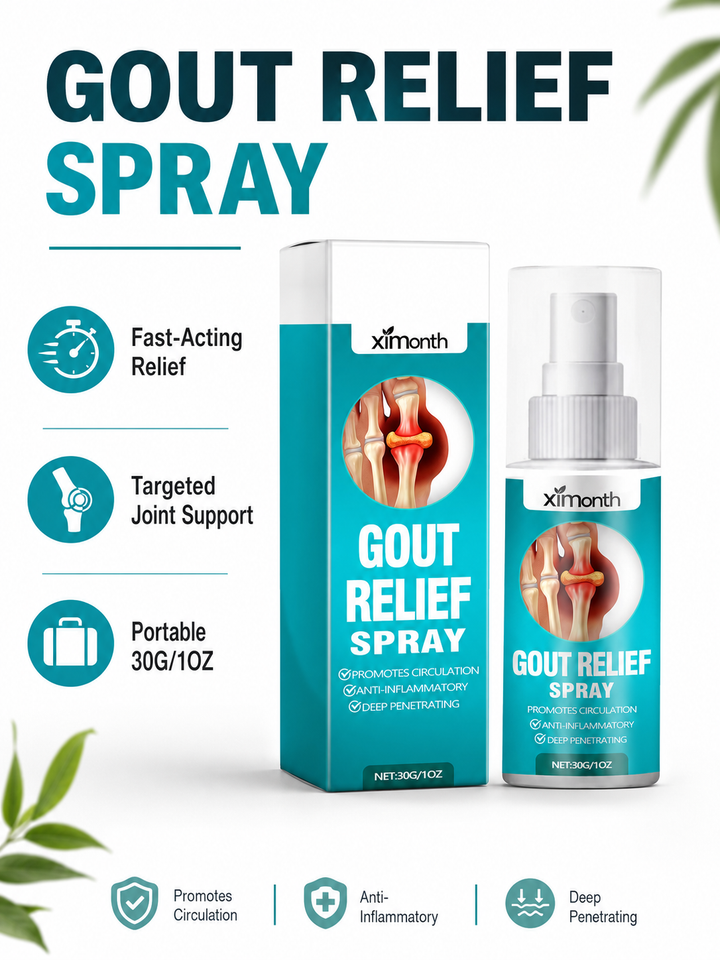
Daily Cooling Spray for Muscle Care


Gout relief pain products in this category are topical options for areas such as the foot, toe, ankle, and other sore joints. Compare the format, ingredients, application method, and personal sensitivities before choosing a spray, patch, gel, cream, or ointment.
Start by considering where you need to apply the product and how often you want to reapply it. A spray can be convenient for hands-free application, while a gel or cream may be easier to massage around a small area such as a toe or ankle. A patch offers a covered, no-mess format for wear according to its label directions. Ointments generally have a richer texture and may suit shoppers who prefer a product that stays on the skin. Review the ingredient list for herbal extracts, bee venom, fragrances, and other components that may not suit you. These topical products are intended for external use and should not be treated as a cure for gout or a substitute for professional advice.
Choose a gout relief spray when quick, broad application is your priority and you want to avoid rubbing a tender area. Select a foot joint relief patch when you prefer a discreet, contained application that follows a set wear period. Gout pain relief gel usually has a lighter feel and can be spread over the surrounding joint, while gout relief cream is a familiar option for routine application. Ointments, including bee venom joint ointment, are typically thicker and may feel more protective on the skin. Compare the product instructions, texture, scent, coverage, and ingredient profile rather than assuming one format is best for every flare or every shopper.
Look for clear directions covering how much to apply, how often to use it, where not to apply it, and whether the area should be covered. An easy-to-read ingredient list is especially important for herbal products and bee venom ointment. Avoid products that require application to broken, irritated, or infected skin unless a qualified professional tells you otherwise. Consider packaging that fits your routine: a pump or spray for quick use, a tube for controlled application, or individually packaged patches for travel. Check the product size and storage instructions, and read any warnings about skin testing or sensitivity. Stop using a topical product if significant irritation develops.
Read the label before each use, then clean and dry the target area unless the instructions say otherwise. Apply spray, gel, cream, or ointment only to intact skin and keep it away from the eyes, mouth, and other sensitive areas. Use a small amount first if the instructions permit, and wash your hands after application. For a patch, place it only on clean, dry skin and follow the stated wear and removal directions; do not cut or reuse it unless the label says you can. Do not combine several topical products on the same area without guidance. Seek prompt medical care for severe or worsening pain, marked swelling, fever, or a first-time suspected gout attack.
One common mistake is relying on a topical product alone when symptoms are severe, recurring, or unexplained. Another is applying a product to broken skin, wrapping the area tightly, or using more than the label recommends in an attempt to get faster relief. Mixing a spray, patch, gel, and ointment can increase skin exposure and make irritation harder to identify. Shoppers may also overlook ingredient sensitivities, particularly with herbal formulas, fragrance, or bee venom. Avoid delaying professional advice because a flare happens at night or because a home remedy seems familiar. Gout management can involve more than topical comfort care, so discuss repeated attacks, medicines, diet, and fluid intake with a qualified healthcare professional.
These products may suit adults looking for an external comfort option for a localized sore area around the foot or another joint, provided the product instructions fit their situation. They are not automatically suitable for children, people with sensitive or damaged skin, or anyone with a known allergy to an ingredient. Bee venom ointment deserves particular caution for shoppers with bee or insect-venom allergies. If you are pregnant, breastfeeding, taking medicines, managing a long-term condition, or unsure whether the pain is gout, ask a healthcare professional before use. A topical product should complement—not replace—medical evaluation when attacks are frequent, unusually painful, or accompanied by fever or spreading redness.
Night-time flares may be related to changes in body conditions while sleeping, including lower fluid intake and changes in temperature or circulation. The exact reason can vary, and nighttime pain is not enough to confirm gout. If attacks repeat or disrupt sleep, ask a healthcare professional for an evaluation and treatment plan.
For a localized area, shoppers may consider an external spray, patch, gel, cream, or ointment used exactly as directed. Resting the joint and discussing appropriate treatment with a healthcare professional may also help. Do not apply topical products to broken skin, and seek care for severe swelling, fever, spreading redness, or a first suspected attack.
There is no single immediate remedy that works for everyone. A labeled topical product may provide a convenient comfort option, while a healthcare professional can advise on treatments appropriate for an active flare. Avoid combining several products or exceeding label directions, and seek prompt care if pain is intense, worsening, or accompanied by fever.
Diet choices should be personalized, but many people discuss a balanced eating pattern that includes vegetables, whole grains, and suitable protein sources with a healthcare professional. Foods and drinks can affect different people differently, so keeping a symptom and food record may be useful. Do not make major dietary changes without advice if you have other health conditions.
No drink can reliably flush gout out of the body or replace treatment. Drinking adequate fluids may be part of general gout self-care, but the right amount depends on your health and any fluid restrictions. Ask a healthcare professional about hydration, alcohol, sugary drinks, and other beverages relevant to your situation.
There is not one universal trigger for every person. Commonly discussed factors include dehydration, alcohol, certain foods, illness, stress on the body, and changes in medication, but individual patterns differ. Record what happens before attacks and review recurring triggers with a qualified healthcare professional.