$69.90
Free delivery · 7–14 days
Portable Hand Warmers | Air-Activated Lasting Heat






Heated vests use battery-powered warming elements to add heat over your core, making them useful for cold commutes, outdoor work, travel, and recreation. This guide explains what to compare before buying; please note that the current products listed in this category are warming accessories rather than wearable heated vests.
Start by matching the vest to how and where you plan to wear it. For outdoor activities, look for adjustable heat settings, a secure battery pocket, comfortable insulation, and a fit that leaves room for a base layer. A rechargeable heated vest is convenient when you can charge the battery between uses, while a vest with a removable battery is easier to pack and maintain. Check the size chart carefully, especially around the chest, waist, and arm openings. Heated vests men and heated vests women may use different cuts, but comfort and unrestricted movement matter more than the label. If you are comparing heated vests on Amazon, Costco, or other retailers, review the included battery, charger, care instructions, and return policy rather than comparing the vest price alone.
A heated vest warms the torso while leaving the arms less restricted, so it can work well under a coat or over a long-sleeve layer. A heated jacket adds coverage for the arms and often provides more protection from wind and rain, but it may feel bulkier during active work or exercise. Choose a vest if you already own a suitable outer shell, want flexible layering, or mainly feel cold around your core. Choose a jacket if you need one garment for cold, exposed conditions. Neither option is automatically best for every shopper. Compare heating zones, clothing compatibility, battery placement, weight, washability, and weather resistance. Also check whether the product is sold as a complete kit or whether the battery must be purchased separately.
Before buying, confirm exactly what is included and how the controls work. Useful features can include multiple heat levels, a clearly marked power button, a removable rechargeable battery, and a USB charging connection. Look for a battery pocket that stays secure when you bend, sit, or move. The heating area should suit your needs; some designs focus on the back and chest, while others add warmth around the collar or lower back. Read the care label because heating elements and batteries may require removal before washing. Also check the stated operating time for each heat setting instead of relying on a general battery claim. For the most practical comparison, record the vest weight, battery weight, charge time, size range, fabric, and warranty or return terms.
Read the manufacturer’s instructions before connecting the battery or switching on the heating elements. Inspect the cable, connector, battery, and fabric for damage, and stop using the vest if any part becomes frayed, unusually hot, swollen, or wet. Use only the specified battery and charger, keep the battery in its intended pocket, and disconnect it before washing or storing the vest. Start on a lower setting and adjust based on comfort rather than placing the garment directly against bare skin for long periods. Do not sleep in a heated vest unless the manufacturer specifically says it is designed for that use. Keep charging equipment away from water and heat sources, and follow the product’s storage instructions when the vest will not be used for an extended period.
One common mistake is choosing a vest by advertised price without checking whether the battery and charger are included. Another is buying an overly snug size that leaves no room for a base layer or restricts movement. Shoppers also overlook care requirements, battery placement, charging compatibility, and whether the outer fabric suits their normal conditions. Do not assume that a higher heat setting will provide the best experience; it can use more battery and may feel uncomfortable. Avoid comparing products only by the number of heating zones, since placement, fit, insulation, and controls also affect usefulness. If you are searching for ororo heated vests on sale, heated vests Costco, or best heated vests listings, verify the exact model, included accessories, seller, return policy, and current availability before ordering.
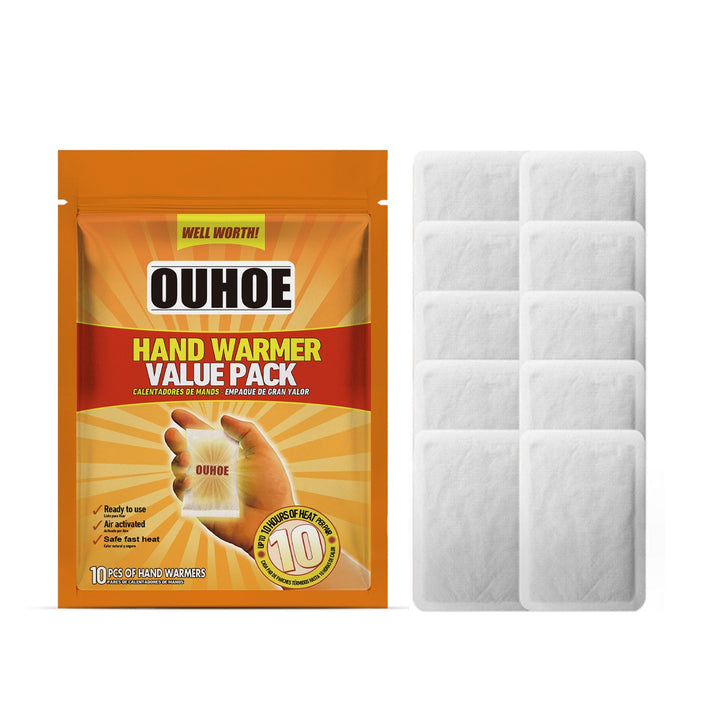
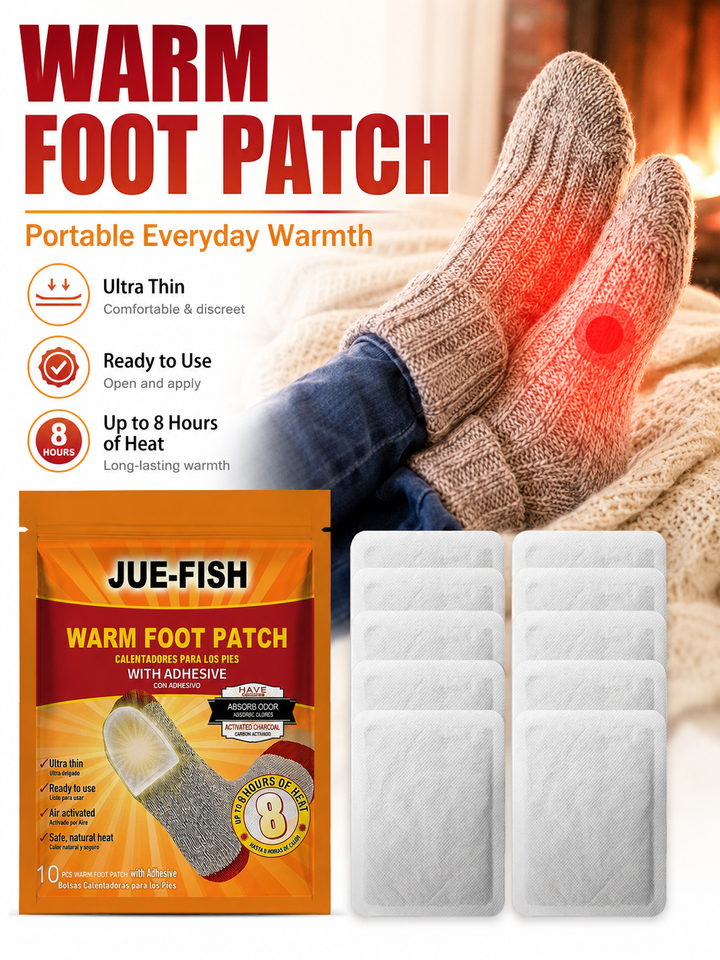
Heated vests may suit people who spend time outdoors, work in cool spaces, attend sporting events, travel in cold weather, or want an extra warming layer beneath a regular coat. They can be especially practical when arm mobility matters more than full-jacket coverage. A vest may not be the right choice if you need waterproof outerwear, dislike carrying or charging a battery, or require warmth over the arms and hands as well as the torso. Consider your usual clothing layers, activity level, access to charging, and storage space before buying. If you want portable warmth for a smaller area instead, products such as rechargeable hand warmers, portable foot warmer pads, or air-activated hand warmers may be more suitable than a wearable garment.
The best choice depends on fit, heating-zone layout, battery inclusion, controls, washability, and return terms rather than brand name alone. Compare complete kits and read the product instructions carefully, especially if you need a rechargeable heated vest for regular outdoor use.
Common drawbacks include needing to recharge or carry a battery, added weight, limited battery life at higher settings, and extra care when washing. A vest also provides less arm and weather coverage than a heated jacket, and the fit may feel restrictive if it is sized too closely.
Availability at Costco can change by location, season, and online stock, so check the retailer’s current listings directly. Before ordering, confirm the model, battery inclusion, sizing, heating controls, and return policy.
Follow the manufacturer’s instructions, use the specified battery and charger, inspect the garment before use, and disconnect the battery before washing. Avoid using a damaged or wet battery or vest, and stop using the product if it becomes unusually hot or shows signs of damage.
A heated vest is usually easier to layer and allows greater arm mobility, while a heated jacket provides more complete coverage. Choose based on whether you need torso warmth under another coat or an all-in-one outer layer for colder, more exposed conditions.
Battery life varies with capacity, heating zones, temperature setting, weather, and battery age. Check the manufacturer’s operating-time information for each heat level, and remember that higher settings generally use power faster than lower settings.