Care Patches – Frownies Facial Patches for Wrinkles & Scars20 items


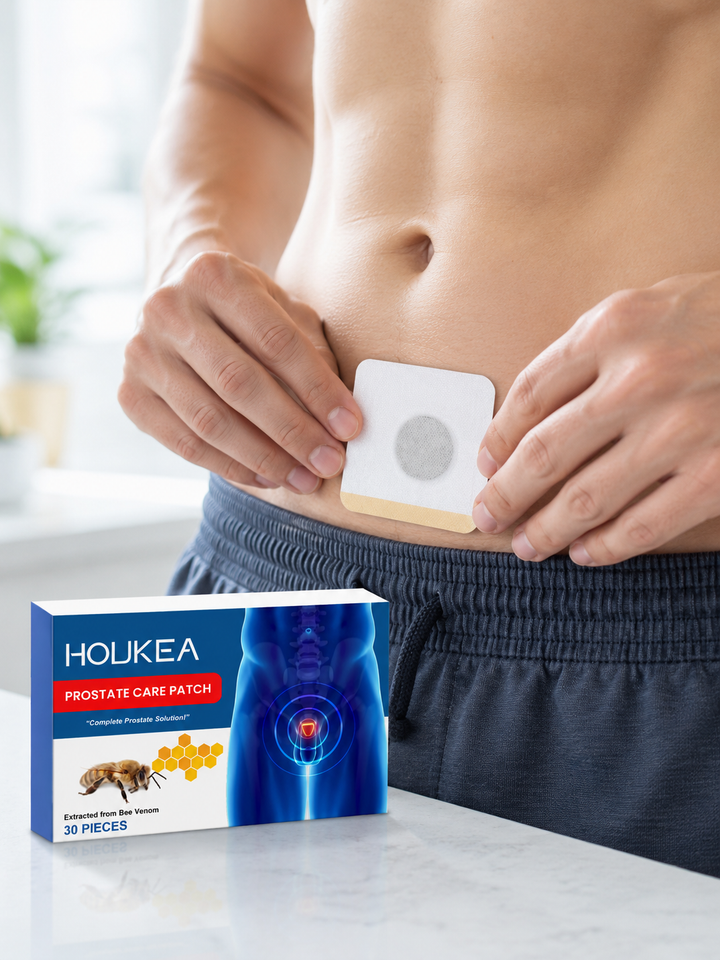

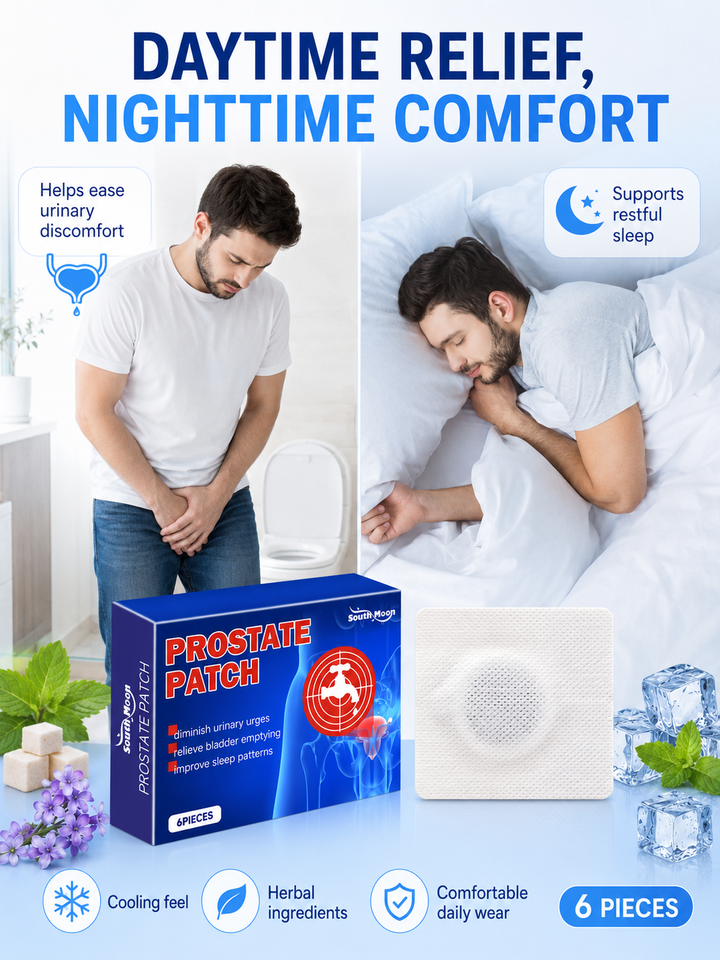
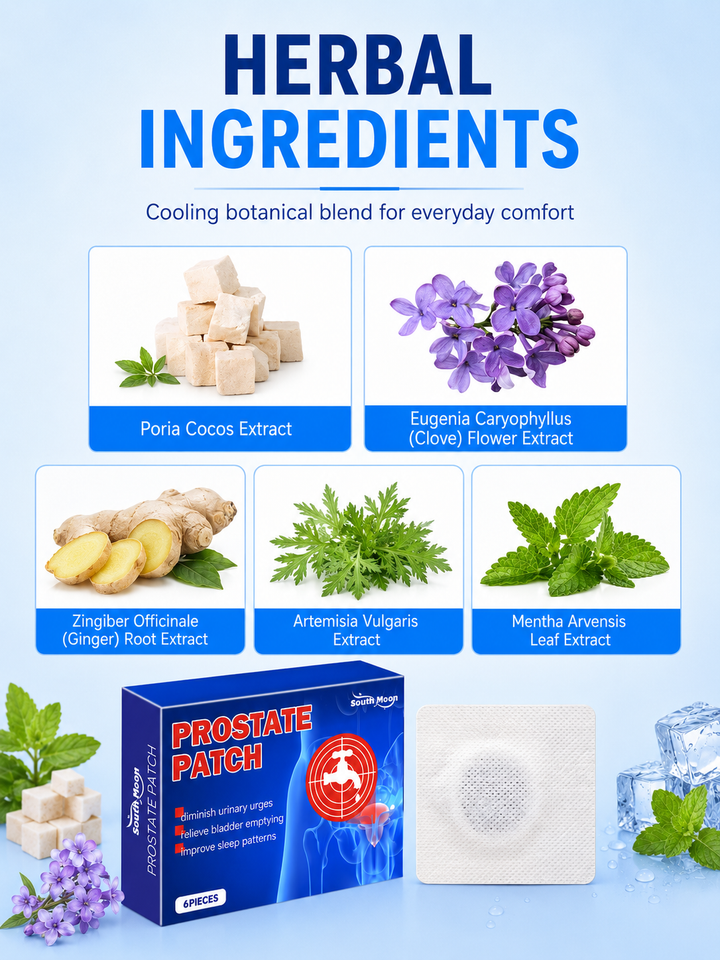
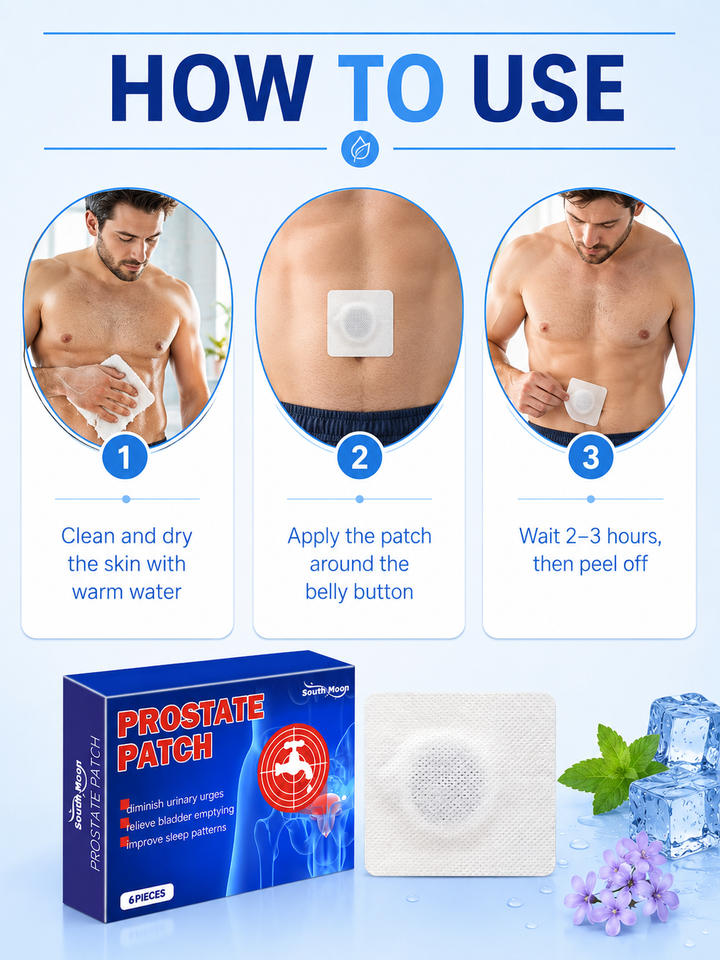

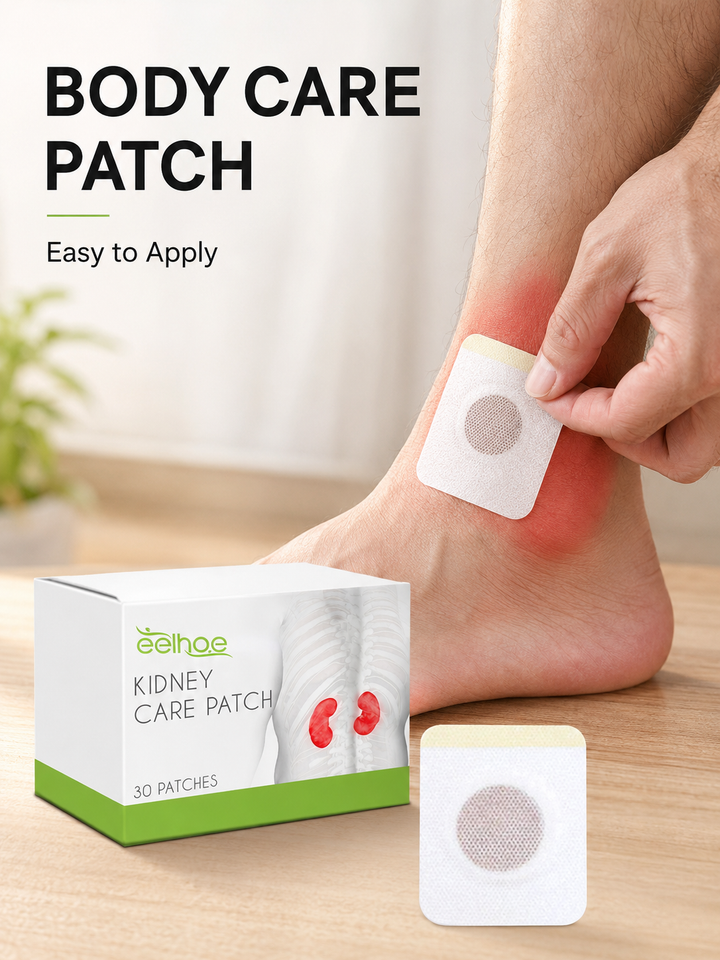
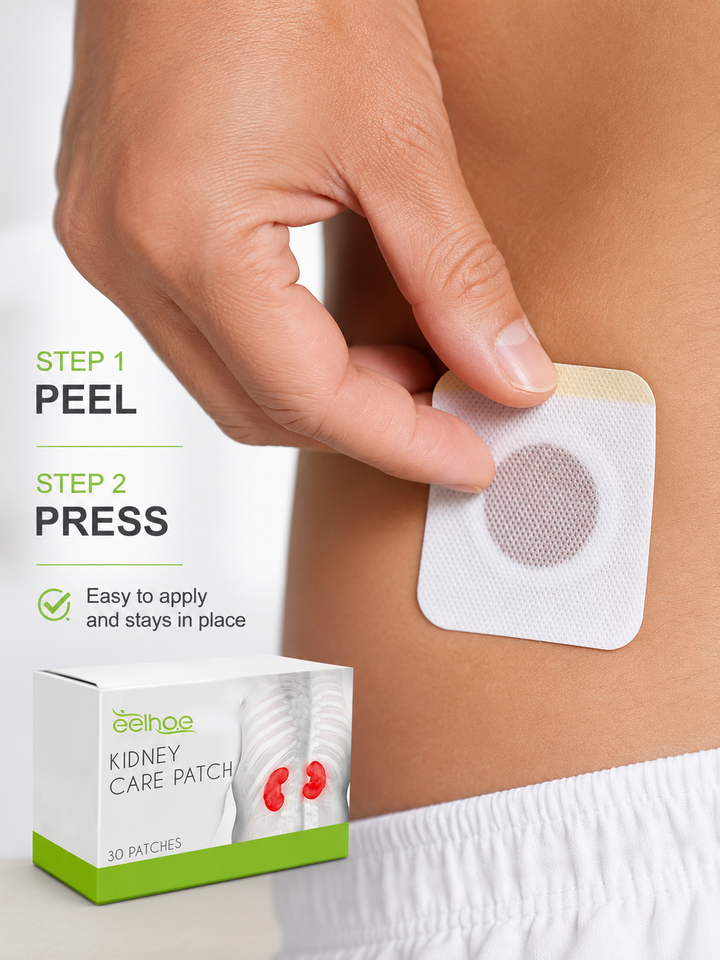
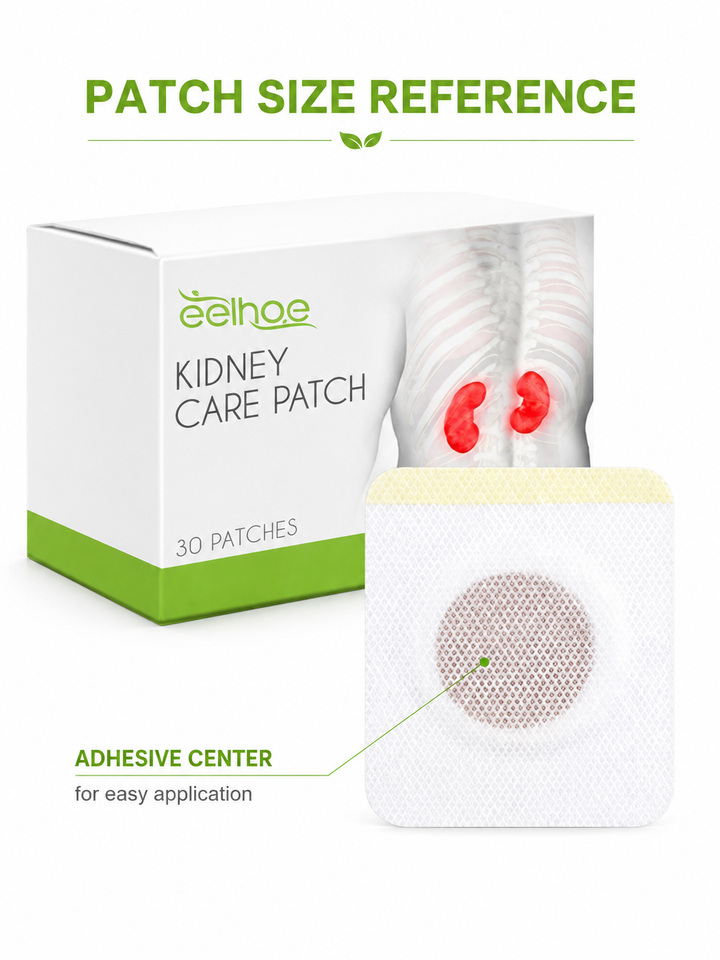
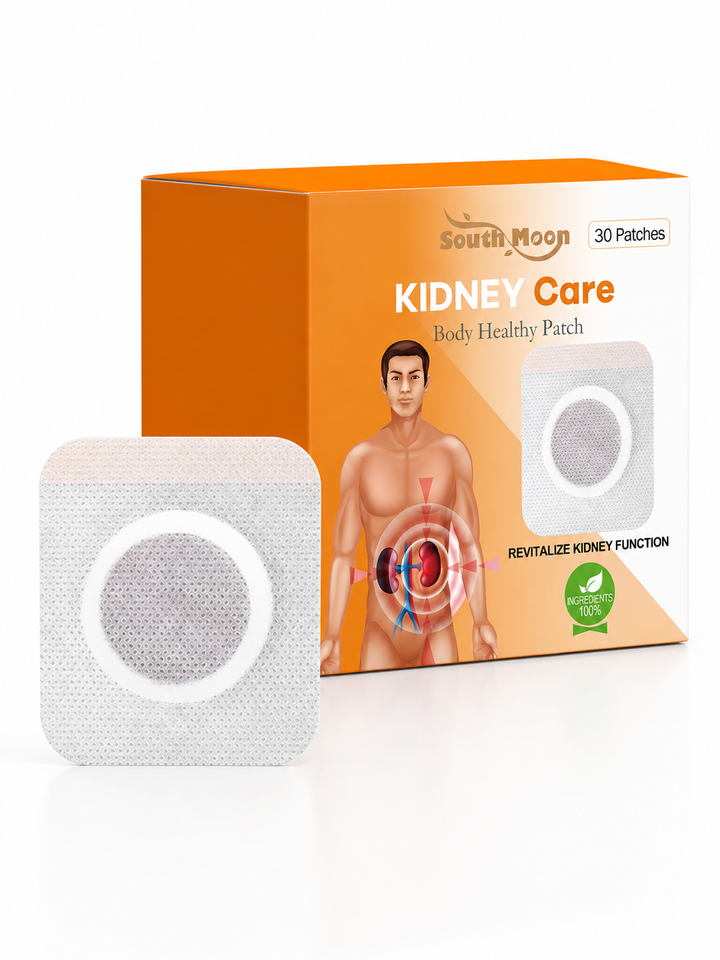
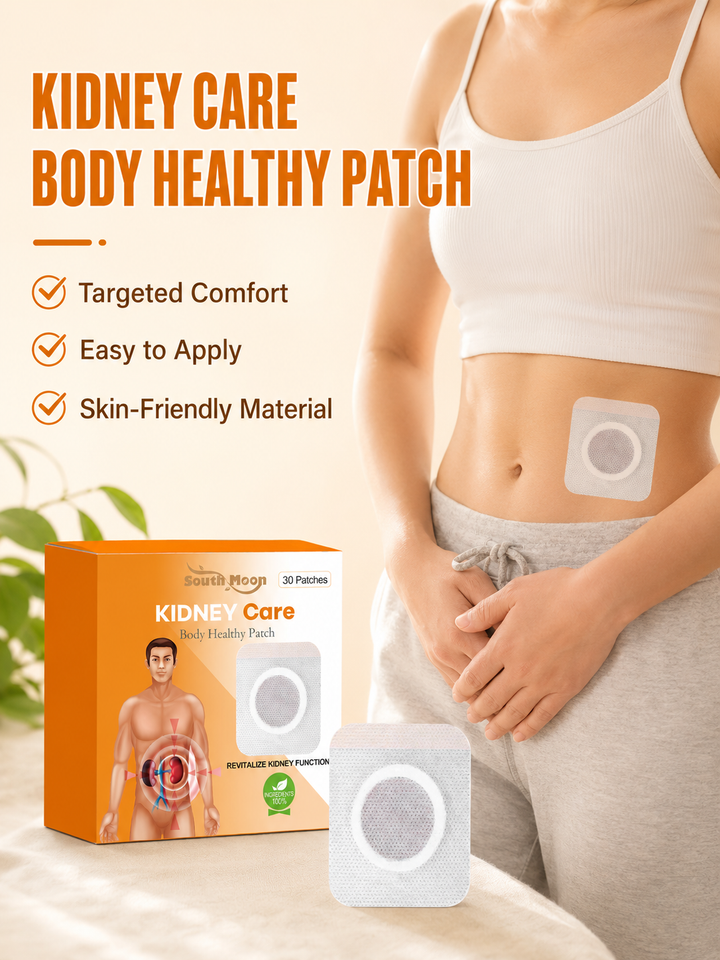
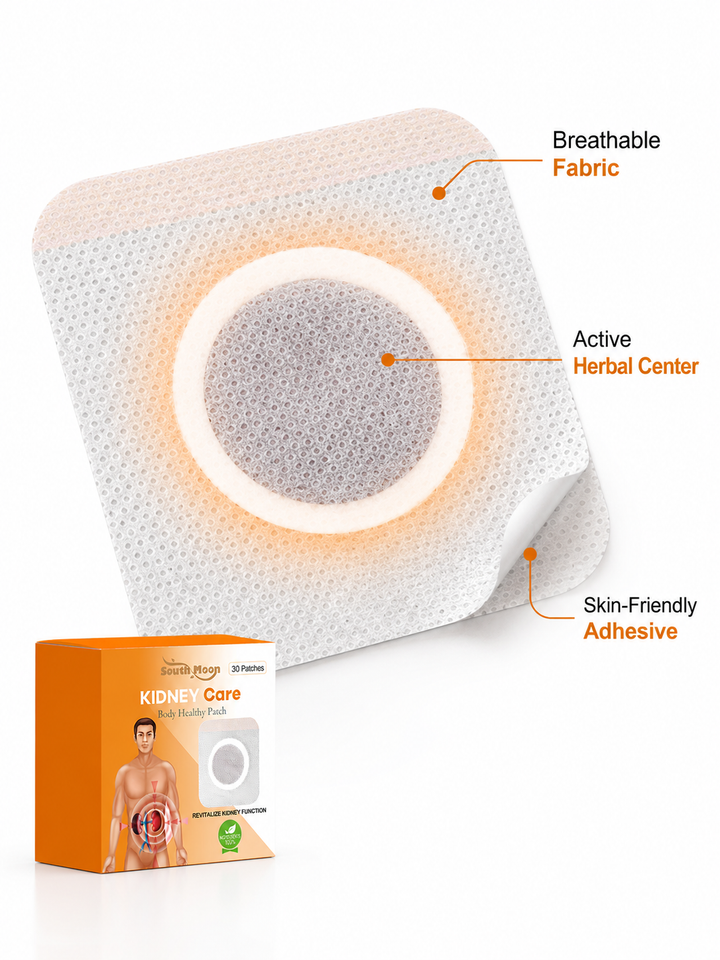


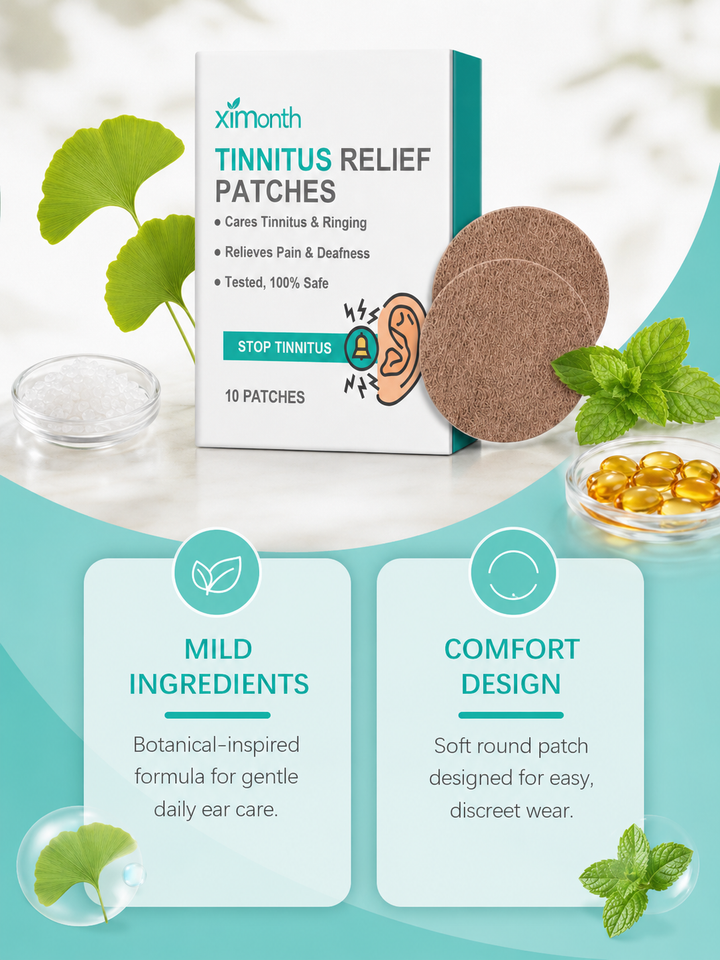


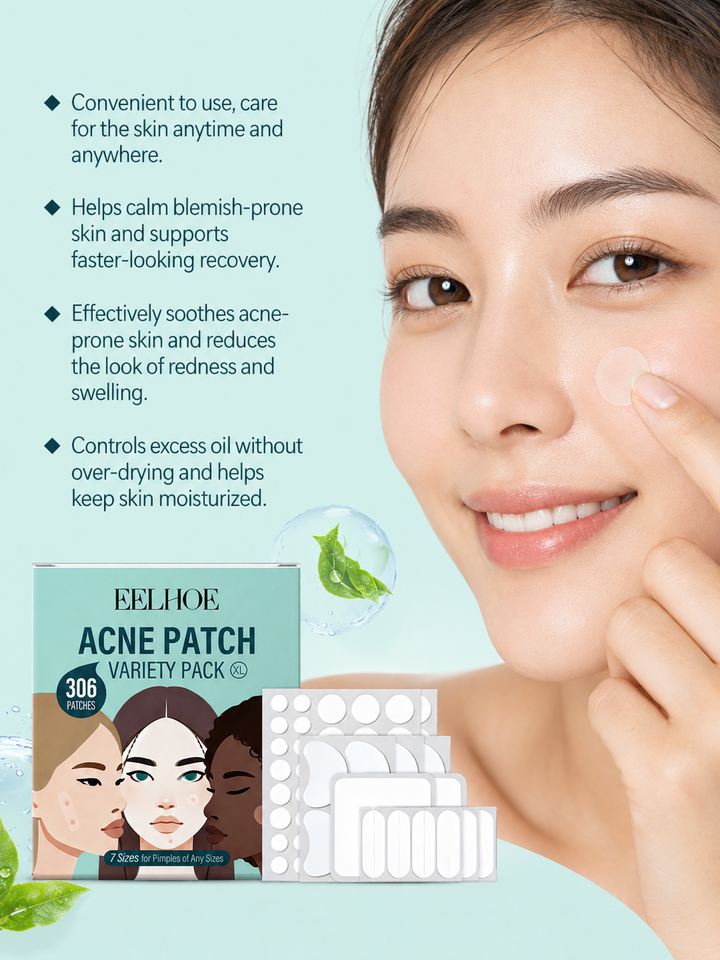


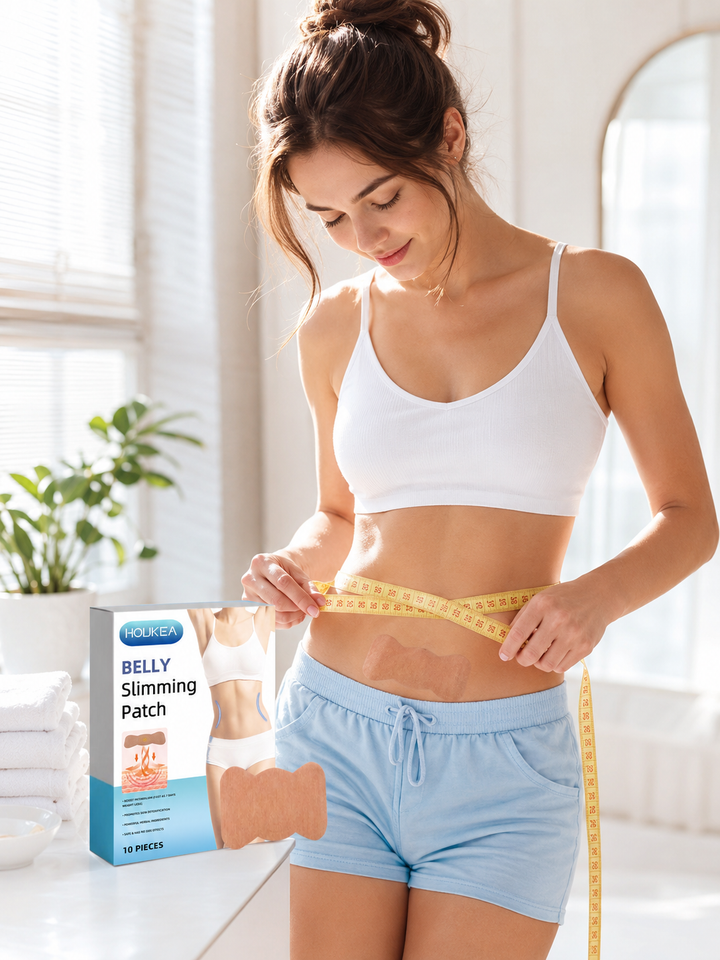

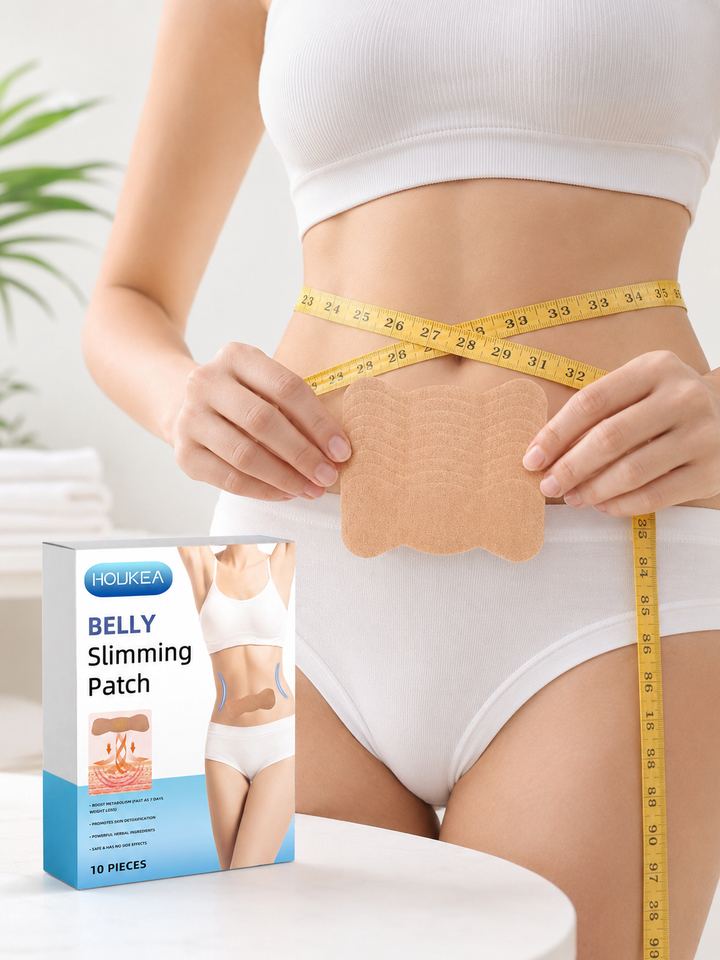


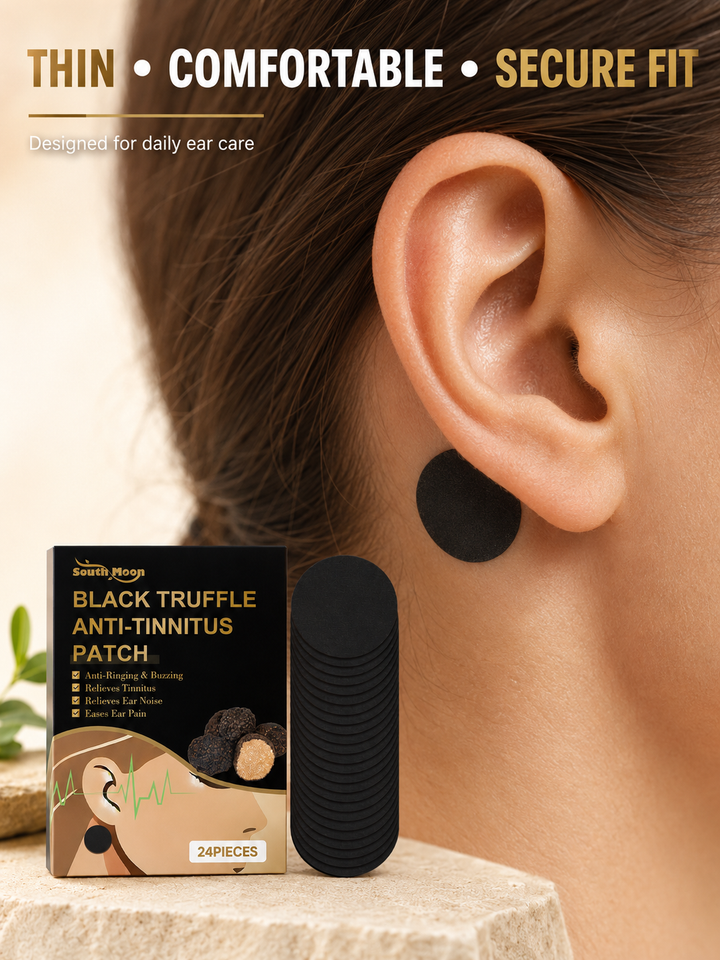



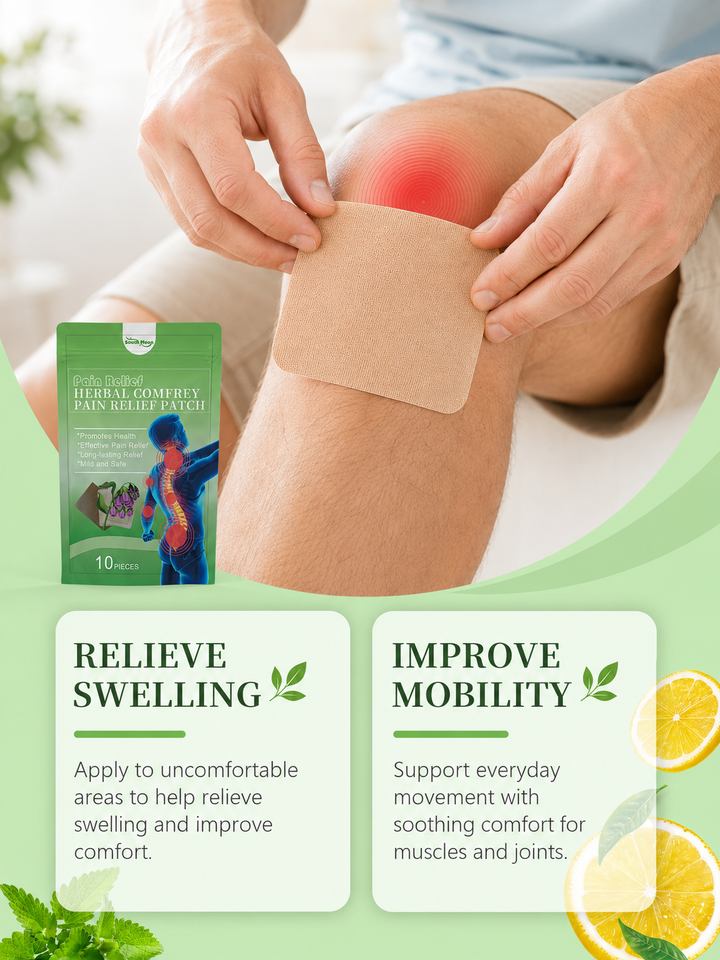


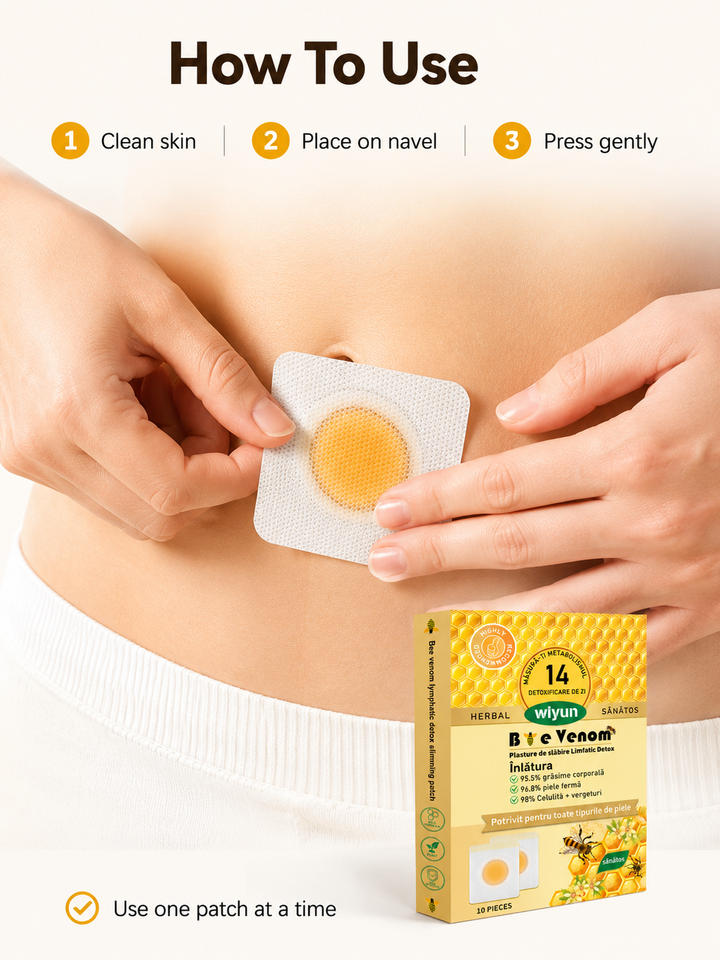
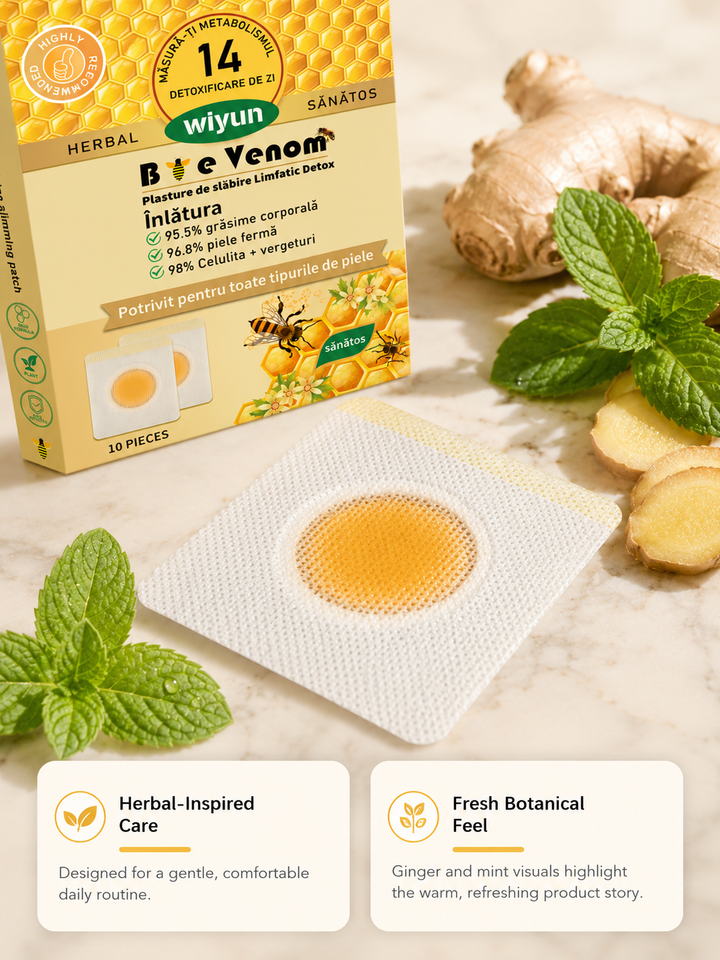

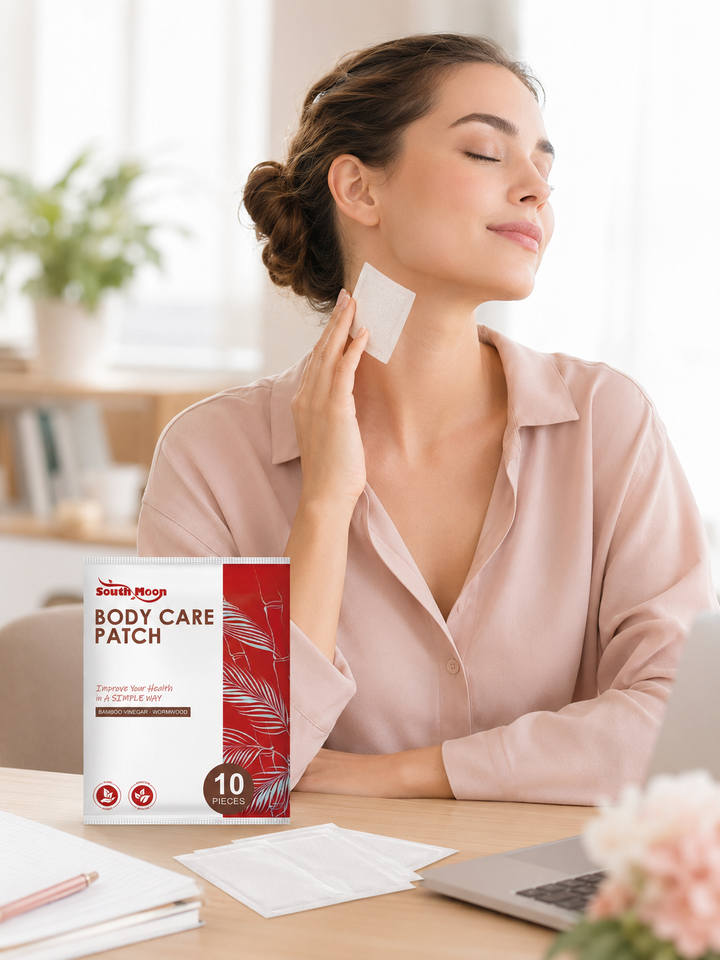
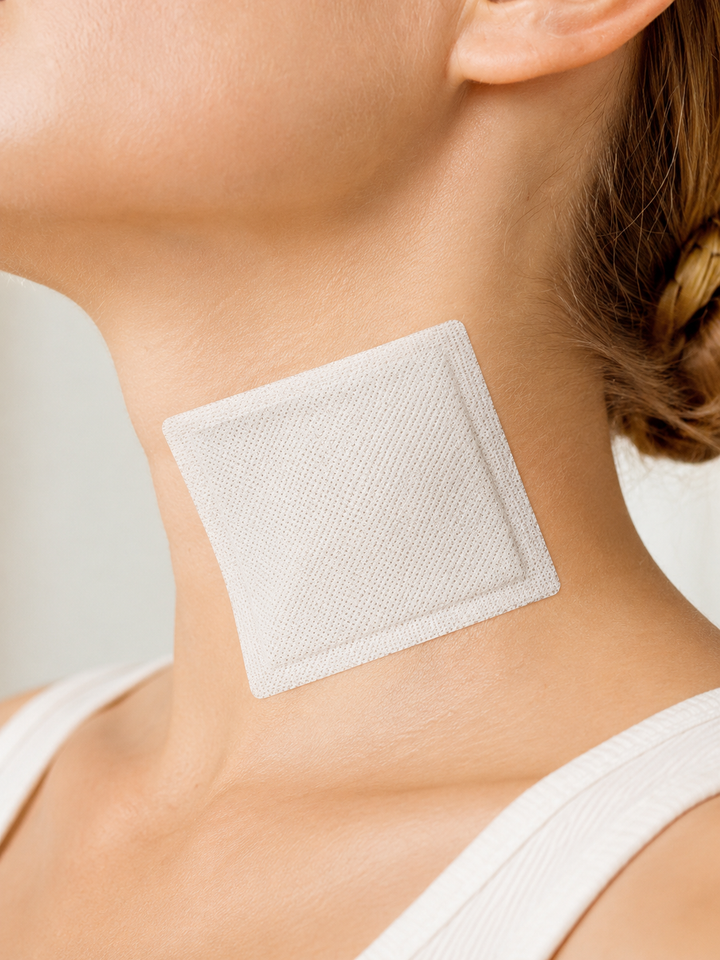


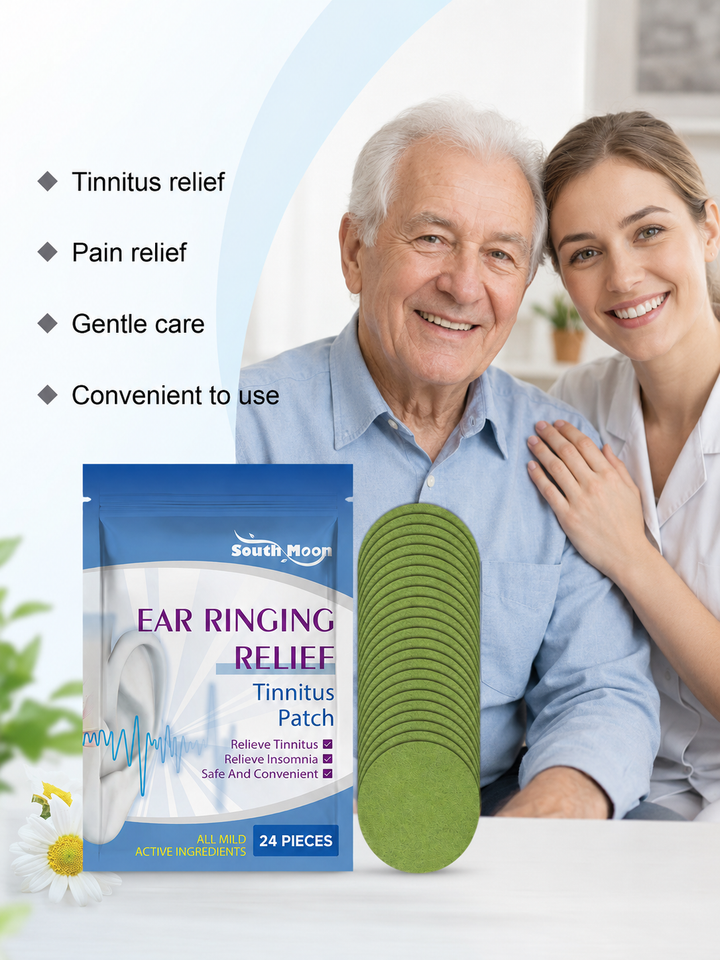
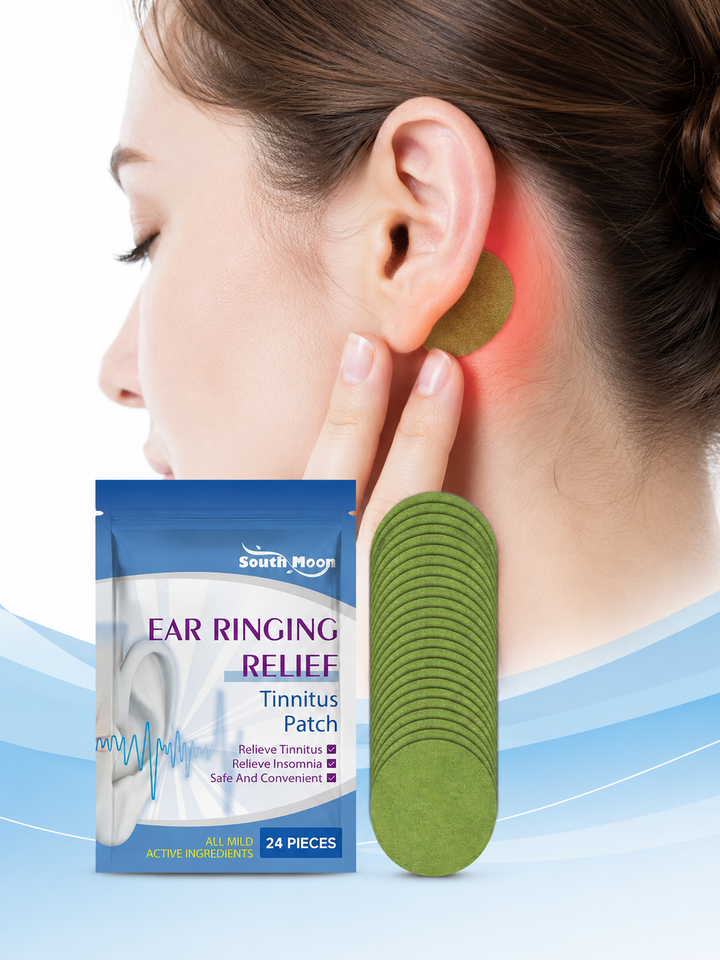

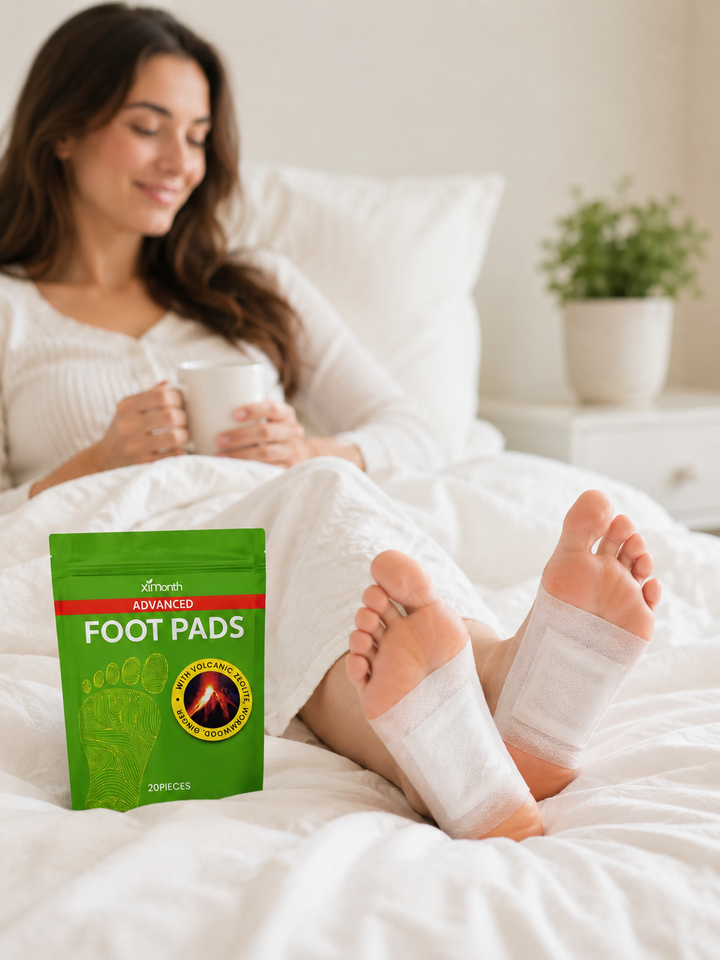


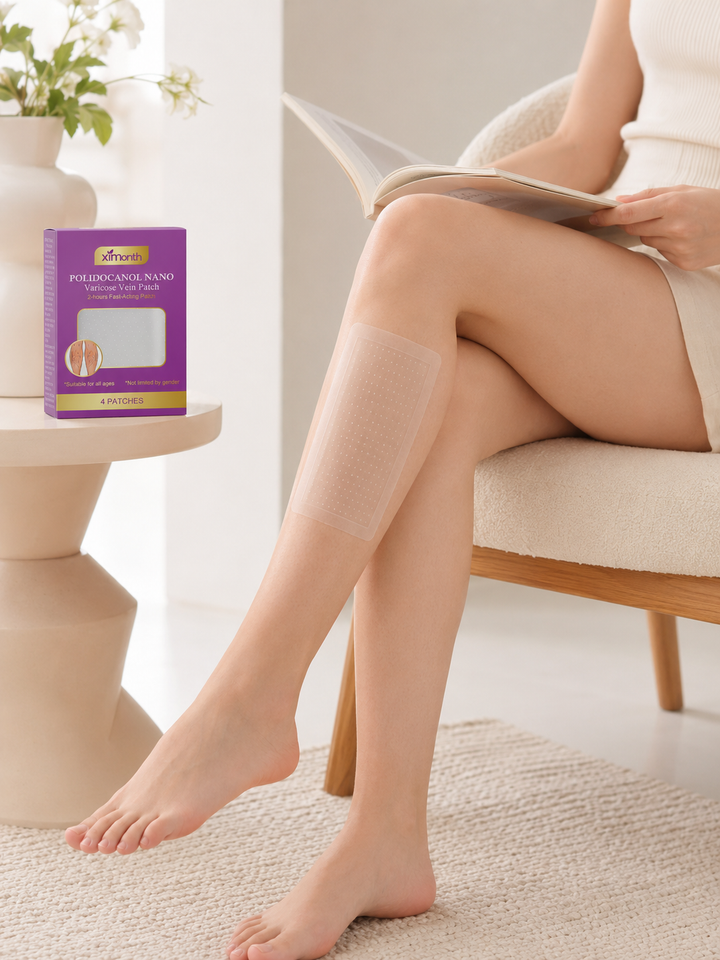

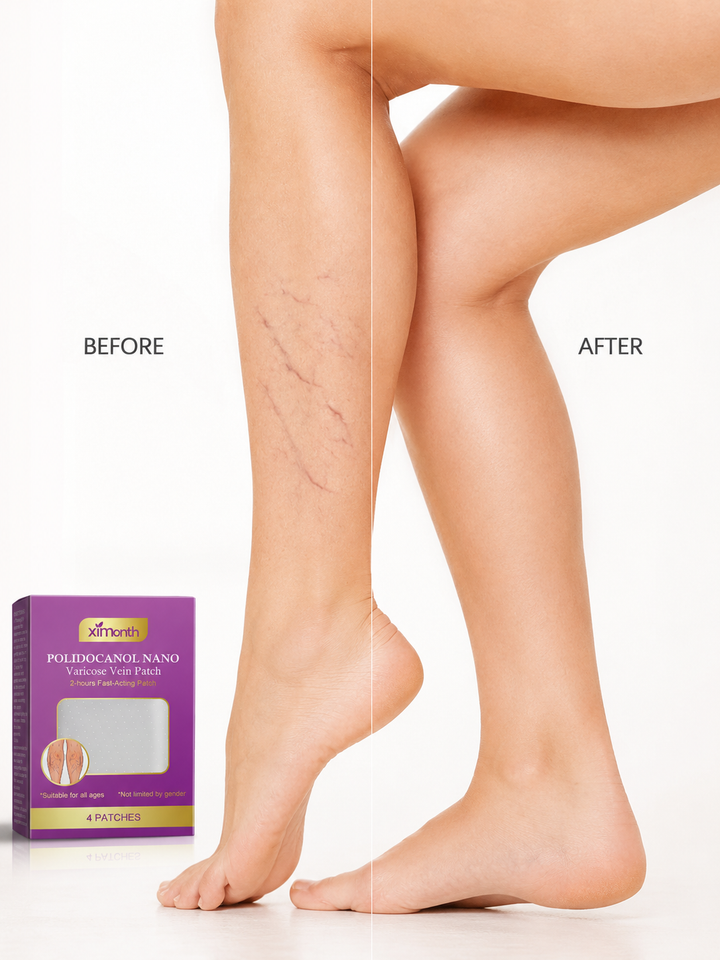

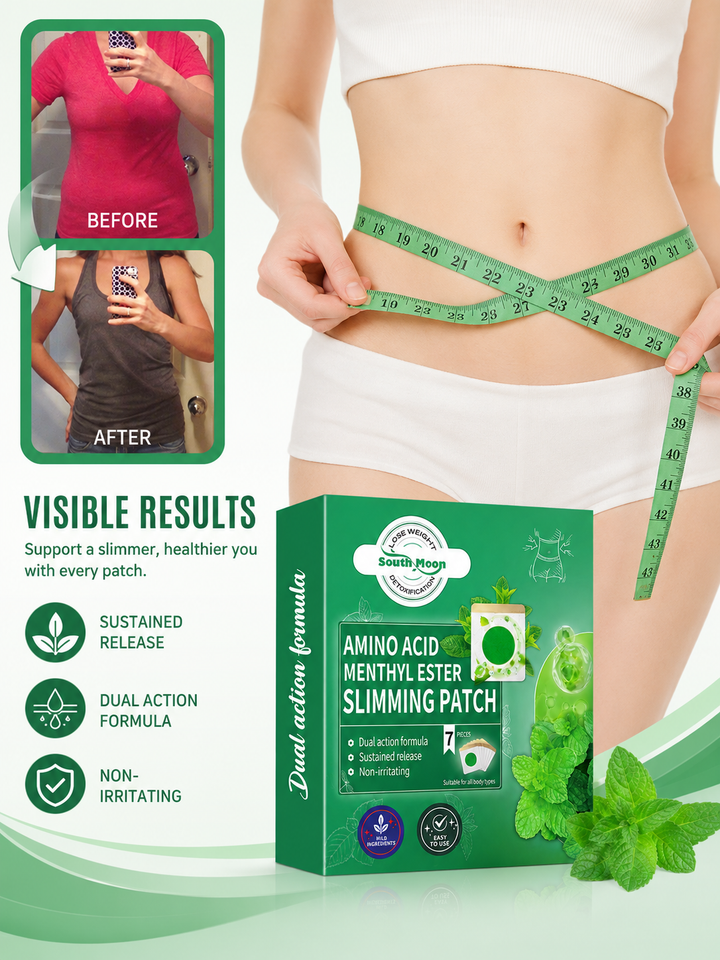
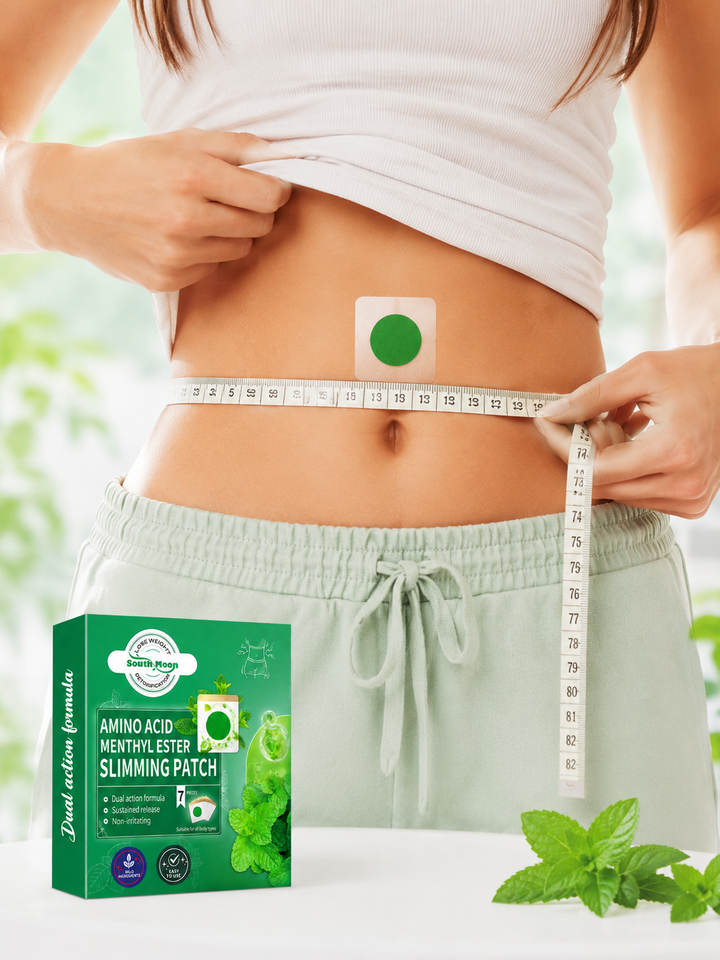
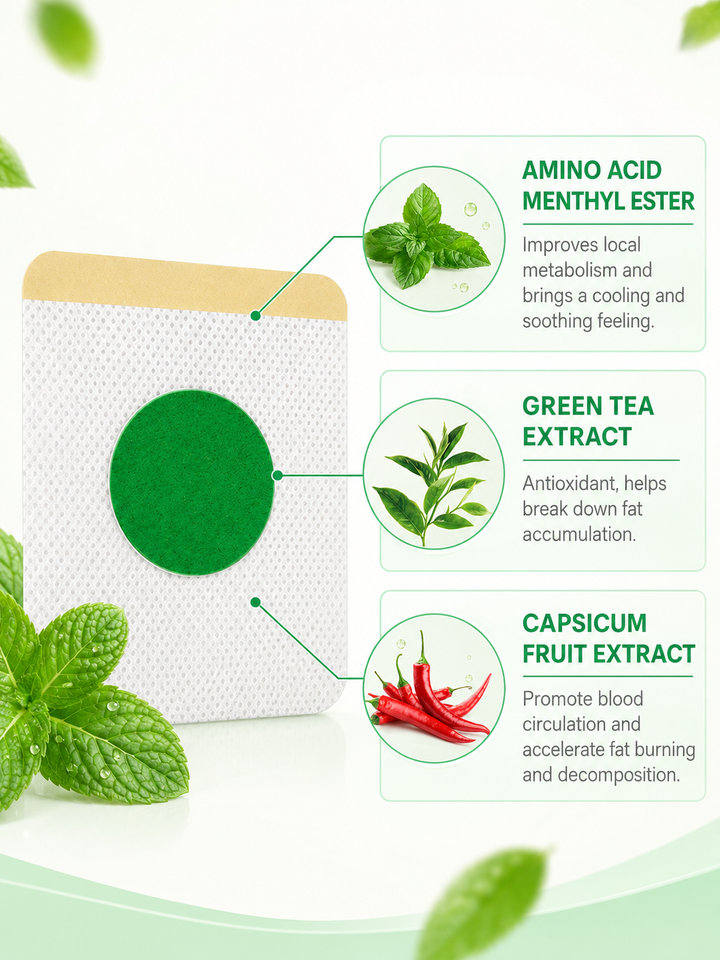


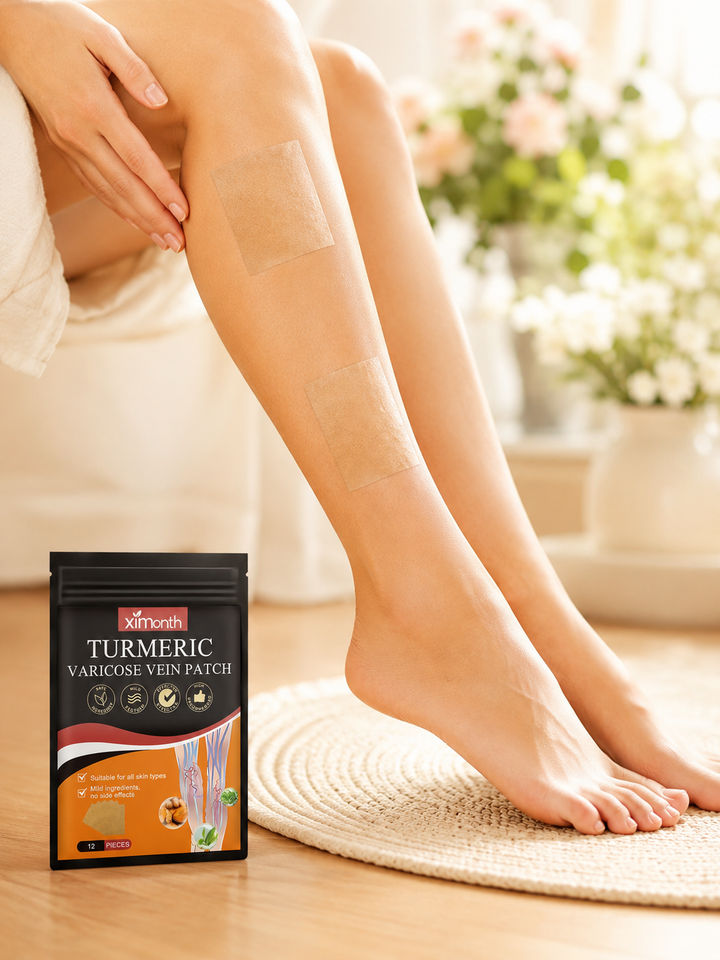
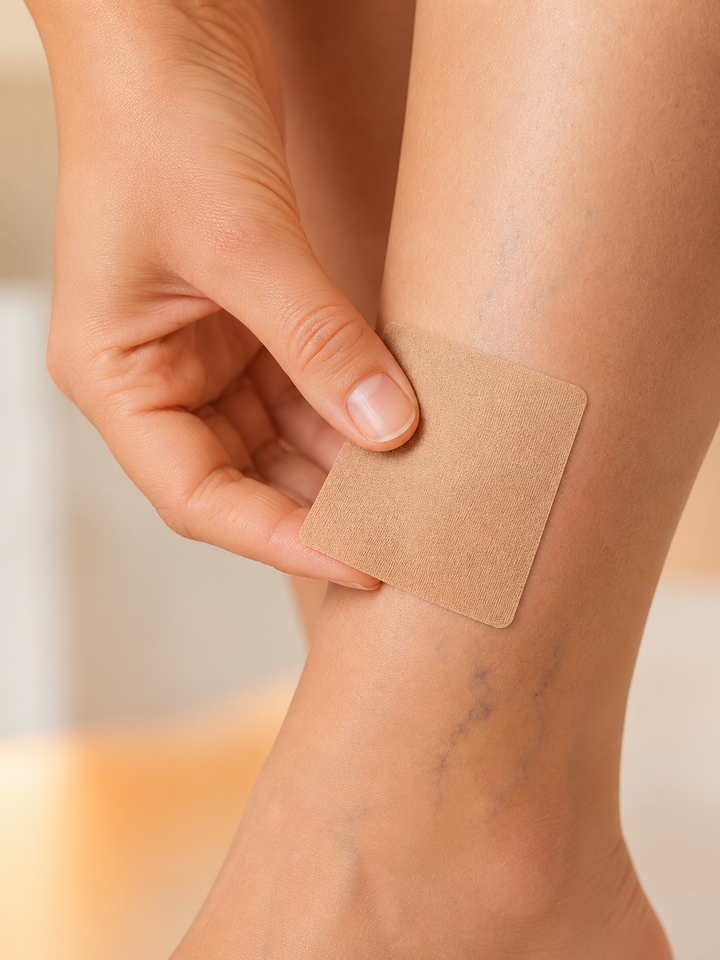
Care patches offer a convenient way to add targeted comfort or skin care to a daily routine. This category includes body, joint, ear, kidney-area, prostate-area, acne, and dark-spot patches, so choosing the right format depends on your intended use, placement, skin sensitivity, and preferred wear routine.
How do I choose the right care patch?
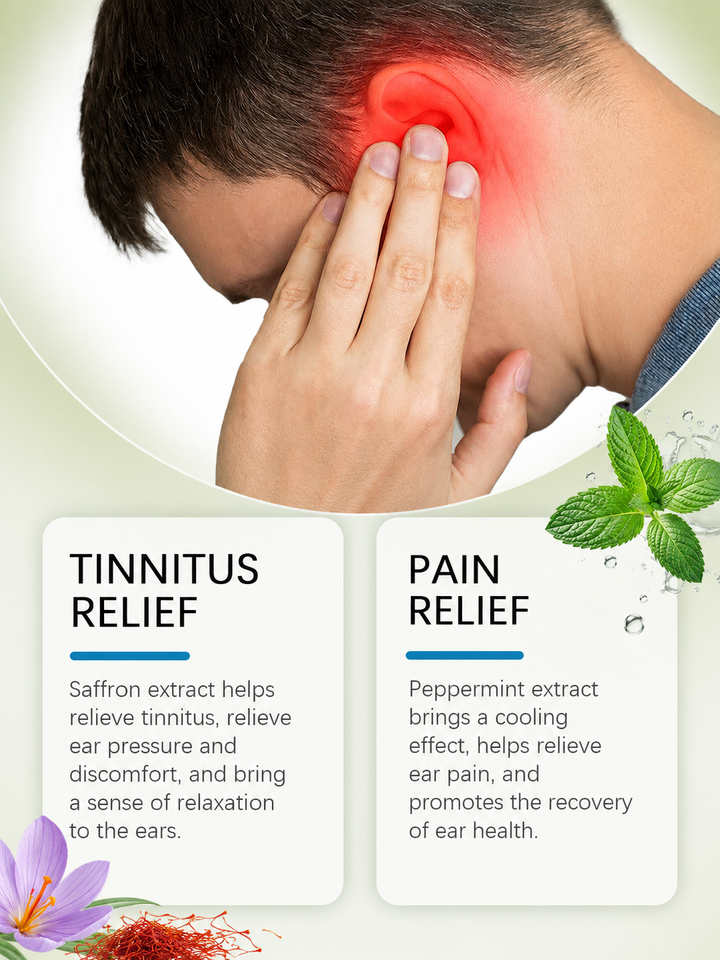
Start with the area and purpose you want to address. For skin concerns, compare the Acne Patch Skin Care Set with Skin Care Patches for Dark Spots & Imperfections. For everyday joint comfort, consider the Thumb Arthritis Pain Relief Patch or Kidney Care Heat Patches, depending on where you plan to place the patch. The Prostate Care Patch, Male Body Care Patch, Ear Care Patch, and Kidney Care Belly Button Patches are designed for specific placement preferences described on their product pages. Check the ingredients, application instructions, intended wear time, and any skin warnings before buying. If you are looking for a pain patch for pain or inflammation, treat these products as comfort-focused accessories rather than a substitute for diagnosis or professional medical advice.
What types of care patches are available?
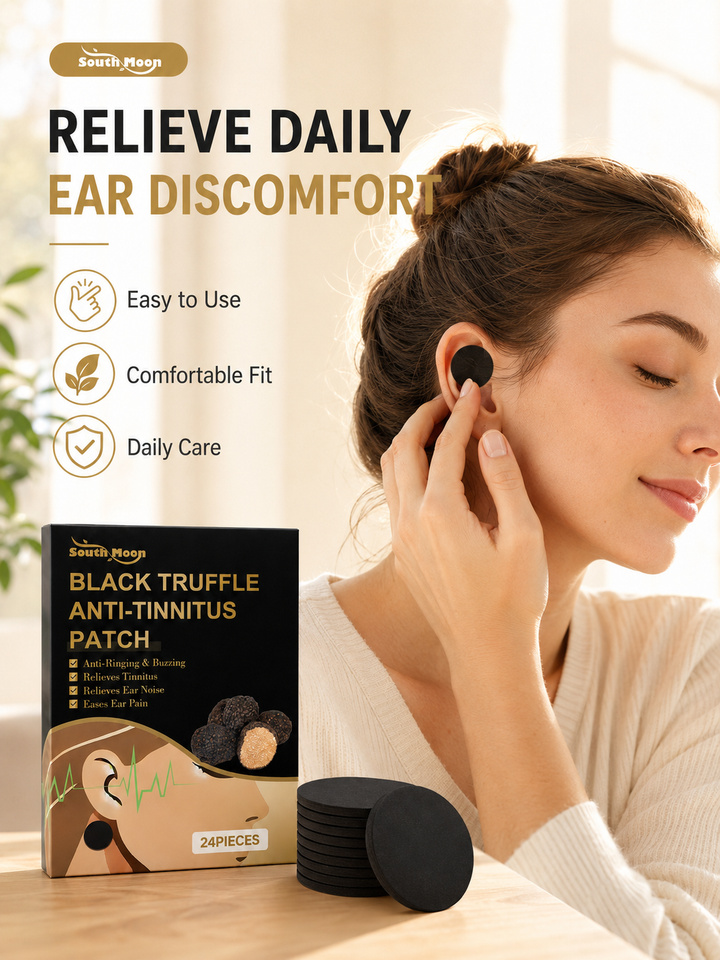
This category covers several patch formats rather than one single use. Skin-focused options include acne patches for a gentle daily routine and patches for dark spots or imperfections. Comfort-focused choices include the thumb joint patch, ear care patch, kidney-area heat patches, and kidney care belly button patches. The Prostate Care Patch and Male Body Care Patch are intended for shoppers seeking body-care options associated with nighttime routines. Some patches emphasize heat, while others emphasize a discreet adhesive application and botanical or bee venom-based ingredients. Compare the product title and details carefully: a patch for muscle and joint comfort is not the same as a hydrocolloid acne patch, and neither should be assumed to treat an underlying condition.
What should I look for in a good care patch?
Look for clear information about placement, ingredients, adhesive use, wear duration, removal, and storage. If you have sensitive skin, review the ingredient list and consider a small-area skin test before applying a new patch more broadly. For heat patches, confirm whether the product is intended for direct skin contact and follow its temperature and wear guidance. For acne or imperfection patches, check whether the format is hydrocolloid or another material, and whether it is intended for clean, dry skin. Shoppers comparing a medical patch for wounds should note that these care patches are not automatically wound dressings. Do not place a patch over broken, irritated, infected, or freshly shaved skin unless the product instructions specifically allow it.
How do I use care patches safely?
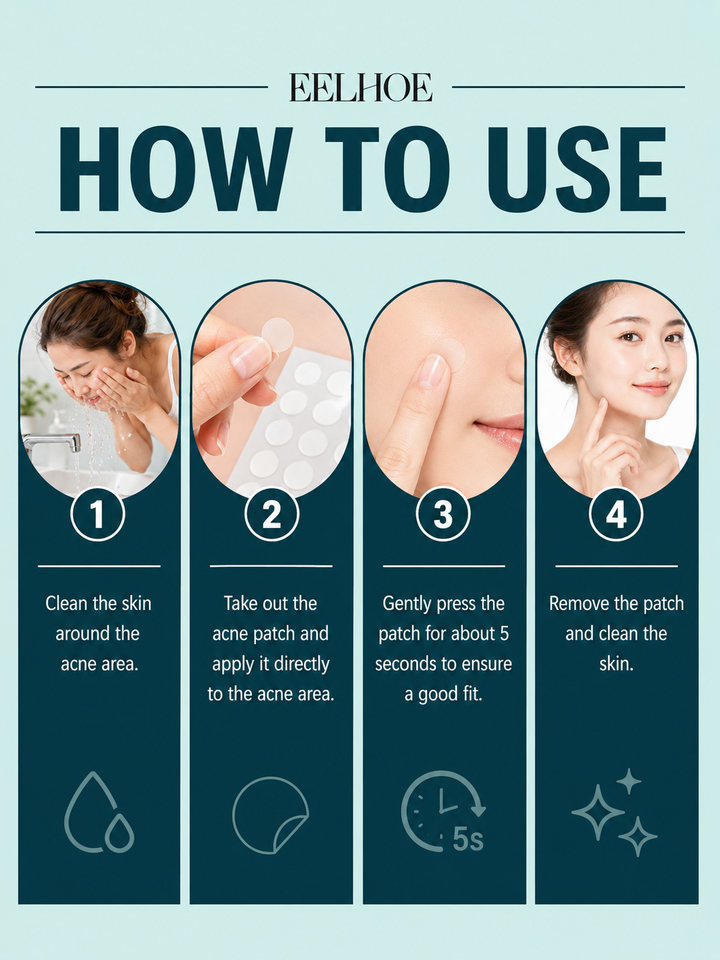
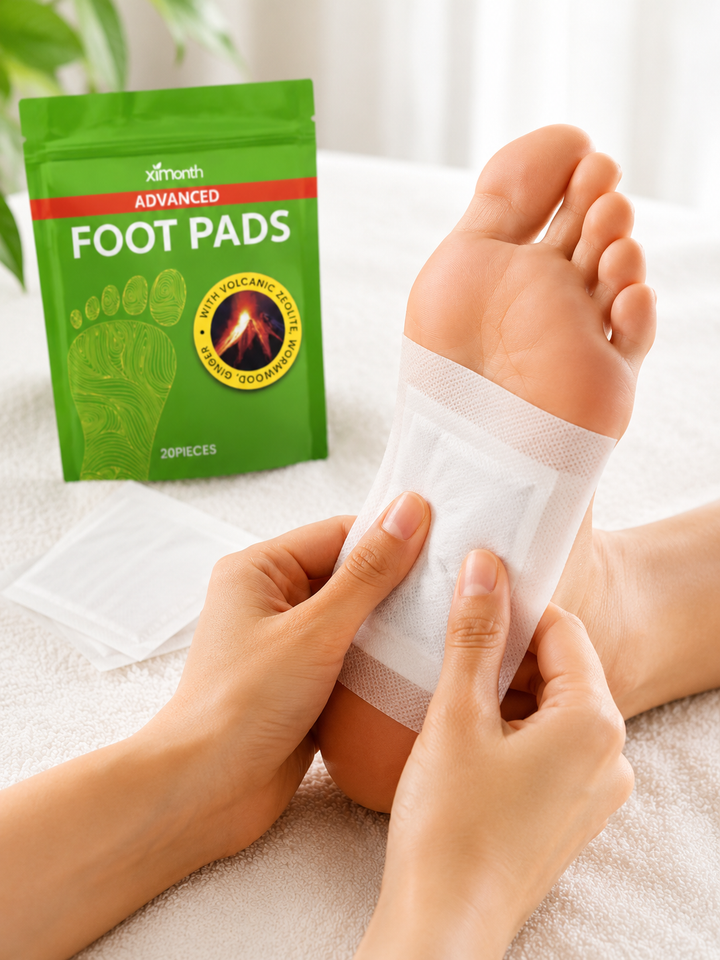
Clean and dry the application area, then apply the patch according to the product directions. Avoid lotions, oils, and damp skin because they can affect adhesion. Press the patch down gently without stretching the surrounding skin, and remove it slowly if the instructions call for removal rather than natural release. Stop using it if you notice burning, worsening redness, swelling, itching, or other discomfort. Do not reuse a single-use patch, and keep products away from children and pets. For patches placed near the abdomen, ear, or other sensitive areas, use only the stated placement. If you have allergies, take medication, are pregnant, or have a persistent skin or pain concern, ask a qualified healthcare professional before use.
What mistakes should I avoid with care patches?
A common mistake is choosing a patch because of a broad concern instead of matching it to the intended placement and use. Another is applying it over moisturizer, damaged skin, or an area with heavy hair, which may reduce adhesion and increase irritation. Do not cut, heat, layer, or extend wear time unless the product instructions specifically permit it. Avoid assuming that a patch will pull out blackheads: acne patches are generally selected for specific blemishes or daily skin care, not every type of pore congestion. Also avoid using a care patch as a substitute for a wound dressing, prescribed treatment, or evaluation of ongoing symptoms. Read the label each time, especially when switching between heat, adhesive, and skin-focused formats.
Who are care patches best suited for?
Care patches can suit shoppers who prefer a simple, localized addition to a personal-care or comfort routine. The acne and dark-spot options may appeal to people seeking gentle, targeted skin care, while the thumb, ear, kidney-area, and body-care patches offer different placement choices for everyday comfort routines. They may be less suitable for anyone with adhesive or ingredient sensitivities, broken skin, unexplained symptoms, or a history of reactions to topical products. Parents and caregivers should check age guidance before use. Anyone seeking treatment for significant pain, inflammation, wounds, infection, blackheads that do not improve, or another persistent concern should seek professional advice rather than relying only on a patch.
Frequently asked questions
What are some good pain patches for pain and inflammation?
The Thumb Arthritis Pain Relief Patch and Kidney Care Heat Patches are the most directly aligned with joint or muscle comfort in this category. Product suitability depends on placement, ingredients, and your personal needs. These patches should not replace medical evaluation for severe, persistent, or unexplained pain or inflammation.
What are the downsides of using hydrocolloid patches?
Hydrocolloid patches may not suit every blemish, skin type, or ingredient preference, and the adhesive can cause irritation for some people. They also are not designed to address every form of blackhead or congestion. Follow the product directions, remove the patch if irritation develops, and avoid applying it to broken or infected skin.
What is a good medical patch for wounds?
A wound should be covered with a dressing specifically labeled and intended for wound care. The care patches in this category are not automatically medical wound dressings, so do not use them on open, bleeding, infected, or damaged skin unless a qualified professional directs you to do so.
Do pimple patches work on blackheads?
Pimple patches may be more suitable for certain surface blemishes than for established blackheads, which can involve different types of pore buildup. The Acne Patch Skin Care Set is intended for gentle daily skin care, but results vary by skin and blemish type. Avoid squeezing blackheads, and seek professional skin advice if congestion persists.
What actually pulls blackheads out?
Blackheads are not reliably removed by every adhesive patch. Gentle cleansing and products formulated for pore care may help some people, while forceful squeezing can irritate the skin. A skincare professional can recommend an appropriate approach, particularly for persistent or widespread congestion.
How do Koreans get rid of blackheads?
There is no single Korean method that works for everyone. Korean-inspired routines often emphasize gentle cleansing, consistent skin care, and avoiding harsh scrubbing, but product choice should match your skin type. The Acne Patch Skin Care Set can be considered for targeted daily care, but it is not a guaranteed blackhead-removal treatment.