$32.90
Free delivery · 7–14 days
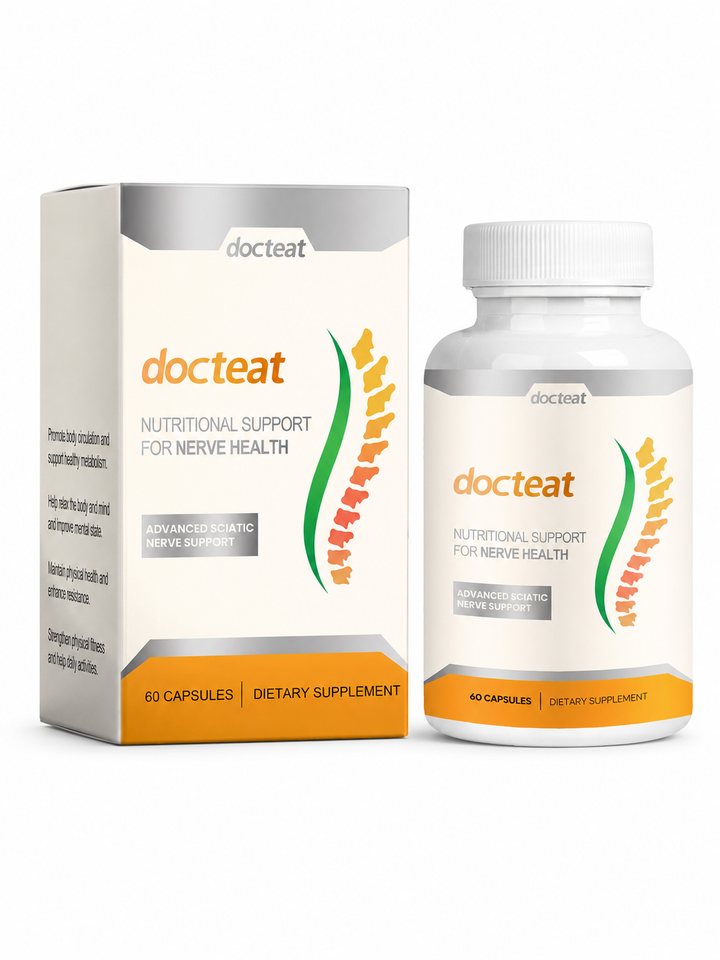
Docteat Sciatic Nerve Support Supplement — 60 Capsules


Bone strength drops are liquid supplements marketed for bone and joint support, but this category also includes oral capsules, drops, creams, foams, and herbal or cartilage-based products. Use this guide to compare product formats, ingredients, intended use, and safety considerations before choosing an option.
Start by checking whether you want an oral supplement or a topical product. Oral options, such as liquid drops or capsules, are taken according to the package directions, while creams and foams are applied to the skin for localized comfort and are not substitutes for nutritional supplements. Review the full Supplement Facts or ingredient list, serving size, allergens, and any stated cautions. If your goal is bone support, look for clear information about the intended use rather than relying on broad phrases such as “strengthen bones.” If your goal is temporary joint or muscle comfort, a topical formula may be more relevant. Compare the format, directions, ingredient transparency, and return policy before purchasing.
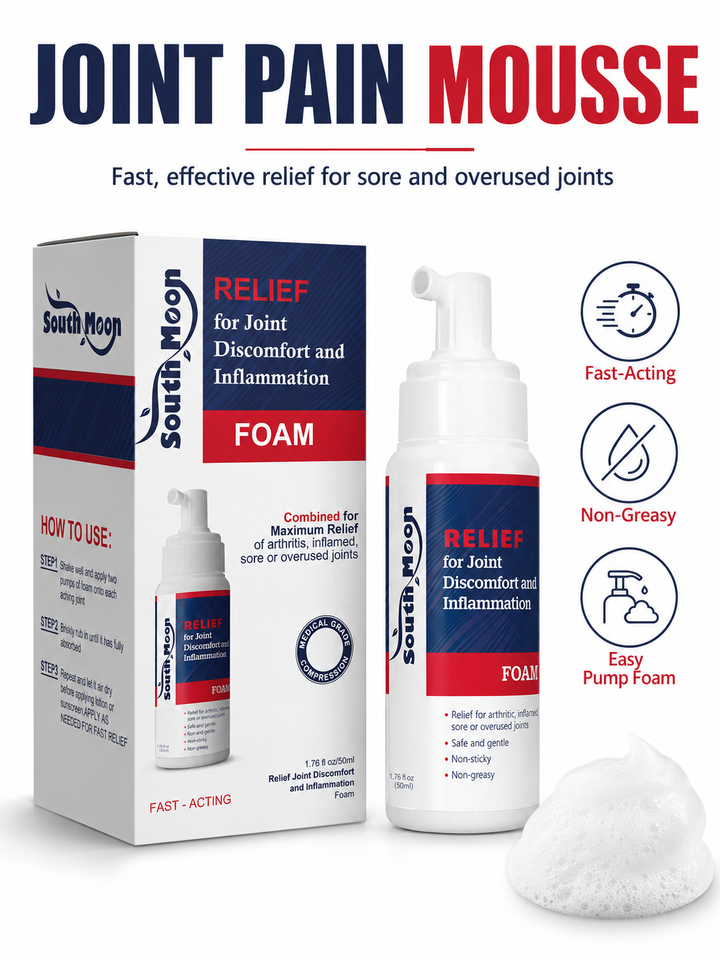
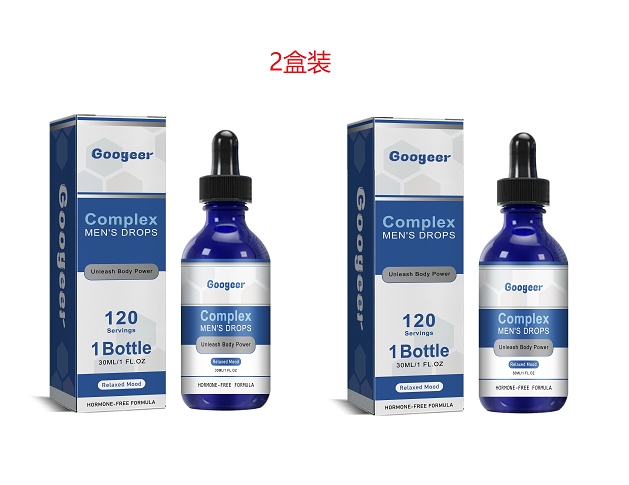
This category includes several different product types. Liquid drops are designed for measured oral use and may appeal to shoppers who prefer not to swallow capsules. The capsule option provides a pre-measured serving and is convenient for travel. Topical products include joint pain creams, a non-greasy foam, an herbal joint support elixir, and a bee venom cream; these are applied externally and should be evaluated for skin sensitivity and application instructions. Shark cartilage products are also sold as oral joint-support supplements. Because these formats serve different purposes, compare labels carefully rather than treating every item as interchangeable. A topical cream cannot provide dietary nutrients, and an oral product is not a replacement for a topical comfort product.
For liquid bone-support drops, look for a clearly labeled serving size, a measured dropper or dispensing method, a complete ingredient list, storage instructions, and an expiration or best-before date. Check whether the formula contains ingredients you need to avoid, including allergens, sweeteners, botanical extracts, or animal-derived components. Do not assume that a product contains calcium, vitamin D, or another nutrient unless it is listed on the label. If you are comparing supplements for bone loss, consider asking a healthcare professional which nutrients, if any, are appropriate for you. For topical choices, look for directions, intended application area, warnings about broken skin, and instructions for patch testing when recommended. Choose the product format that matches your actual goal.
Follow the product label instead of estimating a dose. For drops or capsules, use only the stated serving and note whether the directions call for use with food, shaking the bottle, or measuring with a supplied dropper. Do not combine several supplements with overlapping ingredients without checking first. For creams and foams, apply only as directed, wash your hands afterward, and avoid the eyes, mouth, and damaged skin unless the label specifically says otherwise. Bee venom and botanical products may cause skin reactions in some people, so review the warnings and stop use if irritation develops. Keep supplements out of children’s reach and store them as instructed. Ask a pharmacist or clinician before use if you take medication or have a health condition.
A common mistake is assuming that every product labeled for joints also supports bone density. Another is choosing a product based only on a phrase such as “fast-acting” or “deep penetrating” without checking its format and ingredients. Avoid using topical creams on large areas or more often than directed, and do not ingest products intended for external use. Do not stack multiple supplements simply because they have different names; compare their ingredient panels first. Shoppers also ask what bread is best for osteoporosis, but no single bread or supplement can replace an overall eating pattern or professional care. Finally, be cautious of claims that promise to reverse osteoporosis without medication. Bone health decisions should be based on medical advice, not testimonials alone.
These products may suit adults who prefer a liquid or capsule supplement, or shoppers seeking an externally applied product for occasional joint or muscle comfort. They are not automatically suitable for everyone. People who are pregnant or breastfeeding, have allergies, take prescription medicines, have kidney or other health conditions, or are considering supplements for diagnosed osteoporosis should consult a healthcare professional before use. Children should not use these products unless specifically directed by a clinician. If you have persistent pain, a suspected fracture, unexplained symptoms, or concerns about bone loss, seek medical advice rather than relying on a category product. A clinician can help determine whether diet, exercise, testing, prescription treatment, or a supplement is appropriate.
There is no single vitamin that can be identified as the best choice for everyone or guaranteed to rebuild bone density. Vitamin D and other nutrients may be relevant to bone health, but needs vary by diet, health status, medications, and test results. Ask a healthcare professional before choosing a supplement for bone density.
Possible effects depend on the ingredients and may include digestive discomfort, interactions with medicines, or allergic reactions. Topical products can cause skin irritation, and bee venom formulas require particular caution for people with sensitivities. Read the label and stop use if you develop concerning symptoms.
No single bread treats or reverses osteoporosis. A whole-grain bread that fits a balanced eating pattern may be a practical food choice, but the overall diet and adequate intake of relevant nutrients matter more than one product. Ask a clinician or registered dietitian for personalized guidance.
The appropriate supplement depends on the cause of bone loss, dietary intake, test results, medications, and medical history. A healthcare professional can help identify whether supplementation is needed and which ingredients and amounts are suitable. Do not assume that a joint-support product is designed to treat bone loss.
Osteoporosis is a medical condition, and individual experiences do not establish a safe or reliable treatment plan. Lifestyle steps such as appropriate exercise, balanced nutrition, fall prevention, and avoiding tobacco may support overall health, but they should not replace evaluation or treatment advice. Discuss your options with a qualified healthcare professional.
Recommendations can depend on the person’s fracture risk, test results, age, medicines, and other health factors. Mayo Clinic and other medical organizations generally advise professional evaluation, appropriate nutrition and physical activity, fall-risk reduction, and treatment when indicated. Check the current Mayo Clinic information directly and speak with your healthcare professional rather than relying on a supplement category alone.