
$43.90
Free delivery · 7–14 days
Brain Health Vitamin Capsules — Sharper Focus & Memory Support




Vitamin C supplements are available in capsules, tablets, gummies, and combination formulas, with options ranging from dedicated vitamin C products to supplements that include a smaller amount alongside other ingredients. Use this guide to compare formats, read labels, and choose a product that fits your routine and dietary preferences.
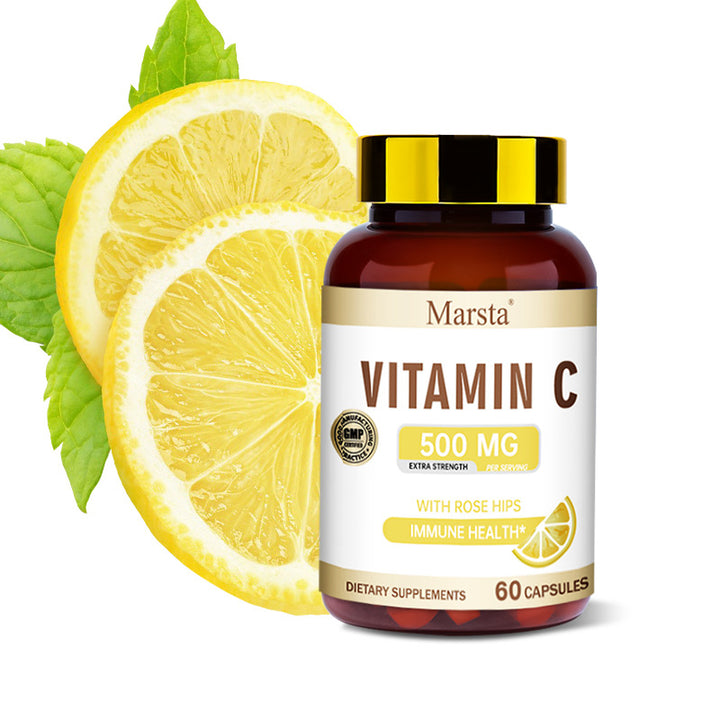
Start by deciding whether you want a dedicated vitamin C product or a combination supplement. The Vitamin C Capsules with Rose Hips are the most direct choice in this category, while the Trace Mineral Supplement Capsules with Vitamin C and Apple Cider Vinegar Gummies with Vitamin C include vitamin C alongside other ingredients. Choose capsules or tablets if you prefer a compact, no-sugar format; gummies may suit shoppers who dislike swallowing pills. Check the Supplement Facts panel for the amount per serving, serving size, added sugars, and ingredient list. If you are shopping for vitamin C for skin, remember that an oral supplement is different from a vitamin C serum, which is a topical skincare product.
Tablets and capsules are portable, shelf-stable formats that are easy to store in a daily supplement organizer. Capsules are often easier to swallow than larger tablets, but personal preference matters. Gummies can be more convenient for people who avoid pills, although you should check the serving size, sugar content, and other sweeteners before buying. A dedicated capsule provides a simpler way to focus on vitamin C, while combination products may appeal if you already want trace minerals or another featured ingredient. Product titles such as “extra strength,” “immune support,” or “fat burning” describe the intended positioning, not a guarantee of results. Compare the actual label rather than relying on the product title alone.
Read the Supplement Facts panel before comparing products. Look for the vitamin C amount per serving, the number of capsules or gummies per container, and whether the listed serving requires more than one piece. Review the other active ingredients, especially in trace mineral, apple cider vinegar, or multivitamin-style formulas. Check the other ingredients for sweeteners, flavorings, colors, gelatin, or capsule materials if those details matter to you. Shoppers seeking vitamin C tablets for skin may prefer a straightforward formula with fewer extras, while shoppers seeking a general supplement may value a format that fits their wider routine. Also review storage instructions, allergen information, and any warnings supplied on the product page or packaging.
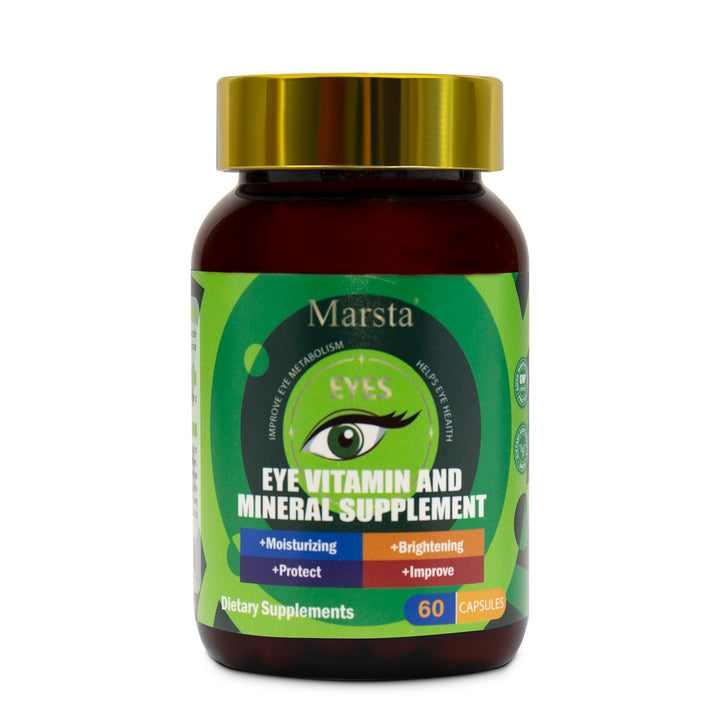
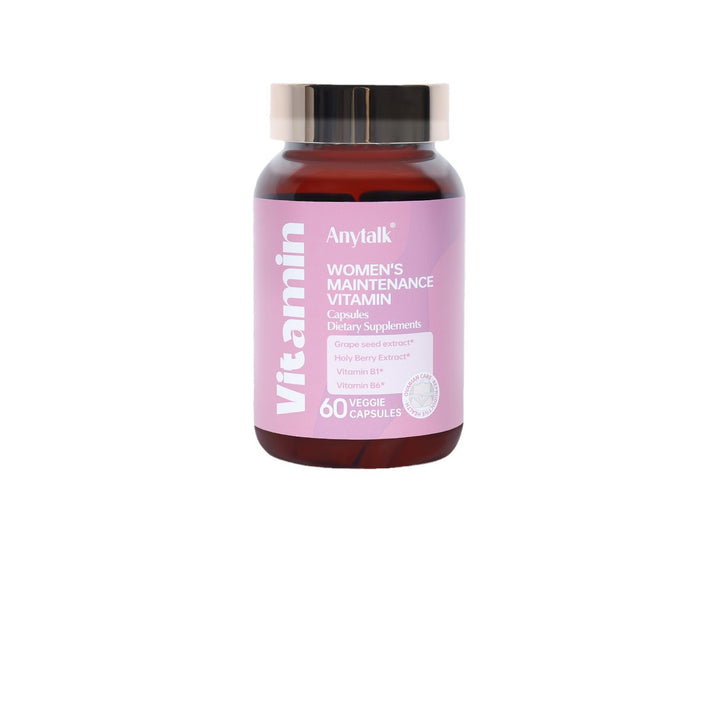
Follow the serving directions on the product label rather than comparing products by capsule count alone. Take the supplement with water, and check the label for any instructions about taking it with food. Keep the container closed and store it as directed, particularly for gummies, which may be affected by heat or humidity. Do not combine several products automatically: the brain health capsules, lutein supplement, women's hormone support vitamin, biotin gummies, trace mineral supplement, and apple cider vinegar gummies may contain overlapping ingredients. If you also use fortified foods or other supplements, review the full list before adding a vitamin C product. Ask a qualified healthcare professional about suitability if you are pregnant, breastfeeding, managing a health condition, or taking medication.
One common mistake is assuming every product in a vitamin category is a dedicated vitamin C supplement. The brain health, lutein, women's hormone support, and biotin products serve different shopping needs, while the trace mineral and apple cider vinegar products combine vitamin C with additional ingredients. Another mistake is choosing by claims such as “extra strength” without checking the actual Supplement Facts panel. Shoppers may also overlook gummy serving sizes, added sugars, or capsule materials. Do not treat vitamin C tablets, vitamin C capsules, vitamin C foods, and vitamin C serum as interchangeable: they are different product types. Finally, avoid taking multiple products with overlapping ingredients unless the combined routine has been reviewed carefully.
Vitamin C tablets, capsules, and gummies may suit adults who want a convenient supplement format and prefer not to plan their routine around vitamin C foods or vitamin C fruits. A dedicated capsule is useful for shoppers seeking a focused product, while a combination formula may fit someone already looking for trace minerals or apple cider vinegar. Gummies can be appealing when swallowing pills is inconvenient, but their label may include sugars, sweeteners, and flavorings. People specifically searching for vitamin C serum or topical vitamin C for skin should look in skincare rather than assuming an oral supplement serves the same purpose. If you suspect a nutrient deficiency, have dietary restrictions, or take regular medication, seek individual guidance before choosing a supplement.
Vitamin C is an essential nutrient involved in normal body functions, including collagen formation and protection of cells from oxidative stress. A supplement can help add vitamin C to a diet, but it should not be treated as a cure or replacement for professional medical care.
Some people take vitamin C daily, but whether that is appropriate depends on diet, the product strength, and individual circumstances. Follow the product label, avoid stacking products without checking total intake, and ask a healthcare professional if you are pregnant, breastfeeding, taking medication, or managing a health condition.
Common food sources include citrus fruits, berries, kiwi, peppers, tomatoes, broccoli, and leafy vegetables. The amount can vary with serving size, freshness, preparation, and storage, so use a varied diet rather than relying on a single food.
Possible signs of inadequate vitamin C can overlap with many other dietary or health issues, so they are not a reliable basis for self-diagnosis. If you are concerned about your intake or symptoms, speak with a qualified healthcare professional rather than starting a high-dose supplement on your own.
Vitamin C intake can be affected by a limited diet, and cooking and storage may reduce the amount present in some foods. Individual needs and nutrient status can also vary, so persistent concerns are best discussed with a healthcare professional.
The answer depends on the serving size and the specific variety, but guava, kiwi, and citrus fruits are commonly recognized as rich sources. Strawberries and some tropical fruits can also contribute vitamin C, so compare nutrition information for the serving you actually eat.