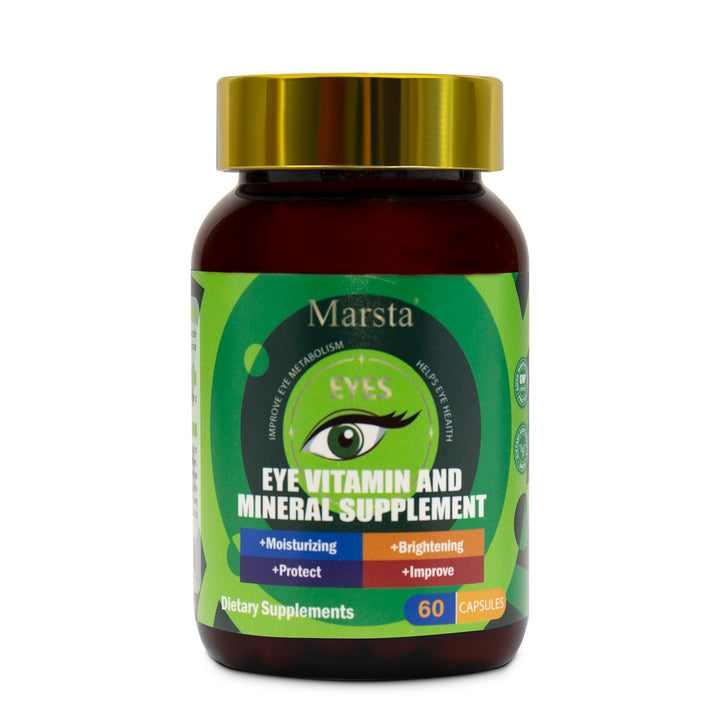
$44.90
Free delivery · 7–14 days
Lutein Eye Vitamin & Mineral Supplement — Clearer, Brighter


Vitamin supplements come in many forms, including capsules, liquid drops, drink powders, gummies, and single-nutrient formulas. Use this guide to compare the products in this category by nutrient, format, serving information, and intended use before choosing vitamins and supplements online.
Start with the nutrient and format that fit your routine. This category includes vitamin B-12 liquid, vitamin C, trace minerals with vitamin C, lutein with vitamins and minerals, niacinamide drink powder, active-B capsules, and general vitamin supplement capsules. Check the Supplement Facts panel for serving size, amount per serving, additional ingredients, and directions. Liquid drops may suit shoppers who prefer not to swallow capsules, while powders can be mixed according to the package instructions. If you are comparing vitamin supplements for women or vitamin supplements for men, focus on the actual nutrients and amounts rather than the audience wording alone. Consider whether you want a single-nutrient product or a broader formula, and choose a format you can use consistently.
Single-nutrient products provide a focused way to compare specific ingredients. The category includes a high-strength B-12 liquid, a vitamin C supplement, and a niacinamide drink powder. Combination products include trace minerals with vitamin C, lutein with vitamins and minerals, and an active-B formula. There are also liquid vitamin drops and general vitamin capsules, so shoppers can compare delivery format as well as ingredients. Gummies are a popular search term, but not every category product is a gummy; always confirm the form on the product page. A vitamin supplements list can help you organize options by nutrient, but it should not replace reading the label. Compare serving sizes carefully because products with similar names may have different ingredient panels.
Look for a complete, readable label with the serving size, nutrient amounts, ingredient list, allergen information where provided, and storage instructions. Check whether the product is a capsule, liquid, powder, or another format, and verify how it should be measured or mixed. For this category, compare B-12 amounts, vitamin C amounts, mineral ingredients, lutein content, and the specific B vitamins in combination formulas. Review the package directions rather than assuming that a larger number is better. If you are shopping among vitamin supplements brands, use consistent criteria: transparent labeling, a format you will use, and ingredients that match your personal needs. Avoid relying only on phrases such as energy, immune, joint, or anti-aging in a product title; inspect the full facts panel and any cautions.
Follow the serving and timing directions printed on each product, and measure liquid drops or drink powder with the recommended method. Do not combine multiple products automatically, especially when they contain overlapping nutrients such as vitamin C, B vitamins, or minerals. Keep a list of all supplements, medicines, and fortified foods you use so a pharmacist or clinician can check for possible interactions. This is particularly important if you take prescription medicines, are pregnant or breastfeeding, have a medical condition, or are preparing for a procedure. Store products as directed and keep them away from children. Supplements are not a substitute for a varied diet or prescribed treatment. Stop and seek professional advice if you notice an unexpected reaction after use.
A common mistake is choosing by a headline claim without checking the active ingredients, serving size, or directions. Another is stacking several vitamin supplements with similar ingredients, such as a multinutrient capsule, vitamin C formula, and B-complex product. Shoppers may also confuse a liquid product with a dropper serving, take more than the label states, or assume that all products suit daily use. Do not use the category name alone to decide whether a supplement is right for you. Check expiry and storage details, especially for liquids and powders, and keep product packaging available when asking about interactions. If a listing uses terms such as extra strength or support, treat those as shopping descriptions and verify the actual formulation before buying.
These products may suit adults who want a particular supplement format or are looking for nutrients such as B-12, vitamin C, trace minerals, lutein, niacinamide, or a blend of B vitamins. The best choice depends on diet, age, existing nutrient intake, medications, and advice from a qualified healthcare professional. People comparing vitamin supplements for women or men should not assume that a gender label identifies a personal requirement. Anyone with a medical condition, a restricted diet, pregnancy, breastfeeding, or regular medication use should ask a clinician or pharmacist before starting a new product. Children should only use products specifically intended for them and under appropriate adult guidance. Review each product page because the category contains different formulas and serving instructions.
There is no single best vitamin supplement for everyone. Compare the nutrient, serving size, format, and ingredient list with your diet and personal needs, and ask a healthcare professional if you take medicines or have a health condition.
The answer depends on your diet, age, health circumstances, and any nutrient shortfall identified by a professional. Do not assume that a high-strength or combination product is appropriate for daily use; follow the label and obtain individual advice when needed.
There is no universal pair that everyone must avoid, because the answer can depend on the ingredients, doses, medicines, and health conditions involved. Check for overlapping nutrients across products and ask a pharmacist to review your complete supplement list before combining them.
Do not add a vitamin solely because you take omeprazole. Your need for a supplement depends on your diet, duration of treatment, medical history, and test results, so discuss options with a clinician or pharmacist.
No general list applies to every person with acid reflux. Some supplements may cause digestive discomfort or may interact with medicines, so review the specific product label and ask a healthcare professional if symptoms persist or worsen.
Omeprazole can interact with some medicines, and the relevant combinations depend on the drug, dose, and timing. Give your pharmacist a complete list of prescription medicines, over-the-counter products, and vitamin supplements before starting or combining pills.