Skip to content

Probiotics for Gut Health | Best Probiotics for Women

24 products

Shop Supplements & Wellness by type

Probiotics are live microorganisms found in some foods and supplements, while many digestive products use different ingredients such as fibre, herbs or oils. Use this guide to compare probiotic supplements with the other digestive-support products in this category and choose an option that matches how you prefer to shop, such as capsules, sachets, drops or toothpaste.

How to choose probiotics for gut health

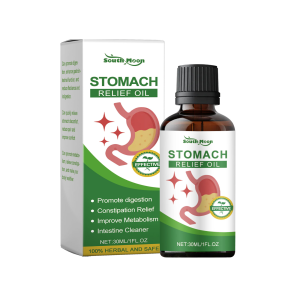
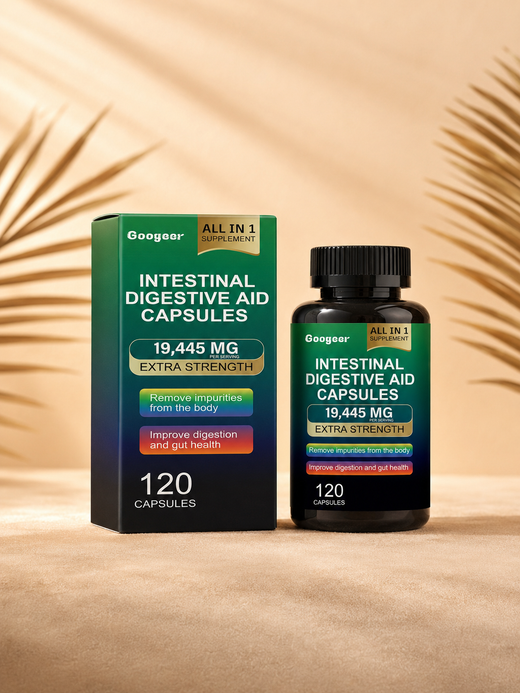
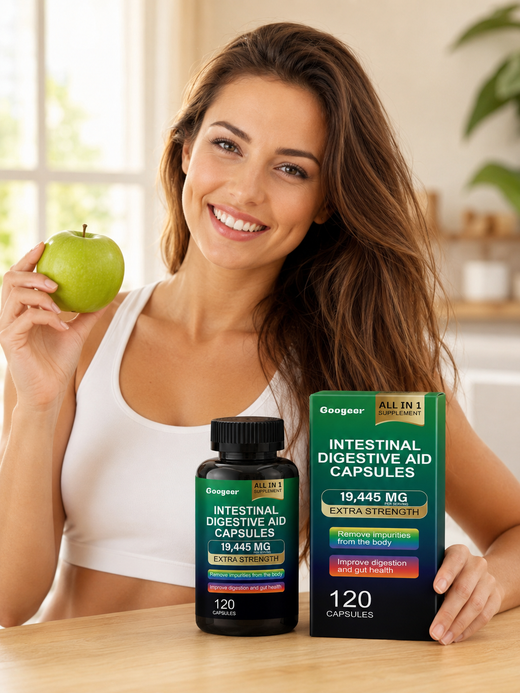
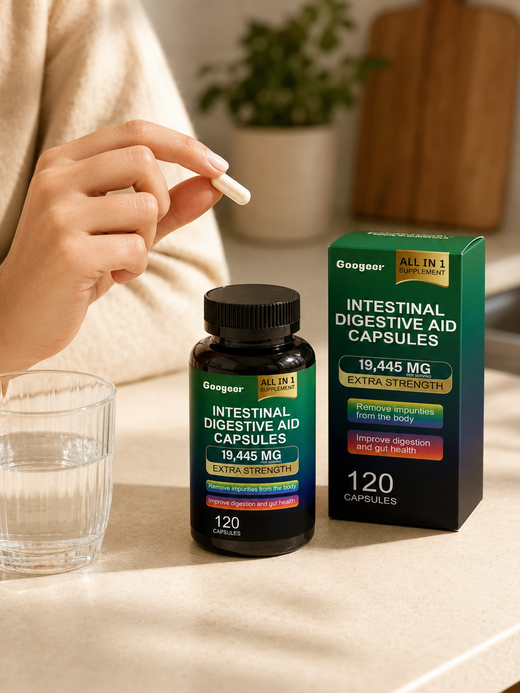
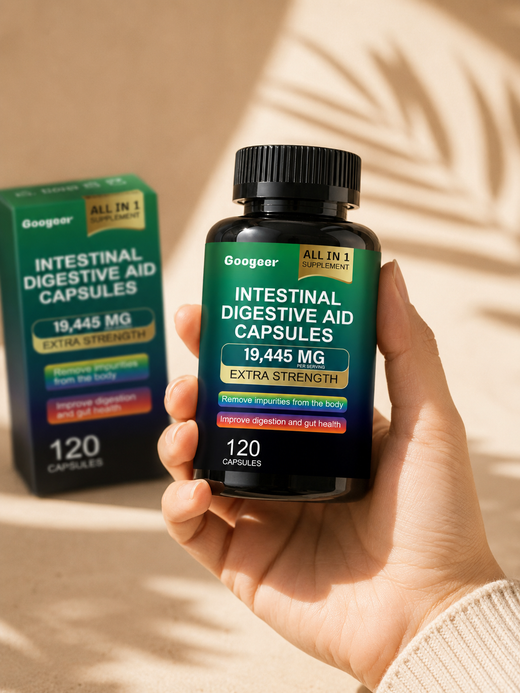
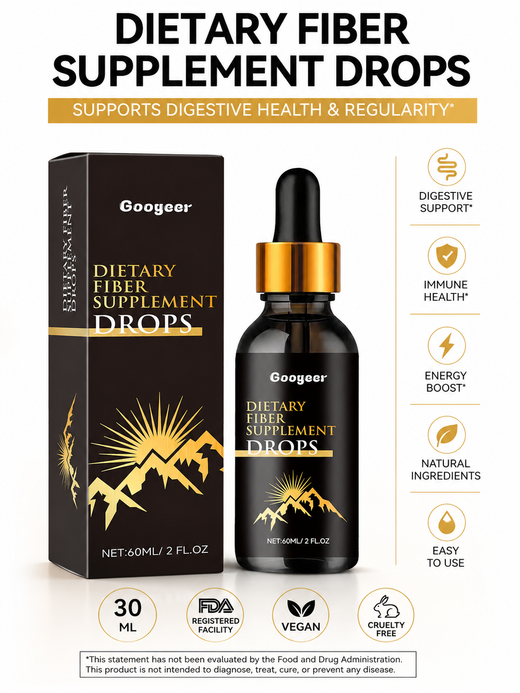
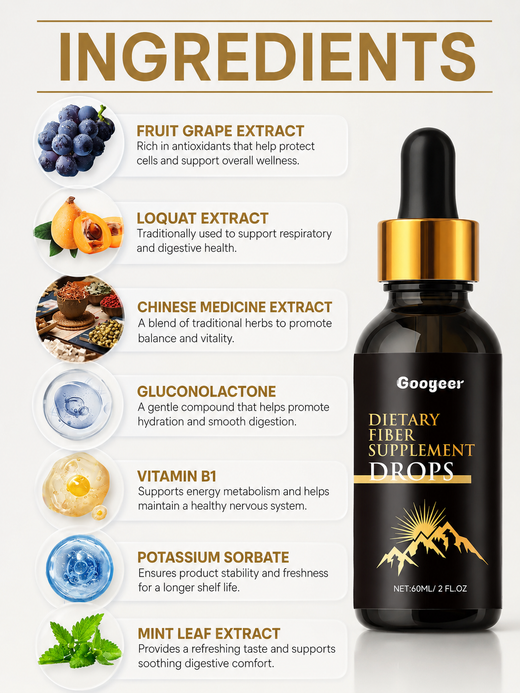
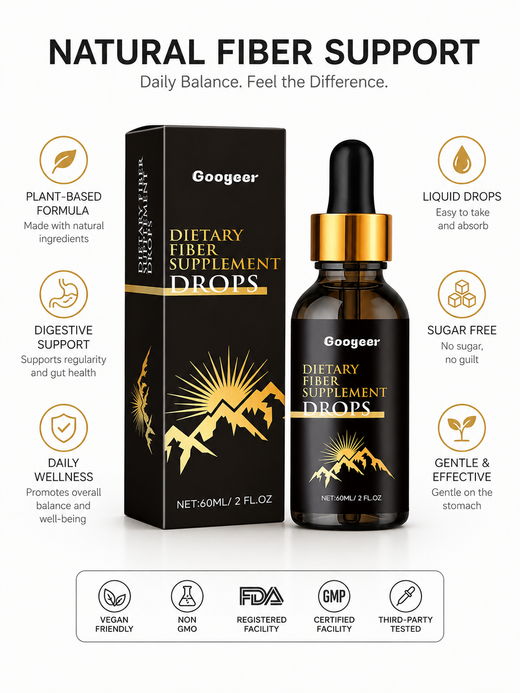
Start by deciding whether you want a dedicated probiotic supplement or a product for a different digestive routine. Probiotic supplements commonly come as capsules, tablets or sachets and should clearly identify the microorganisms included, serving directions and storage advice. In this category, Digestive Aid Capsules — Extra Strength 19,445 MG Gut is a capsule-based digestive product, but its listing should be checked for whether it contains probiotics before purchase. Liquid Fiber Supplement Drops are a fibre product rather than a probiotic, while Stomach Soothing Oil uses an oil format. For probiotics for women, probiotics for men or probiotics for kids, look for age and usage guidance suited to the intended user instead of choosing solely by audience wording.


What are the different types of probiotics compared?

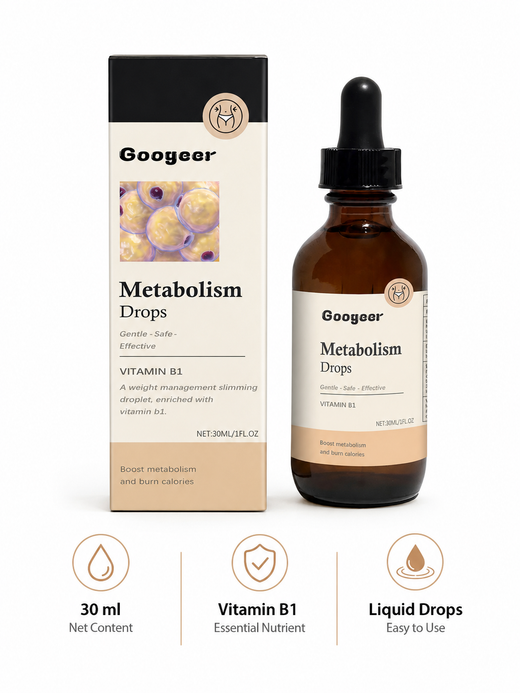
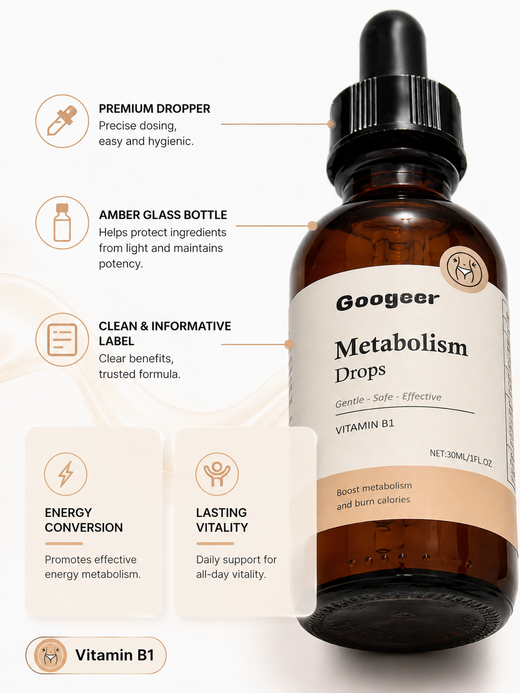
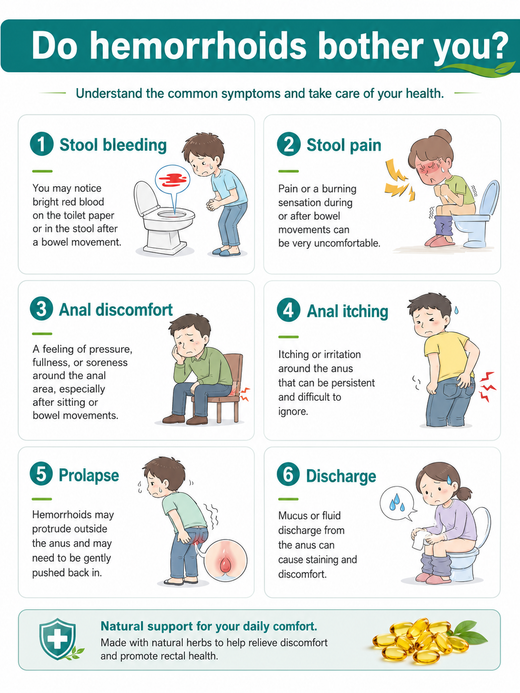
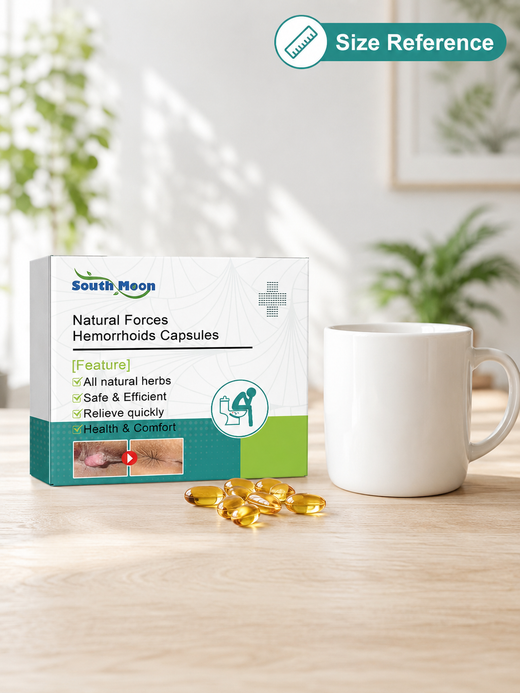
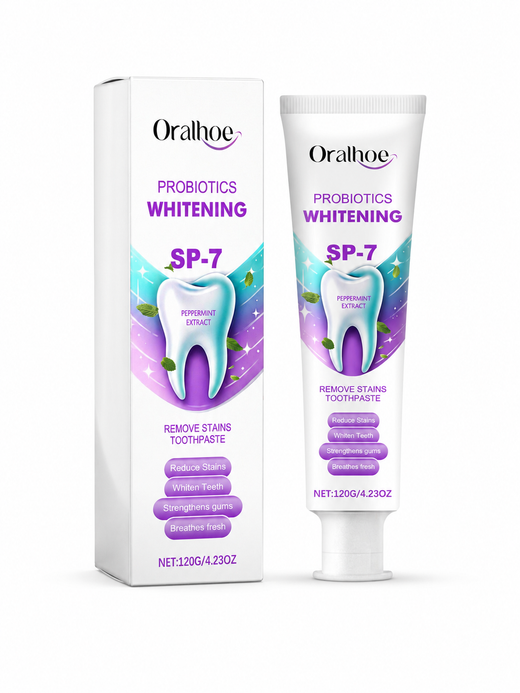
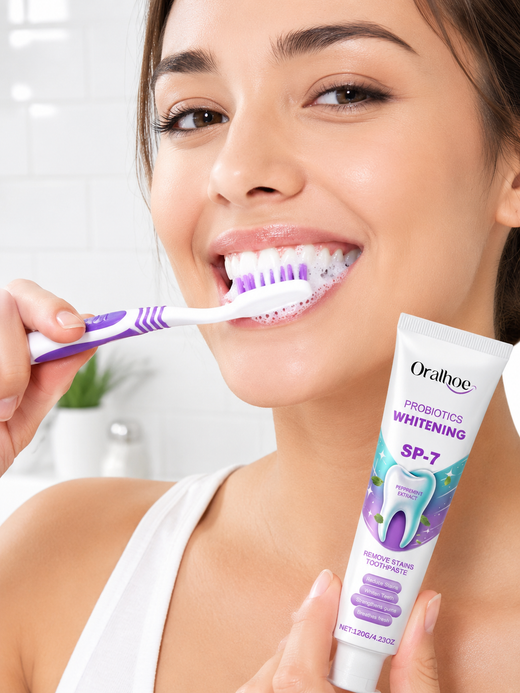
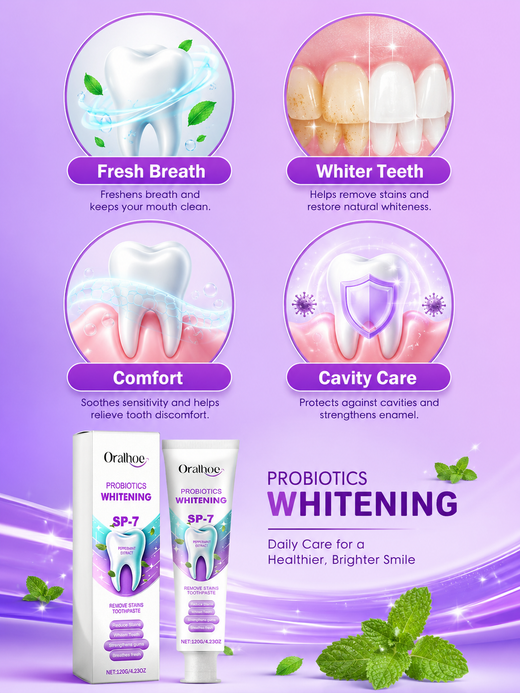
Probiotics supplements are available in several formats. Probiotic capsules and probiotics tablets are convenient for people who prefer a measured serving, while a probiotics sachet can be mixed according to its label instructions. Some shoppers prefer foods or drinks containing live cultures, but the amount and type can vary by product. The products listed here are not all probiotic products: Soursop Graviola Drops, Vitamin K2 Liquid Drops, Metabolism Drops, Natural Hemorrhoid Capsules and Liquid Fiber Supplement Drops serve different purposes. Probiotic Whitening Toothpaste is also a topical oral-care product, not a general gut-health supplement. Compare the format, ingredients, directions and intended use so you do not mistake digestive support, fibre, vitamins or oral care for probiotics.

What should you look for in probiotic supplements?

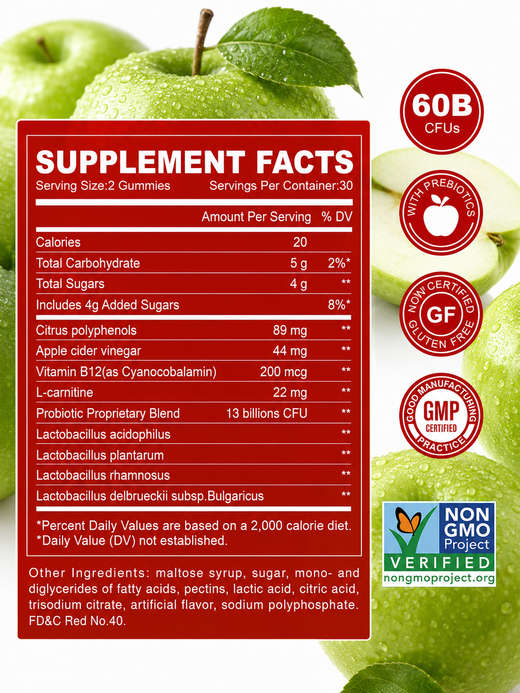
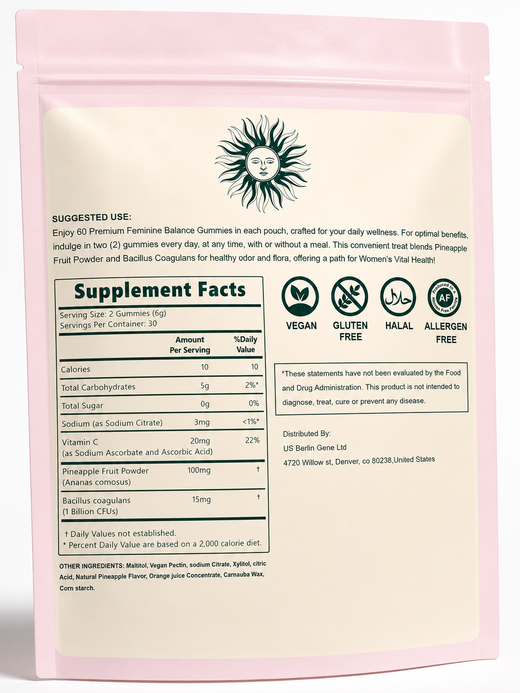
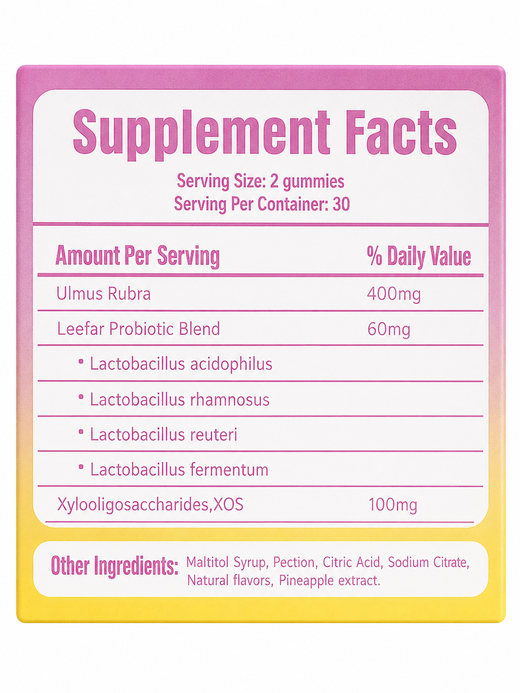
Read the full label before buying probiotics. Look for the microorganism names, the amount provided per serving, serving instructions, storage requirements and the product's best-before information. A clear label should also state whether the product needs refrigeration and whether it is suitable for children, adults or other intended users. Check for allergens and other ingredients if you have dietary preferences. For probiotics for women or probiotics for men, consider the same label details rather than assuming a gender-specific product is automatically suitable. If you are comparing this category with Digestive Aid Capsules or Liquid Fiber Supplement Drops, confirm the ingredient list because a digestive product is not necessarily a probiotic. Avoid relying on broad probiotics benefits language without checking what the product actually contains.

How should you use probiotics?

Follow the serving size, timing and storage instructions printed on the product you buy. Do not take extra servings to compensate for a missed serving, and do not mix a sachet into a hot drink unless the label specifically allows it. If you use probiotics tablets or capsules, take them with the recommended liquid and check whether the directions mention food. Keep products away from conditions that may affect their quality, such as heat or moisture, when the label advises this. If you are taking doxycycline or another medicine, ask a pharmacist or clinician how to space products and whether a probiotic is appropriate for you. Use different products according to their own directions: toothpaste is for oral care, while drops and oils are not interchangeable with probiotics.

What are common mistakes when buying probiotics?

A common mistake is treating every digestive product as a probiotic. Fibre drops, herbal capsules, digestive oils, vitamins and metabolism products may be marketed for related shopping needs but are not automatically sources of live microorganisms. Another mistake is choosing by a large-sounding quantity without checking the microorganism details, serving instructions or storage requirements. Do not assume that probiotics for women, probiotics for men or probiotics for kids are interchangeable; check the intended age group and label guidance. Shoppers also sometimes overlook expiry dates, allergen information and refrigeration instructions. Finally, do not expect probiotic foods, drinks, capsules and toothpaste to work in the same way. Compare the product format with your actual goal before adding it to your basket.

Who are probiotics suitable for?

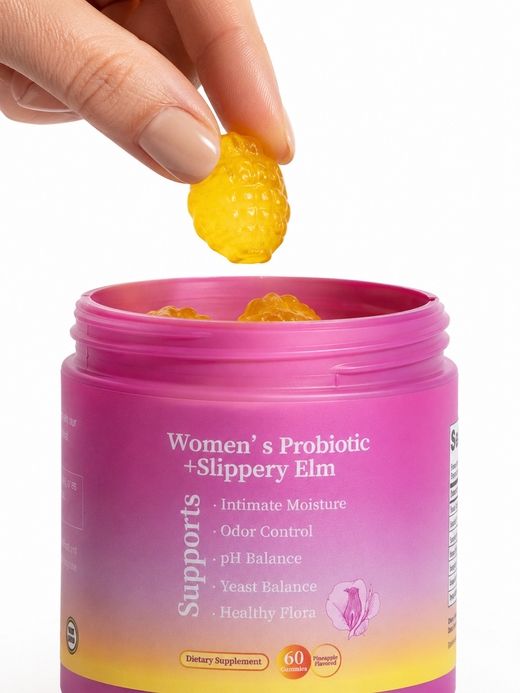
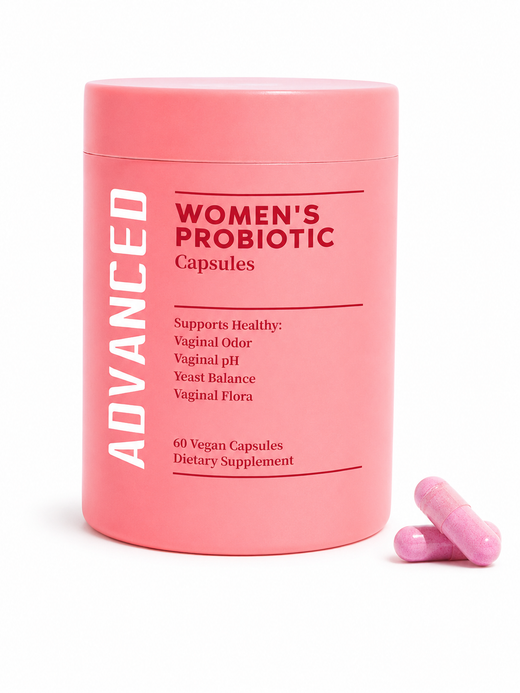
Probiotics may appeal to adults who want a clearly labelled capsule, tablet or sachet format, and some products are designed with children or specific audiences in mind. Suitability depends on the ingredients, age guidance, allergies, medicines and personal circumstances, so read the label carefully. People looking for probiotics for women or probiotics for men should compare the product's actual formulation rather than relying only on the category name. Parents should choose probiotics for kids only when the packaging gives suitable directions and age information. If you are pregnant, immunocompromised, managing a health condition or taking prescription medicine, ask a qualified healthcare professional before use. This category also includes non-probiotic options, so consider whether fibre, digestive drops, oil or oral-care toothpaste better matches your intended use.

Frequently asked questions

Should I take probiotics on doxycycline?

Ask a pharmacist or clinician before combining a probiotic with doxycycline, particularly if you take other medicines or manage a health condition. They can advise whether a probiotic is suitable and whether the products should be taken at different times.

What do probiotics do for you?

Probiotics are live microorganisms found in certain foods and supplements. Different products contain different microorganisms, so their intended use and directions can vary; read the label rather than assuming all probiotics have the same effect.

What are signs you need a probiotic?

There is no single sign that proves you need a probiotic. If you have ongoing digestive symptoms, take prescription medicine or have a health condition, speak with a healthcare professional before choosing a supplement.

What are 5 probiotic foods?

Examples commonly associated with live cultures include live-culture yogurt, kefir, sauerkraut, kimchi and some fermented vegetables. Check the package because processing, pasteurisation and storage can affect whether live cultures remain.

What drink is high in probiotics?

Kefir is a drink commonly made with live cultures, and some fermented drinks may also contain them. Check the product label for live cultures, ingredients, sugar content and storage instructions rather than assuming every fermented drink is probiotic.

What fruit has the highest probiotics?

Fresh fruit is not usually a reliable source of probiotics because probiotics are live microorganisms added through fermentation or a specific product process. Some fruit-based fermented foods or drinks may contain live cultures, so check the label for those details.

Browse related: Shop all Pet Winter Coats - Warm Fur-Lined Jackets for Dogs & Cats · explore pet water fountains - automatic drinking fountains for cats & dogs.