Hygiene Tools | Touchless Door Openers & Clean Gadgets40 items

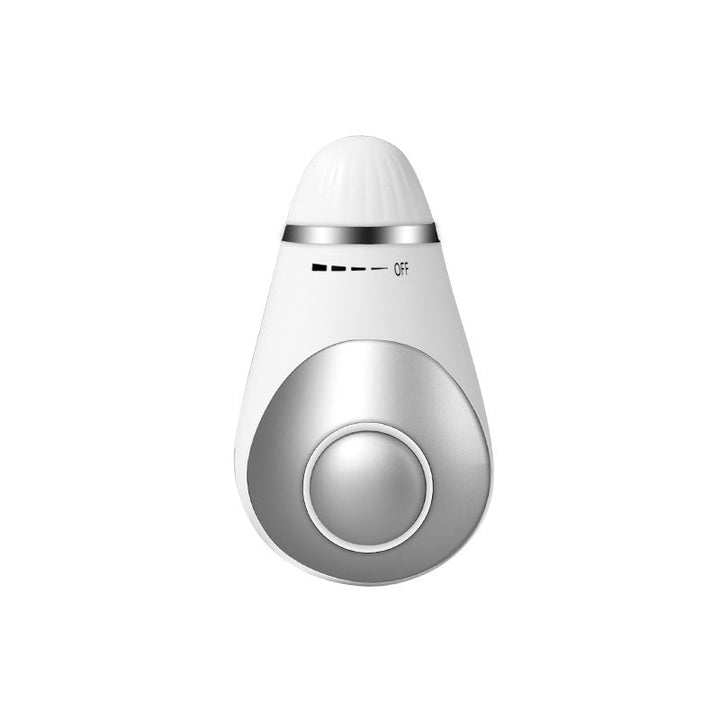
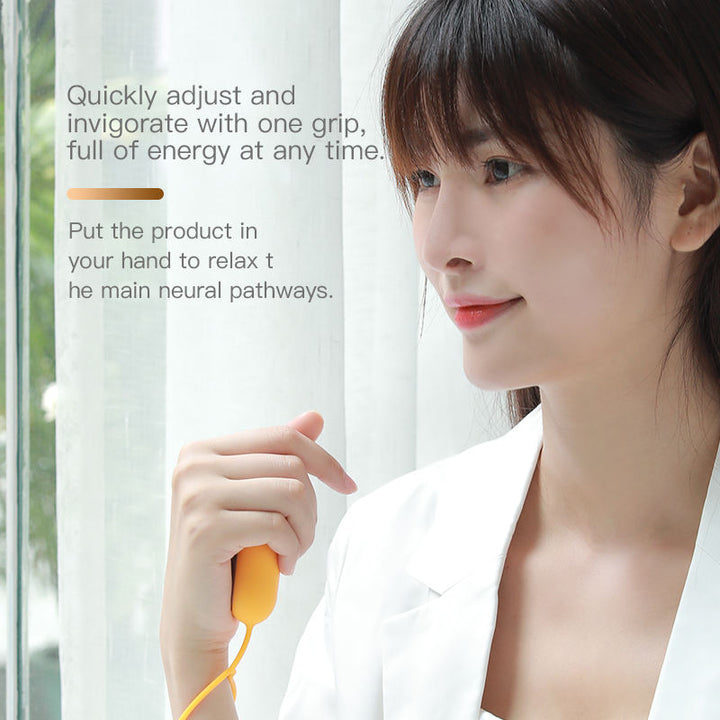
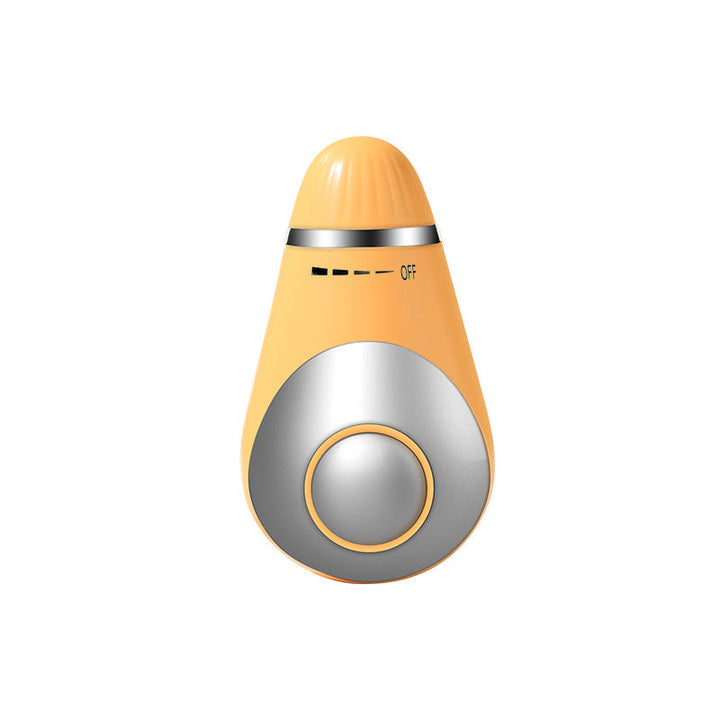


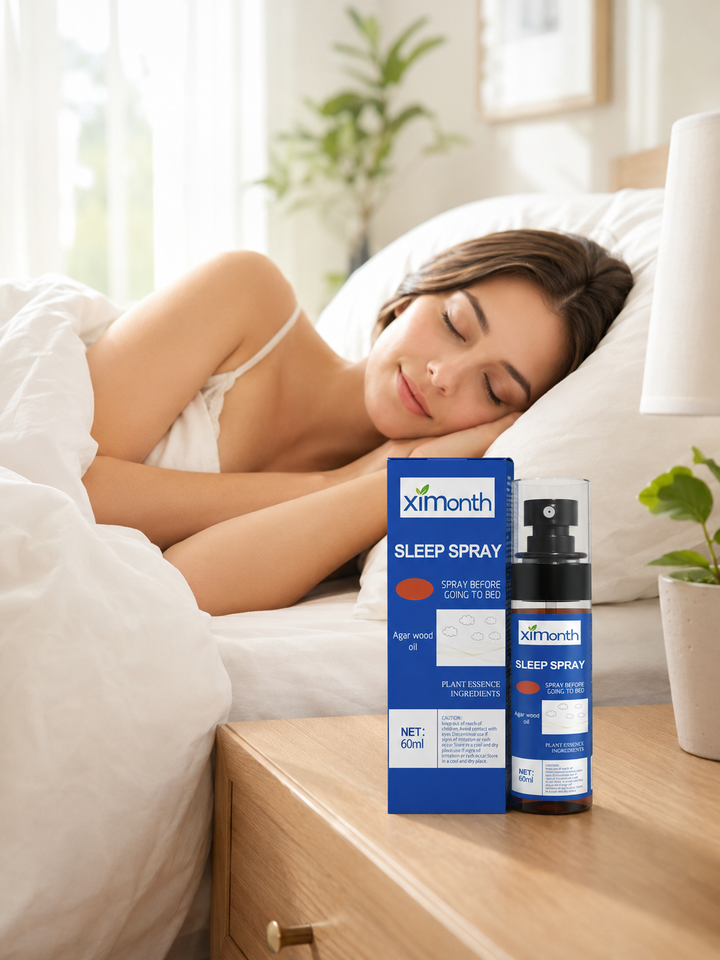
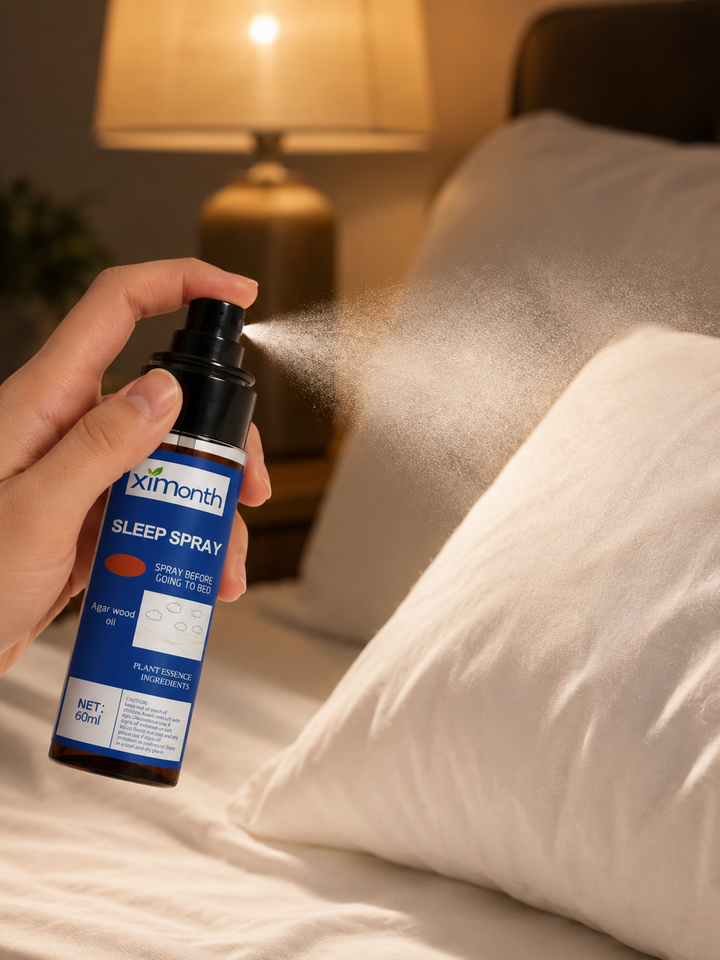
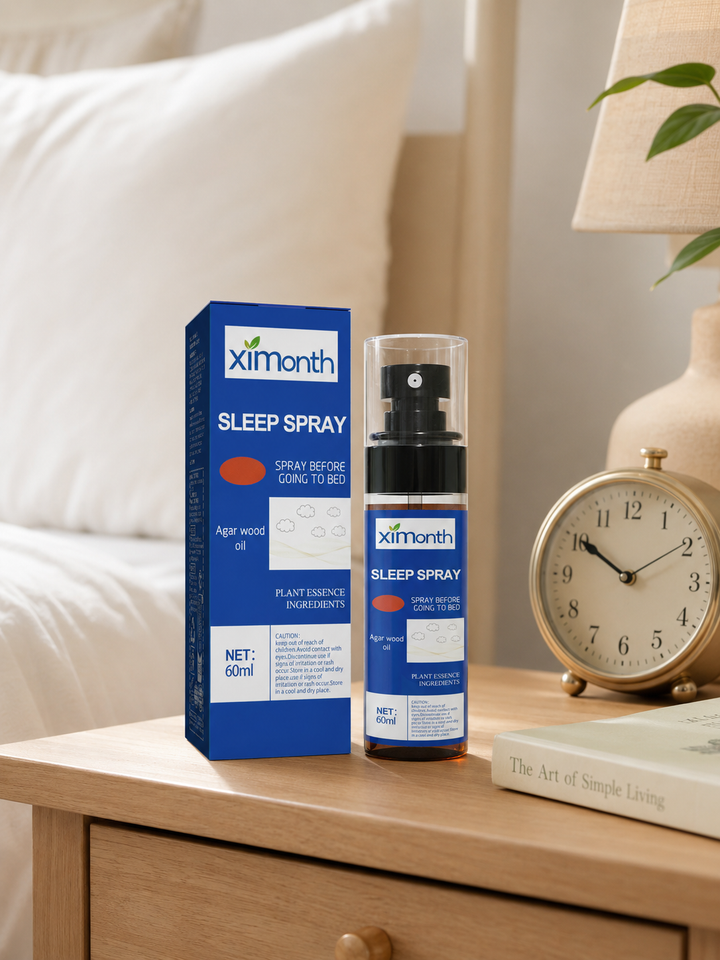

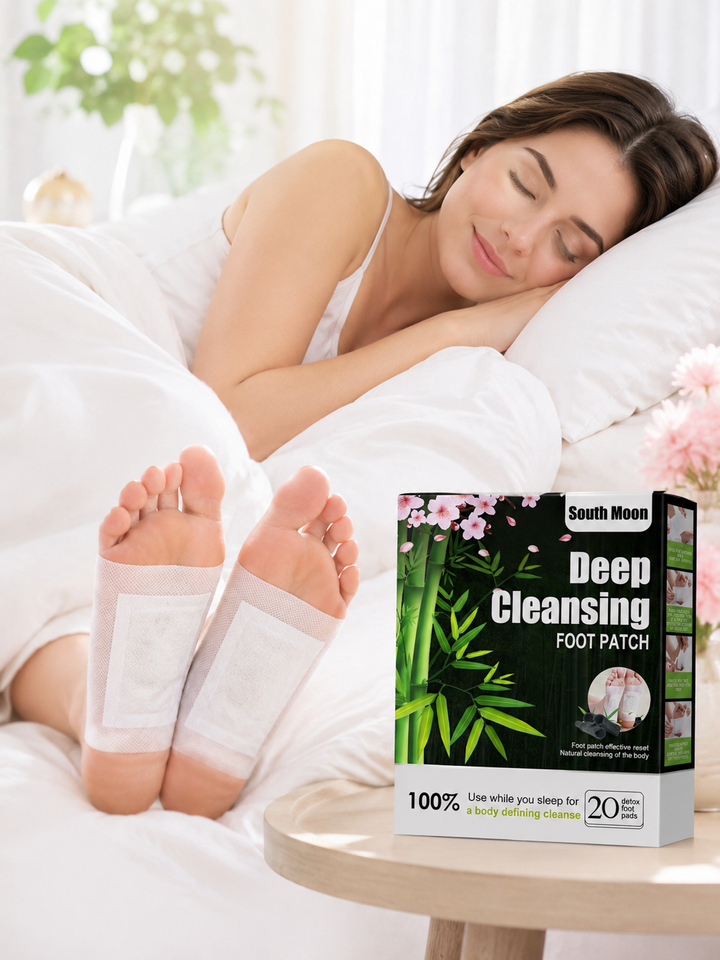
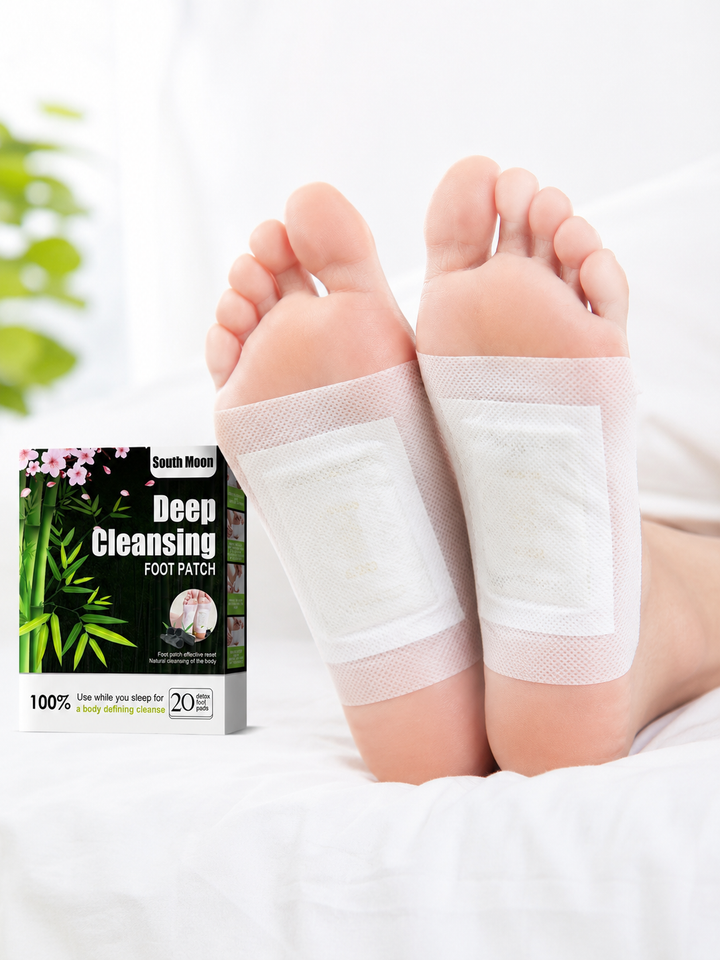


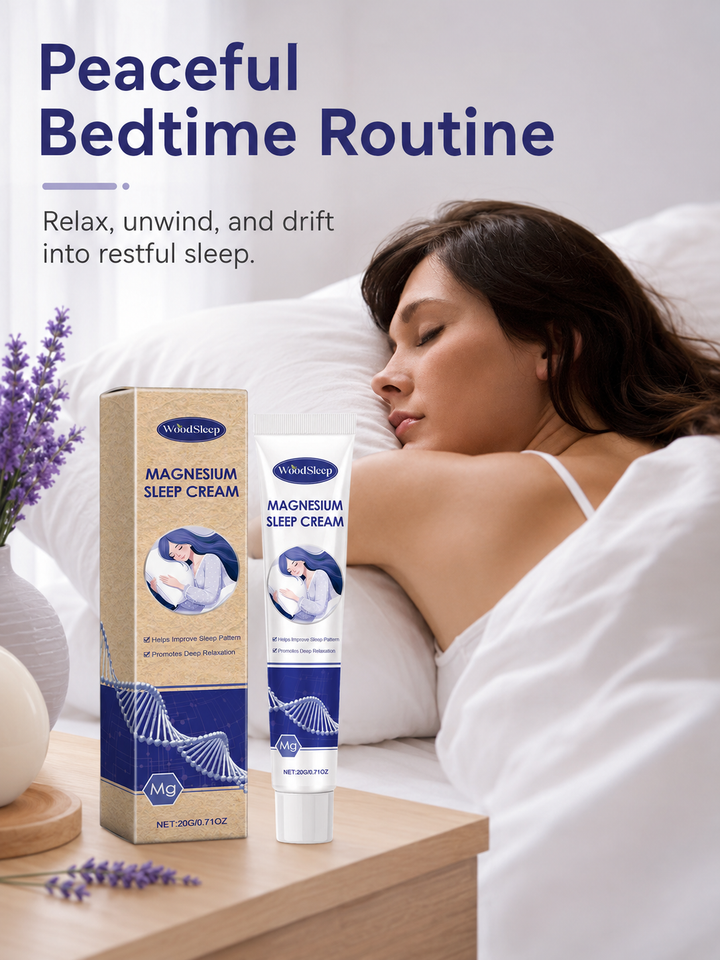
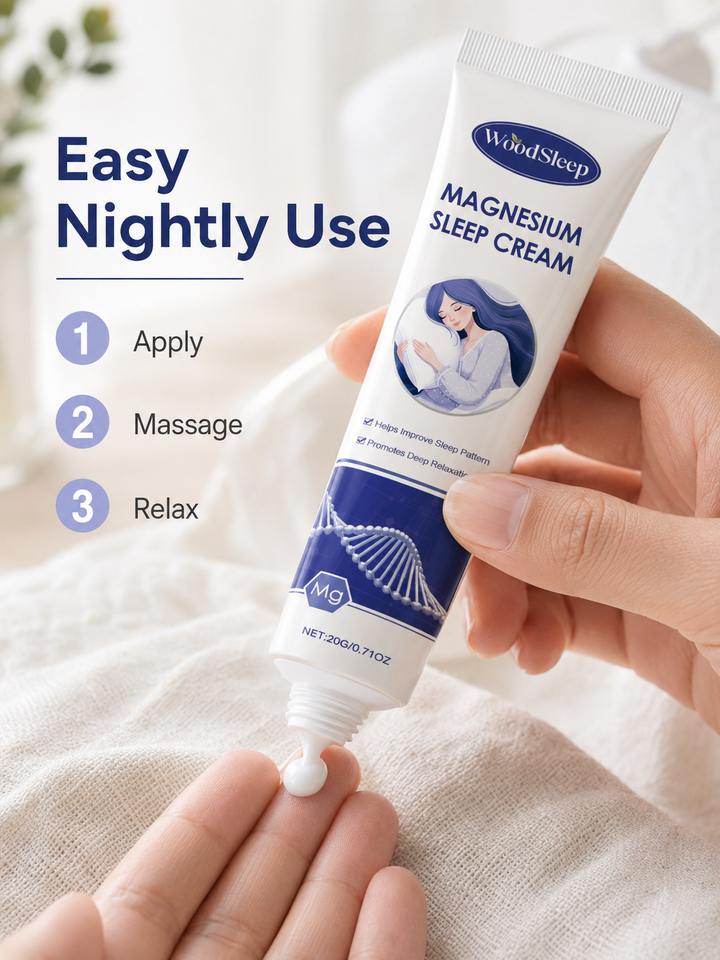
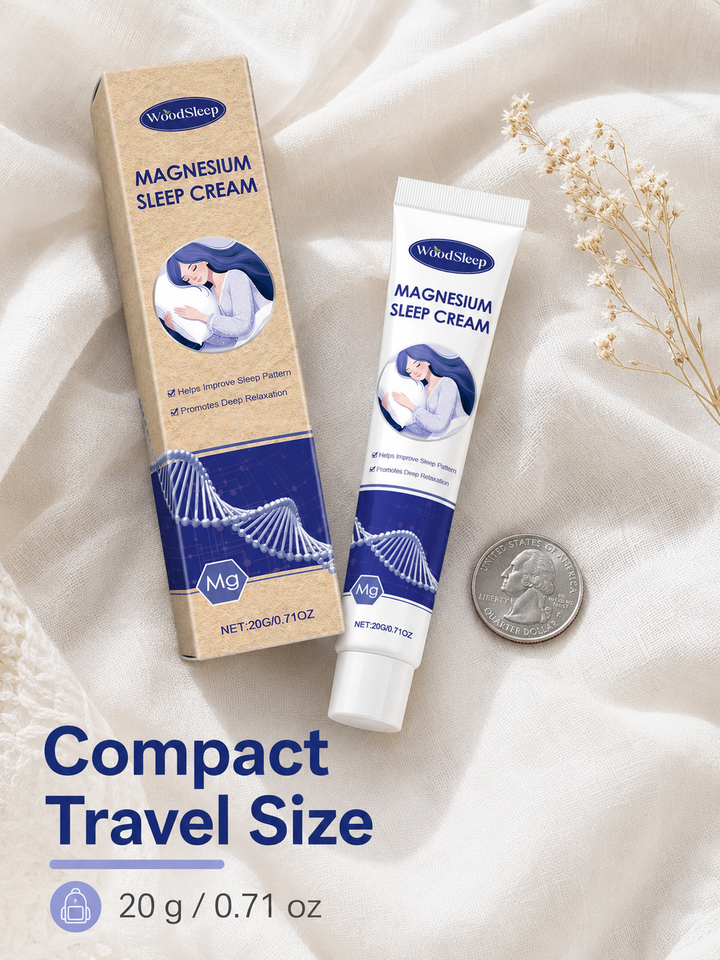

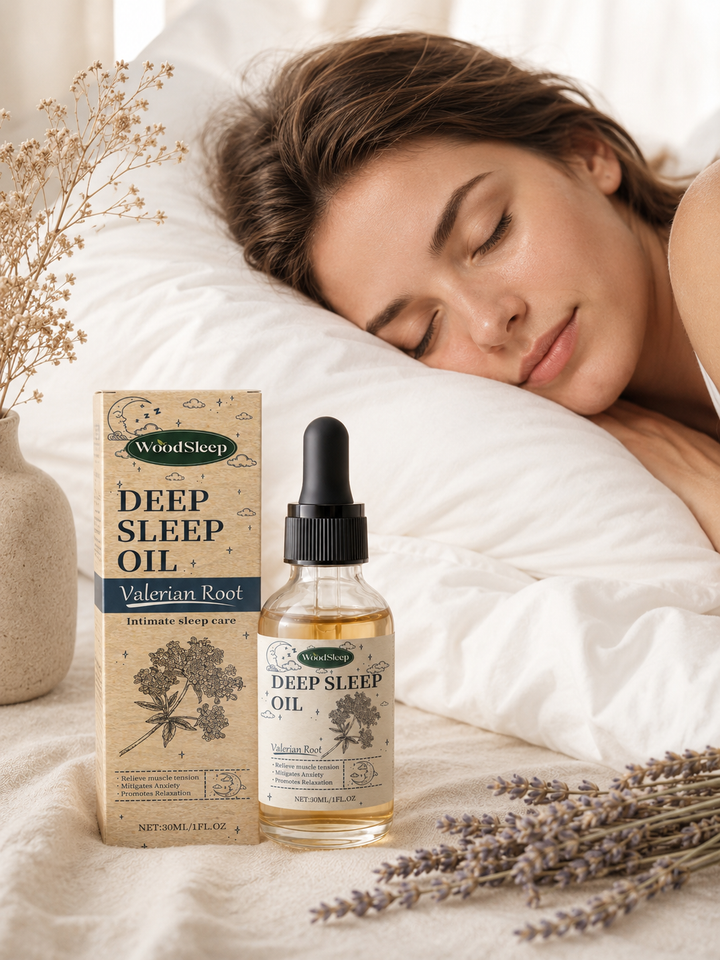

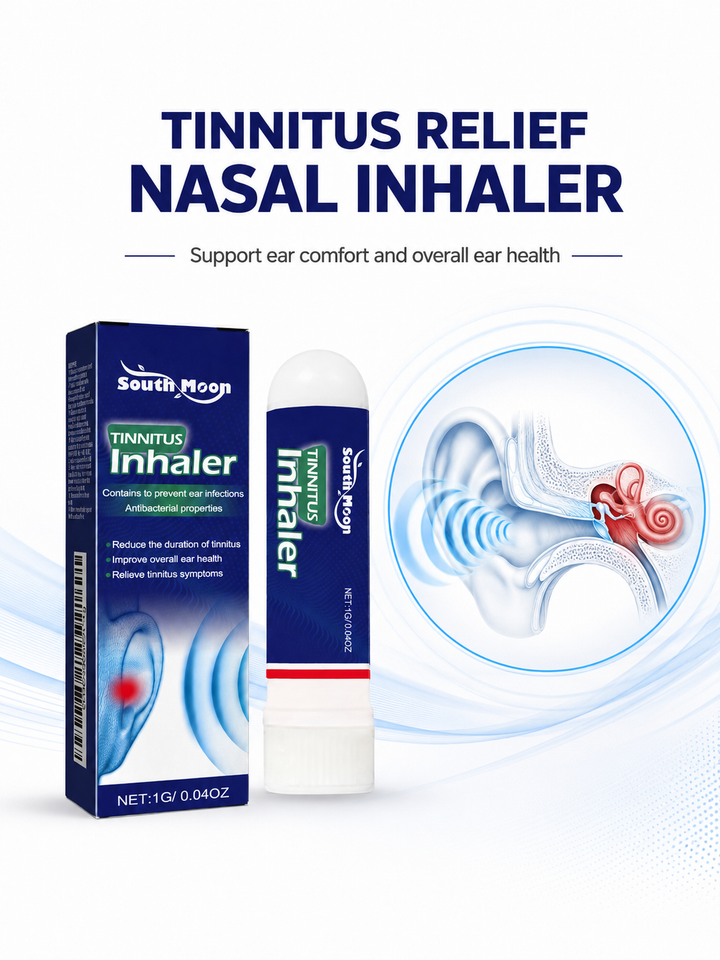
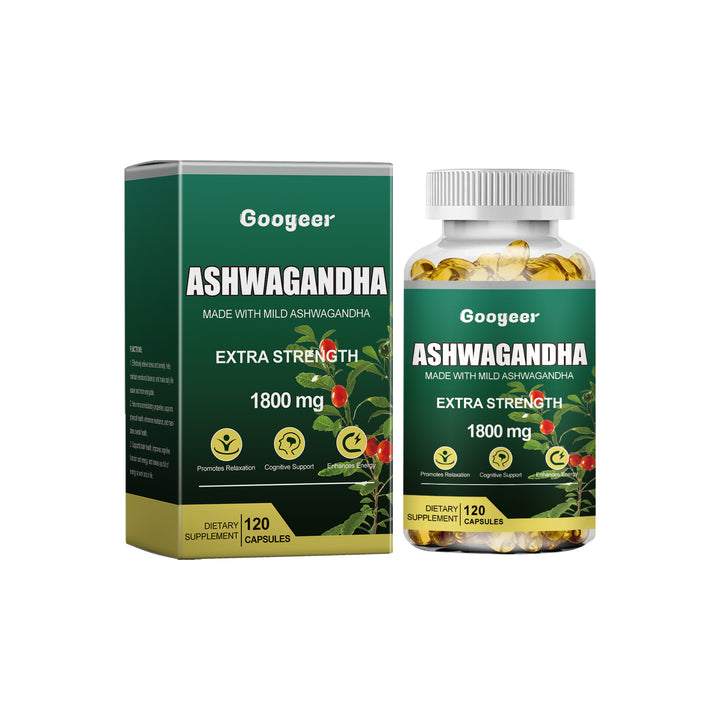
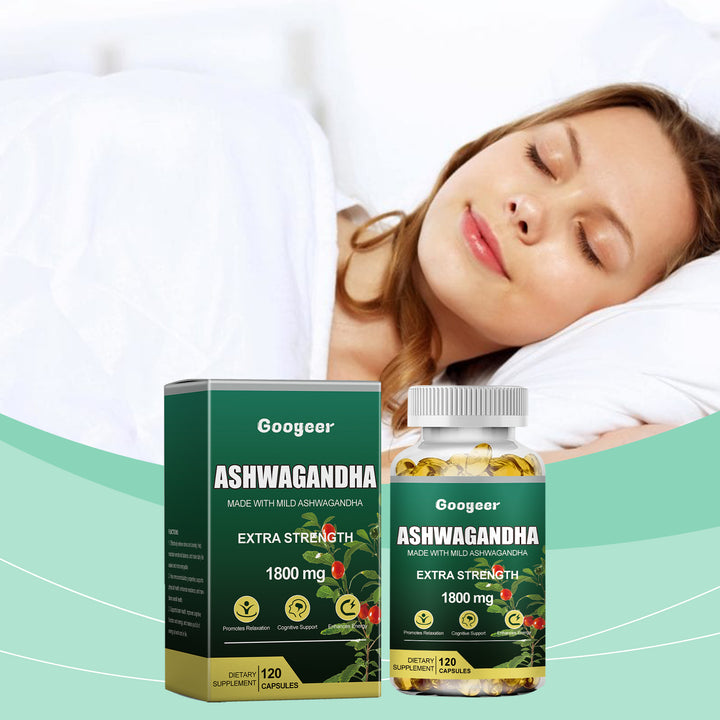
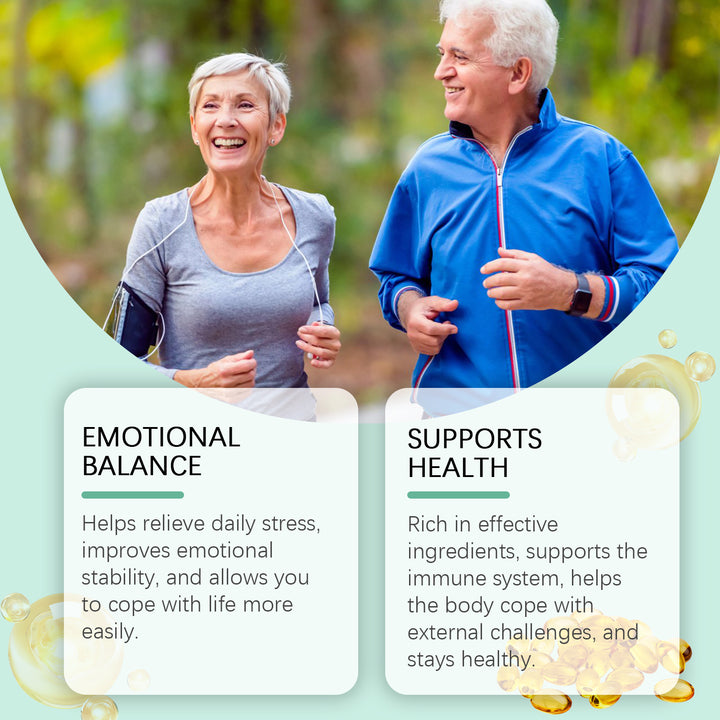






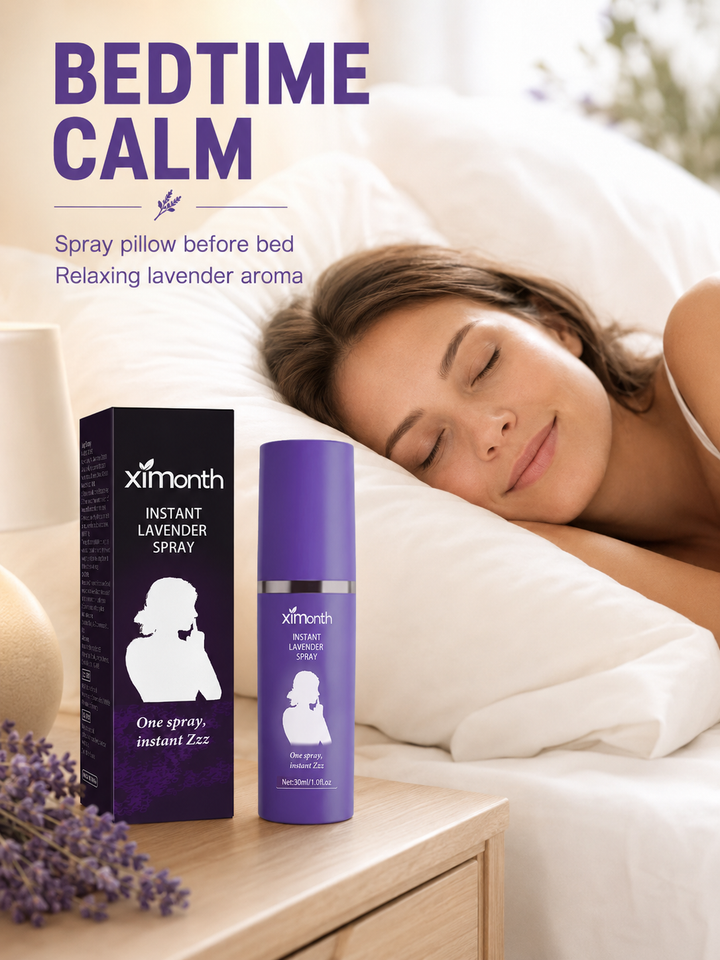
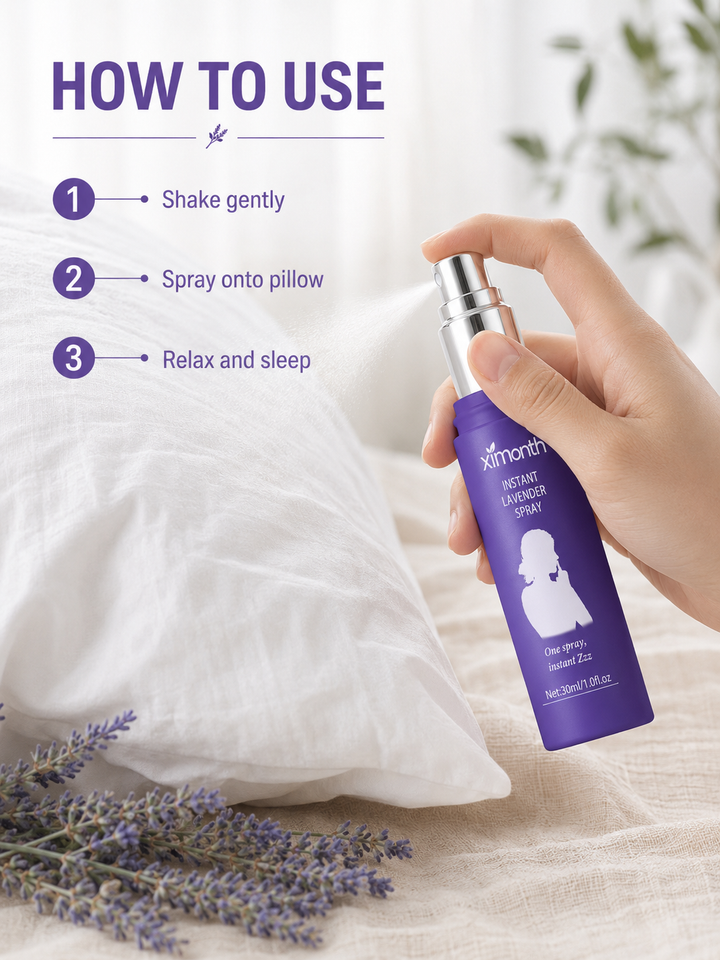
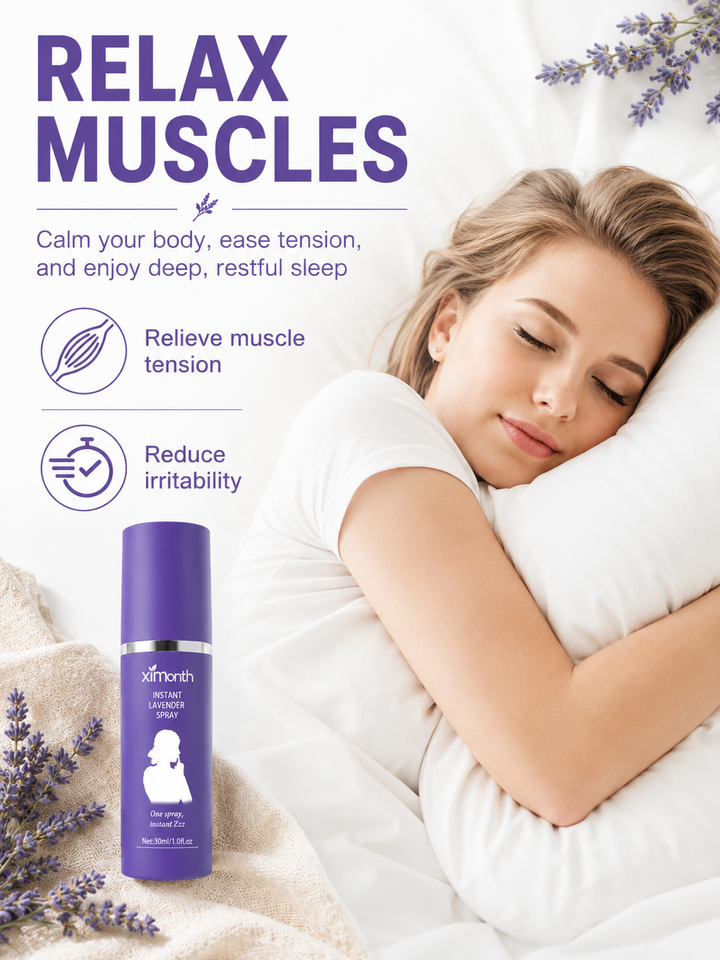







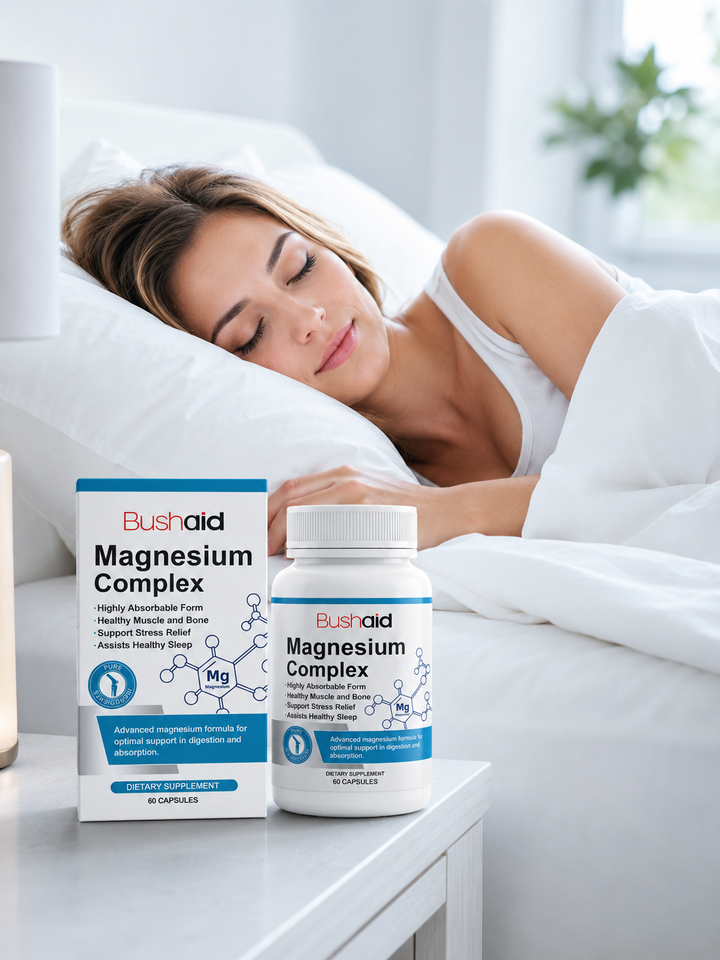
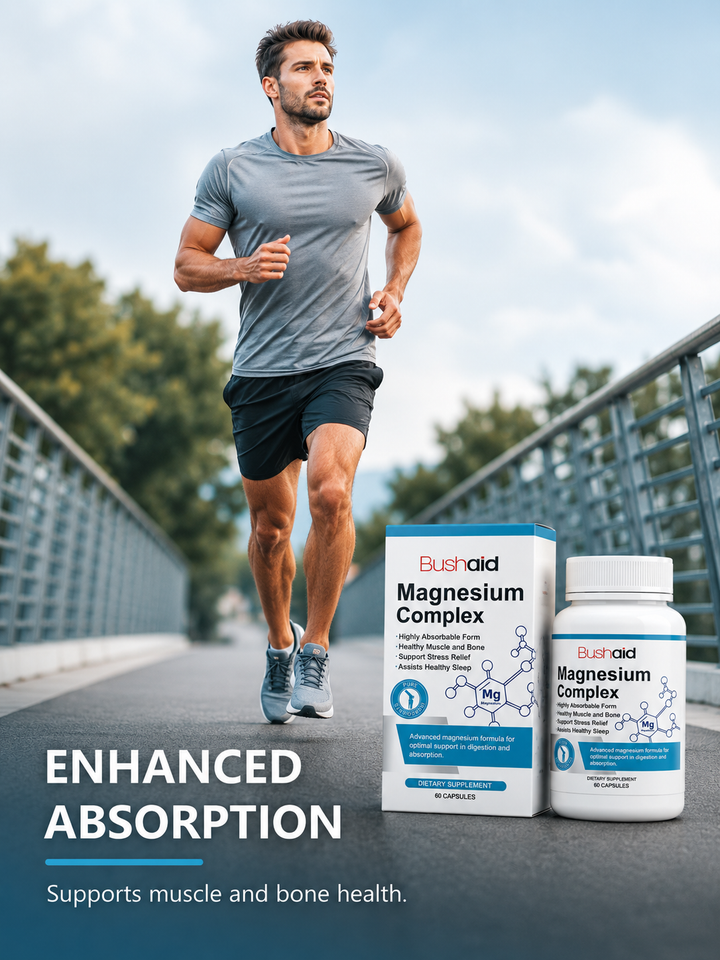
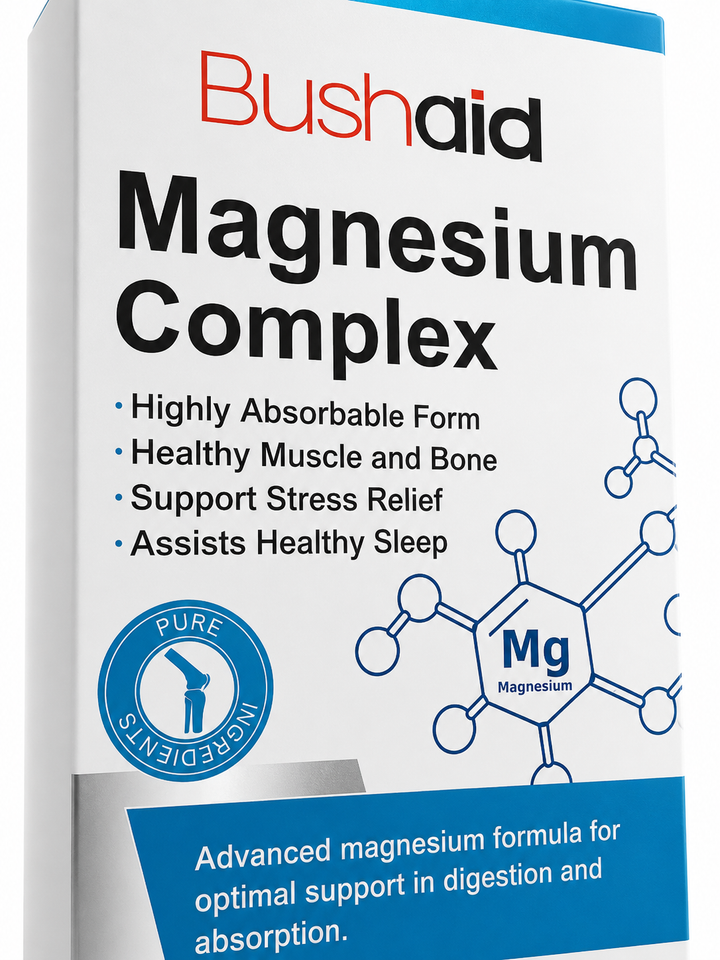

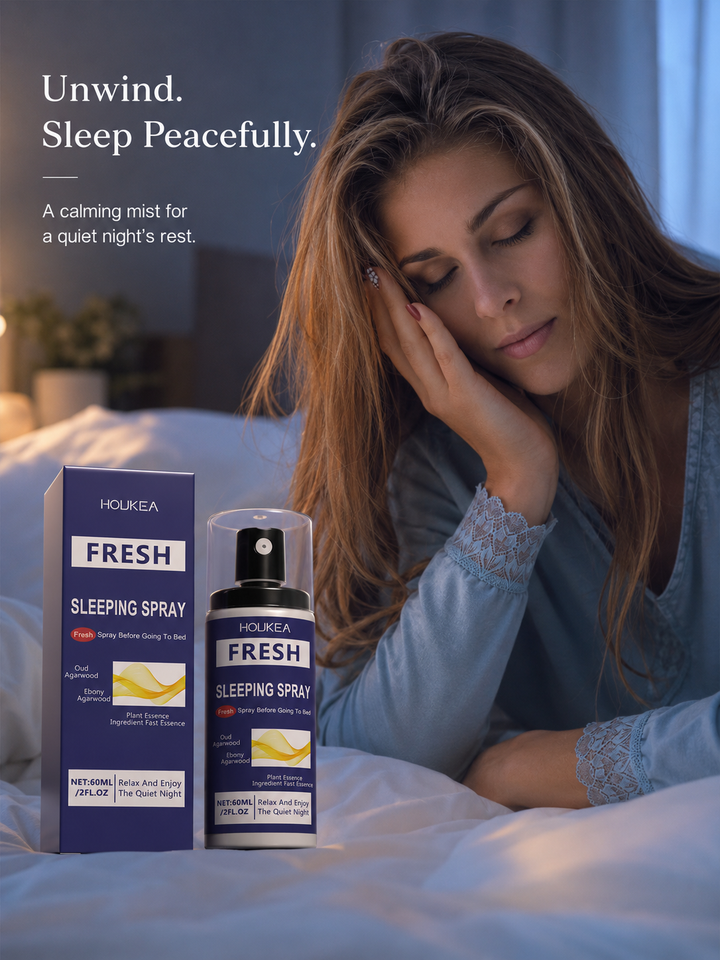
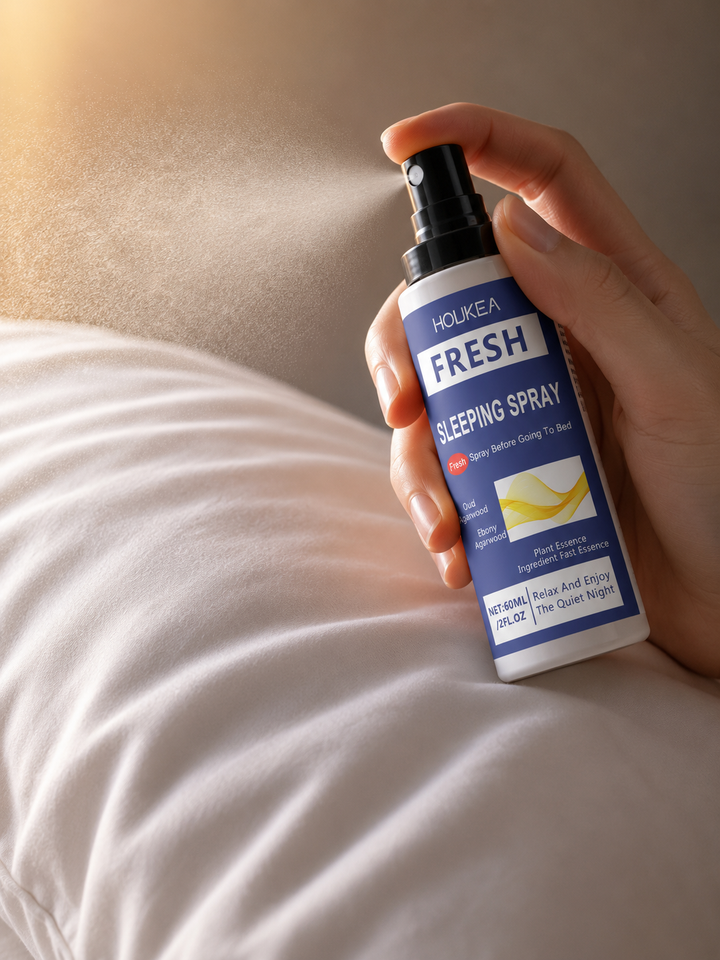
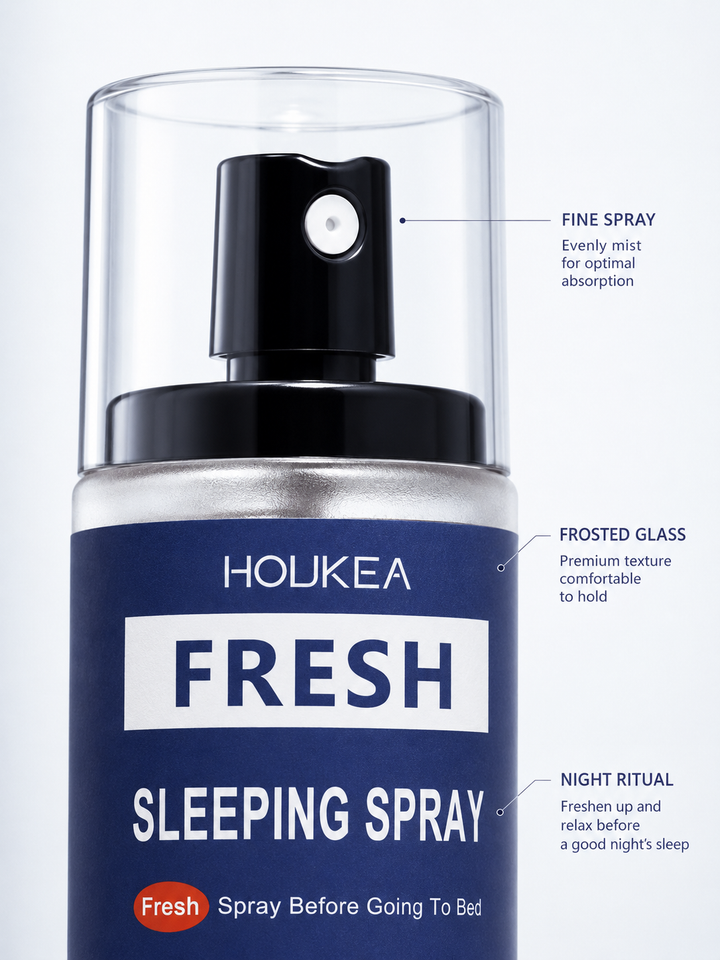

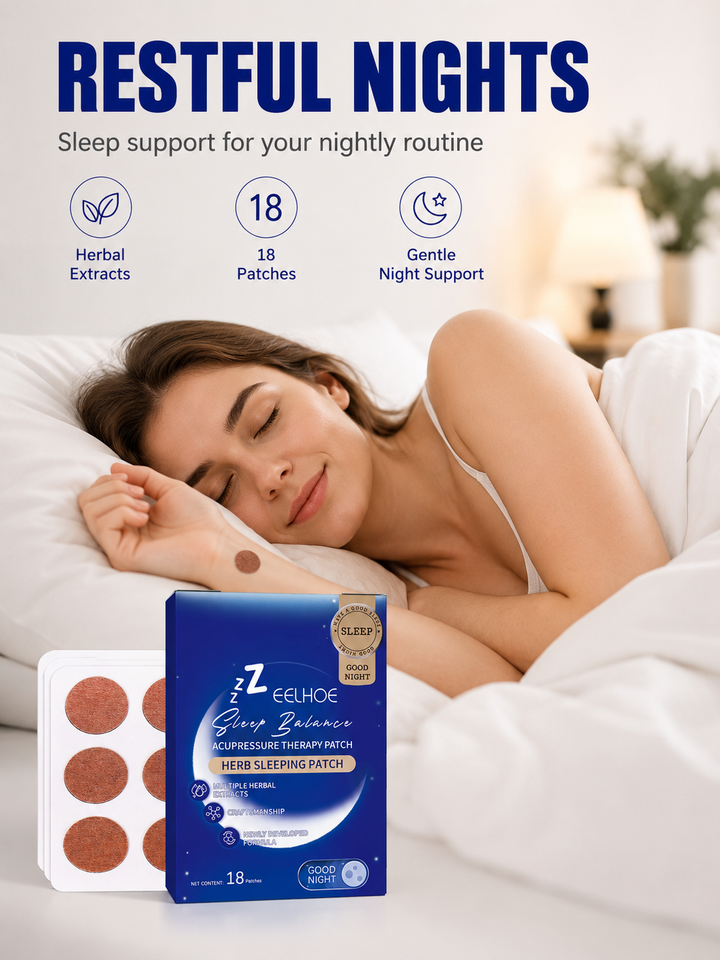
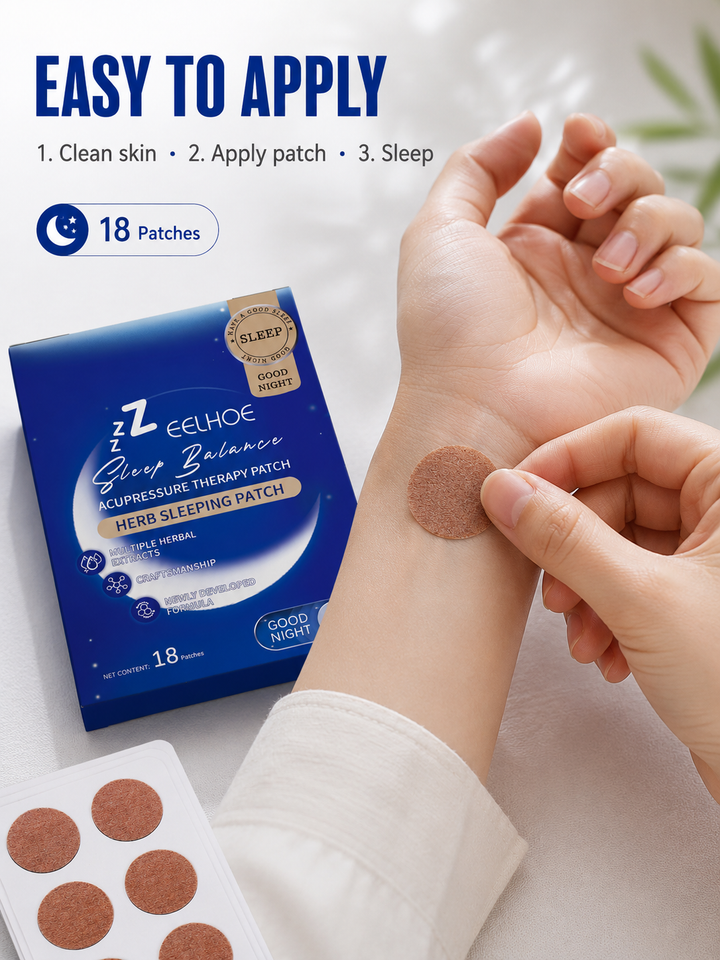
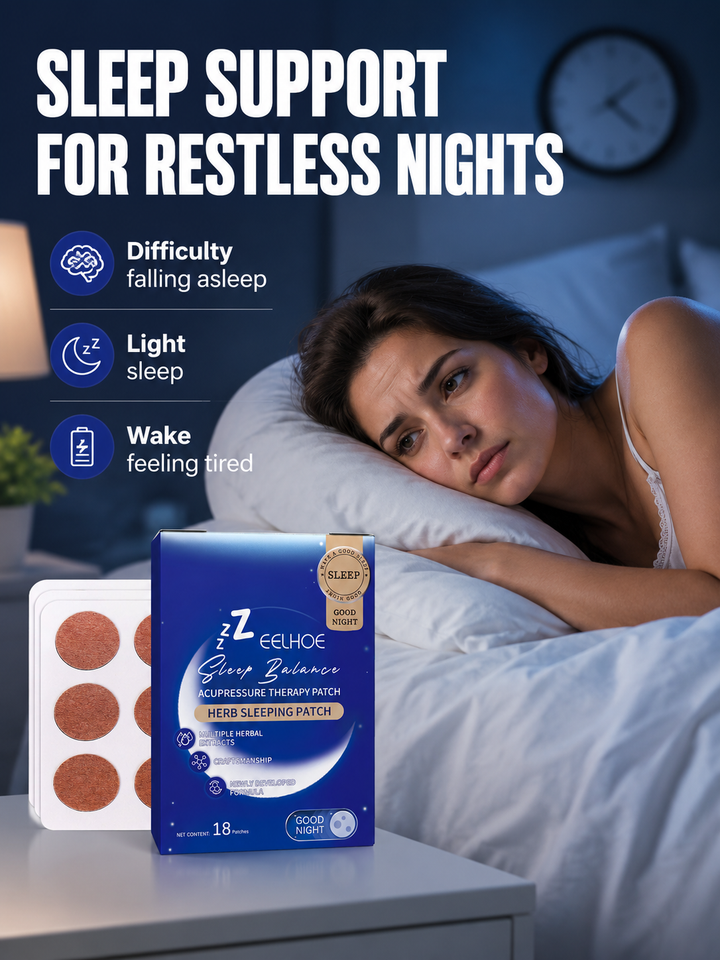
Hygiene tools can make everyday routines more hands-free, comfortable, and convenient, from opening public doors without direct contact to supporting a quieter bedtime routine. This category includes a touch-free door opener, sleep accessories, cooling comfort products, and non-prescription wellness items, so compare each product by its intended use, materials, portability, and care requirements.
How to choose the right hygiene tool
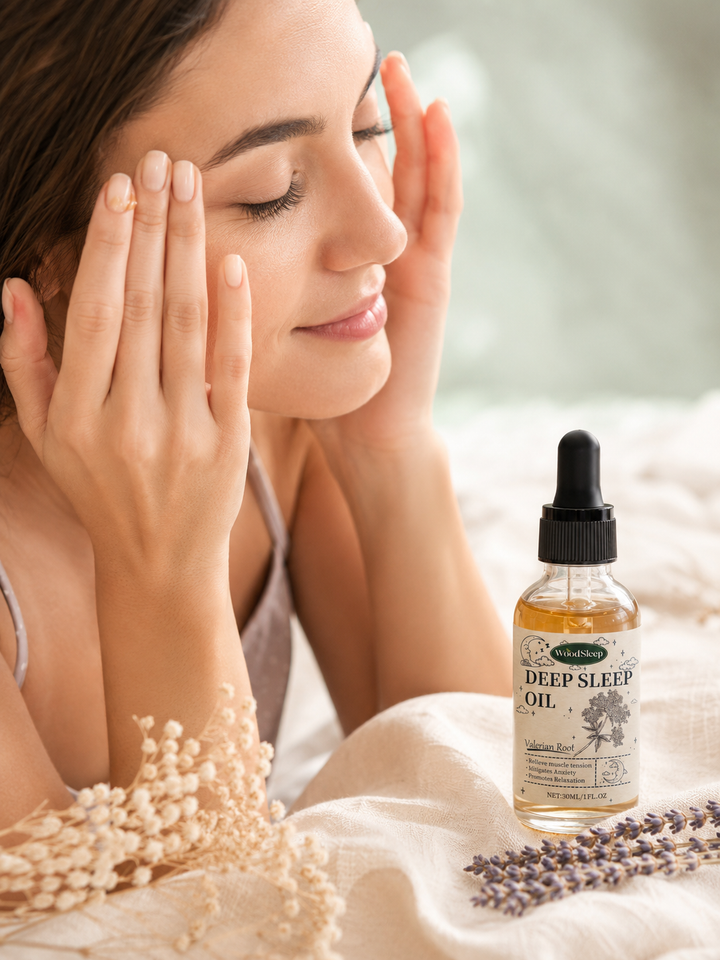
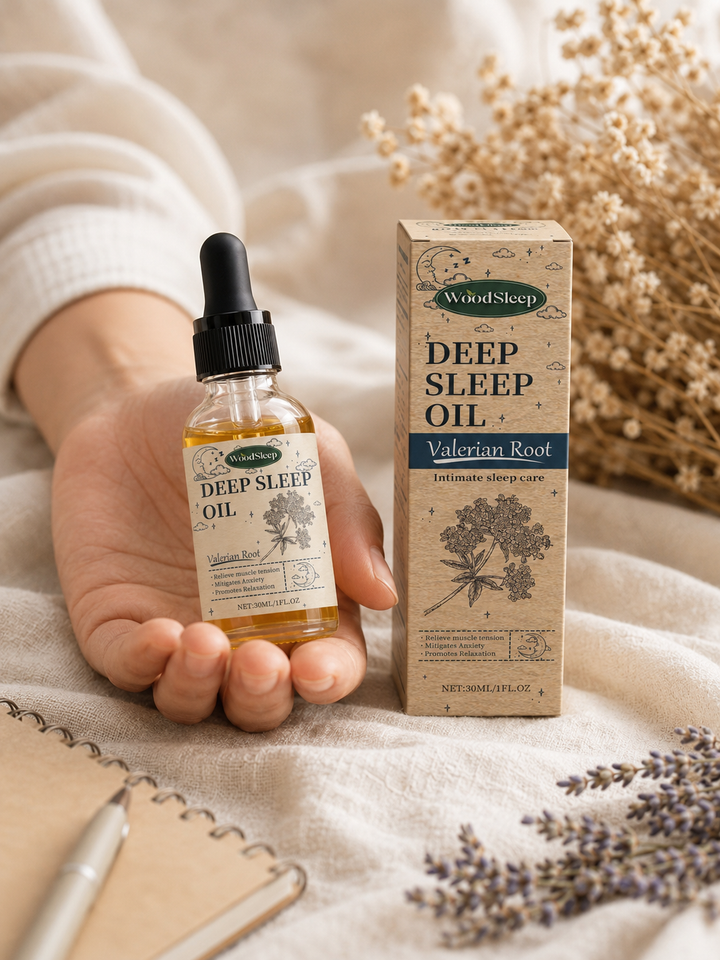
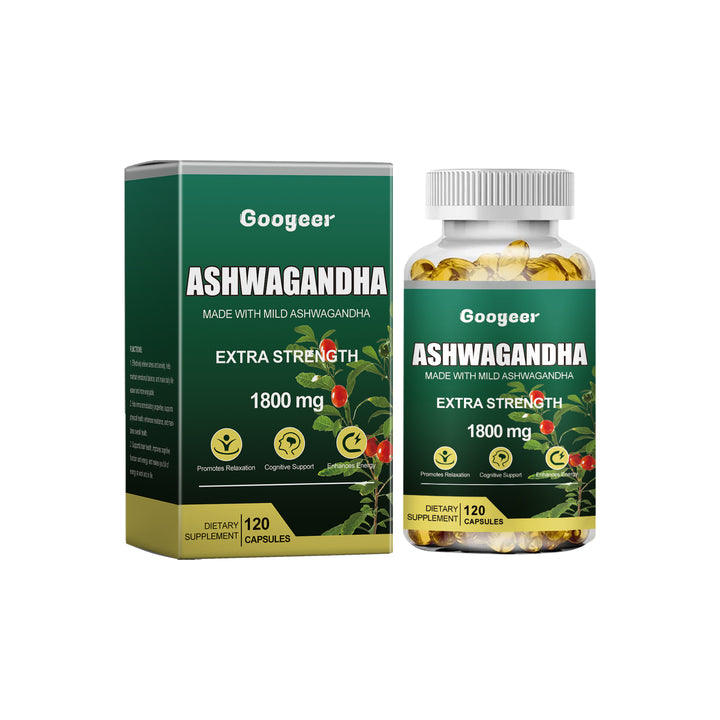
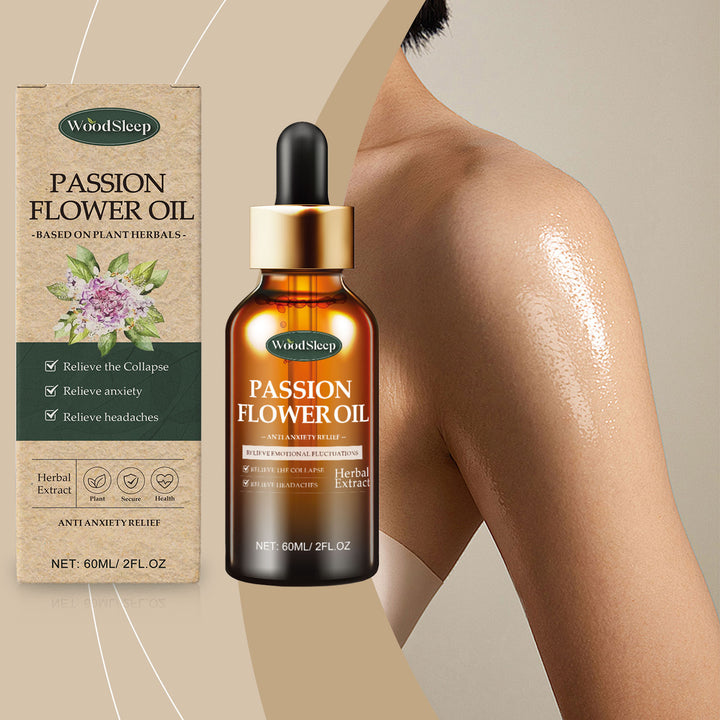
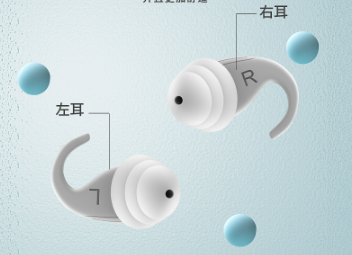
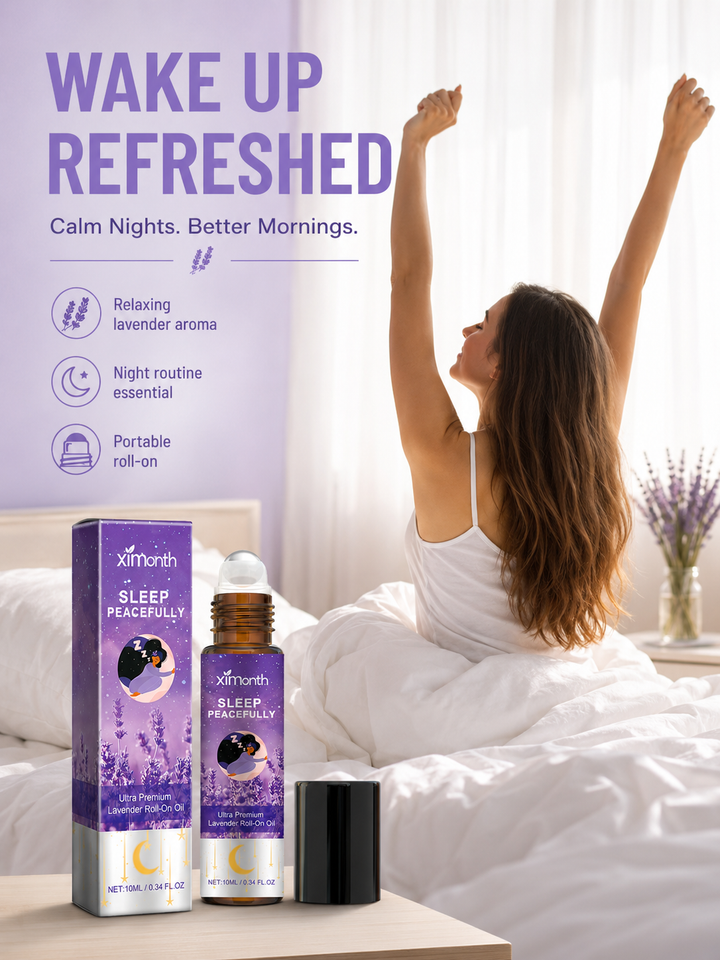
Start with the routine you want to improve. For touch-free access, choose the hygiene door opener tool if you want a compact way to press handles, buttons, or other commonly touched surfaces without using your hand directly. For sleep comfort, compare soundproof earplugs, a handheld sleep aid device, or a hands-free migraine relief hat ice pack by fit, carrying convenience, and cleaning instructions. If you are considering sleep gummies, passion flower oil, magnesium sleep cream, or ashwagandha, read the full label, serving guidance, ingredients, and cautions before purchase. The best hygiene tools are the ones that match a specific task and are simple to clean, store, and use consistently.
What types of hygiene tools are available
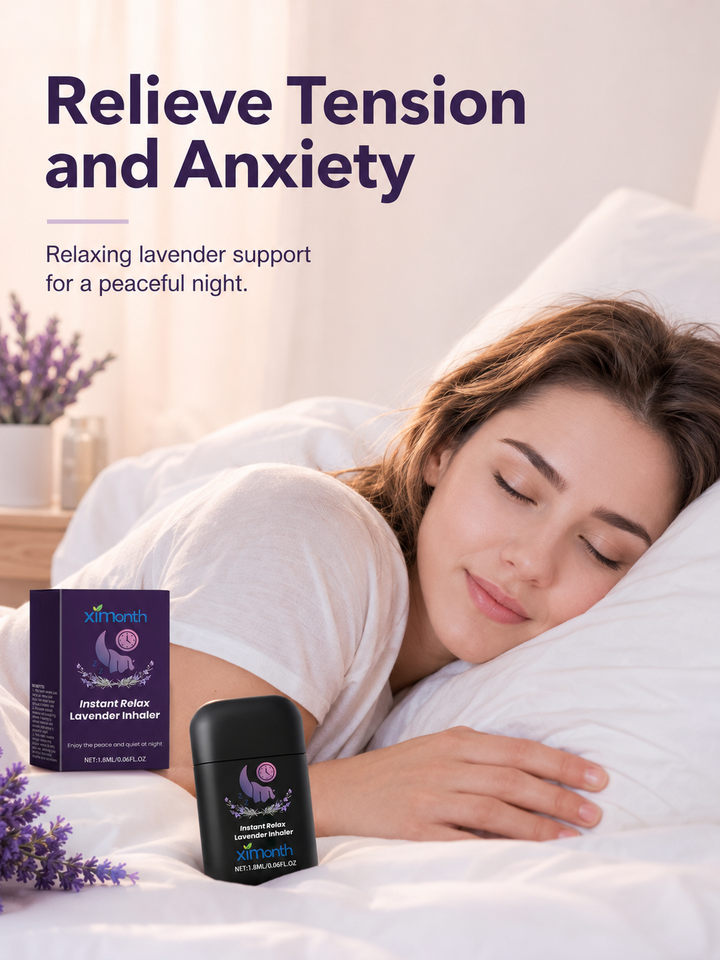
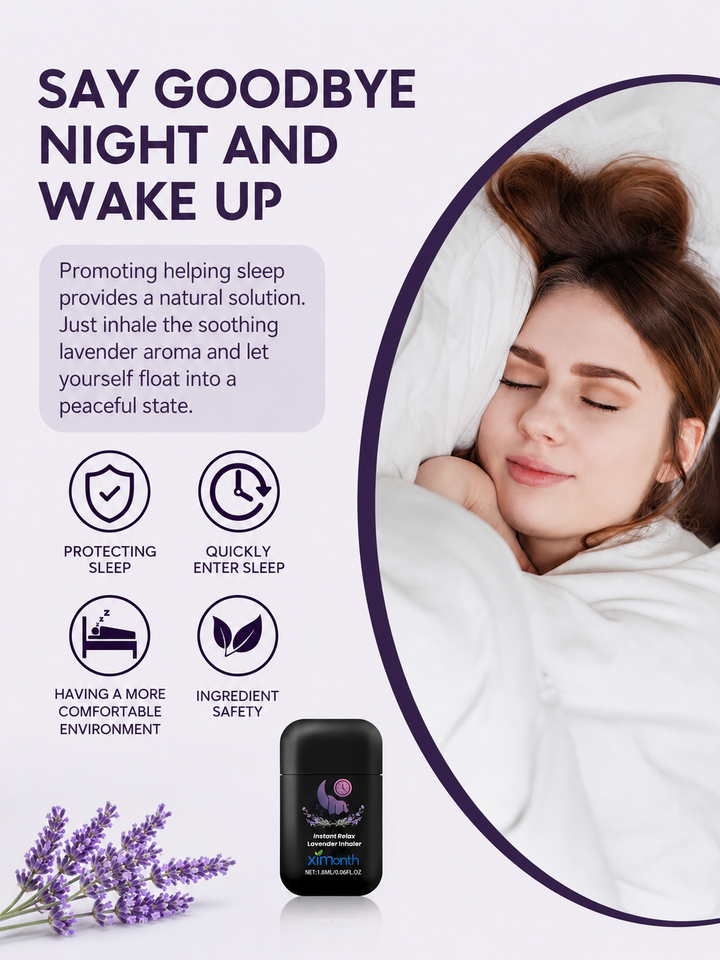
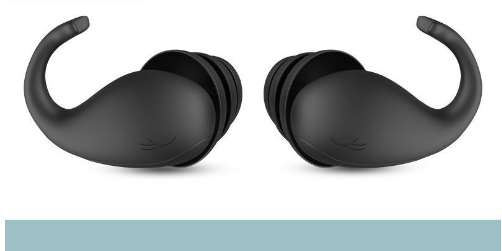
This category brings together several types of personal-care and contact-reduction products. The hygiene door opener is designed for touch-free interaction with public doors and access points. Soundproof earplugs are intended for reducing surrounding sound during rest, while the handheld sleep aid device is a compact bedtime gadget. A migraine relief hat ice pack provides hands-free cold comfort, and the sleep creams, oils, gummies, and herbal supplements are personal wellness products that require label-based use. These are not dental hygiene instruments, dental hygiene kits, or professional instruments such as mirrors, scalers, or probes. If you searched for dental hygiene instruments names and uses, check a dental supplier or training resource instead of assuming this category contains clinical tools.
What to look for in hygiene tools
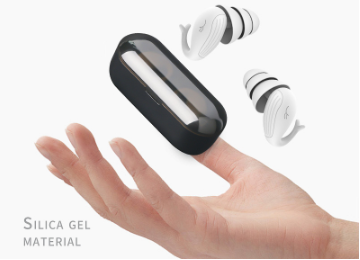
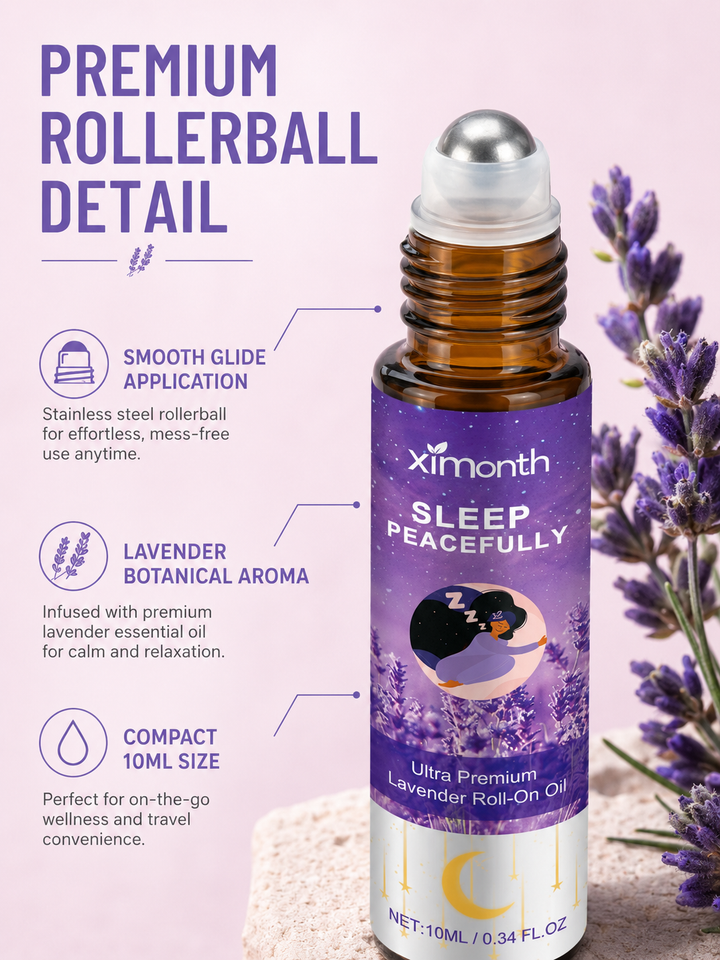
Check construction, handling, and maintenance before adding a product to your cart. For the door opener, look for a comfortable grip, a shape that fits your hand, and a surface that can be wiped after use. For earplugs, review the material, reusable design, fit guidance, and cleaning method. A hat-style ice pack should have secure positioning and clear instructions for chilling and use; avoid placing any cold product directly on skin if the instructions advise otherwise. For creams and oils, inspect the ingredient list and packaging for leakage protection. For gummies and capsules, confirm the serving information, storage instructions, allergens, and age guidance. These details matter more than broad labels such as best hygiene tools.
How to use and clean hygiene tools
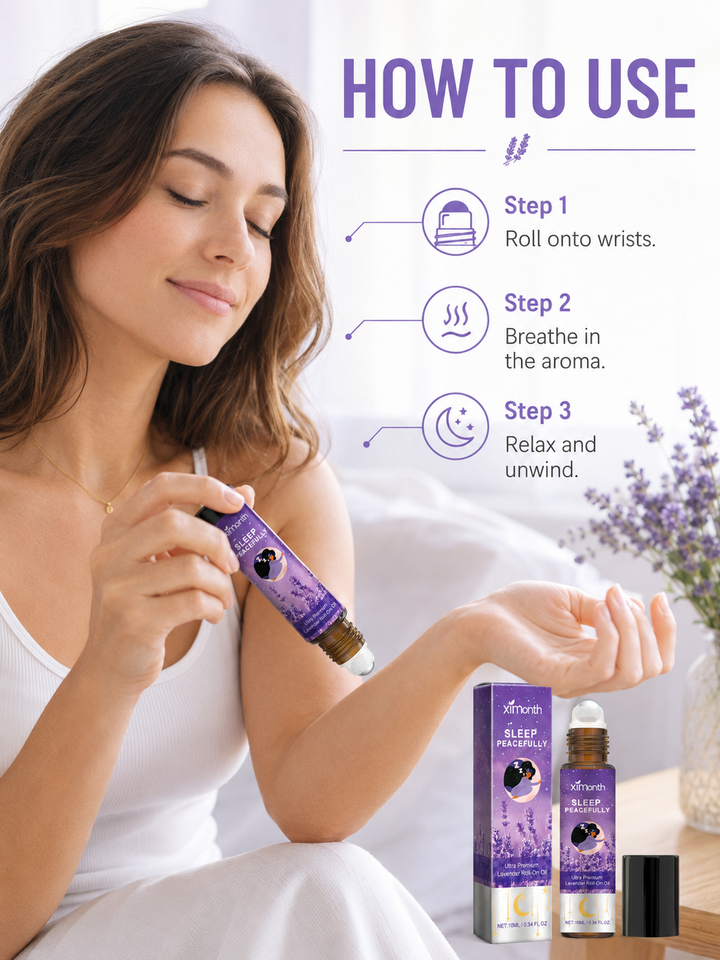
Use each item only for the task described by its instructions. With the touch-free door opener, use the hook or tip to operate compatible handles and buttons, then wipe the tool according to its material and care guidance. Do not use it to pry, cut, or handle hot surfaces. Clean reusable earplugs as directed and allow them to dry fully before storing them. Follow the ice pack instructions for chilling time and placement, and never exceed recommended use. Apply sleep cream or oil only as directed on the label, avoiding eyes and broken skin. Store gummies, supplements, and oils in their original containers, away from heat and children. Cleaning schedules depend on material, so product-specific instructions take priority.
Common mistakes when buying hygiene tools
A common mistake is treating every item as a substitute for handwashing, surface cleaning, or professional care. A door opener can reduce direct contact with some surfaces, but it does not disinfect your hands or the object it touches. Another mistake is buying sleep accessories without checking fit, noise-reduction expectations, or cleaning requirements. Do not combine multiple supplements or herbal products casually; compare ingredients and follow label directions, and ask a qualified professional if you have questions about compatibility. Avoid choosing a product solely because it appears in a dental hygiene instruments study guide or a search for Hu-Friedy hygiene instruments, since those searches concern professional dental equipment rather than these consumer products.
Who are these hygiene tools suitable for
These products suit shoppers building a compact personal-care kit for travel, commuting, shared spaces, or bedtime routines. The hygiene door opener may appeal to anyone who prefers a hands-free option for public doors and buttons. Earplugs can suit people seeking a quieter sleep environment, provided the fit and care instructions work for them. The ice pack hat is designed for hands-free cold comfort, while the sleep device and topical or ingestible wellness products suit shoppers who want to explore non-prescription additions to an evening routine. Read every product label before use, especially for children, pregnancy, allergies, medicines, or ongoing health concerns. People seeking dental hygiene instruments, clinical tools, or a professional dental hygiene instruments kit should shop a specialist supplier.
Frequently asked questions
What tools do hygienists use?
Dental hygienists commonly use professional instruments such as mouth mirrors, periodontal probes, scalers, curettes, polishers, and suction equipment. The consumer products in this category are not dental hygiene instruments and are not intended for clinical dental procedures.
What are 7 types of hygiene?
There is no single universal list, but hygiene is often discussed as personal, hand, oral, food, household, environmental, and occupational hygiene. This category focuses mainly on personal routines and reducing direct contact with some public surfaces, rather than replacing standard cleaning practices.
What are hygiene items list?
A basic hygiene items list can include hand soap, sanitizer, tissues, a toothbrush, toothpaste, dental floss, shampoo, body wash, deodorant, clean towels, and laundry supplies. A touch-free door opener can be an optional convenience item for public spaces, while the other products here support sleep or personal comfort.
What are some essential tools for personal hygiene?
Essential tools depend on your routine, but common examples include a toothbrush, toothpaste, floss, soap, shampoo, nail clippers, a comb or brush, towels, and cleaning supplies. If you want extra convenience, consider a reusable touch-free door opener or sleep accessories such as earplugs.
What are the 10 cleaning tools?
A practical household list could include microfiber cloths, sponges, scrub brushes, a broom, dustpan, mop, bucket, vacuum, squeegee, and protective gloves. The hygiene door opener is not a general cleaning tool; it is a contact-reduction gadget for selected doors, buttons, and handles.
What are 10 personal hygiene practices?
Examples include washing hands, bathing regularly, brushing teeth, flossing, wearing clean clothes, washing hair, trimming nails, covering coughs and sneezes, cleaning reusable personal items, and storing toiletries properly. Products in this category can support convenience, but they do not replace handwashing, routine cleaning, or professional advice when needed.