
$64.90
Free delivery · 7–14 days
Fruit And Vegetable Cleaner | Plant-Based Dish Soap

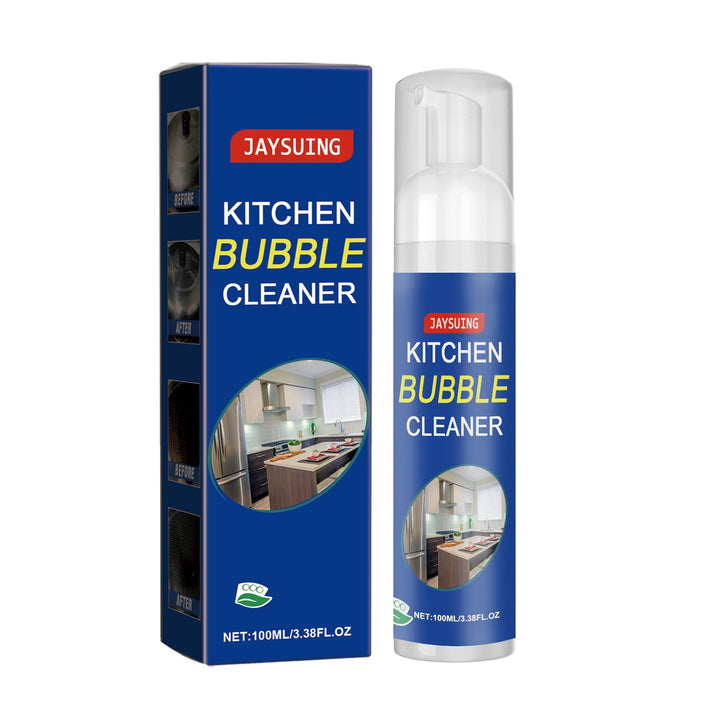


Kitchen cleaning tools help you tackle everyday dishwashing, food residue, grease, rust, and burnt-on grime around sinks, faucets, countertops, and range hoods. This category includes sprays, foams, creams, powders, and plant-based dish soap so you can match the product to the surface, soil, and amount of scrubbing required.
Start with the surface and the type of buildup. For dishes, produce, and routine sink washing, choose Plant-Based Dish Soap or Fruit And Vegetable Cleaner. For countertops and general wipe-downs, a Multi-Purpose Cleaning Spray for Kitchen Grease & Stains is convenient. Range hood filters, splash zones, and stovetops often need a kitchen cleaner degreaser, such as Kitchen Cleaning Foam, Kitchen Foam Degreaser Spray, or Oil Cleaning Powder for Range Hood Grease & Rust. For stuck-on grease, rust, or burnt residue, a Kitchen Cleaning Cream or Kitchen Cleaning Powder Kit may provide more targeted cleaning. Always check the product directions and test an unfamiliar cleaner on a small, hidden area first.
Sprays are useful for broad surfaces and quick wipe-downs, making them a practical choice for everyday kitchen cleaning. Foams cling to vertical or greasy areas, which can help when cleaning range hoods, backsplashes, and cabinet-adjacent surfaces. Cream cleaners suit localized marks, rust, and burnt grime where controlled application is helpful. Powders can be useful for heavier buildup and range hood grease, but they may require mixing or rinsing according to the instructions. Plant-based dish soap is designed for washing dishes and other compatible items, while Fruit And Vegetable Cleaner serves a different cleaning task. Commercial kitchen cleaners may be intended for demanding environments, but the label should confirm the approved surface and use.
Look for a cleaner that matches the surfaces you clean most often and the residue you encounter. If your main problem is fingerprints, food splashes, and light grease, a multi-purpose spray may be the easiest option. For cooking areas with oily film, choose a product specifically described for kitchen grease, such as a foam degreaser or heavy-grease spray. If you clean stainless steel, coated fixtures, painted cabinets, or delicate finishes, confirm compatibility before applying. Consider the format too: sprays suit fast coverage, foams help stay in place, and creams or powders support more focused cleaning. A useful kitchen cleaner should include clear directions for application, contact time, wiping, rinsing, and any surface restrictions.
Remove loose food and debris before applying a cleaner. Spray or foam the product onto the greasy area as directed, allow the recommended contact time, then wipe with a suitable cloth or sponge. For heavy range hood buildup, use Oil Cleaning Powder for Range Hood Grease & Rust, Kitchen Cleaning Powder Kit, or another product labeled for that task; repeat only as the instructions allow. Use a cream for small areas of burnt grime or rust rather than spreading an abrasive product across an entire surface. Rinse food-contact areas when required, and dry faucets and sink fixtures to help prevent water marks. Never mix cleaners, and keep ventilation in use when working with strong degreasers.
Using one cleaner on every surface is a common mistake. A product suitable for grease may not be appropriate for natural stone, coated fixtures, aluminum, painted finishes, or food-contact items. Applying too much product can leave residue and make wiping harder, while scrubbing immediately may spread grease instead of loosening it. Do not combine sprays, powders, creams, bleach products, or other household cleaners unless the label specifically permits it. Avoid using abrasive powders or cream cleaners on delicate finishes without a spot test. Leaving a cleaner on longer than directed is not automatically better. Read the instructions, use appropriate gloves if recommended, rinse when required, and store products away from children and food.
These products suit renters, homeowners, busy households, and anyone maintaining a cooking area between deeper cleanings. Choose a Multi-Purpose Cleaning Spray for Kitchen Grease & Stains for routine counters, backsplashes, and sink-area wipe-downs. A Kitchen Foam Degreaser Spray or Kitchen Cleaning Foam is better suited to frequent grease around cooking zones. For an extremely dirty kitchen, combine a suitable spray or foam for broad surfaces with a cream or powder for concentrated burnt grime, rust, and stubborn buildup. People managing larger cooking spaces may prefer formats that cover more area or target range hood grease directly. Professional cleaners should still follow the surface-care instructions and any workplace requirements for commercial kitchen cleaners.
The best choice depends on the surface and residue. Use dish soap for dishes and compatible washing tasks, a multi-purpose spray for everyday splashes, and a foam, cream, or powder for heavier grease, rust, or burnt grime. Check the label before using any product on a new surface.
Professional kitchen-cleaning prices vary by location, kitchen size, condition, and the work included. Services may charge for a standard visit, time, or specific tasks such as appliance and range hood cleaning. Request a detailed quote that lists surfaces and areas covered.
For general kitchen surfaces, a Multi-Purpose Cleaning Spray for Kitchen Grease & Stains can be a convenient option when the surface is compatible. Greasy cooking areas may need a foam degreaser, while burnt or rust-marked spots may need a cream or powder. Always follow the product directions and test first if the finish is delicate or unfamiliar.
Professionals typically choose products based on the soil and surface rather than using one cleaner everywhere. Degreasing sprays and foams can help with oily cooking residue, while creams and powders target stubborn, localized buildup. The product label, required rinsing, ventilation, and surface compatibility are important parts of professional use.
A suitable all-purpose kitchen cleaner should match your common surfaces and everyday messes. A Multi-Purpose Cleaning Spray for Kitchen Grease & Stains is a practical starting point for routine food splashes and light grease, while heavier buildup may require a dedicated degreaser. Confirm that it is approved for the surface before applying.
Work in sections: remove loose debris, clean high surfaces first, and use a suitable degreaser on grease before wiping. Apply a foam or spray to broad areas, then use a cream or powder for burnt grime, rust, or concentrated residue where allowed. Rinse food-contact surfaces as directed, avoid mixing products, and ventilate the area while cleaning.