
$64.90
Free delivery · 7–14 days
Oxygen Toilet Cleaner Powder for Urinary Stain Removal


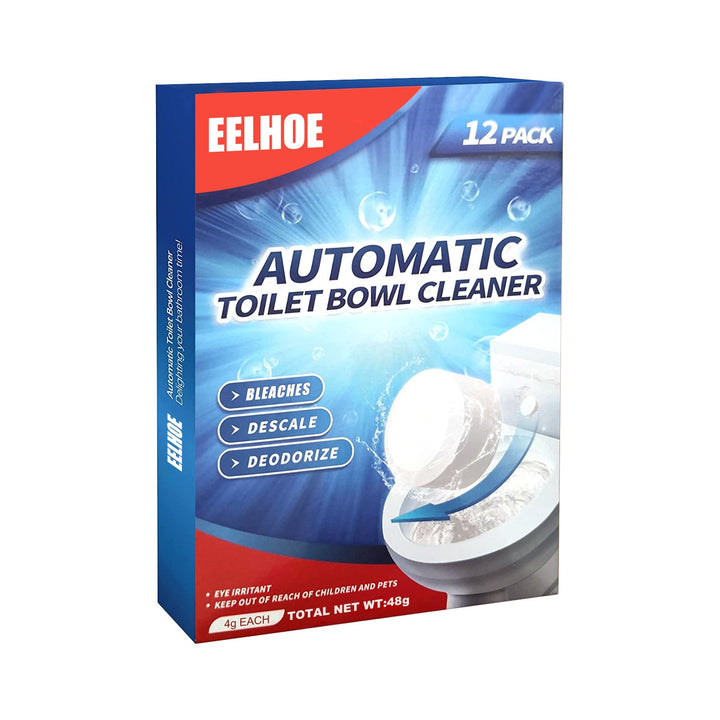
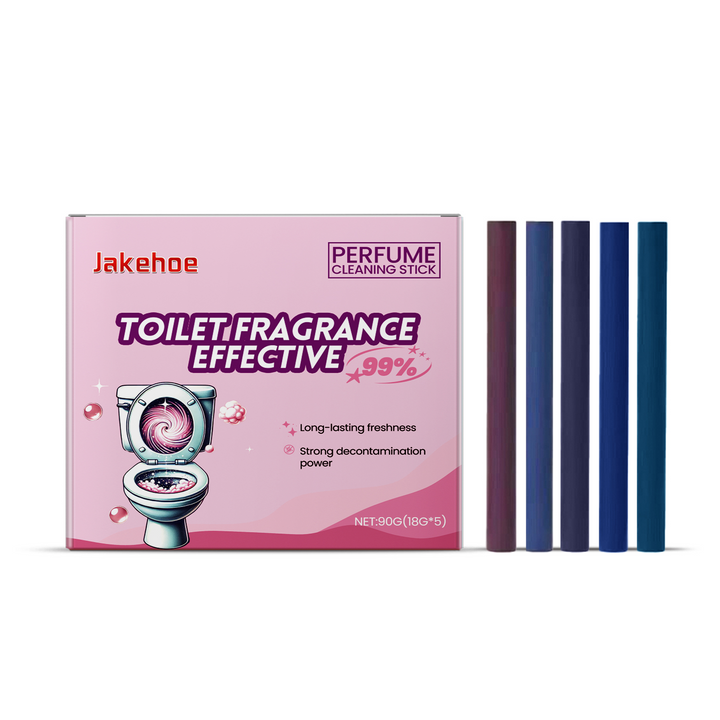


Make toilet cleaning easier with targeted products for bowl stains, urinary deposits, limescale, odours and ongoing freshness. This category includes powders, scented cleaning sticks and automatic tank tablets, so you can choose between a one-time deep clean and routine maintenance.
Start by identifying the problem: brown or yellow marks, urinary stains, hard-water scale, odour or everyday freshness. Choose an oxygen toilet cleaner powder or a stain and scale powder for a focused bowl treatment. For stubborn marks that need less manual work, select a dissolving toilet cleaning powder and follow its label directions. Scented bowl sticks and auto-deodorizing tabs are better suited to regular freshness than heavy limescale removal. Tank tablets are designed for automatic maintenance inside the cistern, but check the product instructions and toilet compatibility before use. If you are building a toilet cleaning materials list, include gloves, the selected cleaner and a suitable toilet brush unless the product specifically states that no scrubbing is needed.
Toilet cleaning powders are concentrated options for bowl stains, scale, yellow marks and odour. Oxygen powder is intended for urinary stain removal, while specialist powders target stubborn stains or limescale more directly. A no-scrub powder is useful when you want the product to dissolve deposits with minimal brushing, although contact time and instructions still matter. Toilet cleaning sticks sit in the bowl and release fragrance or cleaning ingredients during flushing. Auto-deodorizing tabs serve a similar ongoing-freshness purpose. Tank tablets go inside the cistern rather than the bowl and are designed for automatic maintenance. Compare the application area, cleaning purpose, scent, pack format and instructions before choosing a toilet cleaning liquid or powder alternative.
Look for a clearly stated target such as limescale, urinary stains, yellow stains, odour or routine freshness. Check whether the product is made for the bowl, tank or both; a bowl powder should not be placed in the cistern unless the instructions allow it. For regular toilet cleaning, consider the format that fits your routine: a powder for occasional deep cleaning, a stick for continuing bowl freshness or a tank tablet for automatic maintenance. Read directions for dilution, contact time, flushing and ventilation. Also check warnings about surfaces, skin and mixing with other cleaners. Pack size and number of applications can help compare value, while fragrance choice matters if the toilet is used frequently.
Clear the bowl area and read the product label before starting. Apply the powder or cleaner only where directed, usually to the bowl or affected deposit, and allow the stated contact time. Use a toilet brush if the instructions recommend agitation; even products marketed for no scrubbing may work best when deposits are thick or layered. Flush thoroughly after treatment and rinse any nearby surfaces that may have been splashed. For toilet cleaning sticks, attach or position the stick as instructed so it does not block the flush path. Place tank tablets only in the cistern when the label confirms that use. Wear suitable gloves, keep the room ventilated and never combine cleaners or add another chemical during treatment.
Do not mix toilet cleaner with bleach, acids, ammonia-based products or other household chemicals, because unwanted fumes or reactions may result. Avoid putting a bowl descaler into the tank unless the instructions specifically permit it. Do not leave a product on longer than directed, and do not assume that a scented stick or deodorizing tab will remove established brown scale. Using abrasive tools can scratch some toilet surfaces, so follow the cleaner guidance and choose a suitable brush. Another common mistake is treating only the visible waterline while ignoring deposits around the rim, outlet and hinges. Flush as directed, wash your hands after cleaning and store powders, sticks and tablets away from children and pets.
These products suit households that want a focused alternative to repeated scrubbing or a simple routine for keeping the toilet fresher between deep cleans. Choose stain-removal or descaling powders if the bowl has yellow marks, urinary deposits or hard-water scale. Choose a no-scrub formula when you prefer a product designed to dissolve deposits with limited brushing, while still following the instructions. Bowl sticks and auto-deodorizing tabs suit shoppers who want ongoing fragrance and routine freshness. Tank tablets suit those who prefer automatic maintenance inside a compatible cistern. If you are assembling a toilet cleaning kit, combine one product for the main problem with gloves and any recommended brush rather than using several cleaners together.
The best choice depends on the deposit. Use a toilet cleaning powder made for limescale, urinary stains or stubborn marks for targeted bowl cleaning, and choose a scented stick or deodorizing tab for ongoing freshness. Check the label to confirm the product is suitable for the bowl or tank before use.
Apply a suitable bowl cleaner according to its directions, leave it for the stated contact time and brush or flush as instructed. Clean under the rim and around the waterline, ventilate the room and never mix toilet cleaner with another chemical. For routine maintenance, a bowl stick or compatible tank tablet can supplement occasional deep cleaning.
Brown stains may be caused by mineral scale or other deposits, so choose a toilet powder that specifically targets stubborn stains or limescale. Follow the label, allow the recommended contact time and use a suitable toilet brush if directed. Avoid abrasive tools and do not combine the product with bleach or another cleaner.
A dissolving or no-scrub toilet cleaning powder can reduce the amount of manual brushing when used as directed. For day-to-day freshness, a scented bowl stick or auto-deodorizing tab offers a lower-effort routine. These options do not replace reading the instructions or removing heavy deposits when needed.
A practical approach is to match the cleaner to the problem, follow the label and avoid mixing chemicals. Use a descaling or stain-removal powder for deposits, keep the bowl and rim clean, and use tank tablets only when they are compatible with the cistern. Routine maintenance can help reduce the need for intensive cleaning.
Dish soap can help with light surface dirt, but it is not a dedicated limescale or urinary-stain remover. For brown, yellow or stubborn deposits, use a toilet cleaner labelled for that purpose. Never combine dish soap with toilet chemicals, and follow the product instructions for rinsing and flushing.