Skip to content

Oven Cleaning Powder for Natural, Non-Toxic Heavy-Duty Cleaning

6 products

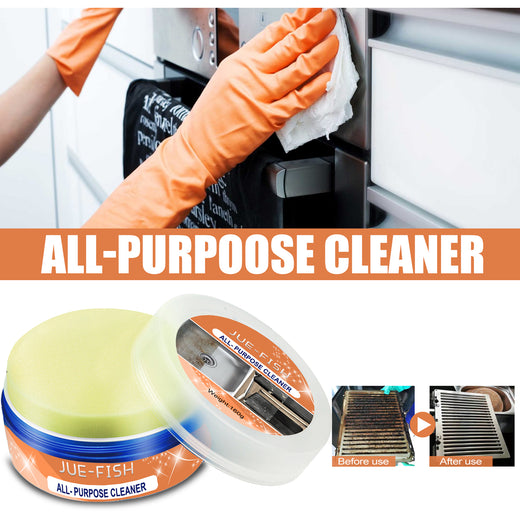
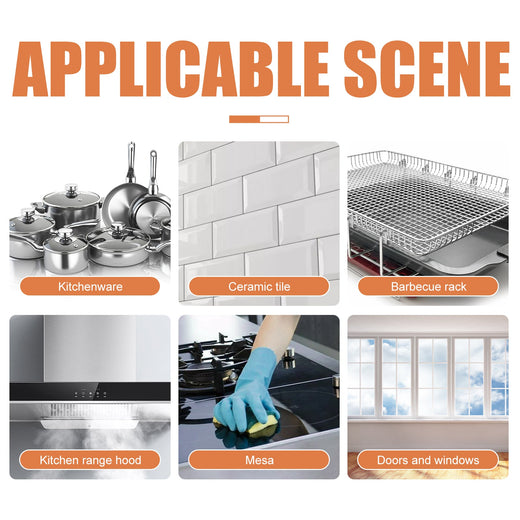
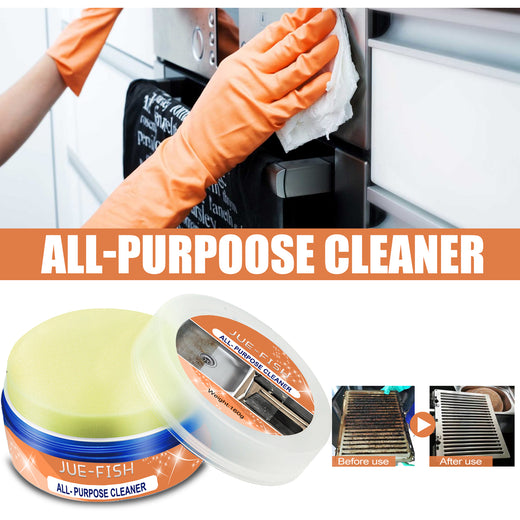
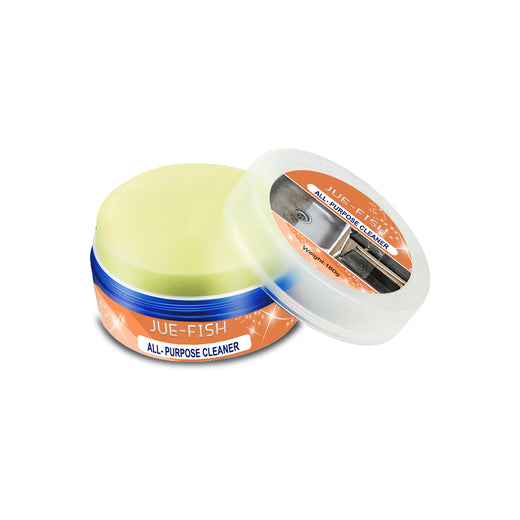
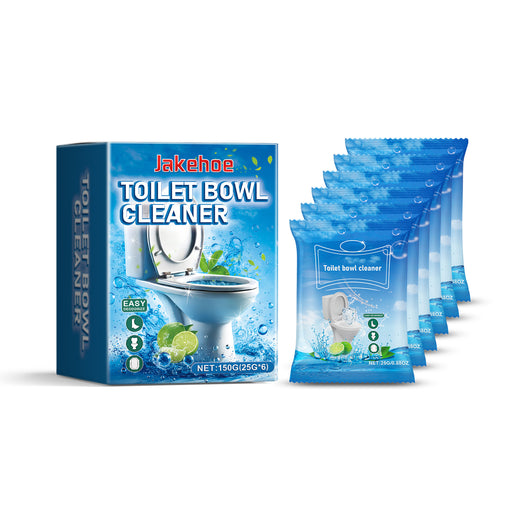
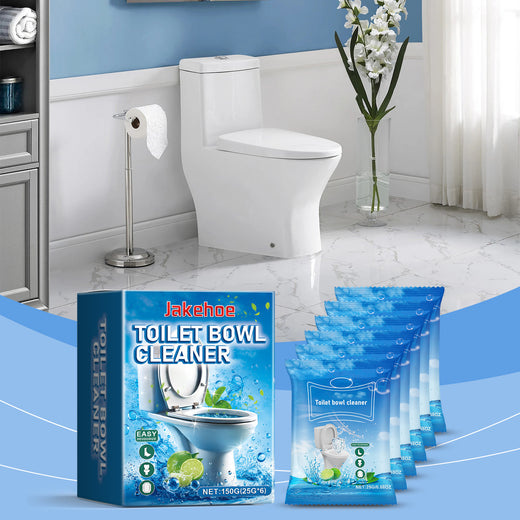
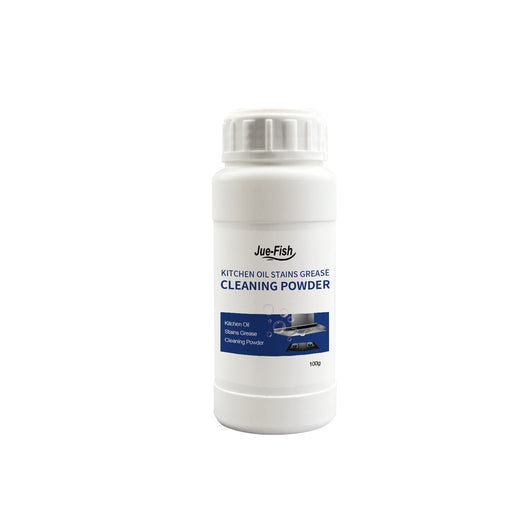
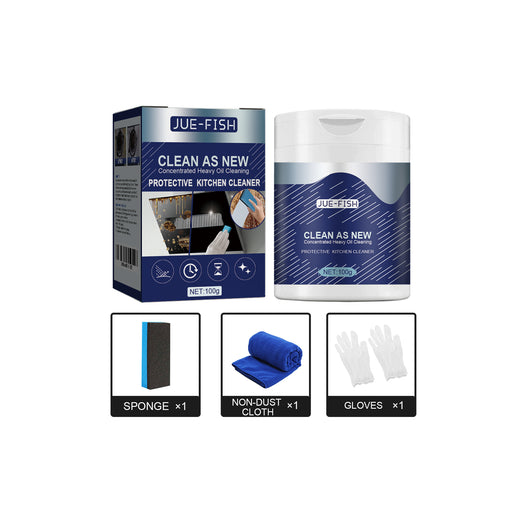
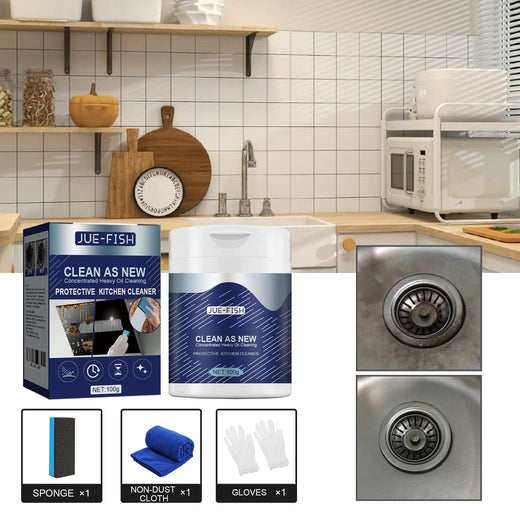
Choose a targeted cleaning powder or gel for baked-on oven grease, range hood buildup, toilet stains, and other difficult household messes. This category includes powder kits for heavy kitchen cleaning, grease-cutting gels, oil and rust powders, and toilet powders designed to reduce scrubbing on stubborn stains.

How do I choose the right cleaning powder?

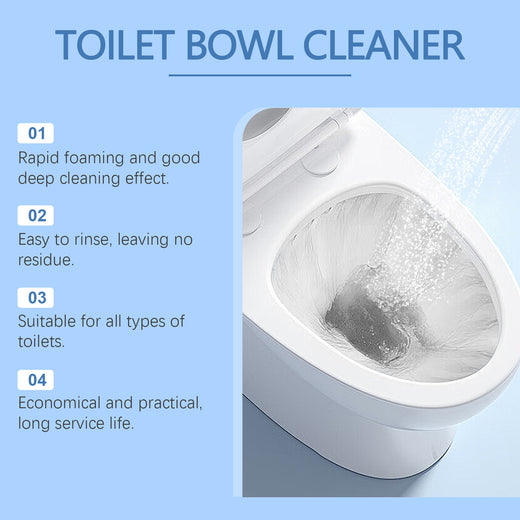
Start with the surface and the type of buildup, not just the word “powerful.” For oven racks, trays, and heavy kitchen grease, the Kitchen Cleaning Powder Kit is suited to broad kitchen cleaning jobs. For thick, baked-on grime, a Kitchen Grease Cleaner Gel may cling to the surface longer. Range hood grease and rust call for an Oil Cleaning Powder made for that combination of residue. For toilets, choose a toilet cleaning powder designed for yellow stains, odors, or stubborn mineral buildup. If you need a bathroom cleaning powder, confirm that the product is intended for toilet surfaces rather than assuming a kitchen formula is suitable. Always check the label before use.

What types of cleaning powder are compared?

Powders are useful when you want a measured product that can be applied to heavy residue, while a gel is useful when a thicker formula needs to stay on baked-on grime. The Kitchen Cleaning Powder Kit is the most flexible option for general kitchen tasks. The Kitchen Grease Cleaner Gel focuses on stubborn grease. Oil Cleaning Powder targets range hood oil and rust. Toilet Cleaning Powder options are made for toilet stains, yellow discoloration, odor, or reduced scrubbing, depending on the listing. These products are different from cleaning powder for clothes or cleaning powder dental products, which are intended for other materials and uses. Do not substitute laundry, dental, or abrasive household products without checking surface compatibility.

What should I look for in the best cleaning powder?

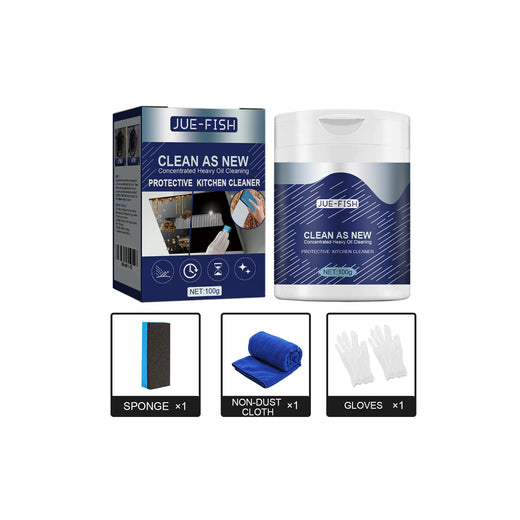
The best cleaning powder for your home should match the soil, surface, and amount of scrubbing you are willing to do. Look for clear instructions covering dilution, dwell time, rinsing, ventilation, and suitable materials. For oven cleaning, confirm that the product is appropriate for racks, trays, enamel, or other surfaces you plan to treat. For toilets, look for guidance on stains, odor, and contact with glazed ceramic. A product marketed as a powerful all-purpose cleaning powder may still require a spot test and should not be used everywhere. Also check the package size and whether the kit includes accessories. Avoid relying on comparisons with products such as cleaning powder comet when the formulas and directions may differ.

How do I use oven cleaning powder safely?

Remove loose crumbs and scrape away thick deposits before applying the product. Follow the product directions for the correct amount of powder, water, or gel, and use gloves if the label recommends them. Keep the oven switched off and cool unless the instructions specifically state otherwise. Allow the cleaner to work for the listed time, then wipe away residue with a suitable cloth or sponge and rinse as directed. Repeat only when the instructions permit it. Ventilate the area, keep children and pets away, and never mix cleaning products, especially acids, bleach, or other toilet cleaners. Test a small hidden area first, and avoid heating the oven until all residue has been removed.

What are common cleaning powder mistakes?

Using too much product does not automatically make cleaning faster and can leave residue that is difficult to rinse. Another common mistake is applying a kitchen formula to toilet fixtures, aluminum, painted surfaces, or delicate finishes without checking the label. Do not mix powders with bleach, acids, ammonia, or other cleaners. Avoid using abrasive tools that can scratch enamel, glass, stainless steel, or ceramic. Give the formula its recommended contact time instead of wiping immediately, but do not leave it on longer than directed. A small spot test can reveal discoloration or finish damage. Finally, remember that cleaning powder for clothes and dental cleaning powder are not interchangeable with oven or bathroom products.

Who is heavy-duty cleaning powder best for?

These products suit shoppers dealing with accumulated grease, baked-on oven residue, range hood oil, rust marks, or stubborn toilet stains. A kitchen powder kit works well when one purchase needs to cover several kitchen cleaning tasks, while a grease gel is better for concentrated, clingy buildup. A range hood powder is more appropriate when oil and rust appear together. Toilet powders suit households that want a targeted option for yellow stains, odor, or difficult marks without choosing a general kitchen cleaner. They are also useful for periodic deep cleaning rather than everyday light dusting. If your surfaces are delicate, newly finished, or unfamiliar, choose a gentler labeled product or consult the manufacturer before use.

Frequently asked questions

What is cleaning powder?

Cleaning powder is a dry household cleaner designed to be sprinkled, mixed with water, or applied according to label directions. Different formulas target different soils, such as kitchen grease, rust, baked-on residue, or toilet stains. It is not automatically suitable for every surface, so follow the product instructions.

What powder is good for cleaning?

The right powder depends on the surface and mess. Use a kitchen cleaning powder for heavy oven or kitchen residue, an oil cleaning powder for range hood grease and rust, and a toilet cleaning powder for toilet stains or odor. Check the label for compatible materials and required rinsing.

What do professional house cleaners use to dust?

Professional cleaners commonly choose a microfiber cloth, duster, or vacuum attachment suited to the surface. Cleaning powder is generally for removing stuck-on soil, not for routine dusting. Use a dry or slightly damp dusting tool first, then apply a targeted cleaner only where residue remains.

What is the 20 minute rule in cleaning?

The “20 minute rule” is an informal cleaning approach that divides work into a short, focused session, sometimes using a cleaner’s dwell time as part of the routine. It is not a universal product instruction. For oven and toilet cleaners, follow the label’s stated contact time instead of using a fixed 20-minute period.

What is the hardest thing to clean in a house?

There is no single hardest task for every home, but baked-on oven grease, range hood buildup, rust, and stubborn toilet stains are commonly demanding. The best approach is to match the cleaner to the residue, allow the directed contact time, and use the correct tool without scratching the surface.

Is $50 an hour good for house cleaning?

Whether $50 per hour is reasonable depends on location, job size, travel, supplies, insurance, and whether the rate is for one cleaner or a team. Heavy-duty oven or toilet cleaning may cost more than routine dusting because it requires specialized products and additional labor. Compare the total quoted service and scope rather than the hourly figure alone.