Multi Collagen Peptides Powder for Skin & Daily Wellness
5 products
Collagen powder is a flexible option for shoppers seeking a simple addition to a daily wellness routine, especially when they prefer mixing a supplement into drinks or food. This category includes multi-collagen powders, capsules, and related hair-support products, so compare format, collagen types, ingredients, serving instructions, and price before choosing.
How to choose the best collagen powder for your routine
Start with the format you will use consistently. Powder works well in water, coffee, smoothies, yogurt, or other soft foods, while capsules may suit shoppers who prefer no mixing. For broader ingredient coverage, compare multi-collagen powders that contain several collagen types rather than focusing only on the number of types. Check the serving directions, container size, flavor, sweeteners, and any added ingredients. If you are comparing collagen powder for skin, hair, nails, men, or daily wellness, look for a product whose stated purpose matches your priorities without relying on exaggerated promises. Price is best compared by servings and the amount used per serving, not just by the package price.
What are the different collagen powder types compared?
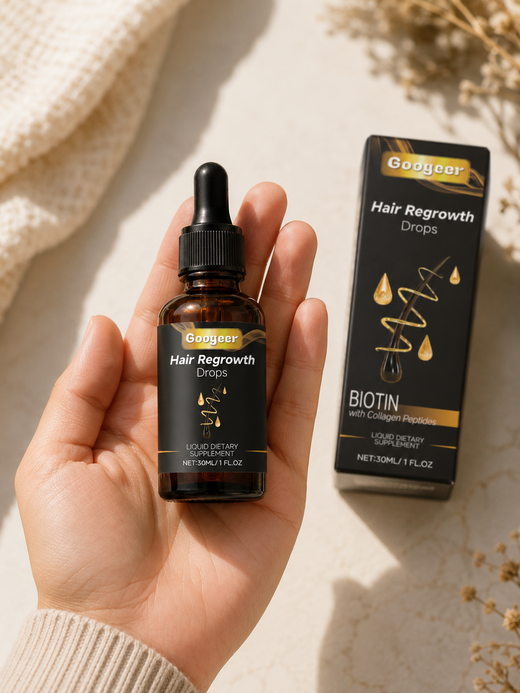
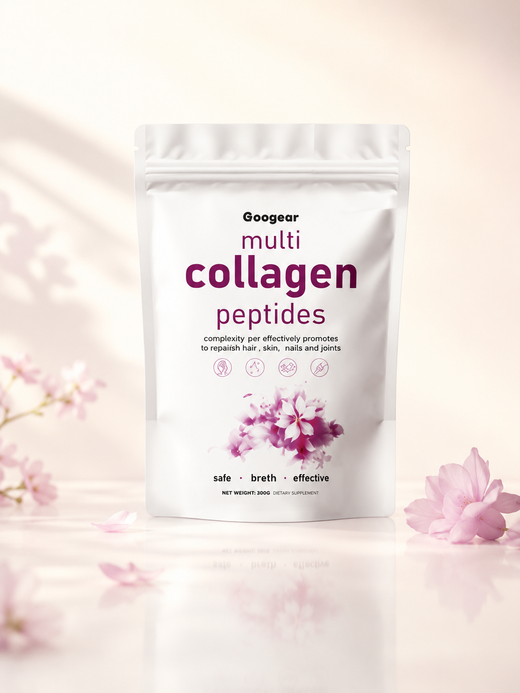
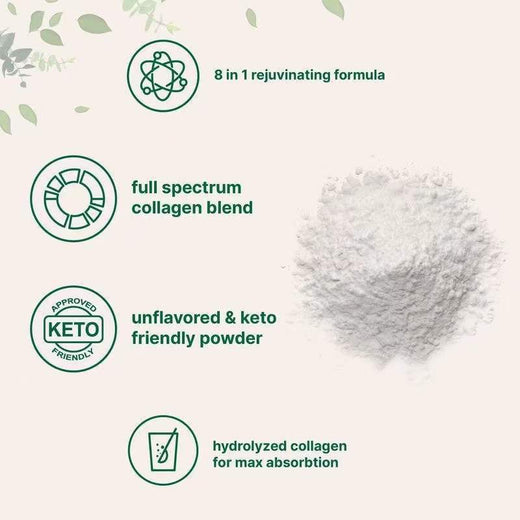
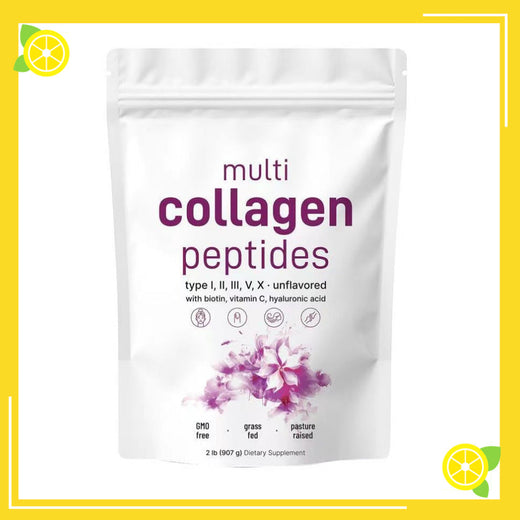
Multi-collagen powders combine several collagen types in one product, which can appeal to shoppers who want a broad, all-in-one option for daily use. A single-type powder may be easier to compare when you have a specific ingredient preference, but the label should clearly identify the collagen source and type. Powders are mixed into beverages or foods, whereas collagen pills or capsules provide a pre-portioned format with no preparation. Related products may also pair collagen peptides with ingredients such as biotin, but these are not interchangeable with a plain collagen powder. When comparing products, review the full ingredient panel, serving size, source information, allergen statements, and directions rather than choosing solely by the phrase “multi-collagen.”
What should I look for in a collagen powder?
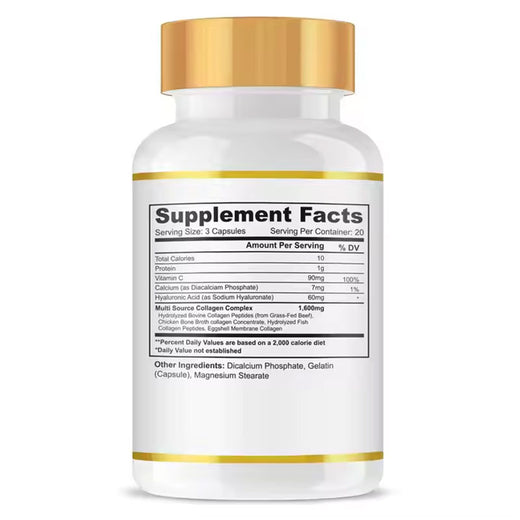
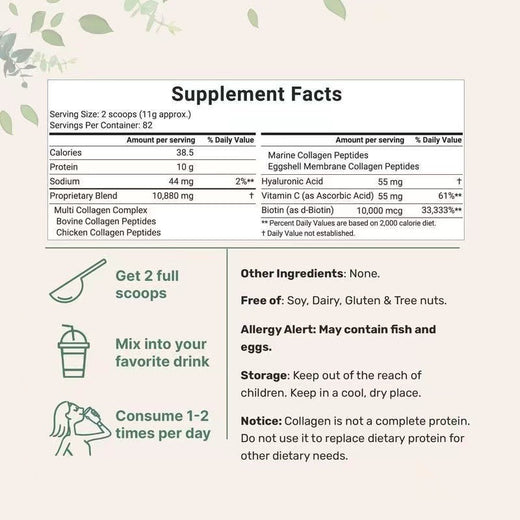
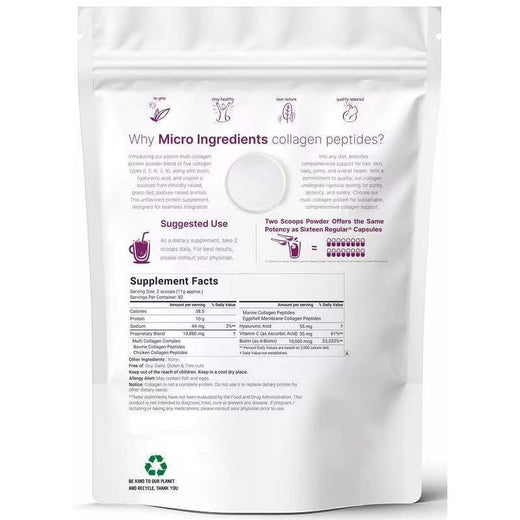
Look for a clear label that states the collagen source, collagen types, serving size, and total servings per container. Hydrolyzed collagen peptides are designed to be mixed into drinks or foods, so also check whether the powder is flavored or unflavored and whether it contains sweeteners, dairy, fish, shellfish, or other ingredients relevant to you. A short ingredient list can make routine use and dietary comparison easier. Review storage instructions and the product’s directions before purchase. If you are researching collagen powder benefits, uses, or options for daily wellness, treat the label as the primary source of product information. Avoid choosing based only on claims about weight loss, wounds, gums, or other specific outcomes that may require professional guidance.
How do you use collagen powder every day?
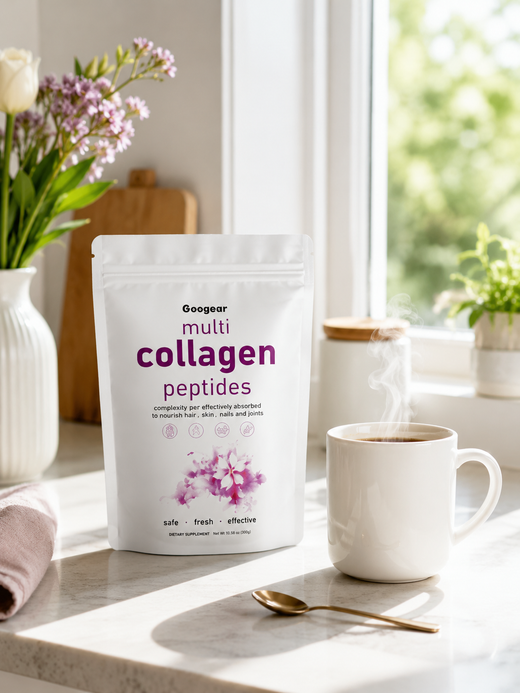
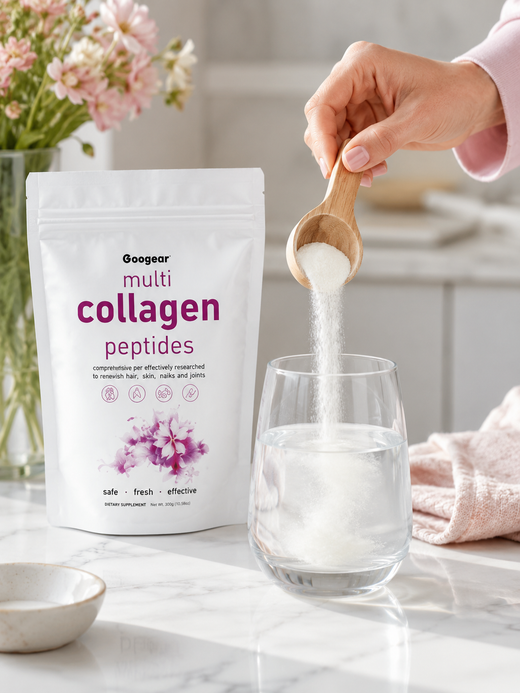
Use the amount listed on the product label and mix it into a liquid or soft food that fits your routine. Coffee, tea, water, smoothies, yogurt, oatmeal, and similar foods are common choices, but check the instructions for temperature, mixing, and storage guidance. A shaker, whisk, or blender can help disperse the powder. Start with an easy habit, such as adding it to a morning drink, rather than changing several supplements at once. Keep the container closed and stored as directed. Collagen powder can also be compared with capsules when convenience matters: capsules require no mixing, while powder may offer more flexibility for adjusting how it is incorporated into meals and drinks.
What are common collagen powder mistakes to avoid?
A common mistake is comparing tubs by price alone instead of calculating the cost per serving. Shoppers may also overlook flavor, sweeteners, allergens, or a serving size that does not fit their routine. Do not assume that a higher number of collagen types automatically means a better product, or that adding collagen guarantees weight loss, wound support, or gum benefits. Avoid exceeding label directions simply because you want faster results. If you take prescription medicines, have a medical condition, are pregnant or nursing, or plan to use collagen powder for wounds or oral concerns, ask a qualified healthcare professional before use. Finally, remember that a supplement should complement, not replace, a varied diet and appropriate professional care.
Who is collagen powder best suited for?
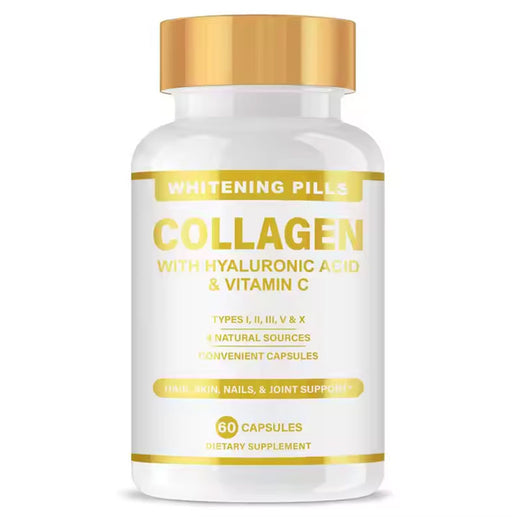
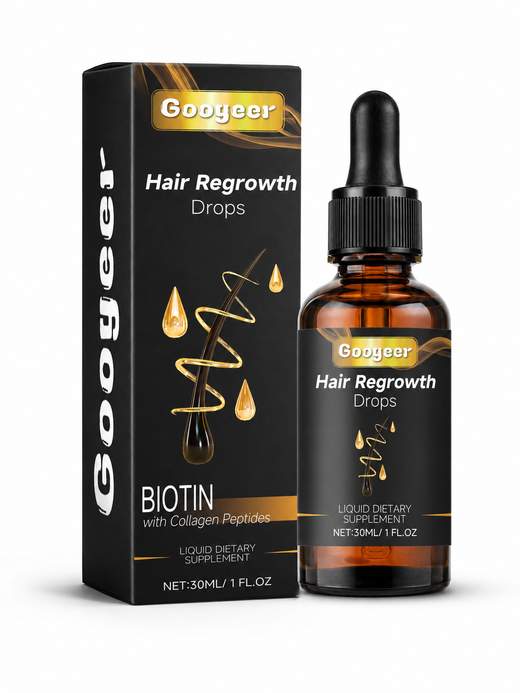
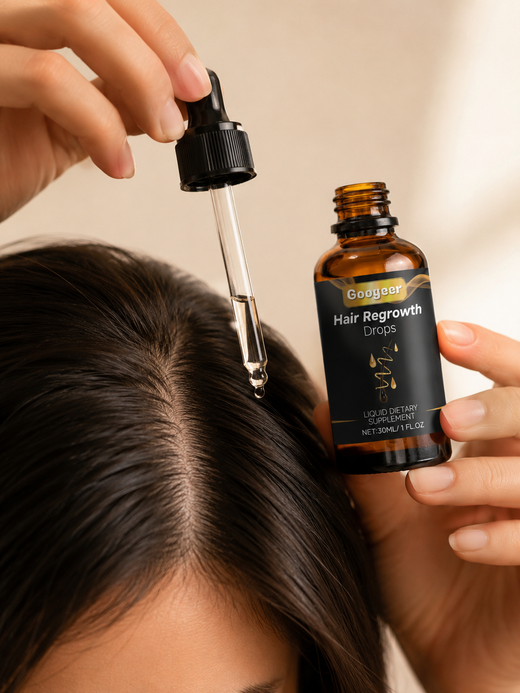
Collagen powder may suit adults who want a mixable supplement format for a regular wellness routine and who prefer drinks or foods over capsules. Multi-collagen peptides can be useful for shoppers comparing broad-formula options for skin, hair, nails, or general daily use, provided the product’s label matches their preferences. Capsules may be more practical for travel or anyone who dislikes mixing powders. Hair-support drops are a separate format and should be evaluated by their own ingredient list and directions. Collagen powder is not a substitute for treatment, and suitability can depend on allergies, dietary restrictions, medications, and personal health needs. Ask a healthcare professional before using it for a specific concern or alongside prescription medicine.
Frequently asked questions
What are the benefits of collagen powder?
Collagen powder provides collagen peptides in a mixable format that can be added to drinks or soft foods. Potential benefits depend on the individual, product, and overall routine, so read the label and avoid treating general marketing claims as guaranteed results.
Does taking collagen powder do you good?
Collagen powder can be a convenient way to add a collagen supplement to a daily routine, but whether it is appropriate for you depends on your diet, health needs, allergies, and medications. Follow the product directions and ask a healthcare professional if you are unsure.
What are the first signs that collagen is working?
There is no reliable first sign that applies to everyone, and changes should not be assumed to come from collagen alone. Follow the label consistently, assess your experience realistically, and speak with a healthcare professional about any specific concern or unexpected reaction.
Can I take a collagen supplement with citalopram?
Do not assume a collagen product is suitable with citalopram based only on its name. Review the complete ingredient list with your prescriber or pharmacist, especially if the powder includes added herbs, vitamins, minerals, sweeteners, or other active ingredients.
What is the downside of taking collagen?
Possible downsides include an unpleasant taste or texture, digestive discomfort, cost, and ingredients that do not fit your allergies or dietary preferences. Check the source, allergen information, serving directions, and full ingredient panel before use.
What does the Mayo Clinic say about collagen?
Health information from Mayo Clinic and other medical sources may discuss collagen supplements, evidence, safety, and limitations. For current guidance, consult Mayo Clinic’s official resources or a qualified healthcare professional rather than relying on product marketing, especially for medical conditions or prescription medicines.