
$64.90
Free delivery · 7–14 days
Herbal Foot Soak Beads for Tired, Stiff Feet at Home




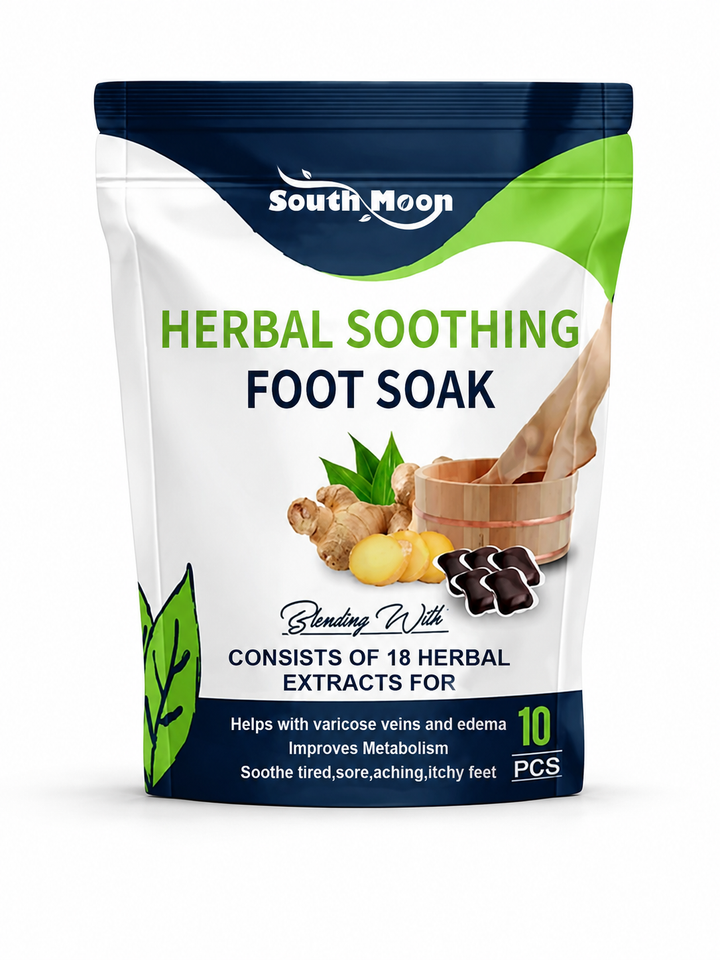

A foot soak can make at-home foot care more comfortable, whether you are preparing for a pedicure, warming cold feet, or relaxing after a long day. This category includes foot soak tubs, massage-ready foot soak machines, salts, beads, bags, and bath bombs, so compare the container, ingredients, and features before choosing.
Start with the way you plan to use your foot soak. For occasional relaxation or a foot soak for pedicure, a simple basin with enough room to move both feet may be all you need. If you want massage or warming features, look for a foot soak machine with adjustable settings, easy-to-read controls, and a smooth interior that is simple to clean. Check the tub’s dimensions, water capacity, cord placement, and whether it can be emptied without lifting a heavy container. Non-slip feet can help keep the basin steady on a hard floor. Choose a lightweight tub if you need to store it after each use, or a sturdier design if it will remain in a bathroom or treatment space.
Foot soak beads and salts dissolve directly in warm water and let you control the amount used. Foot soak bags are convenient for steeping herbs or other dry ingredients, with less loose material to rinse from the tub. Bath bombs add fragrance and fizz for a spa-style routine, while a plain basin is useful when you prefer to make a foot soak recipe at home. A foot soak machine may add bubbling, vibration, or gentle massage, but it still needs to be emptied and cleaned after use. Be cautious with products described as detox, body sculpting, kidney support, blood sugar support, or vein health products; a soak should be selected for comfort and bathing preferences, not as a substitute for medical care.
Read the full ingredient list and choose a formula that matches your preferences for fragrance, herbs, salts, oils, or colorants. If you have sensitive skin, consider a short ingredient list and avoid products that have caused irritation before. Epsom salt, baking soda, vinegar, and hydrogen peroxide are often discussed in homemade foot soak recipes, but they are not interchangeable: each can feel or smell different and may irritate skin when used incorrectly. Do not assume that “natural” means risk-free, and do not use a product labeled for body or intimate wellness on broken or irritated skin without checking its directions. Follow the package dilution guidance rather than adding extra ingredients to intensify the soak.
Fill the tub with comfortably warm water, staying within the product’s fill line and temperature guidance. Add the recommended amount of beads, salts, a bag, or a bath bomb, then soak for the time stated on the label; a shorter session is sensible the first time you try a new formula. For a foot soak for pedicure, soak before gently cleaning and trimming nails, and use a separate, clean tool for removing softened surface skin. Pat feet dry afterward, especially between the toes, and moisturize areas that feel dry while avoiding excess product between the toes. Drain the tub, rinse away residue, and let it dry fully. Never leave a plugged-in foot soak machine unattended or immerse its electrical parts.
Avoid using water that is hot enough to cause discomfort, and do not extend the session simply because a longer soak feels relaxing. Do not use peroxide, vinegar, baking soda, essential oils, or other household ingredients on irritated, cracked, or damaged skin without appropriate guidance. Scrubbing aggressively to remove dead skin can create more irritation; a foot soak softens skin but does not safely remove every hard spot. Do not share an unclean basin, and clean the tub after every use to reduce residue and odor. Skip fragranced or exfoliating products if they sting, itch, or cause redness. Stop immediately if you feel burning, dizziness, numbness, or another concerning reaction.
Foot soaks can suit adults who want a warm, relaxing routine, easier pre-pedicure cleaning, or a convenient way to use salts, beads, bags, or bath bombs. They may not suit everyone. Ask a healthcare professional before soaking if you have reduced sensation, circulation concerns, diabetes, open wounds, significant swelling, a skin condition, or another condition that affects foot safety. Avoid soaking when the skin is broken, infected-looking, or unusually painful, and do not use a shared tub if hygiene is uncertain. Children should be supervised around warm water and electrical foot soak machines. If a foot concern persists or worsens, seek professional advice instead of relying on a foot soak for fungus or another home remedy.
For most people, comfortably warm water in a clean foot soak tub is a simple option. You can add a product made for foot bathing, such as salts, beads, bags, or a bath bomb, if its ingredients suit your skin and its directions are clear. No soak is a cure for an underlying foot problem.
Neither is universally better. Vinegar and baking soda have different properties and may irritate some skin, especially when used in strong mixtures or on cracked areas. A product formulated for foot soaking, used according to its label, is easier to measure and may be a more predictable choice.
Skip a foot soak when you have open or damaged skin, significant pain, reduced sensation, circulation concerns, or signs of a skin or nail problem that needs assessment. People with diabetes or other conditions affecting foot safety should ask a healthcare professional first. Stop if soaking causes burning, itching, redness, numbness, or dizziness.
Epsom salt dissolves in warm water and can be used as part of a relaxing foot-bathing routine. It should not be treated as a guaranteed detox, pain treatment, or medical remedy. Follow the product directions, avoid soaking damaged skin, and rinse or stop use if irritation occurs.
The choice depends on your preferred ingredients and how your skin responds; neither is automatically best for everyone. Use only a foot-safe product and follow its dilution instructions rather than combining several ingredients. Warm water alone is also an appropriate option for a basic soak.
Hydrogen peroxide can irritate or dry the skin, particularly when used at an unsuitable strength or on cracked areas. It should not be relied on to treat fungus, infection, or another foot condition. For routine soaking, choose warm water or a product specifically labeled for foot use, and seek professional advice for persistent symptoms.