
$38.90
Free delivery · 7–14 days
Height Enhancement Patches — Natural Bone Growth Support


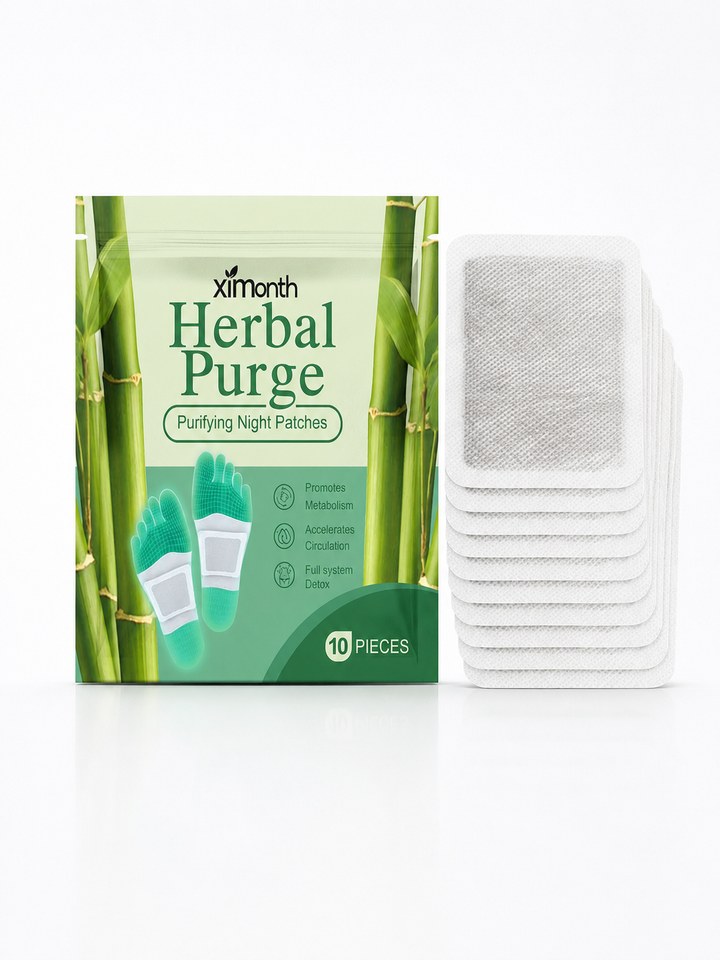

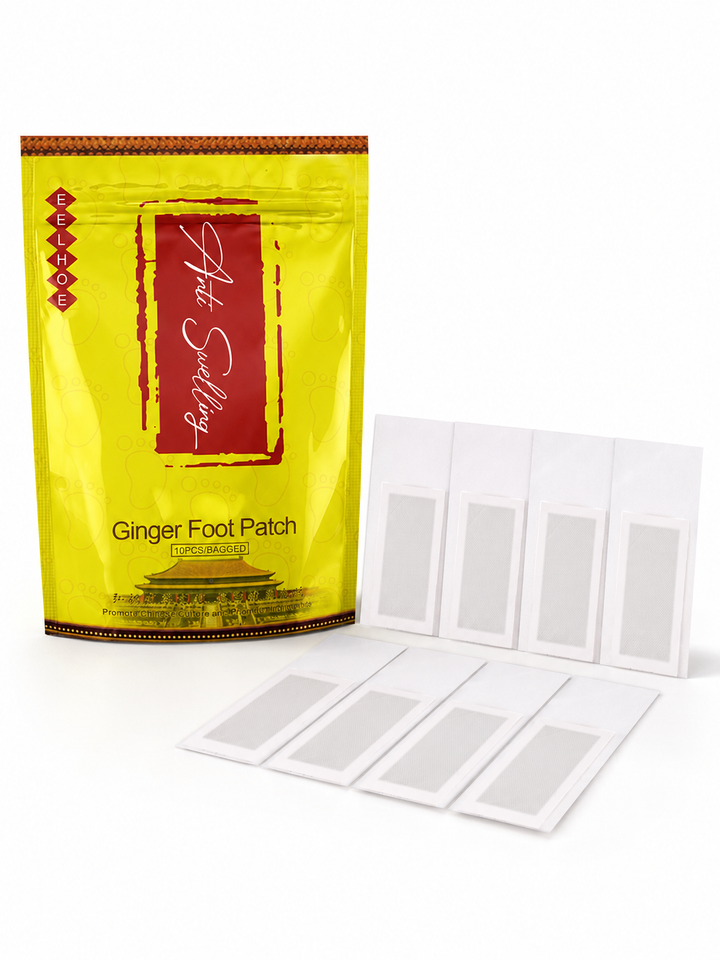


Foot patches include adhesive overnight pads marketed for relaxation, freshness, skin care, or traditional herbal use. Use this guide to compare patch materials and intended uses, set realistic expectations, and choose an option that suits your skin and routine.
Start with the product’s intended use rather than the word “detox.” Some patches are designed for a warming herbal experience, some focus on sleep or relaxation, and others contain cosmetic ingredients for the look of uneven pigmentation. A height enhancement patch should be treated as a topical wellness product, not a substitute for nutrition, exercise, or professional growth advice. If you are shopping for foot patches for pain, check whether the listing clearly describes comfort-focused ingredients and usage limits; do not assume a patch treats an injury or medical condition. Compare the ingredient list, adhesive type, wear time, scent, pad size, and return policy. Reviews can help you assess stickiness, odor, and comfort, but detox foot patches reviews cannot prove that a product removes toxins.
This category includes several different product styles. Bamboo or herbal detox pads are commonly worn overnight and may leave a dark, damp-looking residue after use. Sleep-oriented patches may contain aromatic botanicals intended to support a relaxing bedtime routine. Ginger or warming patches can provide a noticeable sensation, while clean-foot formulas may be marketed for an overnight refreshed feeling. Bamboo arbutin pads are cosmetic skin-care products aimed at the appearance of pigmentation, so they should be judged by their ingredient list and skin compatibility rather than detox claims. Pain-oriented foot patches may be intended for temporary comfort, but product wording should not be read as a diagnosis or treatment claim. Compare types by purpose, ingredients, scent, adhesive, and whether the patch is meant for intact skin only.
Read the full ingredient list before buying, especially if you have sensitive skin or react to adhesives. Look for clear naming of botanical powders, ginger, bamboo vinegar, arbutin, fragrances, and the pad or adhesive materials. “Natural” does not automatically mean non-irritating, and warming or aromatic ingredients may feel uncomfortable for some users. Choose packaging that states how long to wear the patch, where to apply it, and how to store it. Avoid listings that hide ingredients behind vague phrases or promise to remove toxins through the feet. For skin-brightening pads, check whether the directions limit use to the feet and whether sun-care guidance is provided. Reviews are useful for spotting reports of residue, redness, strong scent, or poor adhesion, but individual reactions vary.
Follow the package directions for placement and wear time. Begin with clean, completely dry skin on the sole or another stated area, then press the adhesive edges firmly without wrapping the foot tightly. A short first trial can help you check comfort before wearing a patch overnight. Remove it gently, wash away residue, and stop use if you notice burning, swelling, persistent itching, or a rash. Do not apply patches to cuts, blisters, eczema, infected skin, or areas that are already irritated. Keep the product away from children and do not use it in place of care for ongoing foot symptoms. If the instructions do not explain application, removal, or disposal, choose a product with clearer directions.
One common mistake is treating a black or brown patch after use as proof that toxins came out through the feet. The color can result from the pad’s ingredients mixing with moisture, sweat, and adhesive, so it is not a reliable measure of detoxification. Another mistake is wearing several patches at once, leaving one on longer than directed, or applying one to damaged skin in hopes of stronger results. Do not judge a product only by dramatic before-and-after residue or by unsupported detox foot pads benefits and side effects claims. Avoid sharing patches, and discontinue use if your skin reacts. If foot pain, swelling, discoloration, numbness, or a wound persists, seek appropriate professional advice rather than relying on a topical patch.
Foot patches may suit adults who want a simple overnight self-care routine and are comfortable with topical herbal or cosmetic products. They can be useful for trying a relaxing bedtime ritual, a warming sensation, or a cosmetic foot-care product, depending on the formula. They are not suitable for everyone: people with adhesive or botanical sensitivities should check ingredients carefully, and anyone with broken or inflamed skin should wait until the area is healed. If you are pregnant, breastfeeding, managing a health condition, or taking medication, ask a qualified healthcare professional whether the listed ingredients are appropriate. Children should not use these products unless a healthcare professional and the product directions specifically allow it. Choose based on comfort and transparent labeling, not promises of guaranteed detox, pain relief, or better health.
There is no reliable basis for assuming that adhesive foot patches remove toxins from the body through the soles. Any dark residue usually reflects the patch ingredients, moisture, sweat, and adhesive reacting during wear. These products are better viewed as optional topical self-care items, not a replacement for medical care or the body’s normal processes.
Possible problems include skin irritation, itching, redness, burning, discomfort from the adhesive, or sensitivity to fragrances and botanicals. Remove the patch and stop using it if a reaction develops. Do not apply patches to broken, infected, or already irritated skin.
Foot patches do not provide a proven route for toxins to leave the body through the feet. A patch that turns black or brown is generally showing a reaction between its ingredients and moisture, rather than measurable detoxification. Be cautious of products that use residue color as proof of effectiveness.
Some users may enjoy the routine, scent, warming feeling, or sensation of clean and refreshed feet. Benefits described in product listings should be treated as intended experiences, not guaranteed medical outcomes. Evidence of toxin removal or broad health benefits should not be assumed from marketing claims or reviews.
The main risks of topical foot patches are irritation, allergic or sensitivity reactions, discomfort, and delayed attention to a foot problem that needs proper care. Risks may be higher when patches are used on damaged skin or left on longer than directed. Check ingredients and follow the package instructions.
A black or dark patch usually reflects moisture, sweat, and the patch’s botanical or other ingredients changing during wear. It does not reliably show that toxins have left your body. Stop using the product if the skin underneath becomes painful, blistered, swollen, or persistently irritated.