
$38.90
Free delivery · 7–14 days
Uric Soothing Pads – Natural Herbal Foot Patches for Pain Relief



Acupoint patches are adhesive products designed to place gentle, localized pressure or topical ingredients on selected body areas. This category includes ear seed patches, body and foot patches, pressure patches, and related products such as blood pressure monitors and calming inhalers, so compare the product format and intended use before buying.
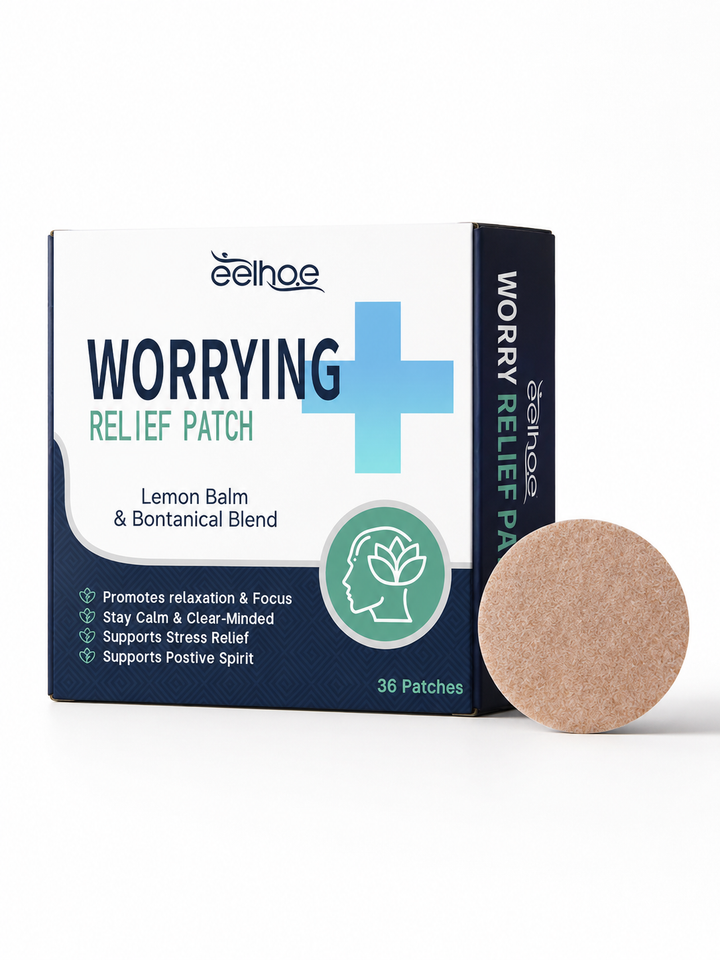
Start with the area you want to address and the type of product you prefer. Ear Seed Acupressure Patches for Stress & Relaxation are small and discreet for ear-based acupressure routines. Body Acupoint Patches for Stomach Ache & Abdominal Relief are intended for placement on the abdomen, while Acupoint Pressure Patches for Dizziness are designed for targeted pressure-point use. Uric Soothing Pads are foot patches for shoppers seeking a foot-focused option. If you are monitoring blood pressure, choose the Arm Blood Pressure Monitor rather than relying on a patch or cream to measure readings. For anxiety-related routines, compare ear patches, Worry Relief Patches, and the Nasal Inhaler based on placement, ingredients, scent, and how long you want to use the product.
The main differences are placement, construction, and purpose. Ear seed patches use a small seed or bead held in place with adhesive, allowing gentle pressure on an ear point. Body acupoint patches are placed on areas such as the abdomen, while pressure patches are intended for selected points and may be useful when you want a more direct, localized format. Foot patches, including Uric Soothing Pads, are designed for the feet rather than the ears or torso. Worry Relief Patches and Blood Pressure Support Cream are topical products, not measurement devices. The Arm Blood Pressure Monitor provides readings and heart-rate information; it should not be confused with products marketed for general blood pressure support. A nasal inhaler offers an inhaled sensory routine rather than acupressure.
Check the product description for its intended placement, adhesive type, materials, included instructions, and recommended wear period. For Ear Seed Acupressure Patches, look for a size that sits comfortably on the ear and an adhesive suitable for your skin. For abdominal, dizziness, or foot patches, confirm that the shape and coverage match the body area. Review the ingredient list carefully for topical creams, herbal pads, and aromatics, especially if you have sensitive skin or dislike strong scents. Look for clear removal instructions and packaging that keeps unused patches clean and dry. A patch cannot confirm or track blood pressure, so shoppers concerned about readings should choose the Arm Blood Pressure Monitor and follow its instructions rather than using a topical product as a substitute.
Read the supplied instructions before application and identify the recommended point or body area. Apply patches to clean, dry, intact skin, avoiding cuts, rashes, irritated areas, and places with heavy hair when possible. Press the adhesive down gently without forcing painful pressure. Do not reuse a single-use patch, and remove it if you notice burning, swelling, itching, worsening discomfort, or other irritation. Follow the stated wear and storage guidance instead of leaving a patch on indefinitely. Ear seeds should be pressed only as directed and removed carefully. Do not place topical patches or creams near the eyes, mouth, or other sensitive areas unless the instructions specifically allow it. Seek professional advice before use if you are pregnant, have a skin condition, or take treatment for a medical problem.
A common mistake is treating an acupoint patch as a diagnosis, cure, or replacement for medical care. Do not apply several products to the same area without checking their instructions, and do not combine a patch with cream or an inhaler if the ingredients or directions are unclear. Avoid placing patches over broken skin or moving them repeatedly because the point feels uncomfortable. Do not assume a patch can lower, measure, or control blood pressure; use the Arm Blood Pressure Monitor for tracking and discuss concerning readings with a healthcare professional. Stop using a product when skin irritation develops. It is also easy to choose the wrong format: ear seeds are not foot patches, and a topical product is not the same as an acupressure device. Keep products away from children and pets.
These products may suit adults who want a non-invasive, portable addition to a relaxation or self-care routine and who can follow placement and skin-safety instructions. Ear patches are convenient for discreet use, while body and foot formats may suit shoppers who prefer a larger application area. They are not suitable for everyone. Ask a qualified healthcare professional before using them if you are pregnant, have an allergy, sensitive skin, an active skin condition, reduced sensation, or an ongoing medical concern. People with anxiety, pain, dizziness, stomach symptoms, or blood-pressure concerns should not use a patch to delay assessment of severe, new, or persistent symptoms. Anyone checking blood pressure should use a suitable monitor and obtain clinical guidance when readings or symptoms are concerning.
Some traditional acupressure and acupuncture sources describe certain points as requiring extra caution during pregnancy or specific health conditions. The lists are not universal, and names, locations, and guidance can vary. Do not try to locate or stimulate points from an online list without advice from a qualified practitioner, especially during pregnancy; follow the product instructions and seek professional guidance.
People may use acupoint patches as part of a relaxation or self-care routine, but results can differ by person and product. A patch should not be presented as proven treatment for anxiety, pain, dizziness, stomach symptoms, or blood pressure concerns. If symptoms are severe, new, persistent, or worsening, seek medical advice rather than relying on a patch.
Uric Soothing Pads are the foot-focused option in this category. Check the instructions for placement, ingredients, wear time, and skin precautions before use. A foot patch should not be used to diagnose or treat unexplained foot pain, swelling, numbness, or other persistent symptoms.
These products can offer a portable, non-invasive way to incorporate acupressure or topical self-care into a routine. Depending on the format, they may be discreet, easy to apply, and suitable for short periods of use. Benefits are not guaranteed, and acupuncture patches should not replace diagnosis, prescribed treatment, or professional advice.
There is no single sign that confirms acupuncture or an acupoint patch is working. You might notice a subjective change in comfort or relaxation, but that does not establish a medical effect. Stop if you experience irritation or worsening symptoms, and seek care for concerning or persistent problems.
People who are pregnant, have bleeding risks, use certain medicines, have skin infections, or have other medical conditions should ask a qualified healthcare professional before acupuncture or acupressure. Extra caution is also appropriate for children and anyone with reduced sensation or difficulty communicating discomfort. Patch products have their own instructions and should not be used on damaged or irritated skin.