
$38.90
Free delivery · 7–14 days
Blood Pressure Support Cream — Safe, Targeted Topical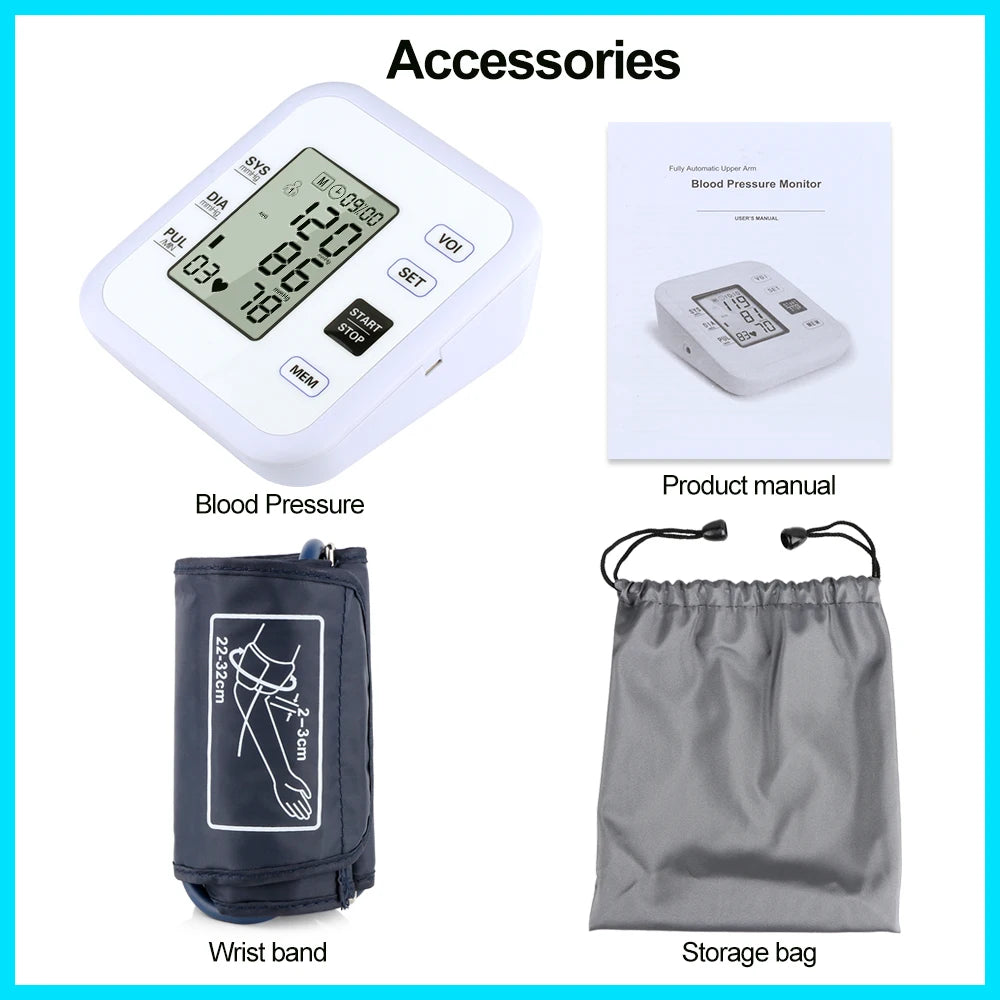
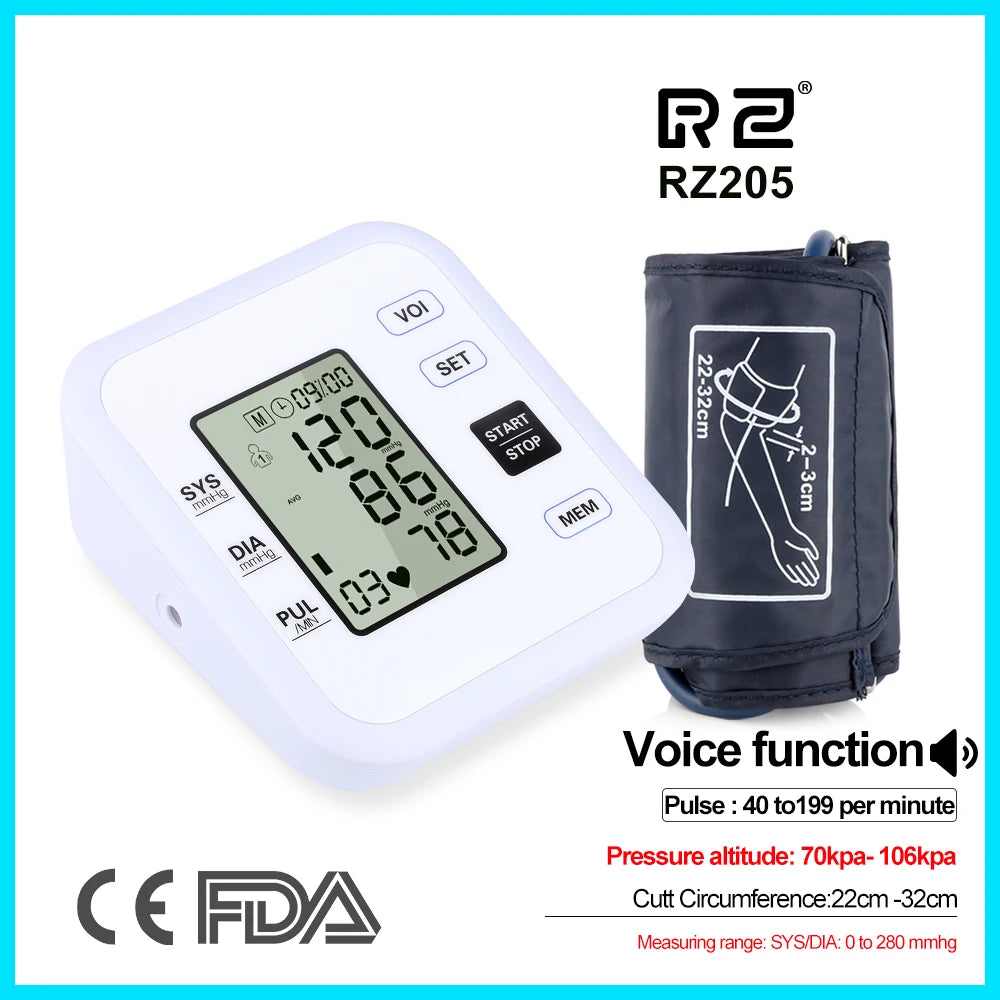
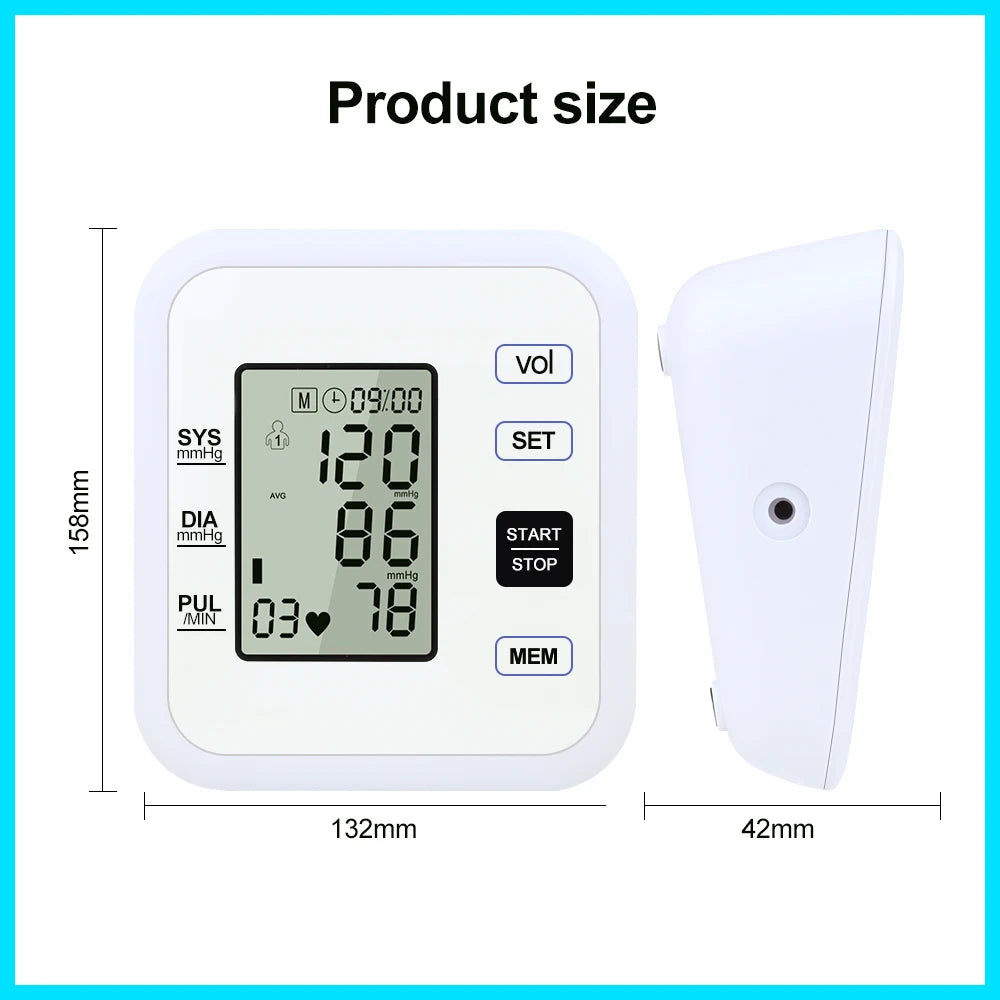
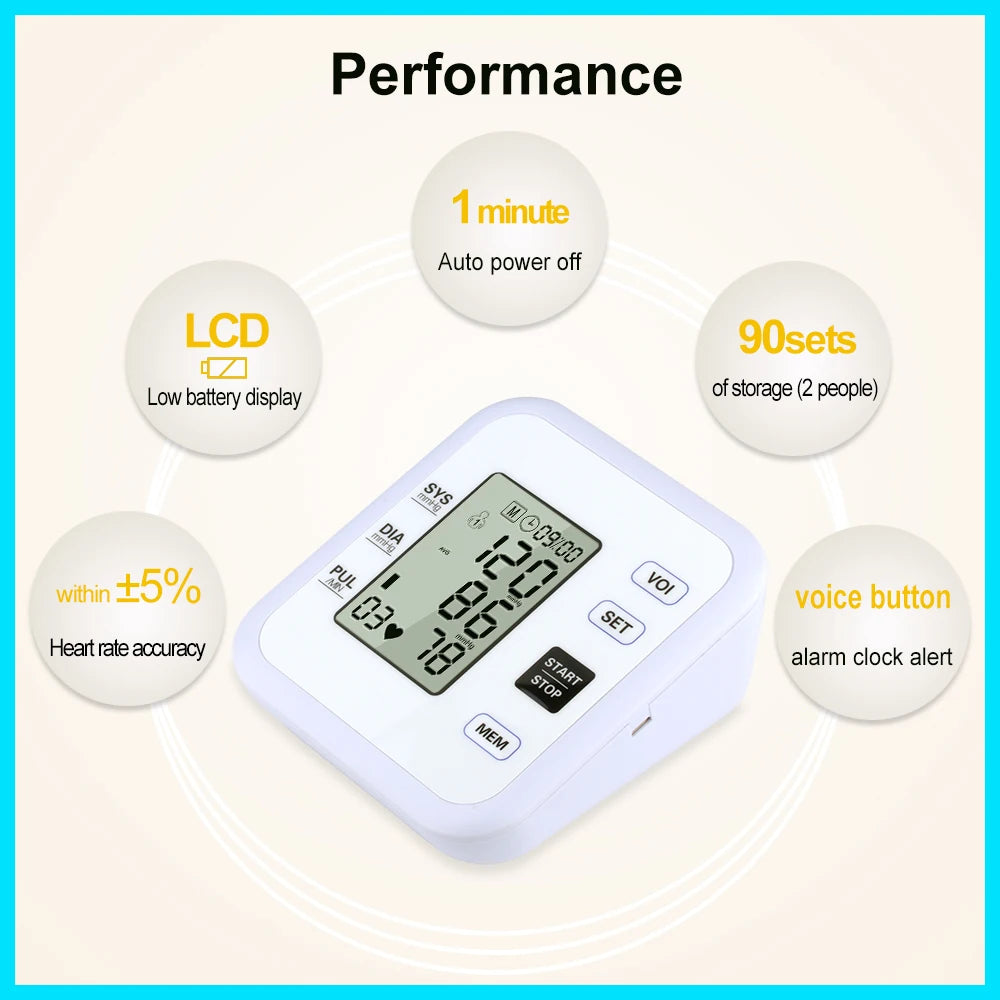
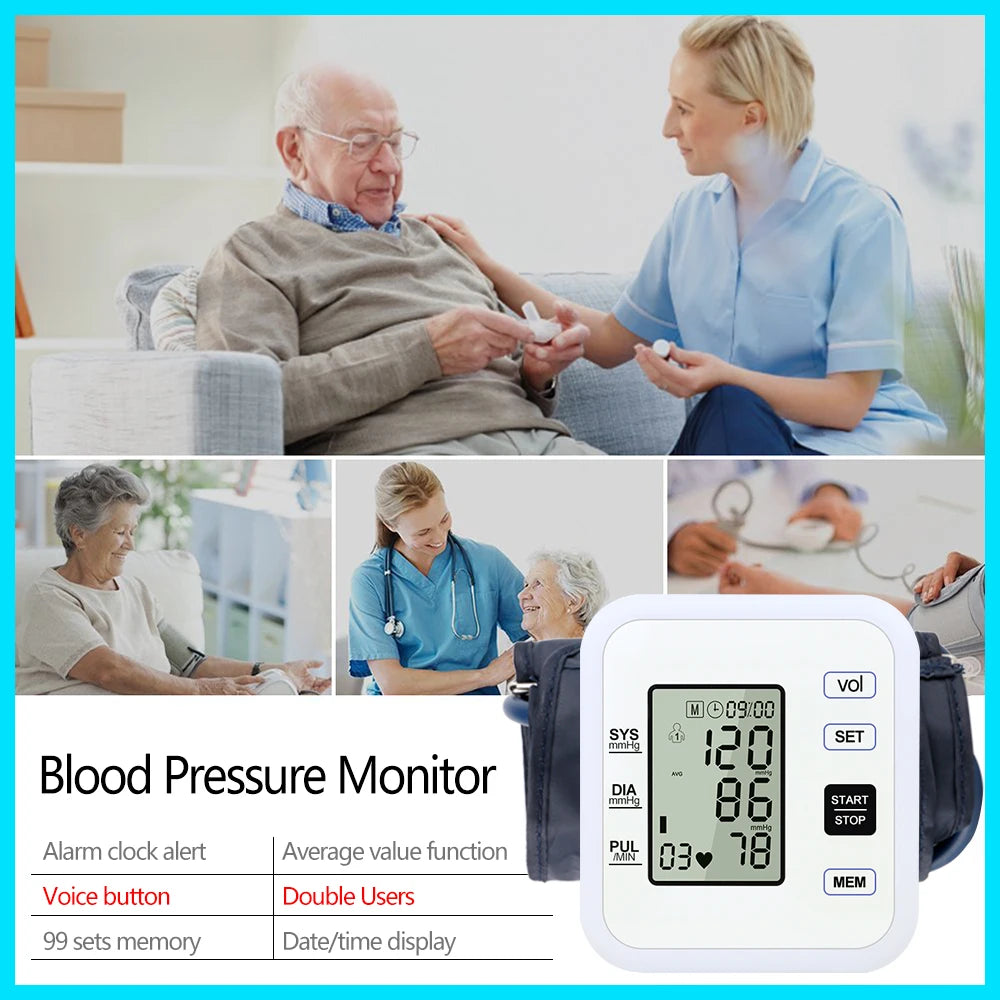
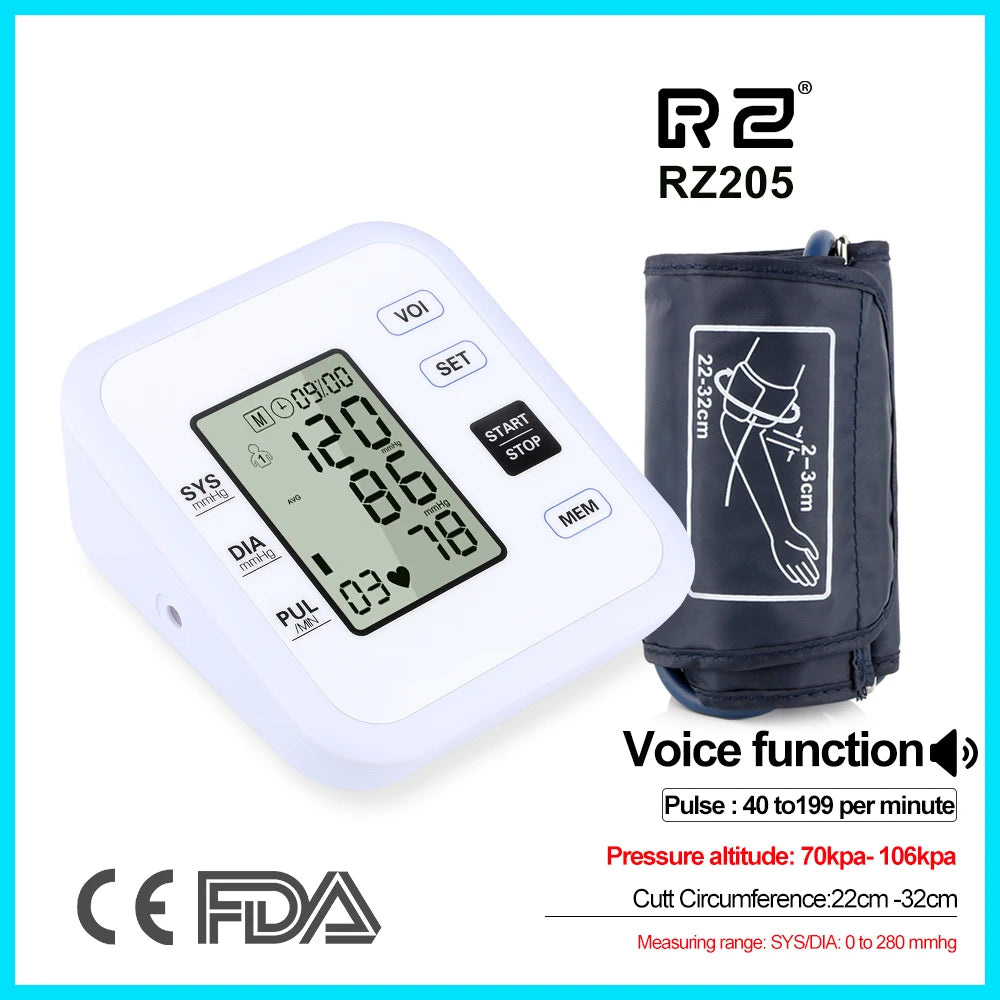
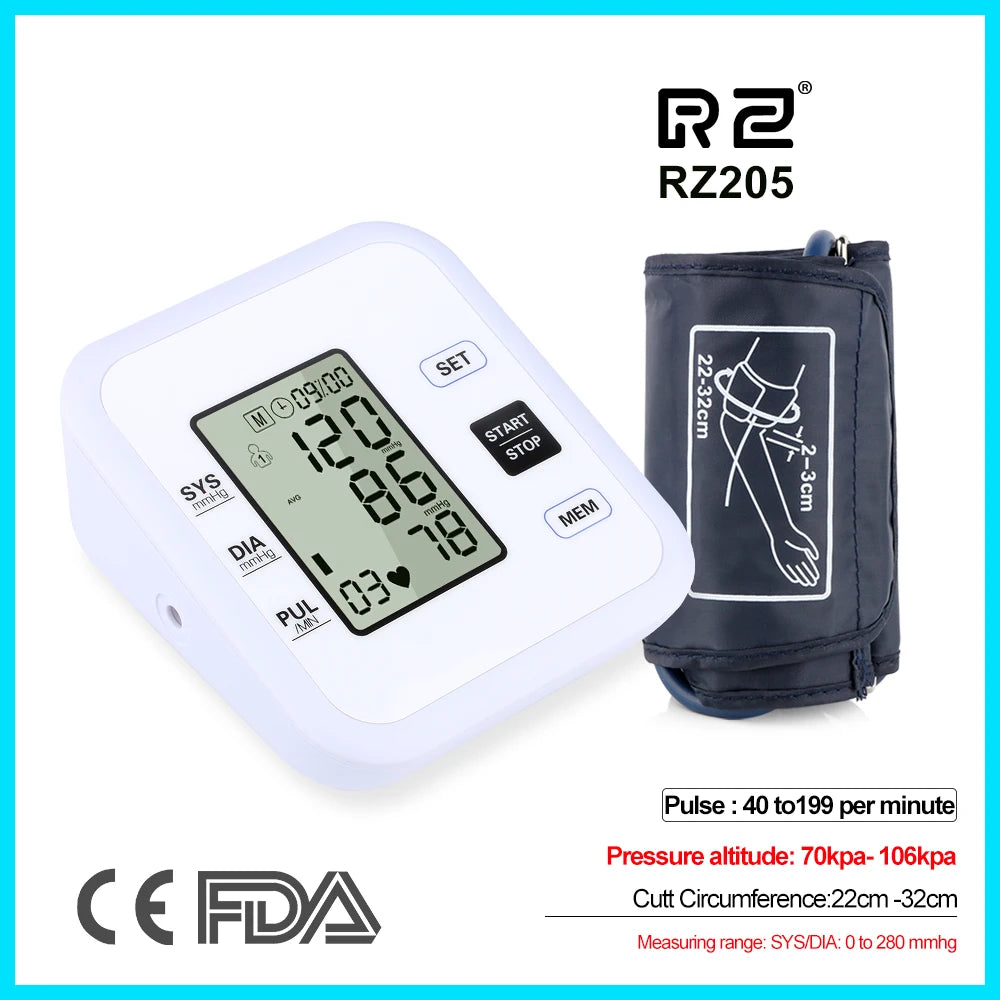
Take control of your heart health from the comfort of home. This personal blood pressure monitor delivers clinically accurate systolic, diastolic, and pulse readings, empowering you to spot trends…
Read the full descriptionTake control of your heart health from the comfort of home. This personal blood pressure monitor delivers clinically accurate systolic, diastolic, and pulse readings, empowering you to spot trends…
One press for a complete cardiovascular snapshot. The monitor gives you systolic, diastolic, and pulse data in under a minute—so you can make informed decisions without stepping into a clinic.
Advanced oscillometric technology delivers results within ±3 mmHg. Every reading is validated against medical‑grade standards, so you can trust the data.
Wrap the cuff, press one button, and remain still. The monitor inflates automatically, takes the measurement, and displays systolic, diastolic, and heart rate in large, easy‑to‑read digits.
If an irregular heartbeat is detected during measurement, a warning symbol appears. The device also averages the last three readings for a truer picture of your cardiovascular health.
Sit quietly for at least 5 minutes. Feet flat on the floor, back supported, legs uncrossed. Avoid caffeine, exercise, or smoking 30 minutes before.
Place the cuff on your bare upper arm, about 2 cm above the elbow. The artery marker should align with your brachial artery. It should be snug but not tight.
Rest your arm on a table so the cuff is at heart level. Keep still and don’t talk during the measurement.
Press the ON/OFF button. The cuff will inflate automatically, then slowly deflate as it measures. The numbers will appear on the screen.
Note the time and activity. For trend tracking, measure at the same time(s) each day—morning and evening are common. Use the memory to store readings.
White‑coat hypertension and occasional readings at the pharmacy leave you guessing. Are those numbers real? Is your heart health actually changing? Without consistent data, anxiety creeps in.
This arm cuff monitor slips on easily and reads your systolic, diastolic, and pulse in one go. It’s built for real life—quiet, compact, and designed to fit into your morning routine.
With 120 memories per user, you can track trends over weeks and months. Share the data with your doctor in seconds. You’re no longer guessing—you’re managing your health with confidence.
Take three readings, one minute apart. The device averages them. This becomes your reference—don’t read into a single number, look at patterns.
Morning and evening measurements reveal how your activities, diet, and stress affect your BP. You’ll start recognising what pushes your numbers up and down.
120 memories give you a month of history. Export or photograph the memory log and share it with your healthcare provider at your next visit.
Wipe with a damp cloth and mild soap. Air dry completely.
Remove if not used for >3 months. Replace all four at once.
Keep in a cool, dry place (‑10 to 55°C). Avoid direct sunlight.
Compare with a professional instrument once a year.
About the footprint of a hardcover book lying flat.
| This Monitor | Manual Cuff | Wrist Monitor | |
|---|---|---|---|
| Ease of use | ✓ One‑touch | ✗ Requires stethoscope / skill | ✓ One‑touch |
| Clinical accuracy | ✓ ±3 mmHg | ✓ Gold standard (trained user) | ✗ Position‑sensitive |
| Memory recall & trends | ✓ 120 memories × 2 users | ✗ None | ✗ Limited |
| Cost per reading (over 2 years) | $0.10 (low running cost) | $0 (sunk cost) + training time | $0.08 |
| Fit large arms | ✓ 42 cm max | Varies by cuff | Fits all (wrist) |
| Shareable data | ✓ Clear history on screen | ✗ Manual logbook | Partial (app sync?) |
Yes. Arm measurements are taken closer to heart level, which reduces positional errors. Wrist monitors can be sensitive to arm position and often show slightly different values. This arm cuff follows the same principle used in clinical settings.
It includes an irregular heartbeat detector that flags readings where an abnormal rhythm is suspected. It is not a diagnostic tool, but many users have brought these warnings to their physician and caught arrhythmias early.
Always consult your doctor first. The oscillometric method is non‑invasive and emits no signals, so it is generally considered safe, but individual circumstances vary.
The cuff fits arm circumferences of 22‑42 cm (8.7‑16.5 inches). For very slim or very large arms beyond that range, check the cuff dimensions before purchasing.
The device is factory calibrated. However, we recommend comparing it against a professional sphygmomanometer once a year to ensure ongoing accuracy, especially if it’s dropped or exposed to extreme temperatures.
It runs on 4 AAA batteries (included in most kits). For daily use, batteries typically last 3‑6 months. Some models also support a USB power adapter (sold separately).


 Arm Blood Pressure Monitor – Accurate Heart Rate & BP Tracker