
$64.90
Free delivery · 7–14 days
Intimate Skin Care Spray for Itch Relief & Refresh


Acupoint patches are adhesive products designed to provide localized pressure, warmth, or herbal contact at selected body areas. This category includes patches and sprays for itch-focused personal care, abdominal comfort, nasal breathing support, dizziness-related comfort, muscle and joint soothing, and foot or lower-body routines.
Start with the area and type of support you want, rather than choosing by the word “acupoint” alone. For external intimate-area freshness and itch-focused care, consider the Intimate Skin Care Spray and follow its label directions carefully. For abdominal comfort, choose the Body Acupoint Patch for Stomach Ache & Abdominal Relief. The Nasal Breathing Patch is intended for placement around the nose area, while the dizziness-focused patch is designed for pressure-point use. Heat patches are better suited to muscle and joint comfort. If you are searching for a pressure point patch for the feet, check whether the product is specifically labeled for foot placement before applying it.
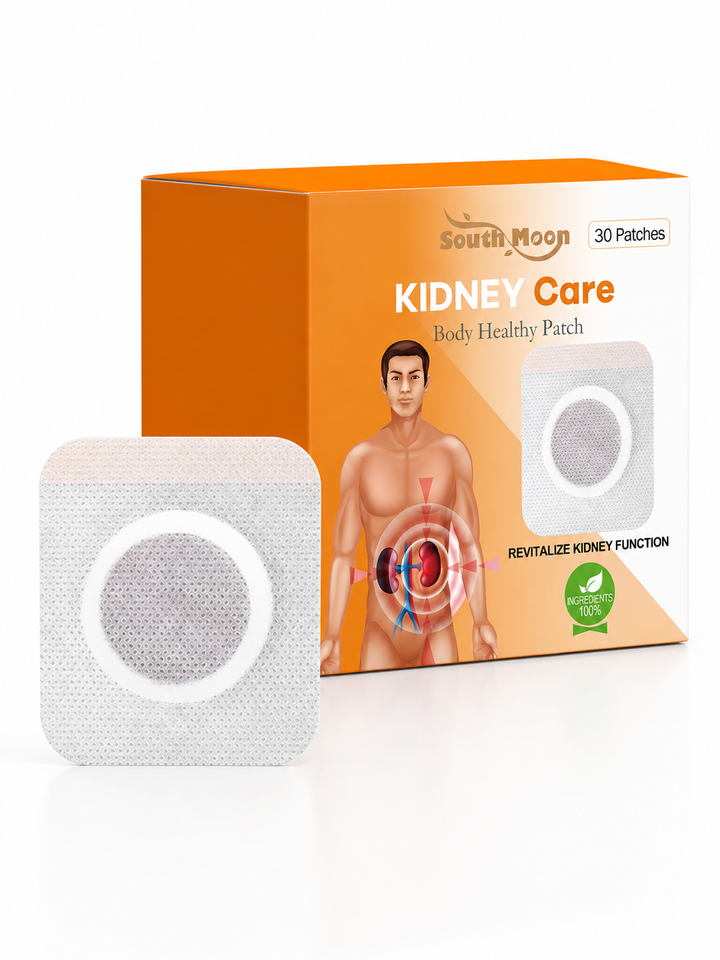
These products differ in placement, intended routine, and sensation. The Body Acupoint Patch targets the abdominal area, while the Nasal Breathing Patch is positioned near the nose to support a nighttime breathing routine. Acupoint Pressure Patches for Dizziness are designed for selected pressure-point placement, and Kidney Care Heat Patches provide warming comfort for muscles and joints. The Herbal Kidney Stone Relief Patch is supplied as breathable patches for a lower-body routine; it should not be treated as a substitute for medical evaluation. The Intimate Skin Care Spray is not an adhesive patch, but it belongs in this category because it focuses on refreshing, itch-oriented personal care.
Look for clear placement instructions, a stated intended use, and an adhesive format that fits your routine. Breathable materials may feel more comfortable during extended wear, but comfort depends on your skin and the application area. For heat patches, check the warming instructions, wear guidance, and whether the product should be kept away from broken or irritated skin. For products used near sensitive areas, review the ingredient list and avoid applying them where the label does not permit use. A useful acupoint patch should be easy to position, secure without excessive pressure, and simple to remove. Do not rely on packaging language to diagnose pain, dermatitis, neuropathy, or internal conditions.
Clean and dry the intended area, then read the product directions before opening the patch. Position it only on the labeled body area; do not place an abdominal patch on the feet or use a nasal patch elsewhere. Press the patch down firmly without stretching the skin, and follow the stated wear time. Remove it if you notice burning, worsening itch, swelling, unusual pain, or other irritation. Do not apply patches to broken, infected, freshly shaved, or highly inflamed skin unless a healthcare professional advises you to do so. Wash the area after removal if residue remains. For the Intimate Skin Care Spray, use only as directed and keep it away from eyes and internal use.
A common mistake is assuming every acupoint patch works at every pressure point. Placement matters, so match the product to its labeled area and purpose. Another is wearing a patch longer than directed because it still feels secure; extended wear can increase the chance of skin irritation. Do not layer multiple patches over the same spot, cover a heat patch with tight clothing, or apply one to damaged skin. Avoid using adhesive products immediately after bathing if the area is still damp. People also sometimes use patches to delay care for persistent abdominal pain, dizziness, breathing concerns, severe itch, or foot symptoms such as numbness or tingling. These symptoms need appropriate professional assessment rather than self-care alone.
Acupoint patches may suit adults who want a convenient, non-invasive addition to a personal comfort routine and can follow placement and wear instructions. They may be useful for people who prefer localized pressure, warming sensation, or a breathable adhesive format. They are not suitable for everyone: check the label before use if you have sensitive skin, adhesive reactions, unexplained rashes, open areas, or known ingredient sensitivities. Ask a healthcare professional before using them on children, during pregnancy, or alongside treatment for a diagnosed condition. If you are considering a patch for foot neuropathy, ongoing dizziness, suspected kidney stones, dermatitis, or persistent itch, seek medical advice rather than relying on acupressure alone.
Apply it to clean, dry skin at the location specified on the package, then follow the recommended wear time. Remove it if irritation, burning, swelling, or worsening discomfort occurs. Never place it on broken or infected skin.
There is no single universally accepted list of five “forbidden” points, and safety can depend on pregnancy, health conditions, medication, and the technique used. Do not self-apply pressure patches to sensitive or restricted areas unless the product instructions or a qualified healthcare professional specifically support that use.
Some people use acupoint products as part of a comfort routine, but results can vary and should not be guaranteed. An acupoint patch is not a substitute for diagnosis or treatment, especially for persistent pain, dizziness, breathing problems, severe itching, or other concerning symptoms.
Choose a product whose instructions specifically allow foot placement and explain where to apply it. The products in this category are designed for different areas, so do not reposition an abdominal, nasal, or dizziness-focused patch onto the feet without clear labeling.
Foot acupressure may feel relaxing or comforting for some people, but experiences differ and it should not be presented as a proven treatment for an underlying condition. Stop if it causes pain or skin irritation, and seek professional advice for persistent foot symptoms.
Acupressure patches should not be used to diagnose or treat neuropathy. Reduced sensation can make it harder to notice excessive pressure, heat, or skin injury, so consult a healthcare professional before using a foot product and seek care for ongoing numbness, tingling, weakness, or wounds.