
$41.90
Free delivery · 7–14 days
Houkea Herbal Nasal Spray — Natural Lung Clear Formula


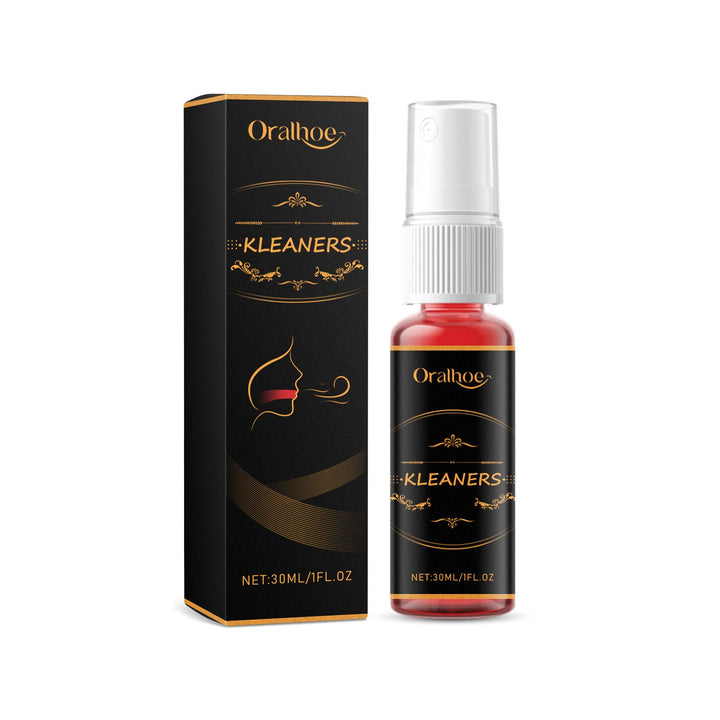


A health spray can be a convenient format for oral, throat, nasal, or general wellness routines, but each formula is intended for a specific area and use. Compare the product type, ingredients, directions, and suitability before choosing a spray for mouth care, fresh breath, throat comfort, nasal use, or other listed purposes.
Start with the area you want to care for. The Herbal Mouth Spray for Fresh Breath is designed for oral use and a fresh-breath routine, while the Respiratory Cleansing Spray is positioned for soothing throat use. Nasal products, including the Allergy Relief Nasal Spray and Houkea Herbal Nasal Spray, should be considered only for nasal application as stated on their packaging. The Health Control Spray has a different intended use, so check its directions carefully rather than treating it as a mouth or wound spray. If you are shopping for teeth appearance, choose a toothpaste instead, such as Fruity White Toothpaste or Fruit Whitening Toothpaste. Do not select a product based only on the word “spray”; the application area and instructions matter most.
This category includes several distinct formats rather than one universal medical spray. Oral spray is suited to a fresh-breath and mouth-care routine. Throat spray is intended for use in the throat area according to its label. Nasal sprays are made for the nose and include options described for allergy relief or herbal nasal care. A control spray may be marketed for a separate wellness routine and should be reviewed independently. Toothpaste is also included for stain-removal and brightening routines, but it is not a spray and should not be substituted for one. If you are comparing products for thrush, herpes, an open wound, or another diagnosed condition, read the label and seek advice from a pharmacist or clinician before relying on a general health spray.
Check four details before buying: the intended body area, the ingredient list, the directions, and any warnings. For mouth care, look for clear instructions about spraying inside the mouth and whether the product is for fresh breath or another stated purpose. For nasal products, confirm that the nozzle and formula are intended for nasal use. Review whether the product contains herbal, fruity, or other ingredients that may not suit you, and avoid use if the label lists an ingredient you cannot tolerate. Also check storage guidance, package condition, and the best-before date. A health spray is not automatically suitable for open wounds, thrush, herpes, dizziness, blood-sugar concerns, or respiratory symptoms simply because it is described as natural or soothing.
Follow the product label every time, including the stated number of sprays, timing, and application area. Keep an oral spray aimed inside the mouth, a throat spray directed as instructed, and a nasal spray used only in the nose. Do not share a nozzle, spray into the eyes, or use a product on broken skin unless its instructions specifically allow that use. Stop if you notice irritation or another unexpected reaction, and ask a pharmacist or clinician whether to continue. Keep sprays away from children unless an adult has confirmed that the product is appropriate. If symptoms are severe, persistent, worsening, or linked to a diagnosed condition such as thrush or herpes, professional advice is more appropriate than changing between general-purpose sprays.
A common mistake is choosing a spray for the symptom wording rather than the application area. A mouth spray is not automatically suitable for throat problems, nasal congestion, herpes, thrush, or an open wound. Another mistake is assuming that “herbal,” “healthy,” or “natural” means risk-free; ingredients can still cause sensitivity or interact with personal needs. Shoppers also overlook the difference between a spray and a toothpaste: toothpaste is used with brushing, while a spray is applied according to its own instructions. Do not use a nasal formula in the mouth, or a mouth formula in the nose. Finally, avoid making a general spray your only response to a wound or concerning symptom. Check the label and seek suitable medical guidance when needed.
Health sprays may suit adults who want a portable addition to a clearly defined mouth, throat, or nasal routine, provided the selected product matches its label. The Herbal Mouth Spray may fit shoppers focused on fresh breath, while the Respiratory Cleansing Spray is aimed at throat comfort. Nasal options may suit shoppers comparing products for nasal care, including allergy-related routines or herbal formulas. Suitability can change for children, pregnancy, breastfeeding, allergies, medication use, or ongoing medical conditions, so check the packaging and ask a healthcare professional when uncertain. These products should not be treated as universal wound-healing sprays or replacements for care of open wounds, diagnosed infections, or persistent symptoms. Choose by intended use, not by the broad category name alone.
Some sprays are formulated for a stated care purpose, but the word “healing” does not make every spray suitable for wounds or infections. Check the product’s intended use and instructions, and ask a pharmacist or clinician before applying any spray to damaged skin or a diagnosed condition.
A medical spray is generally a liquid product delivered through a spray nozzle for a specified body area or care purpose. The term alone does not identify what it treats, so review the label, ingredients, warnings, and directions before use.
A spray oil is an oil delivered through a spray container, but “healthy” is not a precise indication of suitability. Check its ingredients and intended application, and do not use an oil spray in the mouth, nose, or on a wound unless the product instructions specifically allow it.
There is no single best spray for every wound. The products in this category are primarily for oral, throat, or nasal routines and should not be assumed to treat open wounds; seek advice from a qualified healthcare professional for wound care.
Healing time depends on the wound and the person, so no general spray can guarantee fast healing. Follow appropriate first-aid guidance, keep the area protected as advised, and obtain medical care for deep, contaminated, worsening, or non-healing wounds.
Use only a product specifically labelled for open-wound care, and follow its directions. The oral, throat, and nasal sprays listed here should not be applied to open wounds unless their packaging explicitly states that use; ask a healthcare professional if you are unsure.