Natural Mosquito Repellent Spray for Skin, Babies & Newborns
8 products
Natural mosquito repellent options can help you reduce exposure around skin, clothing, rooms, and outdoor spaces, but different products suit different situations. Compare the active ingredients, directions, age guidance, and coverage before choosing a spray or hands-free option for your household.
How to choose a natural mosquito repellent for skin
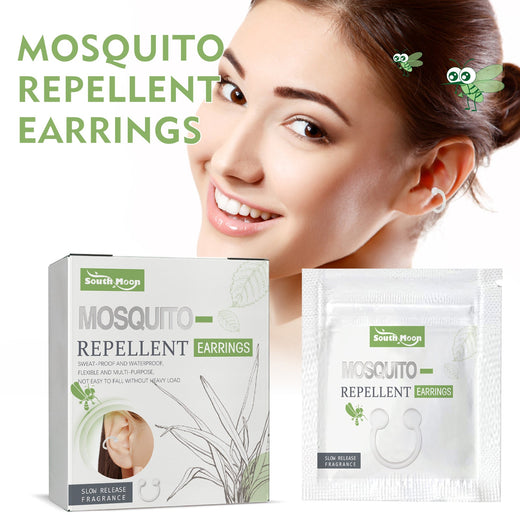
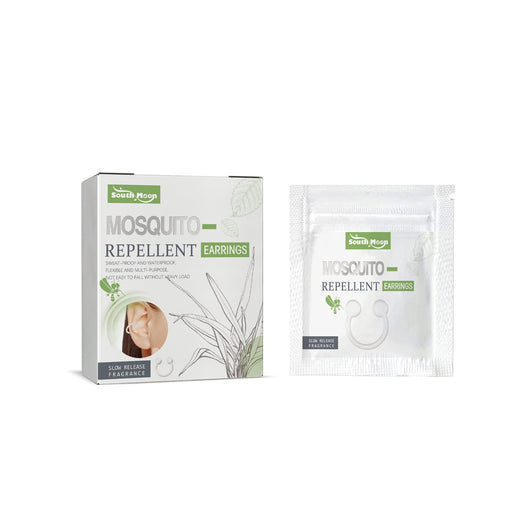
Start by deciding where and how you will use the product. A mosquito repellent spray for skin is practical for exposed arms, legs, and other areas listed on the label, while mosquito repellent earrings are a hands-free accessory designed for use around the wearer rather than direct skin application. Check the ingredient list and follow the stated application instructions instead of assuming that “natural” means suitable for everyone. For children, read the minimum age, reapplication guidance, and precautions carefully. Products intended for adults should not automatically be used on babies or newborns. Avoid applying repellent to eyes, lips, broken skin, or hands that may go into a child’s mouth. If you want a natural mosquito repellent for skin, prioritize clear directions over scent or packaging claims.
Natural mosquito repellent types compared
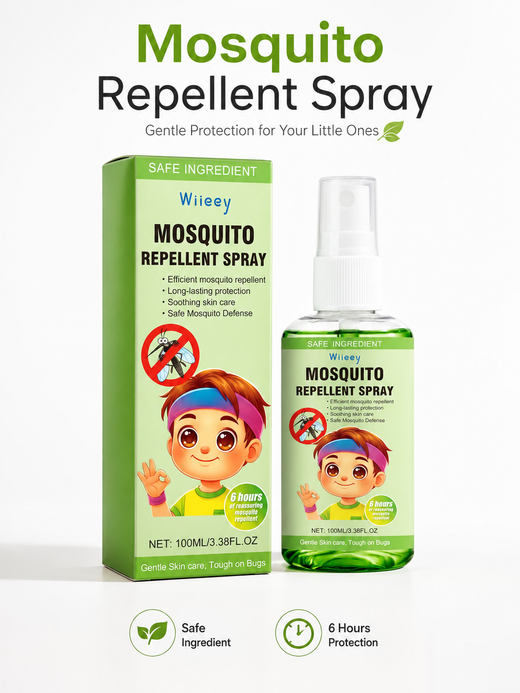
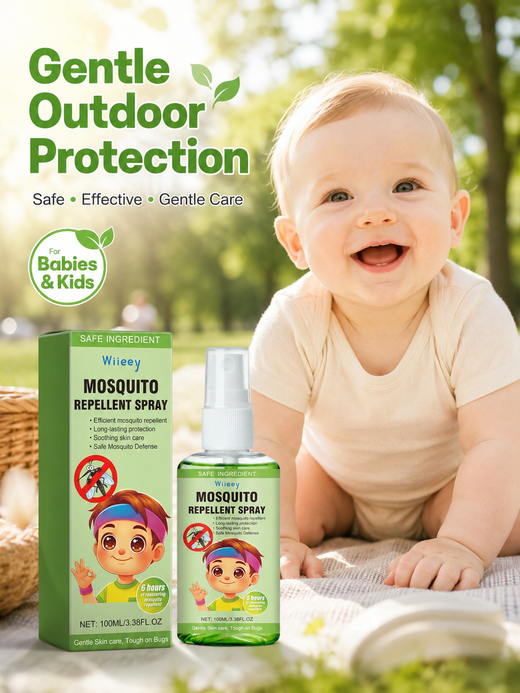
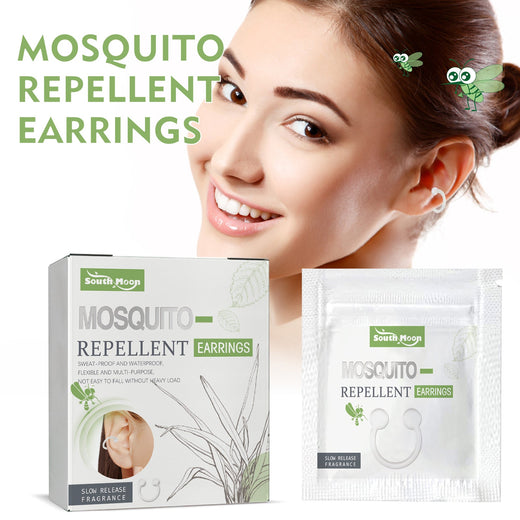
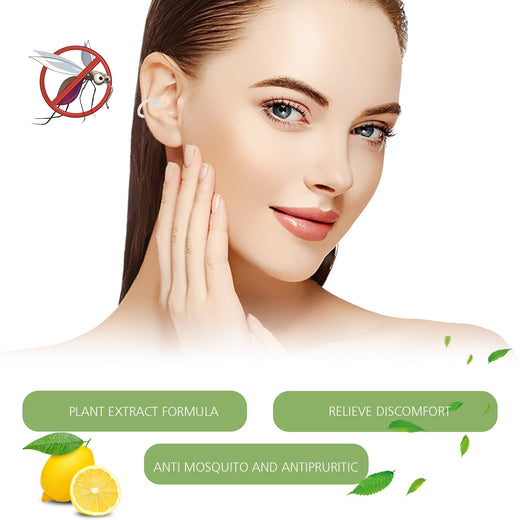
Sprays are useful when you need to cover specific exposed areas before going outdoors and can be easier to adjust than a fixed accessory. A children’s mosquito repellent spray may be a better fit for families than an adult formula, but its age guidance still needs to be checked before use. Mosquito repellent earrings offer a hands-free plant-based option for people who prefer not to apply a product directly to skin; they do not replace careful clothing, screens, or other precautions. For a natural mosquito repellent for room use, consider airflow, window screens, and removing standing water rather than treating indoor surfaces with a skin spray. Yard control is usually better approached through drainage, covered containers, and outdoor maintenance than by relying on a personal product.
What to look for in a natural mosquito repellent
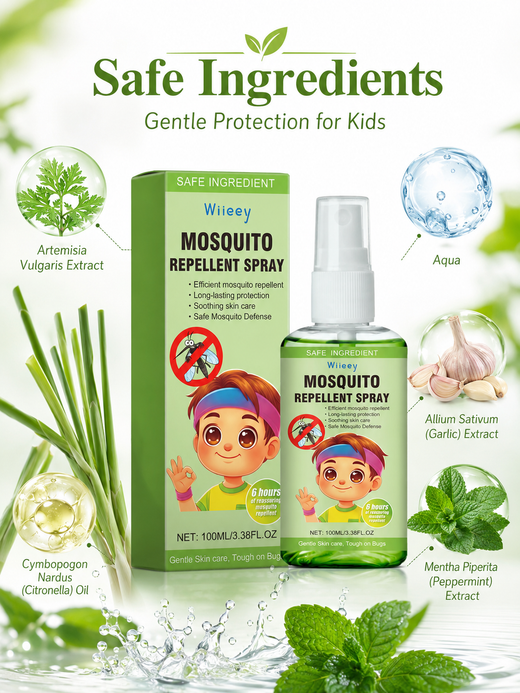
Look for a complete ingredient list, clear directions, storage guidance, and specific age restrictions. If shopping for a natural mosquito repellent for babies, be especially cautious: newborns and young infants may have different product restrictions, and many repellents are not intended for them. Choose packaging that explains whether the product is for skin, clothing, or surrounding areas. A stated wear or reapplication period can help you plan outdoor use, but follow the label rather than extending it. Consider the format too: a spray may suit active outdoor use, while earrings may appeal to shoppers wanting a hands-free accessory. Scent matters for comfort, but a strong botanical smell is not proof that a product will work for every person or setting. Avoid treating unrelated items, such as a scarf, deodorant, or soap, as mosquito repellent unless their label specifically says so.
How to use natural mosquito repellent at home and outdoors
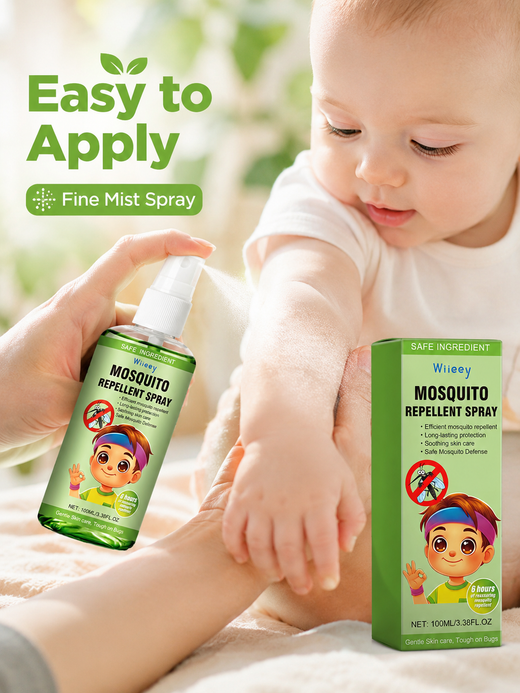
Use a skin spray only as directed, applying it to the areas named on the label and keeping it away from the face, eyes, lips, and damaged skin. Wash treated skin when outdoor exposure is finished, following the product instructions. For children, an adult should handle application and prevent contact with the mouth and eyes. Do not spray near food, pets, flames, or enclosed spaces unless the label specifically permits that use. A natural mosquito repellent for yard use should not be improvised from a skin product. At home, use screens, repair gaps, empty standing water from containers, and keep doors closed when practical. Plants and homemade mixtures may add scent, but they are not automatically dependable protection. Never apply essential oils or kitchen ingredients directly to a child or newborn without appropriate professional guidance.
Common natural mosquito repellent mistakes to avoid
One common mistake is assuming that every botanical product works for every person, mosquito species, or environment. Another is using a skin spray in a room or yard, where the label may not permit it. Shoppers also sometimes layer several scented products, such as deodorant, soap, and repellent, without checking whether the combined use is advised. Do not apply repellent more often than directed, use it on infants without checking age guidance, or put it under clothing unless the instructions allow that application. Homemade recipes can be difficult to measure and may irritate skin, stain fabrics, or create risks around children and pets. Plants marketed as natural mosquito repellent plants can be attractive additions to a yard, but simply placing a plant nearby does not guarantee a bite-free area. Pair personal products with screens, long clothing, and water-control habits.
Who should use natural mosquito repellent products?
Adults who spend time outdoors may prefer a skin spray for targeted coverage or earrings for a hands-free format. Families can consider a children’s mosquito repellent spray only when the child meets the label’s age requirements and an adult follows the application instructions. Babies and newborns need extra care: do not assume a product is appropriate because it is described as natural, and check the label or ask a qualified healthcare professional when guidance is unclear. People with sensitive skin should review ingredients and stop use if discomfort occurs. For indoor or yard concerns, personal repellent is only one part of a broader approach that includes screens, clothing, fans, and removing standing water. Products in this category such as scarves, tooth powders, soaps, and deodorant sprays are not mosquito repellents unless their packaging expressly identifies them as such.
Frequently asked questions
What smell do mosquitoes hate most?
Mosquitoes may respond to certain plant-based scents, but no single smell reliably works in every situation. A strong scent alone is not a substitute for a product with clear directions, suitable age guidance, and appropriate use for skin or surroundings.
What is the best homemade mosquito repellent for a house?
There is no homemade mixture that can be recommended as dependable protection for an entire house. A safer starting point is to use window screens, close doors, remove standing water, and follow the label of any product specifically made for indoor use; do not spray a skin repellent around rooms unless its instructions allow it.
What can I put on my skin to keep mosquitoes from biting me?
Use a repellent specifically labeled for skin and follow its ingredient, age, application, and reapplication instructions. Apply only to the permitted areas, avoid eyes and lips, and do not use adult products on babies or newborns unless the label specifically allows it.
How do I repel mosquitoes at home naturally?
Reduce places where mosquitoes can gather by emptying standing water, keeping screens in good condition, and limiting open doors and windows. Plants or homemade scents may be pleasant, but they should not be treated as guaranteed protection; use a product only for the setting stated on its label.
How do Amish get rid of mosquitoes?
There is no single method used by all Amish communities. Practical measures such as covering skin, using screens, managing standing water, and choosing an appropriately labeled repellent can be used by anyone, regardless of lifestyle.
What is the most powerful natural mosquito repellent?
There is no universal “most powerful” natural option for every person and environment. Compare the ingredient list, directions, age restrictions, intended use, and stated wear guidance, then combine personal protection with clothing, screens, and standing-water control.