
$44.90
Free delivery · 7–14 days
Nano Hydroxyapatite Toothpaste – Whitening & Enamel


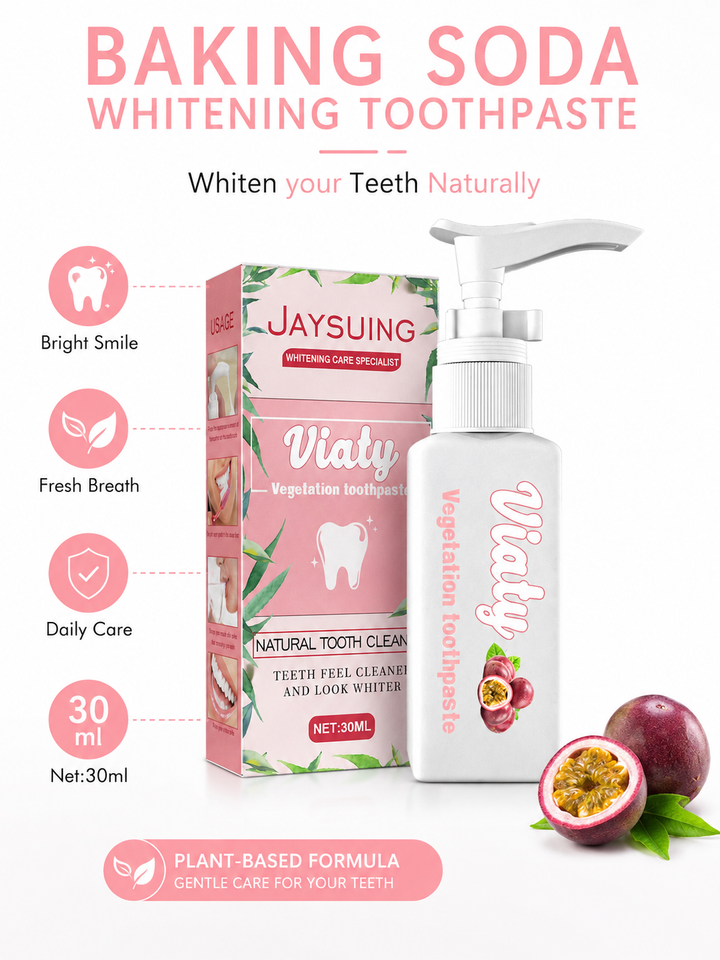


Whitening toothpaste can help clean away surface stains and make your smile look brighter, while different formulas focus on enamel care, gum comfort, freshness, or convenience. This category includes fluoride, hydroxyapatite, baking soda, clay, probiotic, herbal, coconut oil, and purple-toned options so you can match your routine to your preferences.
Start by deciding what you want from your daily routine: surface-stain removal, enamel-focused care, a fluoride formula, a natural-style ingredient list, or a quick brightening effect. For everyday brushing, consider Anticavity Whitening Toothpaste – 9x Whitening & Tartar if fluoride and tartar-focused care are priorities. Repair Toothpaste – Hydroxyapatite 5% for Brighter Smile is an option for shoppers seeking hydroxyapatite, while Bentonite Clay Toothpaste – Whitens & Protects Enamel suits those interested in clay-based formulas. Choose probiotic or herbal toothpaste if those ingredients fit your preferences. For a temporary tone-enhancing effect, Mousse Toothpaste for Instant Brighter Smile – Purple may be more suitable than a conventional paste. Check the full ingredient list and follow the product directions before buying.
Whitening toothpaste generally works through regular cleaning of external stains rather than changing the natural shade of the tooth. Baking soda and clay formulas are popular with shoppers looking for a more ingredient-focused approach, while coconut oil and herbal options appeal to those seeking a natural-style routine. Fluoride toothpaste adds anticavity care to brushing, and hydroxyapatite toothpaste is chosen by shoppers who want an enamel-care alternative. Probiotic formulas emphasize oral-care routines that include probiotic ingredients. Purple mousse uses color contrast to create a temporarily brighter-looking appearance, so it is different from a stain-removing paste. The category also includes mousse products aimed at quick application and traditional pastes designed for twice-daily brushing.
Look for a formula that fits your existing brushing habits and the type of discoloration you notice. Surface marks from coffee, tea, wine, or tobacco may be addressed by a toothpaste designed for cleaning and polishing, but deeper or internal color changes may need professional guidance rather than a stronger paste. Review whether the product contains fluoride, hydroxyapatite, baking soda, clay, probiotics, herbal ingredients, or a purple tint. If you prefer a familiar daily format, select a conventional toothpaste such as SP-8 Probiotic Whitening Toothpaste – Softer Gums, Brighter or Probiotic Toothpaste for Gentle Whitening & Lasting Oral Care. If you experience sensitivity or irritation, stop using the product and ask a dental professional which ingredients are appropriate for you.
Use whitening toothpaste as directed on its packaging, with a soft toothbrush and gentle pressure. Brush all tooth surfaces rather than concentrating only on visible front teeth, and avoid aggressive scrubbing because harder brushing does not guarantee better whitening. A standard toothpaste can usually fit into a regular brushing routine, while purple mousse may be intended for a shorter, appearance-focused application; follow its specific directions instead of treating it like an ordinary paste. Do not swallow toothpaste, and rinse or spit as instructed on the label. If you also use whitening strips, trays, or other brightening products, check their directions before combining routines. Consistent brushing, cleaning between teeth, and regular dental care help maintain a cleaner-looking smile.
A common mistake is expecting whitening toothpaste to remove every type of yellowing. Toothpaste mainly addresses surface buildup and stains, while natural tooth color, fillings, crowns, and deeper discoloration may not respond in the same way. Another mistake is brushing harder or using a product more often than directed in hopes of faster results. Switching between several strong-feeling formulas can also make it difficult to identify what causes dryness, sensitivity, or irritation. Purple toothpaste and mousse can improve the appearance of brightness temporarily but should not be treated as a permanent color change. Finally, do not choose only by phrases such as “best,” “natural,” or “9x whitening”; compare the ingredients, intended use, fluoride status, and your own comfort.
Whitening toothpaste is best suited to shoppers who want a brighter-looking smile as part of regular oral care, especially when visible discoloration comes from everyday surface stains. Choose an anticavity whitening formula if fluoride is important to your routine, or consider hydroxyapatite if you specifically prefer that ingredient. Probiotic, herbal, clay, and coconut oil options provide alternatives for different ingredient preferences, while purple mousse may suit someone seeking a quick appearance-enhancing step. Whitening toothpaste is not a substitute for an evaluation of painful, sudden, or uneven tooth color changes. People with sensitive teeth, gum discomfort, dental restorations, or ongoing oral concerns should review the label and consider asking a dental professional before changing products.
The best option depends on whether you want surface-stain cleaning, fluoride, hydroxyapatite, a natural-style formula, or a temporary purple brightening effect. Compare the ingredients and intended use, then choose a product you can use comfortably and consistently.
Some whitening toothpastes may feel too abrasive or irritating for particular users, especially when used with heavy brushing or too frequently. Whitening products also cannot correct every type of discoloration, so a dental professional may recommend a different routine based on your teeth and gums.
Whitening toothpaste can help remove or reduce the appearance of some external stains through regular cleaning. Results vary by the cause of discoloration, and toothpaste generally cannot change every internal or natural color difference.
Some yellow appearance caused by surface stains may look brighter after consistent cleaning with a suitable toothpaste. Natural tooth color, deeper discoloration, and dental restorations may not respond the same way, so persistent or unusual changes should be discussed with a dental professional.
Deep or longstanding discoloration may not be removable with toothpaste alone. Avoid scrubbing harder or exceeding the product directions; ask a dental professional to identify the cause and discuss suitable options.
They may look brighter when surface stains and buildup are cleaned, but teeth do not all respond identically. Natural tooth shade, age-related color changes, restorations, and deeper discoloration can affect the result.