
$69.90
Free delivery · 7–14 days
Women's Multivitamin Capsules for Daily Wellness Support



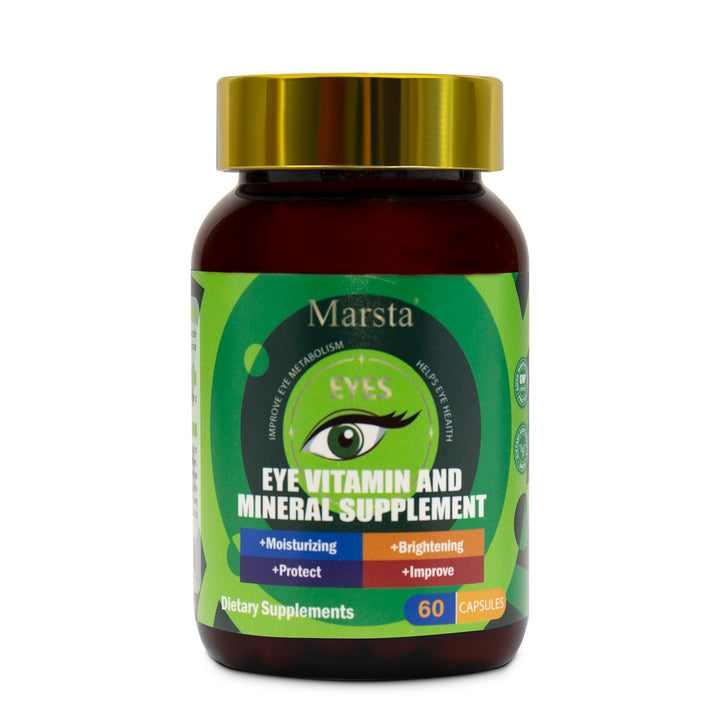




Find everyday supplements across vitamin D3 and K2, B vitamins, multivitamins, vitamin C, biotin, eye-support formulas, brain-health formulas, and senior dog nutrition. Use this guide to compare formats, intended use, ingredients, and practical considerations before choosing vitamins for yourself or your household.
Start with your specific goal rather than choosing the largest vitamins list or the most complex formula. A women's multivitamin may suit shoppers looking for broad daily coverage, while vitamin C capsules offer a single-nutrient option. Biotin hair gummies combine biotin with other vitamins, and vitamin D3 and K2 products are suited to shoppers specifically comparing those nutrients. For eye-focused choices, compare the vitamin C capsule and lutein eye vitamin and mineral supplement by ingredient list and serving format. Check the supplement facts panel, serving instructions, allergen information, and capsule or gummy preferences. If you take prescription medicines, have a health condition, are pregnant, or are choosing supplements for a child, ask a qualified healthcare professional before use.
The 13 recognized vitamins are A, C, D, E, K, and the B vitamins: B1 thiamine, B2 riboflavin, B3 niacin, B5 pantothenic acid, B6, B7 biotin, B9 folate, and B12. Products in this category group these nutrients in different ways. Multivitamins combine several vitamins, while vitamin C capsules and biotin gummies focus on a narrower selection. Brain-health and eye-support formulas may combine vitamins with other listed nutrients, so read the full panel rather than relying only on the product title. Vitamin D3 and K2 products appeal to shoppers comparing those specific vitamins. When researching vitamins food sources, remember that supplements complement—not automatically replace—a varied eating pattern.
When comparing vitamins brands, prioritize clear product information over marketing language. Look for the amount per serving, the number of servings, directions, ingredient forms, and a complete supplement facts panel. Check whether a product is a capsule, tablet, or gummy and whether that format fits your routine. For women's multivitamins, biotin gummies, vitamin C with rose hips, and senior dog vitamin tablets, compare the supporting ingredients and intended audience carefully. Avoid buying a human product for a pet unless a veterinarian specifically recommends it; the senior dog formula is designed for that category of shopper. Also review added sugars, flavorings, allergens, and storage instructions. A downloadable vitamins PDF or vitamins PPT can help with general education, but it should not replace the label or professional advice.
Follow the serving directions on each product and avoid taking more than the label recommends. Taking a multivitamin, vitamin C capsule, biotin gummy, or eye-support formula at the same time every day can make your routine easier to remember. If a label suggests taking a product with food, follow that instruction; do not assume every vitamin has identical directions. Keep supplements in their original containers and store them as directed, especially gummies that may look like sweets. Take care with overlapping products: a multivitamin plus a separate biotin, vitamin C, or D3 and K2 product can increase your total intake. Keep supplements away from children and pets, and use the senior dog tablets only according to the product directions or veterinary guidance.
A common mistake is choosing several products with overlapping ingredients without checking the combined amounts. This can happen when pairing women's multivitamins with biotin hair gummies, vitamin C with rose hips, or a separate vitamin D3 and K2 product. Another mistake is treating a product title as a diagnosis or guaranteed result; terms such as hair, focus, eye, immune, or hormone support describe the product's intended positioning, not a promise of an outcome. Do not substitute supplements for prescribed treatment, and do not stop medication to begin vitamins. Check expiry dates, serving sizes, and storage instructions. If you use omeprazole or another prescription medicine, ask a pharmacist or clinician about timing, nutrient considerations, and possible interactions before adding a supplement.
This category suits adults comparing daily multivitamins, targeted vitamin C, D3 and K2, biotin, eye-support, or brain-health supplements. The women's multivitamin is intended for shoppers seeking a women's daily formula, while the senior dog vitamin tablets are for dog owners shopping for a pet-specific option. Parents should not assume an adult capsule or gummy is suitable for children; check the label and ask a pediatric healthcare professional about vitamins for kids. Shoppers considering vitamins for women may compare the women's multivitamin with the women's hormone support formula, but the intended use and ingredients differ. People with dietary restrictions, medical conditions, or regular prescriptions should review the formula with a qualified professional before choosing.
The 13 recognized vitamins are A, C, D, E, K, and eight B vitamins: B1, B2, B3, B5, B6, B7, B9, and B12. Individual supplement formulas contain different selections and amounts, so check the supplement facts panel rather than assuming a product includes all 13.
There is no single best daily vitamin for everyone. The right choice depends on your diet, age, health circumstances, medications, and goal; compare a multivitamin with targeted options such as vitamin C, biotin, or D3 and K2. Ask a healthcare professional before starting supplements if you take medication or have a health condition.
The 13 vitamins are vitamin A, vitamin C, vitamin D, vitamin E, vitamin K, and the B vitamins thiamine, riboflavin, niacin, pantothenic acid, vitamin B6, biotin, folate, and vitamin B12. Labels may use vitamin names, letter-number names, or both.
Do not add a vitamin solely because you take omeprazole without discussing it with a healthcare professional. Omeprazole can affect how the body handles some nutrients and medicines, but the appropriate choice depends on your health history, diet, dose, and length of use. A clinician or pharmacist can advise whether testing or supplementation is appropriate.
The answer depends on the specific medicine, dose, and timing, so check with a pharmacist or prescriber before combining omeprazole with supplements or other pills. Provide a complete list of prescription medicines, over-the-counter products, and vitamins, including multivitamins, vitamin C, biotin, and D3 and K2 products.
There is no universal pair of vitamins that everyone must avoid taking together. The concern is often the total amount, product overlap, medication interactions, or a person's health circumstances, so review labels and ask a healthcare professional before combining supplements.