
$64.90
Free delivery · 7–14 days
Nasal Inhaler for More Comfortable Breathing On the Go


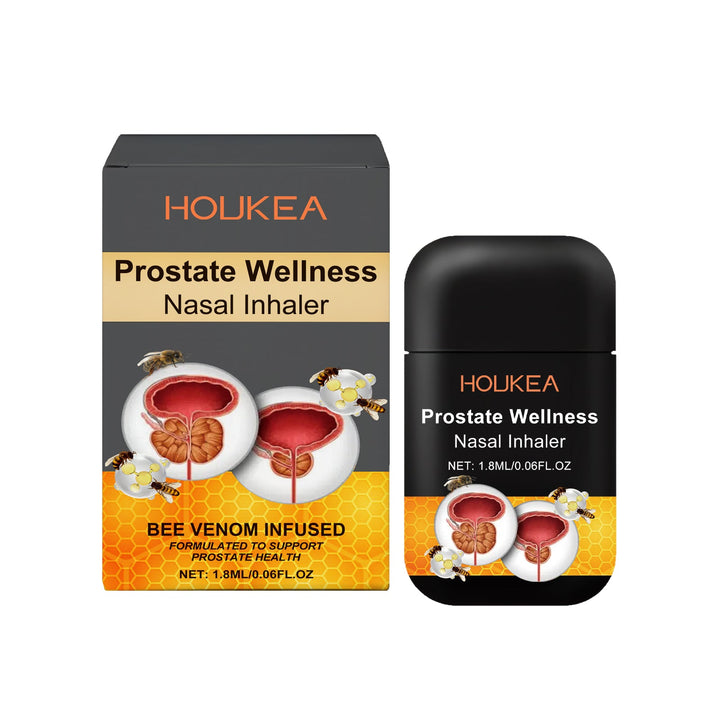


Shop nasal care products for everyday cleansing, portable comfort, mucus relief, and breathing support across different ages and routines. This category includes saline sprays, nasal cleansing devices, inhalers, rhinitis comfort devices, and specialized nasal sprays, so compare the intended use, ingredients, and directions before choosing.
Start with the result you want: gentle daily cleansing, mucus relief, on-the-go freshness, or comfort during seasonal nasal irritation. A nasal saline spray is a simple option for routine moisture and cleansing, while a nasal cleansing device is designed for users who prefer nasal irrigation or a more thorough rinse. Portable nasal inhalers suit travel, work, and outdoor use. For products marketed for appetite control, rhinitis comfort, snoring relief, or daily focus, read the label carefully and follow the stated age guidance. Consider who will use the product, how often it fits your routine, and whether replacement parts, saline solution, or batteries are required.
Saline nasal sprays deliver a measured mist for gentle daily nose cleansing and are usually the simplest format to carry. Nasal cleansing devices use a rinse process to help wash away mucus and airborne debris; they require careful preparation, cleaning, and use exactly as directed. Nasal inhalers are compact and intended for brief, portable use when you want a fresh sensation or more comfortable breathing. Nasal relief devices for rhinitis congestion comfort offer another format for people comparing non-spray options. Specialized products, including appetite control nasal spray and herbal inhalers for snoring relief, should be evaluated by their label instructions rather than treated as interchangeable with saline.
Check the ingredient list, directions, intended age range, and warnings before buying. For daily cleansing, look for a clearly labeled saline formula and packaging that helps prevent contamination between uses. For nasal irrigation, confirm whether the device requires prepared saline, cartridges, or another solution, and check how the reservoir and nozzle are cleaned. A portable nasal inhaler should have a secure cap and a format that fits your bag or pocket. If you are comparing a nasal care device with a nasal spray, consider whether you prefer a mist, rinse, or inhaled aromatic experience. Avoid choosing based only on terms such as “deep clean”; the instructions and maintenance requirements matter more.
Read the complete product directions before first use, especially for a nasal cleansing device. Use only the solution or water preparation specified on the label, and do not improvise with household ingredients. Keep the nozzle or applicator clean, avoid sharing it, and allow reusable parts to dry as directed. For saline spray, use the recommended number of sprays and wipe the tip after use without touching it to other surfaces. Stop if the product causes persistent discomfort, irritation, or an unexpected reaction, and seek appropriate professional advice when needed. Searches for “nasal irrigation” and “sinus rinse dangers” often reflect concerns about technique, so product instructions and hygiene should be your starting point.
A frequent mistake is using a nasal rinse without checking the required water or saline preparation. Another is sharing an applicator, leaving a cleansing device wet, or continuing to use a damaged nozzle. Do not insert an inhaler or other product farther than the directions allow, and do not combine nasal products unless the label or a qualified professional says it is appropriate. Avoid picking aggressively to remove crusting or boogers, since this can irritate the delicate skin inside the nostrils. Products labeled for specific purposes, such as appetite support, rhinitis comfort, or snoring relief, should not be assumed to replace other care. Follow each product’s instructions independently.
Nasal care can suit adults, families, travelers, and anyone building a simple nose-cleansing routine, but the best format depends on the user and product label. Adults may prefer a nasal cleansing device for a rinse routine or a portable inhaler for work and travel. Caregivers choosing for children should check the stated age guidance and select a format the child can use comfortably and safely. Saline spray is convenient for users who want a quick, low-mess option. People comparing products for rhinitis congestion, snoring relief, fatigue relief, or appetite support should review the intended purpose and precautions carefully. When in doubt, ask a healthcare professional whether a product fits your situation.
A nasal cleansing device can rinse the nasal passages when used with the solution and water preparation specified in its instructions. Clean and dry the device as directed, never share it, and stop if it causes persistent discomfort. A saline spray offers a gentler, simpler cleansing option.
Do not use household disinfectants, concentrated chemicals, or unapproved products inside the nose. The nasal passages have natural defenses, while saline products are intended to cleanse or moisturize rather than act as disinfectants. For concerns about infection, ask a healthcare professional.
Some people choose saline spray, a properly prepared nasal rinse, humidified air, or warm fluids for temporary comfort. Use nasal irrigation only as directed and follow the product’s water-safety instructions. Seek professional advice if congestion is severe, persistent, or accompanied by concerning symptoms.
Use a saline spray for gentle routine cleansing, or choose a nasal cleansing device if a rinse better suits your routine. Wipe the outside of the nostrils with a clean, damp cloth and avoid picking or inserting objects inside. Keep applicators clean and do not share them.
It is reasonable to gently remove visible buildup from the outer nostril area, especially with a soft, clean tissue or damp cloth. Avoid forceful picking, sharp tools, or inserting objects deeply, as these may irritate the skin. Saline can help soften dried material before gentle cleaning.
Choose only a product specifically labeled for use inside the nose, such as an appropriate saline or nasal-moisturizing product. Follow its directions and avoid applying household oils, fragrances, or unapproved creams. If dryness, cracking, or bleeding continues, consult a healthcare professional.