Thai Herbal Nasal Inhalers | Hong Thai Lung Cleanse & Detox
11 items


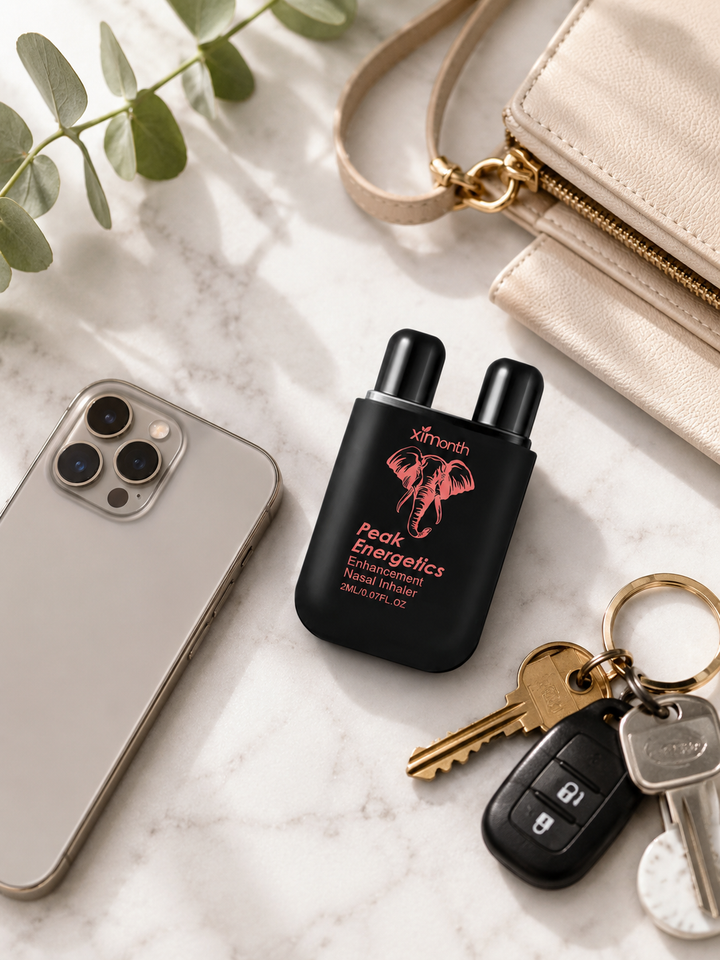

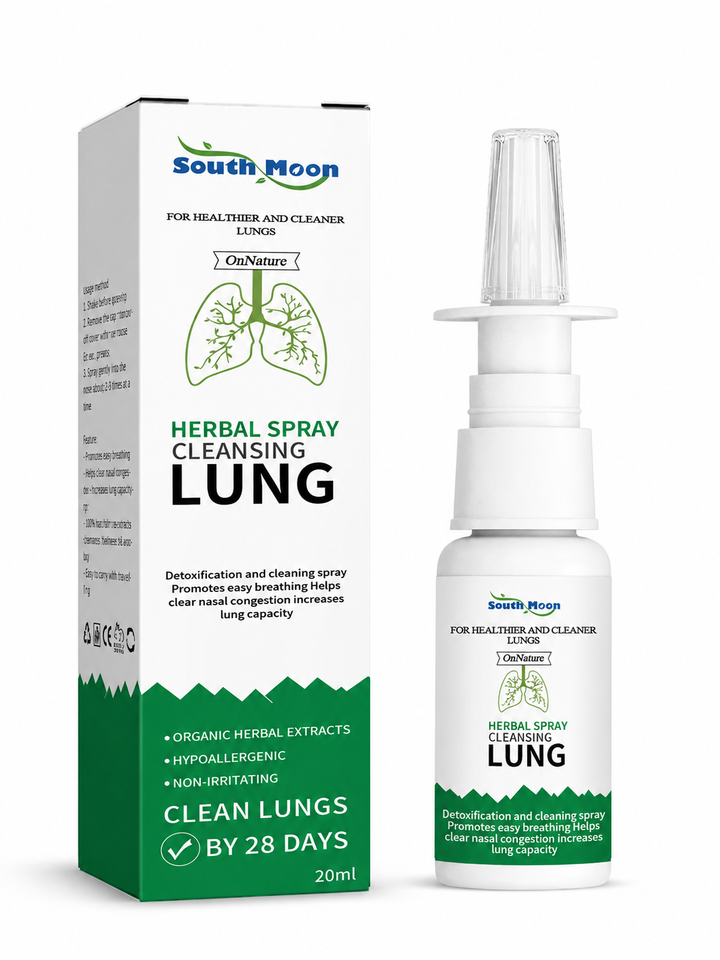
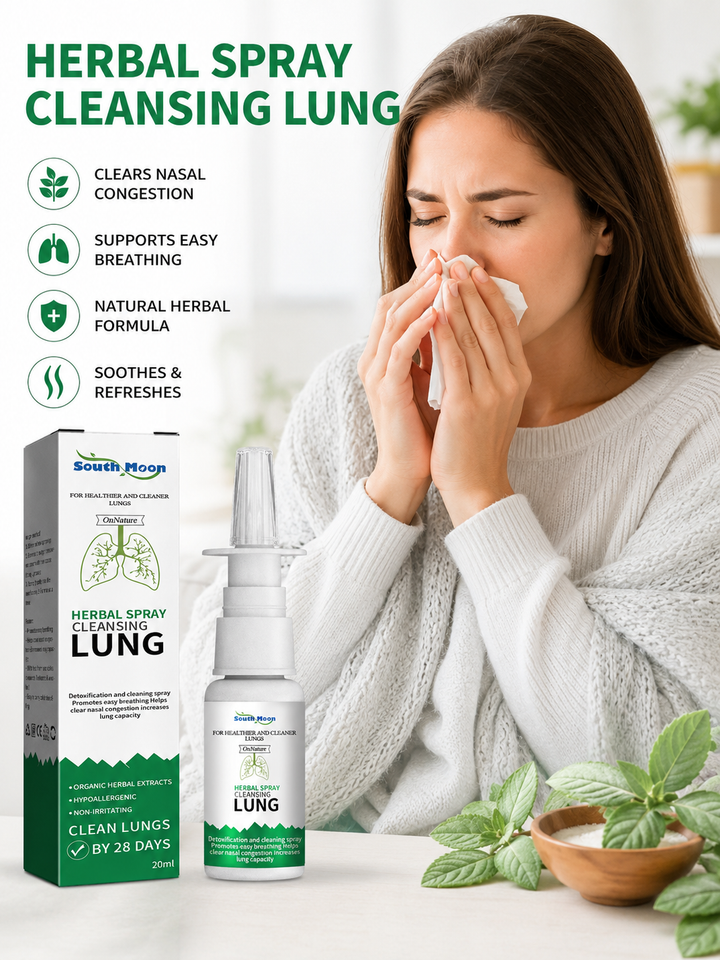
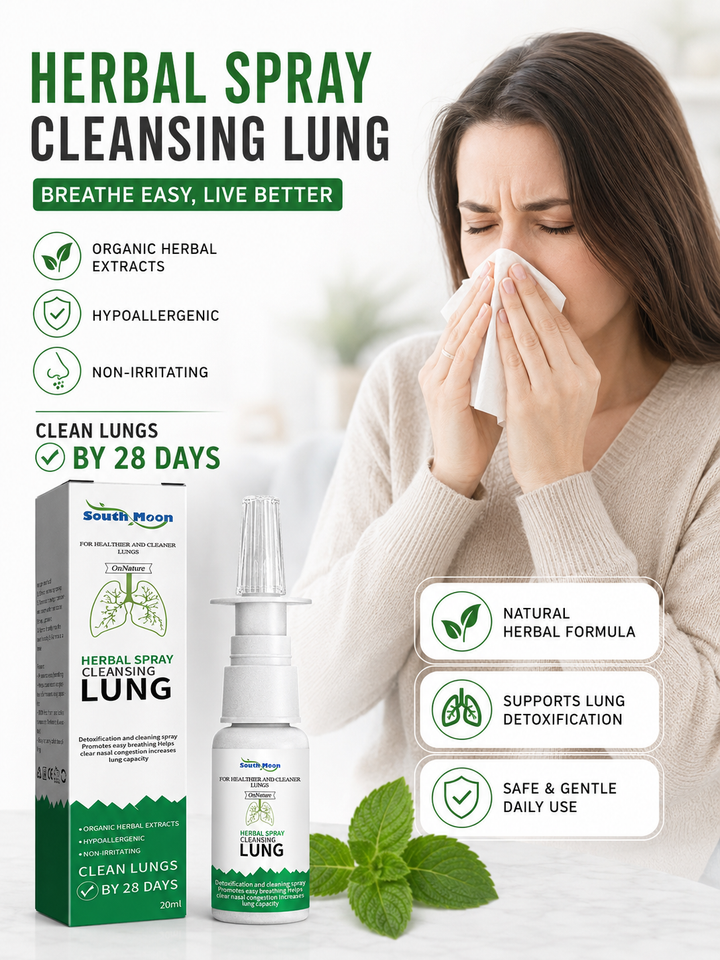


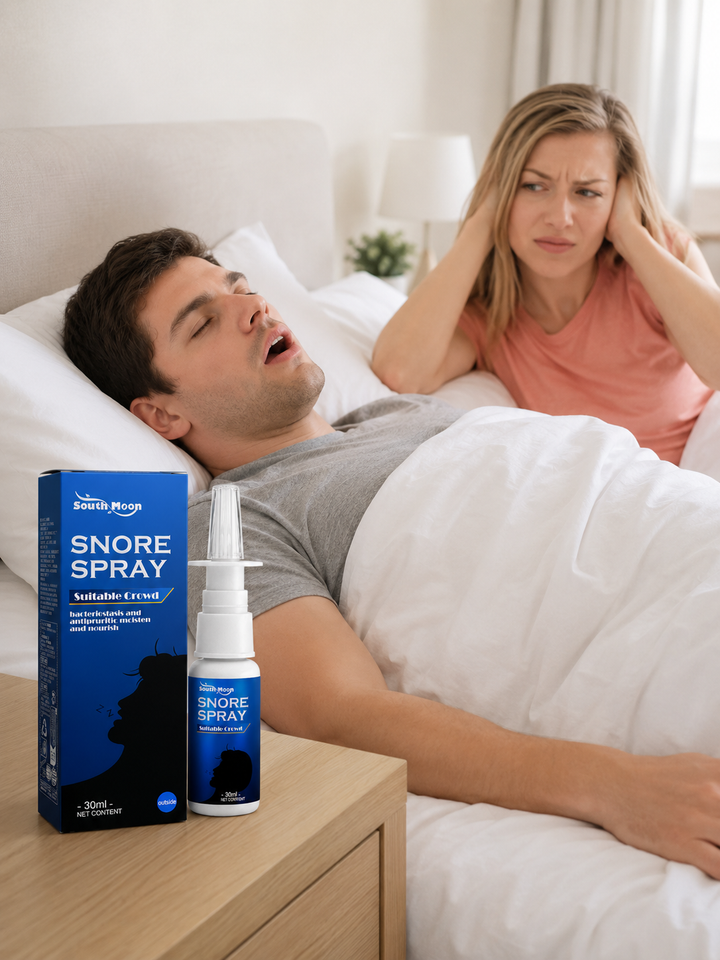

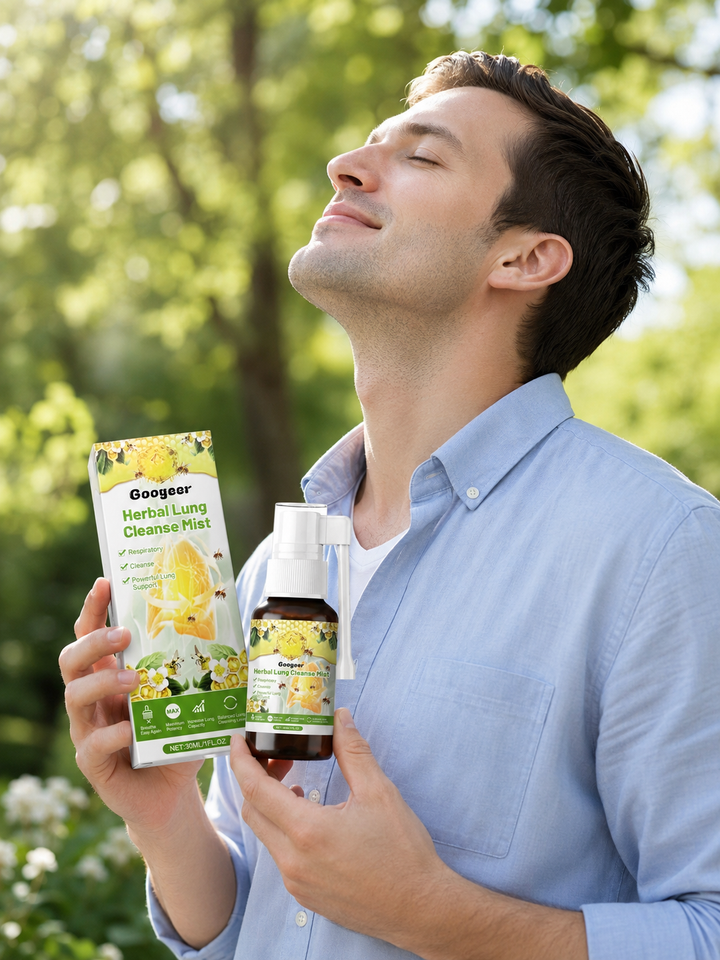
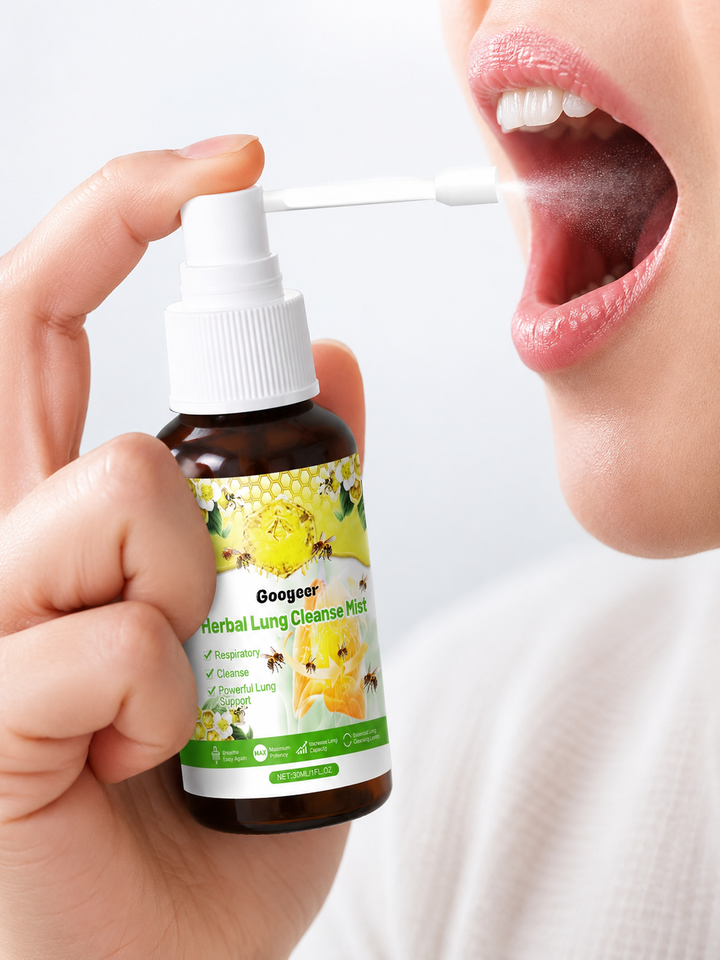
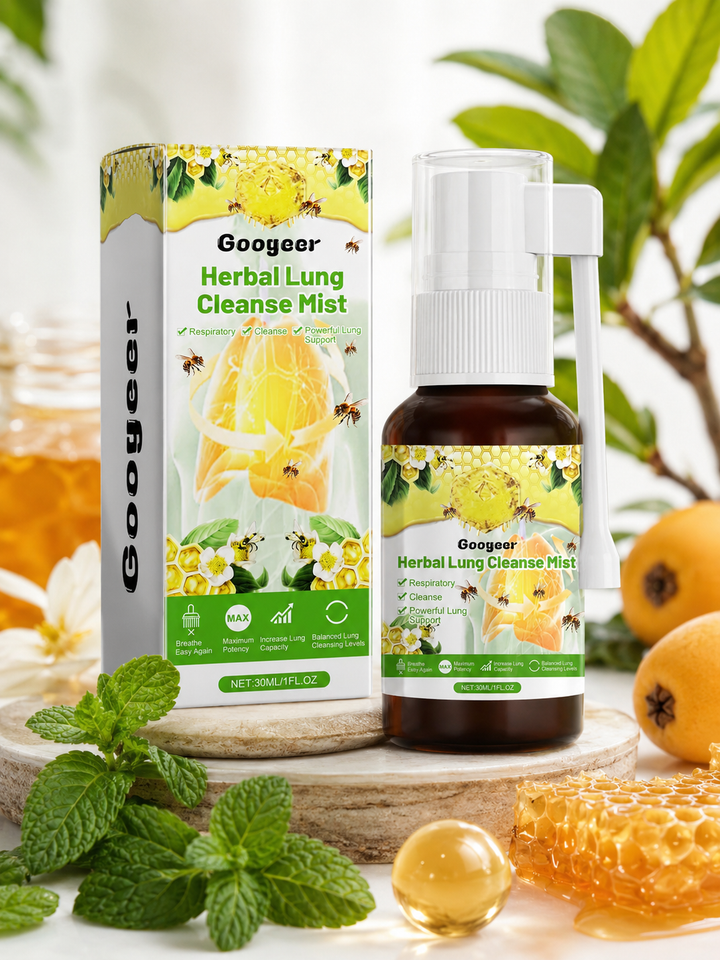

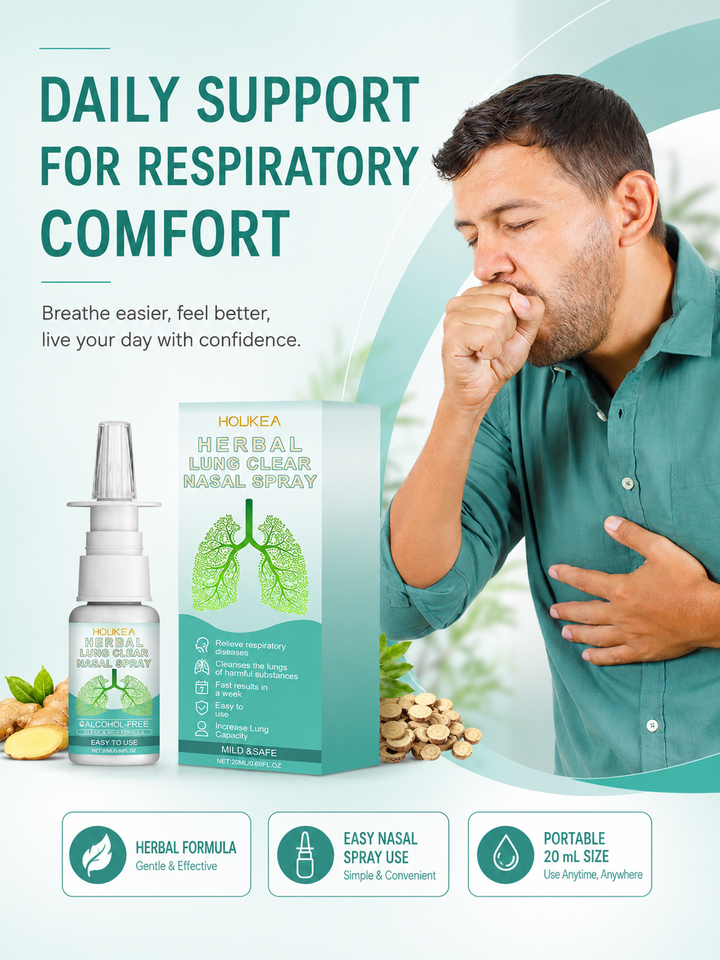
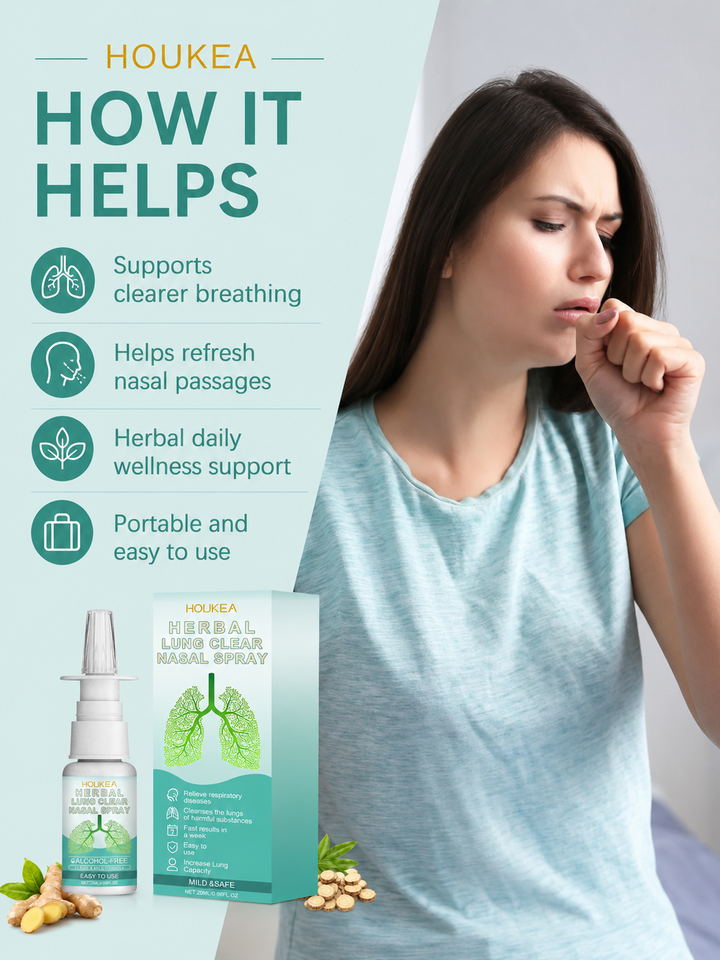
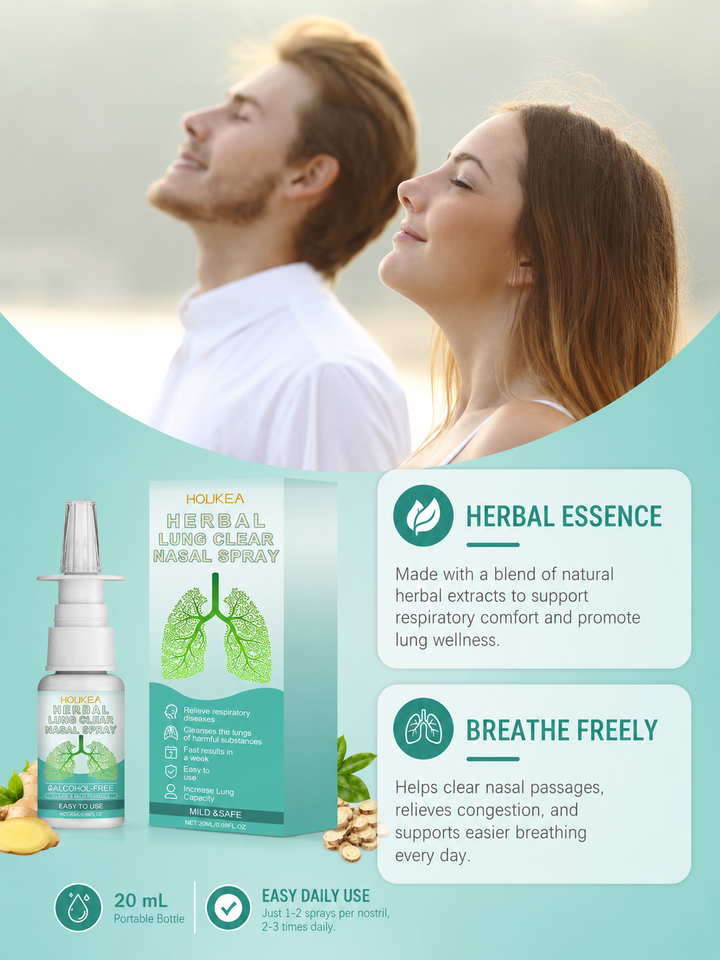

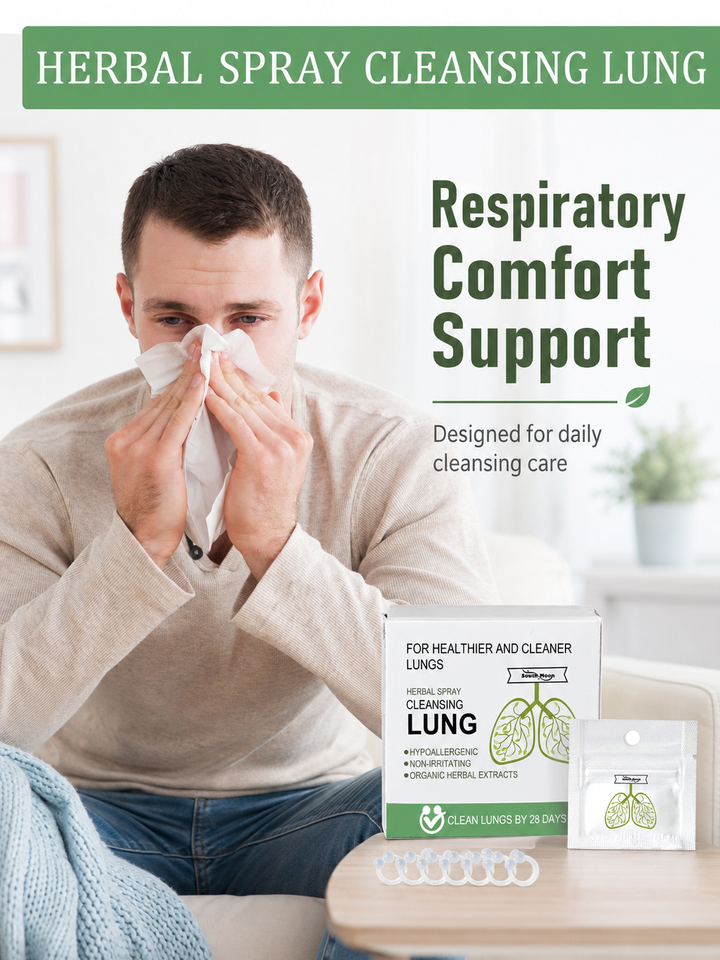
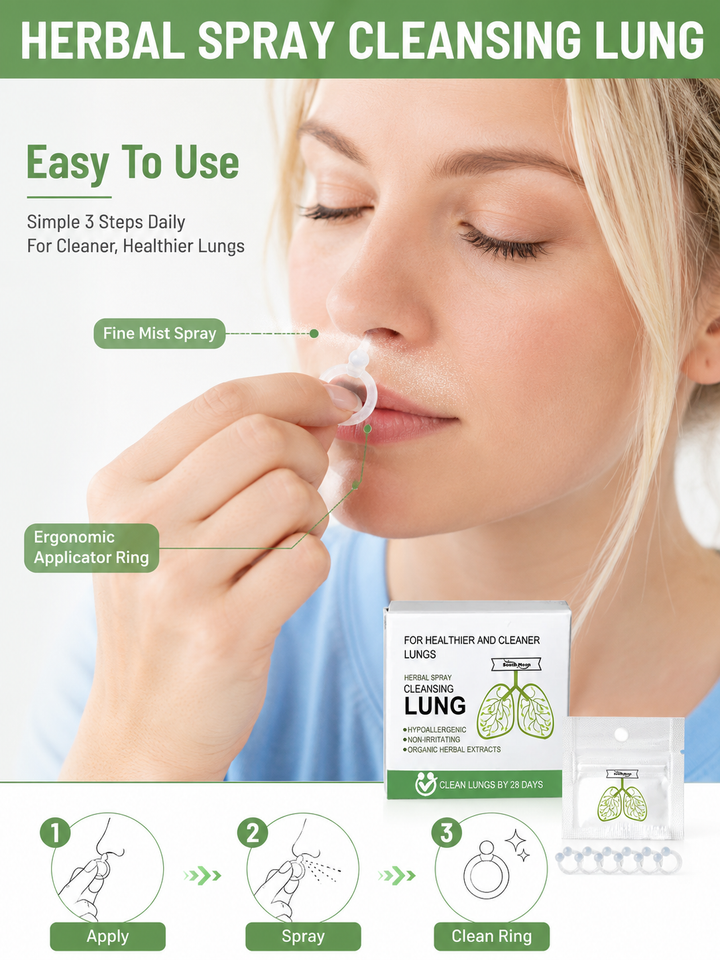
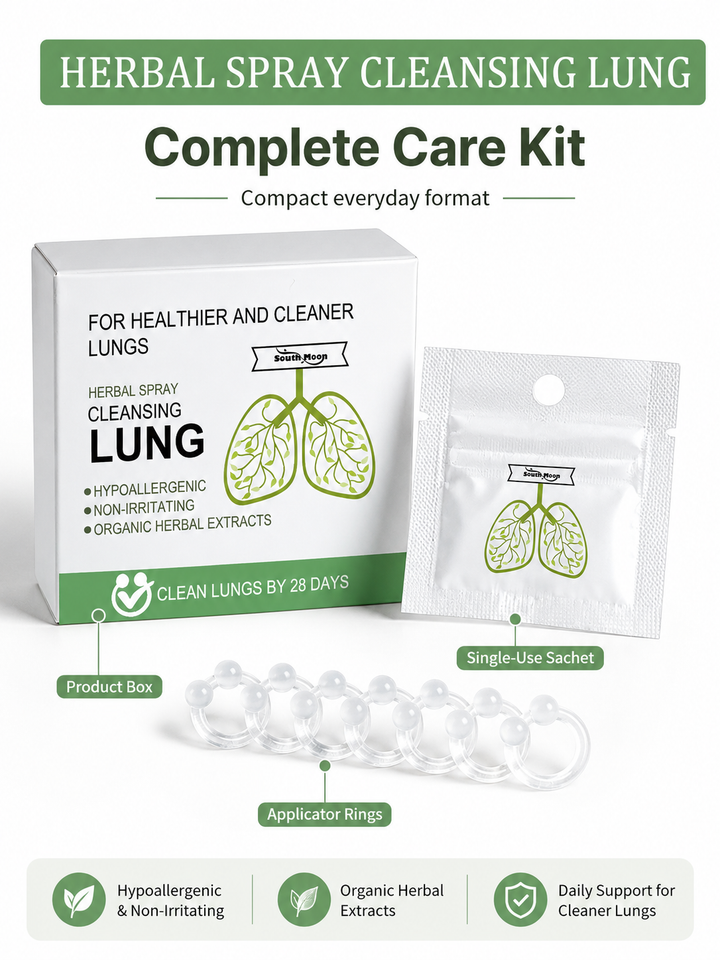

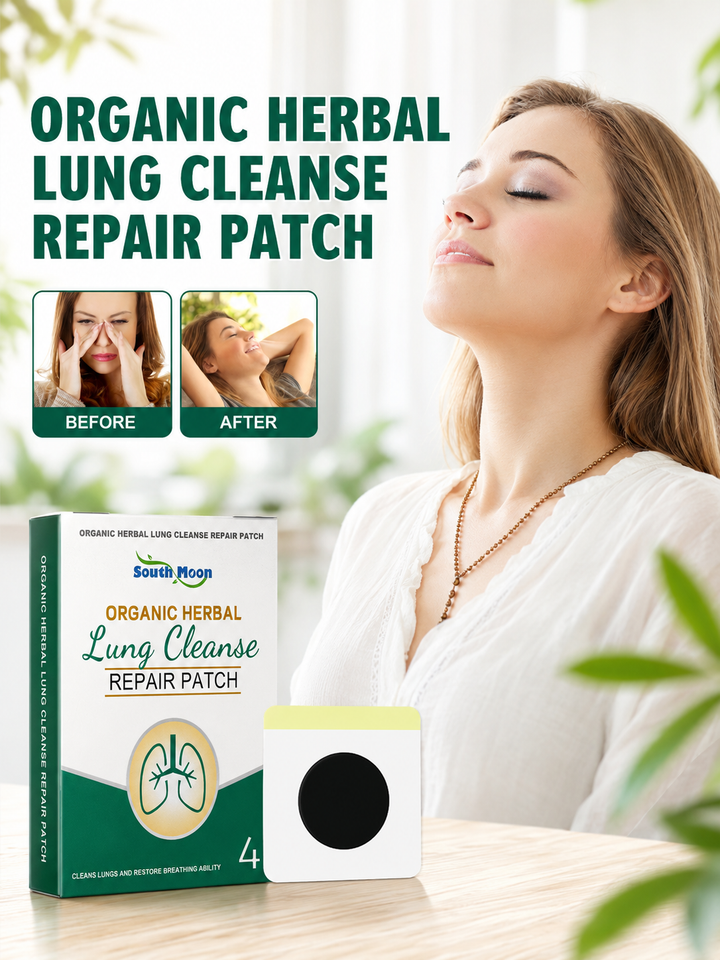
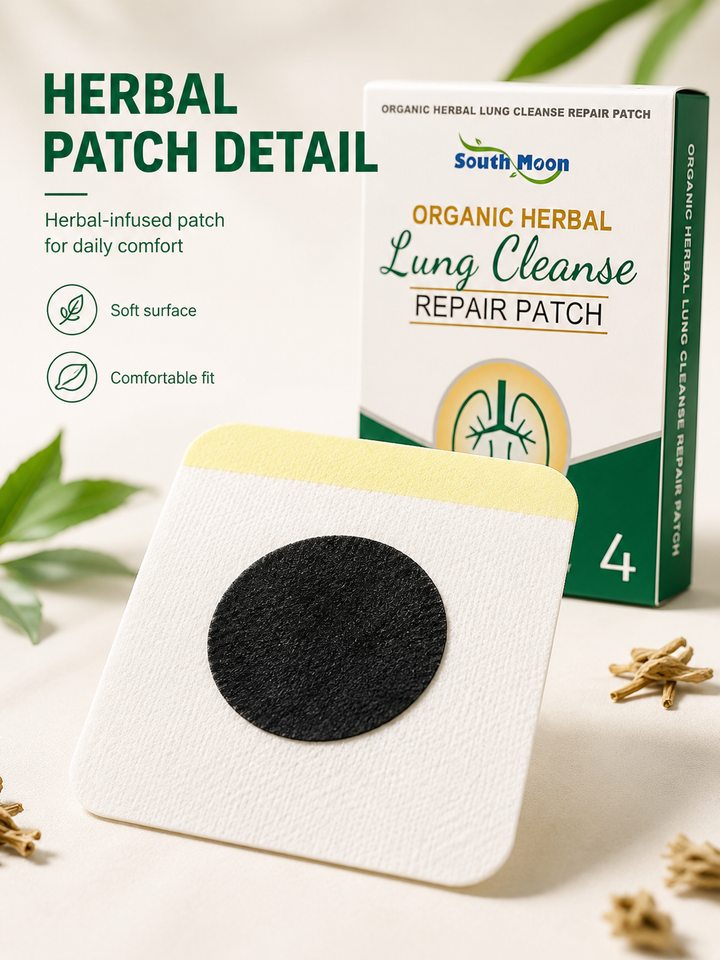
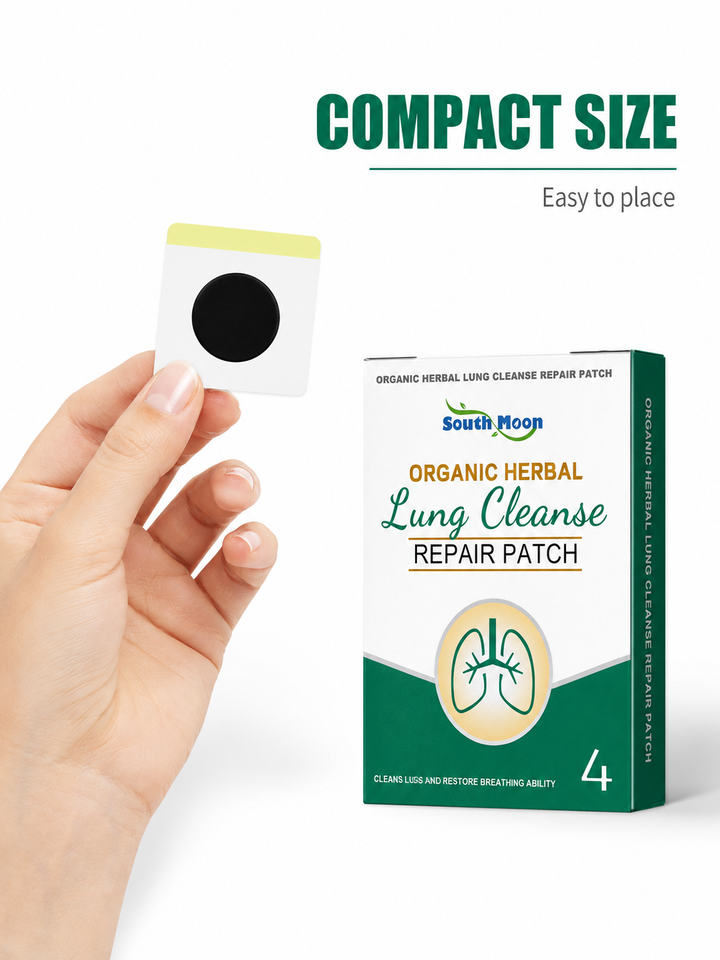

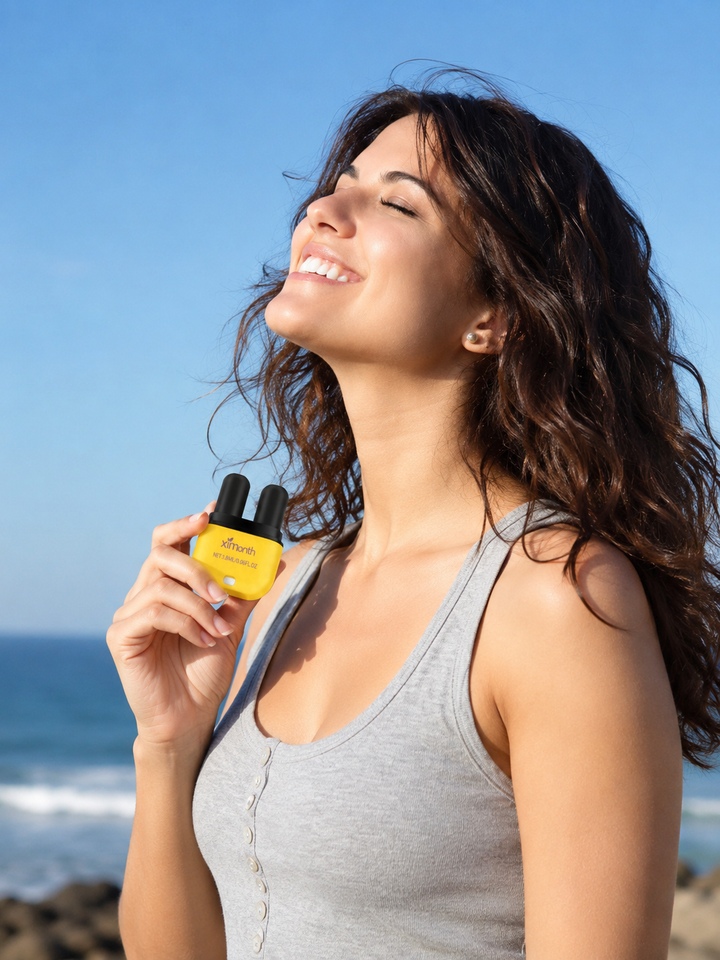
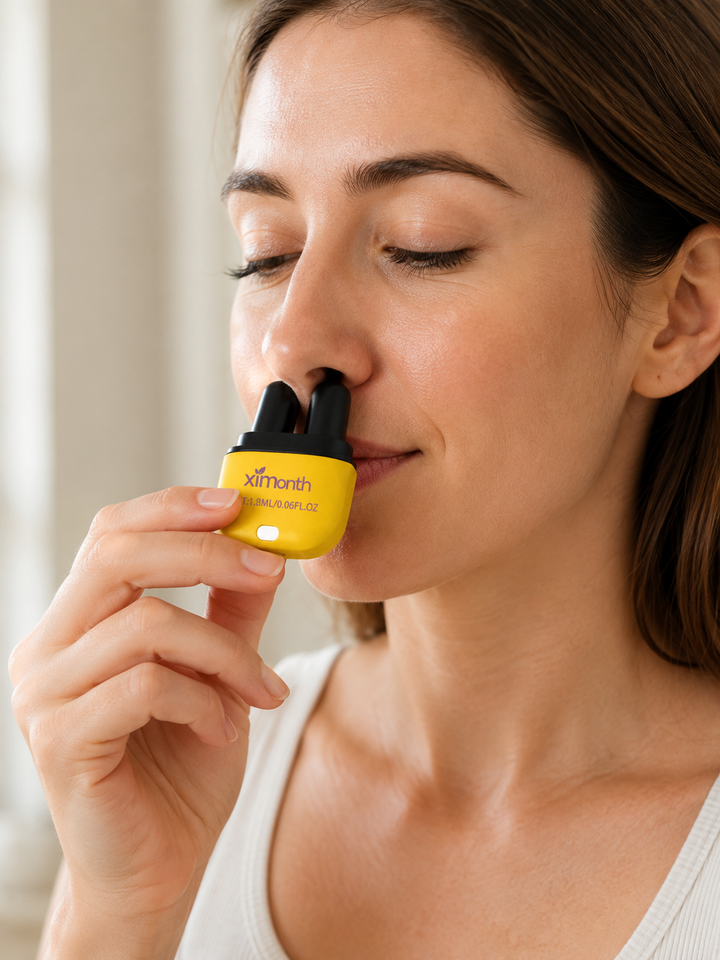
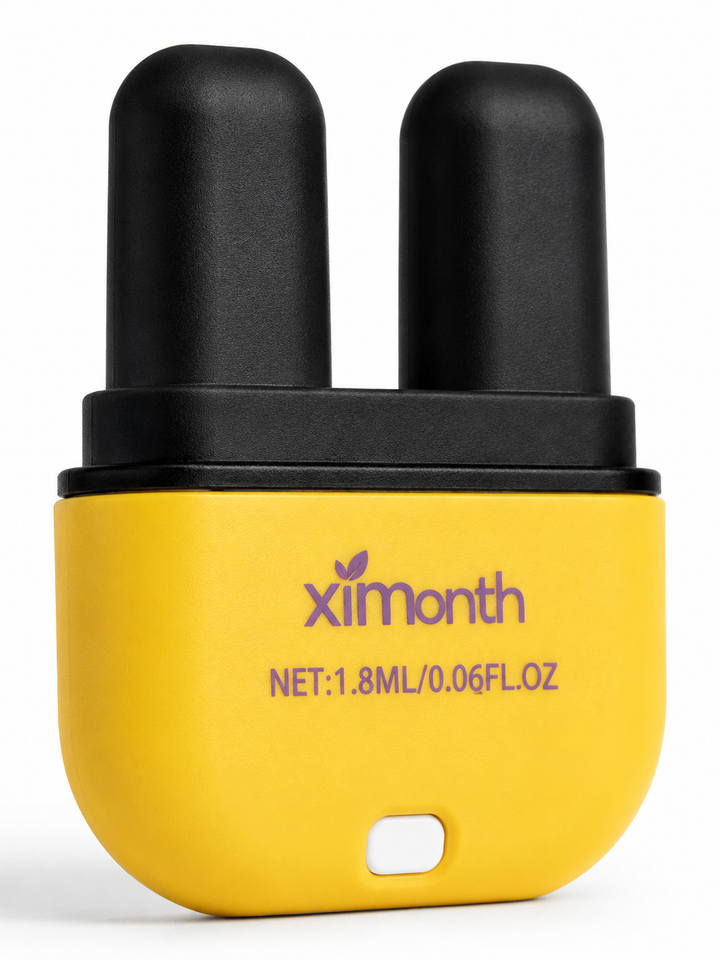

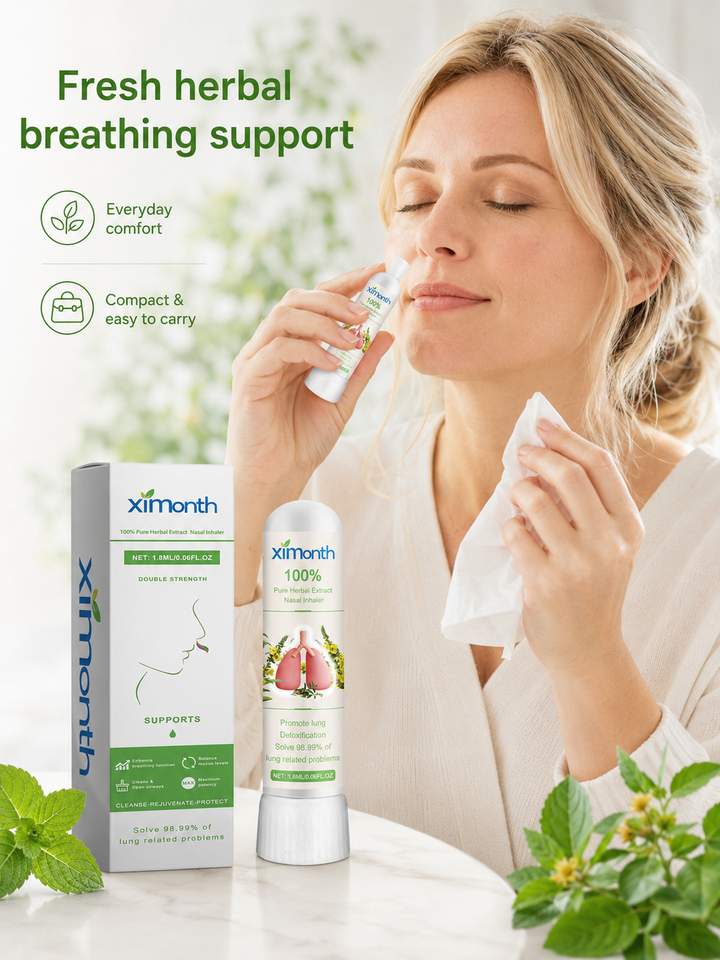

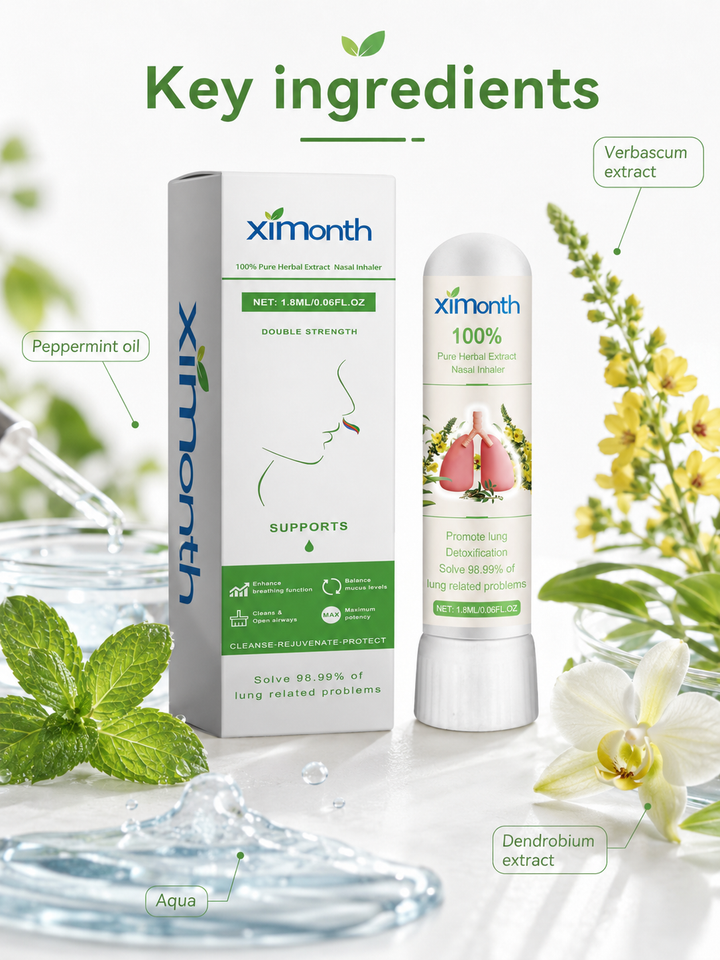

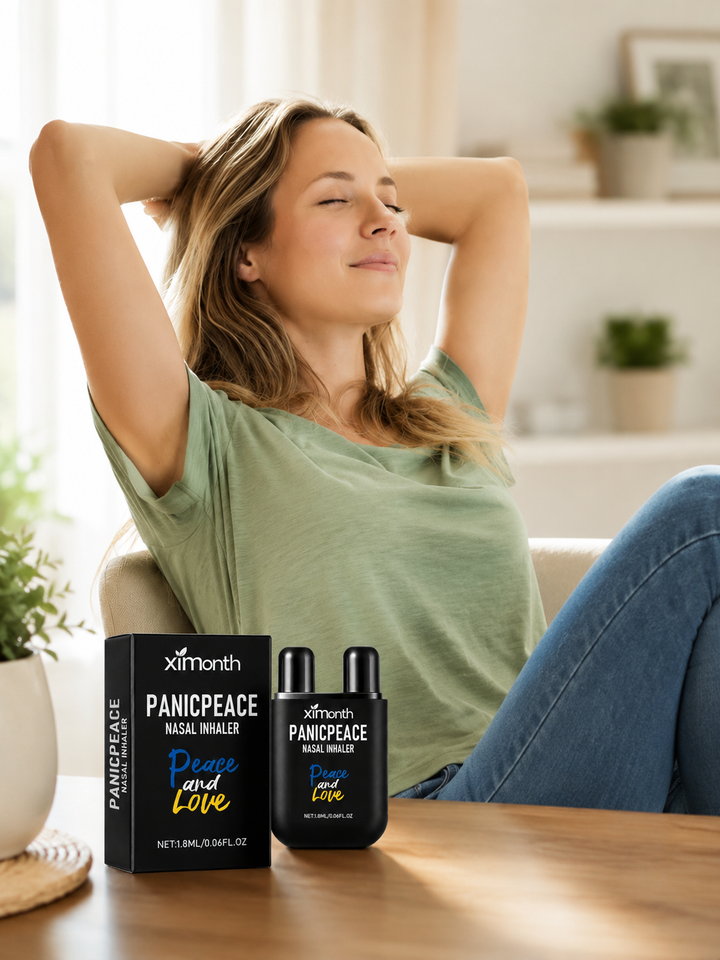


Thai herbal nasal inhalers are compact aromatherapy products made with scented herbs, essential oils, or botanical blends for a refreshing sensory experience. This category also includes sprays, mists, patches, and inhalers marketed for breathing, calm, or “lung cleanse” support; compare the format and ingredients carefully rather than treating promotional wording as a medical promise.
How do you choose a Thai herbal nasal inhaler?
Start with the format that fits your routine. A traditional inhaler is pocket-sized and intended for brief smelling, while a spray or mist is designed for application according to its label. Patches are worn on the skin and are not the same as inhaled products. Next, check the ingredient list for herbs, menthol, camphor, essential oils, fragrances, and any allergens you prefer to avoid. Consider whether you want a cooling, herbal, floral, or citrus-like aroma. If a product uses terms such as “lung cleanse,” “detox,” or “respiratory relief,” read them as marketing descriptions, not proof that it treats or removes a medical condition.
What types of Thai herbal inhalers are available?
The category includes several distinct options. Herbal nasal inhalers are dry or balm-like blends intended for brief aromatic use. Lung cleanse sprays and mists are liquid formats, so they require careful attention to whether they are meant for the air, skin, or direct nasal use. Nasal and lung cleanse sprays combine the inhaler concept with a spray dispenser, while an anxiety-focused inhaler emphasizes a calming scent rather than a lung-related theme. Bee venom products and diabetes-focused inhalers make stronger wellness claims, so check the full label and avoid assuming that a product replaces prescribed care. Patches are non-inhaled alternatives and should be checked for skin compatibility.
What should you look for in a Thai herbal nasal inhaler?
Look for a complete ingredient list, clear directions, batch or expiry information, and packaging that protects the contents from heat and contamination. The product should state whether it is for smelling, topical use, room misting, or another purpose. A secure cap helps preserve volatile aromas and makes a pocket inhaler easier to carry. If you are sensitive to strong scents, choose a milder blend or avoid formulas containing menthol, camphor, eucalyptus, or multiple essential oils. Be cautious with vague promises such as “deep lung detox,” “instant relief,” or “lower blood sugar.” Useful product information explains the format and use without implying guaranteed health outcomes.
How do you use a Thai herbal nasal inhaler safely?
Follow the specific instructions supplied with the product, because a nasal inhaler, spray, mist, and patch are used differently. For a personal inhaler, hold it near the nose and take a gentle sniff; do not force liquid, powder, balm, or concentrated oil into the nostrils unless the label explicitly says it is intended for that use. Do not swallow inhaler contents or apply them to the eyes. Wash your hands after handling topical products, and keep all formats away from children and pets. Stop if you notice irritation, coughing, headache, dizziness, breathing discomfort, or an allergic reaction. Seek professional advice for persistent or severe symptoms.
What are common mistakes when using herbal inhalers?
A frequent mistake is treating a scented inhaler as a treatment for congestion, asthma, infection, anxiety, diabetes, or lung disease. Another is using a product in the wrong way—for example, spraying a room mist into the nose or applying an inhaler blend to broken skin. Avoid sharing personal inhalers, using more often than directed, or placing strong oils directly under the nose for long periods. Do not combine several mentholated or camphor-containing products without checking their instructions. Store the item closed and away from heat. If a smell causes discomfort, discontinue it rather than trying to “get used to” the sensation.
Who are Thai herbal nasal inhalers suitable for?
These products may suit adults who enjoy herbal aromas and want a portable sensory item for occasional personal use. They can be convenient for travel, work, or keeping in a bag, provided the chosen format matches the intended use. They may not suit people who are sensitive to fragrance, menthol, camphor, essential oils, or bee-derived ingredients. Ask a healthcare professional before use if you are pregnant, have asthma or another respiratory condition, take regular medication, or are considering a product with blood-sugar or detox claims. Children should only use a product when its labeling and a responsible adult indicate that it is appropriate.
Frequently asked questions
Are Thai herbal inhalers good for you?
They can provide an enjoyable herbal aroma and a refreshing sensory experience, but they should not be assumed to improve lung health or treat illness. Benefits and tolerability depend on the ingredients and how the product is used. Check the label and stop using it if it causes irritation or breathing discomfort.
What are Thai herbal inhalers used for?
They are commonly used for briefly smelling aromatic blends containing herbs, menthol, camphor, or essential oils. Shoppers may choose them for a cooling or refreshing scent, portability, or relaxation as part of a personal routine. They are not a substitute for medical treatment.
What is a famous nasal inhaler in Thailand?
Thai herbal inhalers are widely recognized as small, portable aromatic products, often sold in twist-top or tube-style formats. Popularity can vary by region and product, so check the current ingredients, directions, and seller information rather than choosing based only on reputation.
What are the potential side effects of using a Hong Thai inhaler?
Possible problems can include nose or skin irritation, watery eyes, headache, dizziness, coughing, or sensitivity to strong fragrances, depending on the ingredients and the user. Avoid direct eye contact and do not put the contents into the nose unless the label specifically instructs you to do so. Stop use if you react and seek medical advice for severe or persistent symptoms.
What are the negatives of inhalers?
Aromatic inhalers may be too strong for people sensitive to menthol, camphor, essential oils, or fragrance. They can also be misused when shoppers treat marketing terms such as “detox” or “lung cleanse” as medical claims. Inhalers should not replace prescribed medicines or delay care for breathing problems.
What do they keep sniffing in Thailand?
People may be using small herbal nasal inhalers containing aromatic herbs, menthol, camphor, or essential oils. These products are portable and used for their scent and cooling sensation. The exact ingredients vary, so read the packaging before trying one.
Can a Thai herbal inhaler replace medicine or an inhaler prescribed by a doctor?
No. A scented herbal inhaler is not automatically equivalent to prescribed respiratory medicine, and a product marketed for blood sugar, detox, or lung support should not replace professional care. Follow your treatment plan and ask a qualified healthcare professional before adding a new product.