
$44.90
Free delivery · 7–14 days
Washing Machine Cleaner Powder for Fresh, Clean Drums
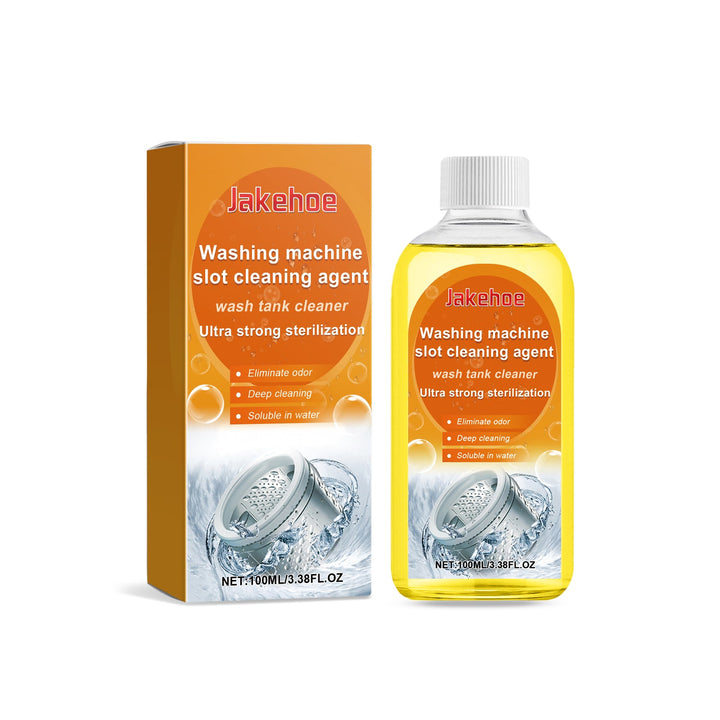

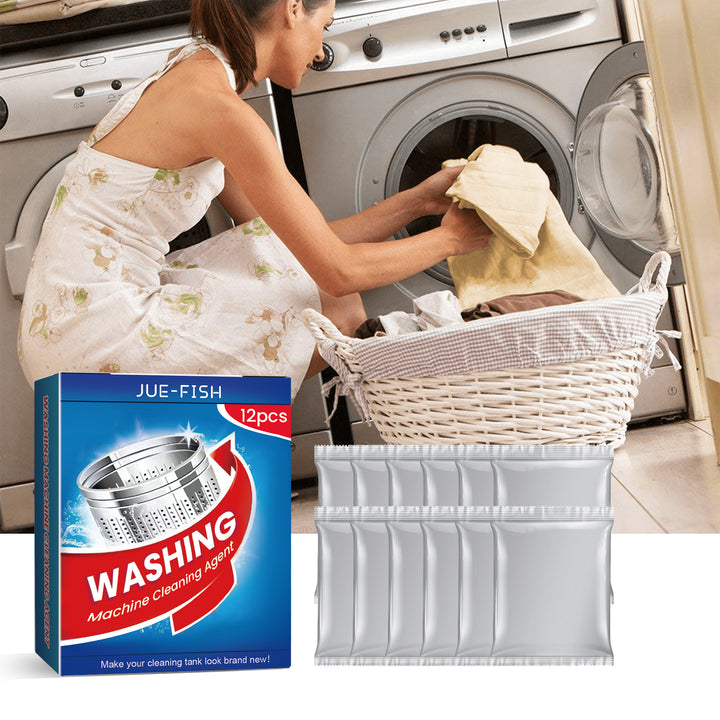


Keep laundry fresher by choosing a washing machine cleaner that matches your drum, routine, and cleaning preferences. This category includes powders, tablets, deodorizing and descaling formulas, plus anti-vibration pads that help stabilize the appliance during cycles.
Start by identifying the problem you want to address. For general maintenance, a washing machine cleaner powder for fresh, clean drums is a practical option. If your machine has a persistent stale smell or visible residue, choose a formula designed for deep cleaning, odor control, or deodorizing and descaling. Tablets offer a measured, low-mess format, while powder lets you adjust the amount according to the product directions. Check whether the cleaner is suitable for your machine type, including front-load and top-load models, and follow the label rather than combining products. If your washer moves or rattles during spin, anti-vibration pads can complement cleaning products by helping stabilize the appliance, but they do not replace drum cleaning.
Powder and tablet cleaners serve a similar purpose, but the formats suit different shopping preferences. Washing machine cleaner tablets are convenient when you want a pre-measured dose and simple storage, such as the 12 Deep Clean Pack. Powder is flexible and available in options focused on fresh drums, deodorizing, descaling, odor removal, or mold-related residue. A six-pack can also make routine cleaning easier to plan. Choose tablets for a tidy, straightforward process with less measuring. Choose powder if you prefer a multipurpose formula or want to follow different dosing instructions for your appliance. Neither format is automatically the best washing machine cleaner for every washer; compatibility, directions, and the type of buildup matter more than the format alone.
Look for clear directions covering the amount to use, the cycle to select, and whether the product is intended for an empty drum. Product descriptions should also make the main purpose easy to understand, such as freshening the drum, reducing odors, helping with mineral scale, or cleaning residue. Consider pack size if you want an occasional deep clean or a supply for regular maintenance. A liquid washing machine cleaner may appeal to shoppers who prefer a ready-to-pour format, while this category focuses on convenient powder and tablet choices. Avoid choosing only by phrases such as “deep clean.” Compare the actual format, pack count, machine compatibility, and instructions. If you are searching for a washing machine cleaner near me, online category filters can make these comparisons easier.
Empty the washer before cleaning so the product can work on the drum and internal wash surfaces without clothing in the way. Add the recommended amount of powder or the specified number of tablets according to the package directions, then select the cleaning or hottest suitable empty cycle allowed by your machine manual. When the cycle ends, wipe accessible areas such as the door seal, dispenser, and underside of the lid with a clean cloth. Leave the door or lid open afterward so the interior can dry. Do not mix a commercial washer cleaner with vinegar, baking soda, bleach, detergent, or another cleaner unless the instructions specifically allow it. A cleaner cannot replace routine care, so remove trapped items and follow the appliance manufacturer’s maintenance guidance.
One common mistake is running a cleaner with laundry inside, which can prevent the formula from reaching the drum properly and may affect fabrics. Another is using extra product in the hope of dissolving more gunk; more is not necessarily better and can leave residue. Do not combine cleaning products or improvise a DIY washing machine cleaner without checking your appliance and product guidance. Vinegar and baking soda are often discussed online, including in Reddit recommendations, but mixing household ingredients or adding them to a commercial cleaner can create an unsuitable cleaning routine. Also avoid assuming that a cleaner fixes every odor source. Check the detergent drawer, door seal, drain filter, and drainage setup where accessible, and consult the washer manual for cleaning instructions.
Washing machine cleaner suits households that notice stale odors, detergent residue, mineral deposits, or a drum that needs periodic freshening. It can also be useful for people who wash frequently, use low-temperature cycles often, or want a dedicated alternative to improvised homemade methods. Choose the Washing Machine Cleaner Powder for Removes Odors & Mold when that product description matches the residue concern you are addressing, and follow its directions carefully. Anti-vibration pads suit shoppers whose washer shifts, rattles, or creates noticeable movement during spin. They are a separate accessory, not a cleaning treatment, and should be installed only on a stable, suitable floor. If the machine is severely unbalanced, leaking, or making a new mechanical noise, check the appliance rather than relying on cleaner or pads alone.
A purpose-made washing machine cleaner is usually the simplest choice because its instructions are designed for an empty washer drum. Choose powder or tablets based on your preferred format, then match the product to concerns such as odor, residue, or mineral scale. Always follow the cleaner and appliance directions.
It can be worthwhile if your washer develops stale odors, visible residue, or buildup from regular use. A dedicated cleaner provides a repeatable routine, but it works best alongside wiping the seal, cleaning the dispenser, checking the filter where accessible, and leaving the door or lid open to dry.
A washer cleaner formulated for residue, deodorizing, or descaling may help loosen the type of buildup described on its label. The right choice depends on whether the problem is detergent residue, mineral scale, or trapped debris. Do not combine cleaners, and remove accessible debris manually before running an empty cleaning cycle.
Household DIY methods are widely discussed, but vinegar and baking soda should not be treated as automatically suitable for every washer. Do not mix them with a commercial cleaner or other chemicals, and check the appliance manual before using either ingredient. A purpose-made washing machine cleaner offers clearer dosing and usage instructions.
There is no single homemade formula that suits every machine, finish, or buildup type. Before trying DIY ingredients, check the washer manual and avoid mixing substances. For a more consistent option, use a dedicated washing machine cleaner powder or tablet according to its label.
Do not use baking soda together with bleach, vinegar, commercial washer cleaner, or other chemicals unless the relevant instructions specifically permit it. Avoid adding it to a cleaning routine without checking your appliance guidance, and do not assume it will remove every type of residue. Keep cleaning products separate and use the recommended amount.