
$64.90
Free delivery · 7–14 days
Bathroom Drain Cleaner Powder for Fast, Fresh Flow

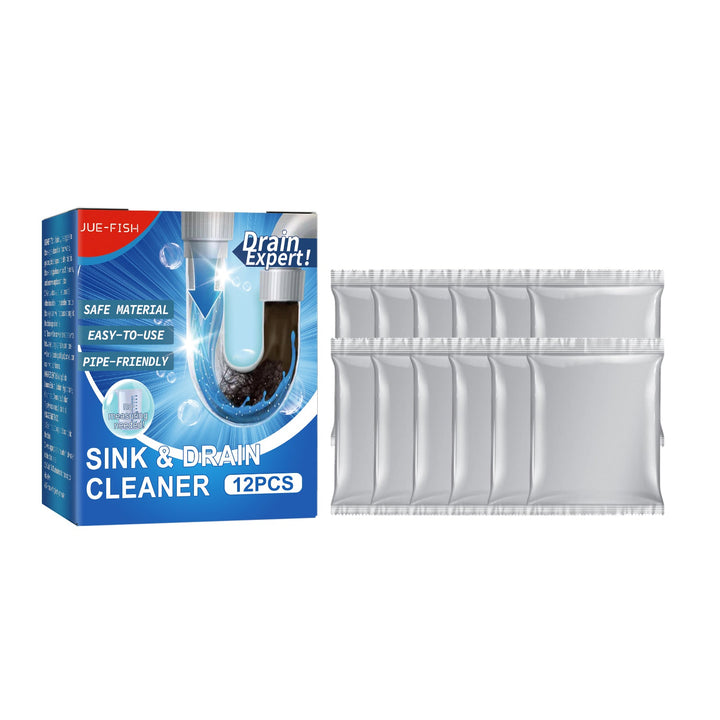


Keep sinks, bathroom drains, and household pipes moving with drain care products designed for slow flow, odors, grease, and clogs. This category includes powders, sachets, gel, and liquid formulas, so compare the format, pipe location, clog type, and product directions before choosing.
Start by identifying the problem: a slow kitchen sink may contain grease and food residue, while a bathroom drain may collect hair, soap buildup, and standing water. Choose a product whose label matches the intended drain and blockage type. Powder sachets can offer measured portions, while loose powder may suit shoppers who prefer flexible dosing according to the instructions. Gel can cling to areas inside a slow pipe, and a 100 ml liquid format may be convenient for targeted household use. Check whether the product is intended for maintenance, active unclogging, odor control, or a combination. If water is completely backed up, read the label carefully before use and consider mechanical removal or professional help instead of repeatedly adding chemicals.
Powdered drain cleaners are useful for sink and pipe maintenance, slow flow, grease, and drain odors when used exactly as directed. Sachets provide a premeasured format that can simplify routine drain care. Gel products are suitable for shoppers looking for a thicker formula for slow pipes and odors, while liquid drain cleaner in a small bottle can be practical for a single kitchen or household drain. Product strength, contact time, required water temperature, and compatible materials vary by formula, so formats are not automatically interchangeable. Compare the package directions with the drain location and blockage symptoms. Never mix powder, gel, liquid drain cleaner, vinegar, bleach, or other cleaners unless the label specifically permits it.
Look for clear instructions covering dosage, contact time, flushing, ventilation, storage, and suitable pipe or drain materials. If you want regular drain care, select a product described for maintenance rather than assuming an unclogging formula is intended for frequent use. For kitchen pipes, terms such as grease, food residue, slow sinks, and clogged kitchen drains can help narrow the choice. For bathroom use, look for wording that addresses slow bathroom drains, soap residue, or odors. A product with a measured sachet may help reduce guesswork, while a powder or gel may offer a format better suited to your routine. Keep the container sealed and stored away from children and pets, and read all safety statements before handling.
Remove visible debris from the drain opening first, then follow the product label for the recommended amount and water instructions. Some powders require water to activate, while gels and liquids may require a specific waiting period before flushing. Do not improvise by combining products or adding vinegar, salt, bleach, or another cleaner. Use ventilation and the protective equipment listed on the label, and avoid splashing. If the drain has standing water, confirm that the formula is suitable for that condition before pouring it in. Flush only as directed, and stop if the blockage remains or the product instructions warn against repeating the treatment. For persistent backups, leaks, or multiple slow drains, contact a qualified plumber.
A frequent mistake is choosing a drain cleaner without checking whether the issue is hair, grease, an object, or a deeper pipe obstruction. Another is using more product than directed, repeating applications too soon, or assuming vinegar and salt will safely clear every clog. Never mix drain cleaner with bleach, ammonia, vinegar, or another chemical, because the combination can create dangerous reactions. Avoid pushing tools into a drain after chemical treatment unless the label says it is safe and the product has been fully flushed. Do not use a kitchen-focused formula in another location without checking its directions. If odors return quickly, water backs up repeatedly, or several fixtures drain slowly, the problem may need inspection rather than more drain care product.
These products suit homeowners, renters, landlords, and maintenance teams managing slow sinks, routine pipe buildup, kitchen grease, bathroom drain odors, or minor household clogs. They can also be useful for shoppers searching for a drain care product in a specific local area, such as drain care Corinth MS, provided the product is used for the stated household application. This category is for plumbing maintenance, not medical use: searches such as surgical drain fluid color chart, JP drain care, drain care nursing, or drain care medical refer to clinical equipment and should not be addressed with household drain cleaner. Choose the format that fits your routine, but use a plumber for recurring blockages, damaged pipes, sewage problems, or any situation outside the product label.
Plumbers generally match the approach to the blockage rather than using one product for every drain. Remove visible debris where possible, follow the cleaner label, and avoid mixing chemicals. A recurring clog, sewage backup, leak, or group of slow drains may require a plumber instead of repeated chemical treatments.
Use a drain care product specifically labeled for maintenance and the type of household drain you have. Follow its dosage and flushing instructions, and use a sink strainer to limit food, hair, and other debris. Do not pour grease, paint, solvents, or incompatible cleaners down the drain.
There is no single schedule for every home. Clean or maintain a drain when the product label recommends it, or when you notice early signs such as slower flow or recurring odors. Avoid treating automatically more often than directed, and investigate repeated clogs instead of relying on frequent cleaner use.
Use strainers in sinks and showers, keep grease and food scraps out of kitchen drains, and remove visible hair and residue regularly. Run water as appropriate for your plumbing and use a compatible maintenance product according to its label. Address slow drainage early before it becomes a complete blockage.
Vinegar is not automatically suitable for every clog or pipe, and it may not remove a substantial blockage. More importantly, never combine vinegar with drain cleaner, bleach, or other chemicals. If you use any household ingredient, check your plumbing and product guidance first; for a persistent clog, use a labeled drain product or contact a plumber.
Some household routines suggest salt for odor or buildup, but nightly salt use is not a universal or guaranteed drain-care method. It will not reliably remove every type of clog, and excessive use may be unsuitable for some plumbing or septic setups. A product labeled for drain maintenance, used as directed, is a more targeted option.