
$64.90
Free delivery · 7–14 days
Auto Glass Anti-Fog Spray for Clear Driving Visibility


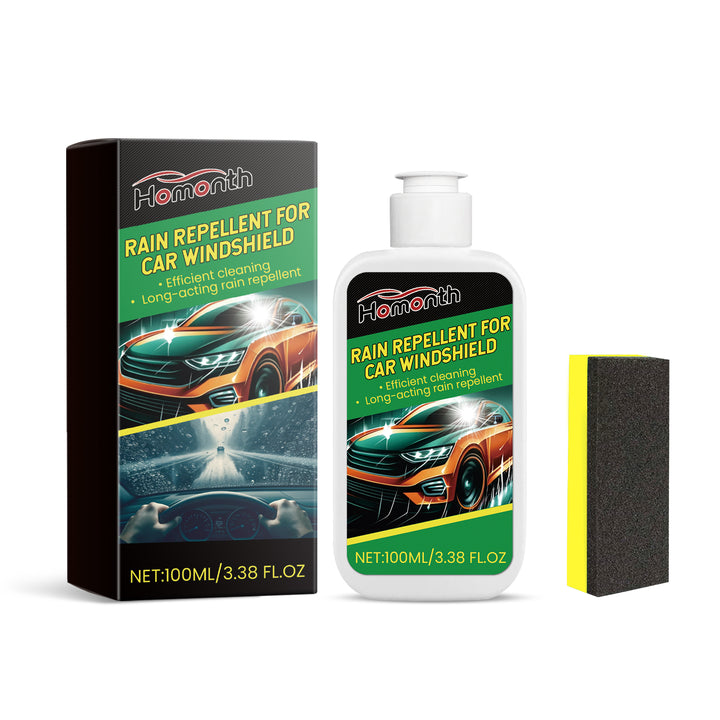


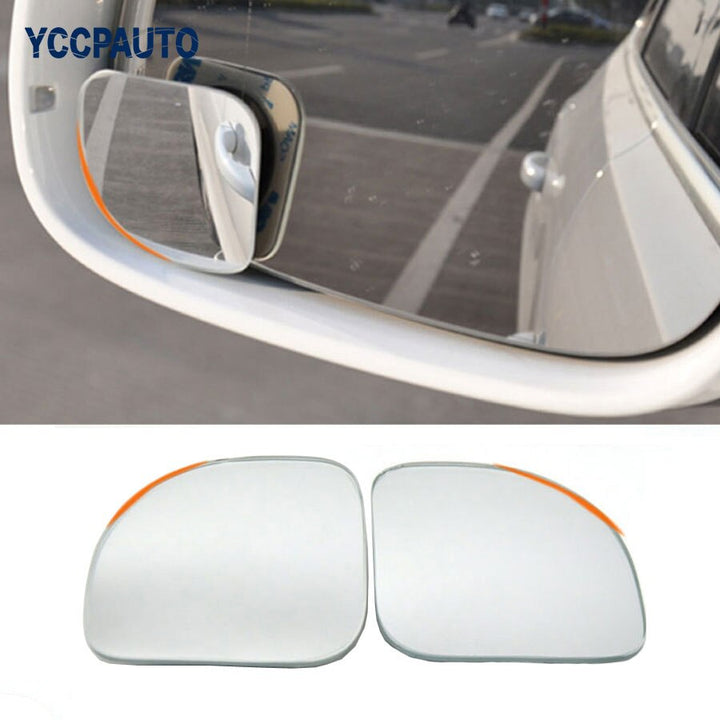

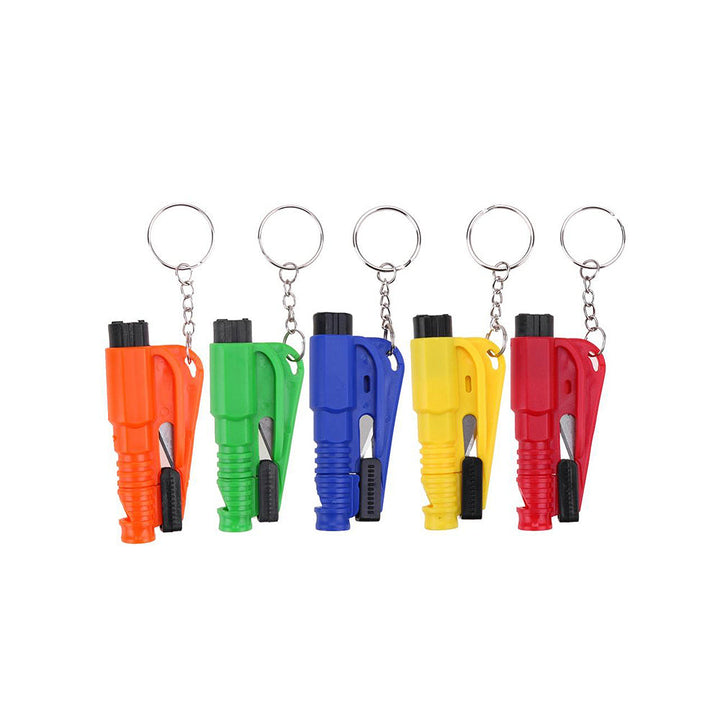
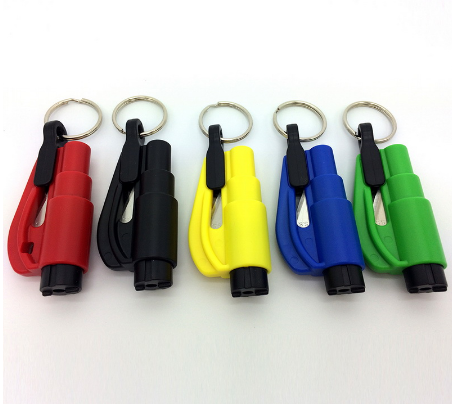

Car safety tools can help you maintain clear glass and prepare for common visibility or cooling-system problems while driving. This category focuses on anti-fog sprays, glass cleaners, rain-repellent treatments, cleaning tablets, oil-film removers, and radiator stop-leak powder—not dedicated glass breakers or car escape hammers.
Start with the driving problem you want to address. Choose an anti-fog spray when interior condensation makes the windshield harder to see, a glass cleaner when dirt or residue is the main issue, and a rain-repellent treatment when water beading affects visibility during wet weather. Oil-film cleaner is suited to greasy or hazy deposits that ordinary washing may not remove easily. Windshield cleaning tablets are a compact option for preparing cleaning fluid, while radiator stop-leak powder is intended for a cooling-system repair situation rather than routine glass care. If you are specifically searching for the best car escape tool or a compact emergency glass breaker, check the product description carefully because those items are different from the products listed here.
The glass-care products in this category serve different purposes. Anti-fog products are applied to clean interior glass to help reduce condensation. Glass cleaners and cleaning tablets are used to remove everyday film, dust, and road residue before driving. Rain-repellent treatments are designed for exterior glass and can help water run off more readily during rain. Oil-film cleaners target stubborn greasy haze on the windshield. These products work best as part of a visibility-maintenance routine, not as substitutes for working wipers, washer fluid, or clear lighting. Radiator stop-leak powder belongs to a separate emergency-maintenance group: it may be considered when a compatible cooling-system leak occurs, but it should be selected and used only according to the vehicle and product instructions.
Look for a product whose intended surface and problem match your vehicle. For glass products, check whether the formula is for interior or exterior glass, whether it is intended for windshields, and whether the directions require a dry or damp surface. A spray may be convenient for quick treatment, while tablets can be easier to store without carrying a larger bottle. For rain-repellent products, confirm that the windshield is thoroughly cleaned before application. For oil-film cleaner, consider whether the residue is more persistent than ordinary road dust. If evaluating radiator stop-leak powder, read compatibility guidance, preparation steps, and any limits on use. Clear instructions, secure packaging, and easy storage are useful qualities for car safety accessories kept in a glove box or roadside kit.
Clean the glass first unless the label specifically says otherwise. Apply anti-fog spray to the interior side of the glass, using the stated amount, then spread and buff it evenly so it does not leave distracting streaks. Use exterior glass cleaner or oil-film cleaner on a cool surface away from direct heat, and remove all residue with a clean, lint-free cloth. Apply rain repellent only after the windshield is clean and dry, following its curing or buffing directions. Cleaning tablets should be dissolved only as instructed and used with the recommended washer-fluid setup. Do not improvise with radiator stop-leak powder: identify the leak, check compatibility, and follow the label exactly. Test visibility before driving and stop using any product that leaves haze.
A frequent mistake is buying a glass-care product while expecting it to function as a car escape hammer or glass breaker. Anti-fog spray, cleaner, and rain treatment do not provide an emergency-exit function. Another mistake is using an exterior rain repellent on interior glass, applying anti-fog product to dirty glass, or combining treatments without checking the instructions. Excess product can create streaks and glare, especially at night. Some shoppers also treat radiator stop-leak powder as a permanent repair instead of an emergency maintenance option. Keep the product sealed, check storage guidance, and replace items that have leaked, dried out, or passed their stated shelf-life guidance. For a complete emergency kit, consider separate equipment such as a warning triangle, flashlight, first-aid supplies, and a dedicated escape tool where legally and practically appropriate.
These products suit drivers who regularly face wet weather, interior condensation, road grime, or oily windshield film. They can also be useful for commuters, families, and anyone who wants compact visibility-maintenance supplies in the vehicle rather than relying only on a car wash. Cleaning tablets may suit drivers with limited storage, while sprays and treatments are useful for planned glass care at home or during a trip. Radiator stop-leak powder is more situation-specific and should be chosen only when its instructions match the vehicle’s cooling system. If your main goal is emergency escape after a crash, this category is not a complete solution: search for a dedicated car escape tool with a glass-breaking feature and seat-belt cutting function, then verify its design and storage method separately.
The best choice depends on the risk or maintenance problem you are addressing. For this category, an anti-fog product, glass cleaner, rain treatment, oil-film cleaner, cleaning tablet, or radiator stop-leak powder may be appropriate for a specific use. A dedicated car escape tool is a separate product and is not included in the listed glass-care range.
Useful vehicle supplies can include glass cleaner, anti-fog treatment, rain repellent, cleaning tablets, a flashlight, warning equipment, a first-aid kit, and a dedicated escape tool if you want emergency-exit equipment. Choose each item for a defined purpose and store it where it can be reached without blocking the driver’s controls.
A practical emergency kit may include a flashlight, phone power source, warning triangle or reflective gear, basic first-aid supplies, gloves, and seasonal supplies suited to your driving conditions. If you want escape equipment, look for a purpose-built car escape tool rather than treating glass cleaner or anti-fog spray as an emergency breaker.
Consider equipment for visibility, roadside warning, communication, basic first aid, and emergency exit. In this category, glass-care products can support clearer windows, but they do not replace functioning wipers, washer fluid, lights, or a dedicated escape device.
Good accessories are those that match your driving conditions and remain easy to access. Anti-fog spray, exterior glass cleaner, rain-repellent treatment, oil-film cleaner, and cleaning tablets can support windshield maintenance, while a flashlight and warning equipment help with roadside situations.
Common essentials include a flashlight, charging cable or power bank, gloves, warning equipment, basic first-aid supplies, and supplies for weather conditions you regularly encounter. Add glass-cleaning or anti-fog products when visibility is a recurring issue, and keep any radiator stop-leak product only if it is suitable for your vehicle and used according to its instructions.