
$64.90
Free delivery · 7–14 days
Car Scratch Repair Polish for a Smooth, Clean Finish


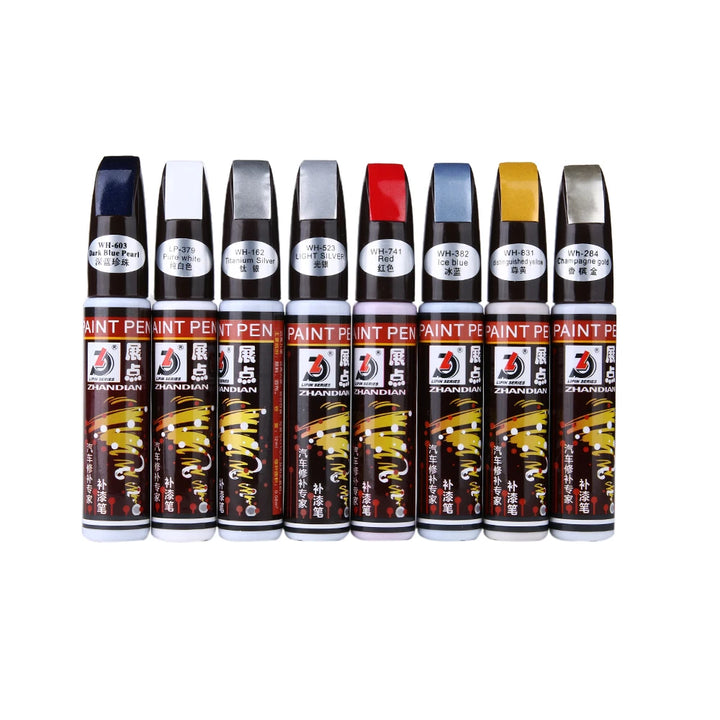

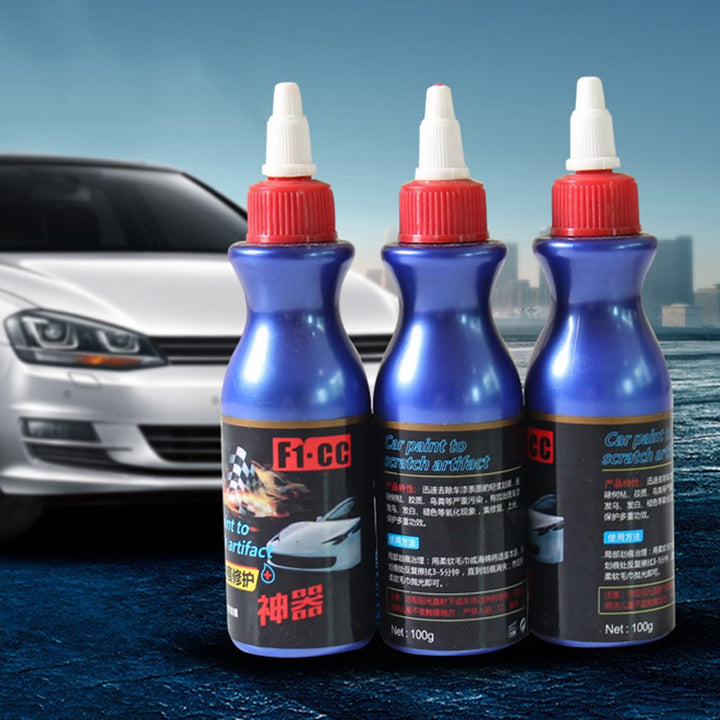

Find car scratch repair products for light paint marks, swirl marks, scuffs, and everyday finish care. This category includes polishing creams, pastes, waxes, sprays, kits, and a portable scratch repair pen for targeted touch-ups.
Start by checking how deep the mark appears. Polish, cream, wax, and spray products are generally intended for light surface marks, swirl marks, transfer, and dull areas rather than deep damage through the paint layers. Choose a car scratch repair kit when you want several items for preparation and finishing, or select a cream or polish when you already have suitable applicators. A car scratch repair pen is useful for small, localized paint scuffs where a portable format matters. Match the product to the affected area, the type of finish, and the instructions on the label. If the scratch exposes a different color, bare metal, or a primer-like layer, a simple car scratch remover may not provide a complete repair.
Car scratch repair polish is suited to smoothing and cleaning the finish over a broader area. Cream and paste formulas can be applied to specific marks or worked across panels to address fine paint scratches and swirl marks. Wax products focus on finishing and shine, making them useful after surface polishing or for maintaining the appearance of fine marks. Sprays offer quick application for light polish care, while a repair pen targets small scuffs with less product handling. A kit can combine application tools or complementary steps. None of these formats should be assumed to replace repainting for deep scratches. Compare the intended use, application method, surface compatibility, and whether the product is designed for clear coat, painted panels, or general exterior finish care.
Look for clear instructions covering preparation, application pressure, dwell time, removal, and repeat use. The label should identify suitable exterior surfaces and explain whether the formula is a polish, abrasive cream, wax, spray, or touch-up product. Consider the area you need to treat: a bottle or tub may suit several panels, while a car scratch repair pen is convenient for a small mark. Check whether an applicator cloth, pad, or other tool is included, especially when comparing car scratch repair kits. A product that describes the type of mark it addresses is easier to choose than one making broad promises. Also review warnings about testing on an inconspicuous area and avoiding unpainted trim, glass, rubber, or surfaces excluded by the instructions.
Wash and dry the vehicle first so grit does not create additional marks during application. Work in a shaded area on a cool panel, then test the product on a small inconspicuous section. Apply a small amount of polish or cream to the recommended pad or cloth and work gently over the mark according to the label. Remove residue with a clean microfiber cloth if directed, and inspect the finish before repeating. Use wax only as instructed for the finishing step; do not assume it will remove a deep scratch. For a spray, control overspray and wipe the panel as directed. With a scratch repair pen, keep the application narrow and follow its preparation and drying instructions. Avoid aggressive pressure or unapproved tools.
A frequent mistake is treating every mark as a surface scratch. If you can feel a deep groove, see a contrasting underlayer, or notice exposed metal, polishing alone may not restore the panel. Do not use household cleaners or improvised abrasives without checking their suitability for automotive paint. WD-40 and a magic eraser should not be treated as guaranteed car scratch repair solutions; unsuitable products or abrasive action may alter the finish. Applying too much compound, working on a dirty panel, or using a rough cloth can create more visible marks. Avoid mixing products unless the instructions allow it, and do not skip the test area. If the damage extends across a large panel or involves dents, seek a professional assessment instead of relying on a car scratch repair paste.
These products suit vehicle owners handling light paint scuffs, fine marks, swirl marks, transfer, and general finish maintenance at home. A cream, polish, or wax can work well when you want to treat a panel or several small areas, while a pen is convenient for keeping in the vehicle for minor localized marks. A kit may be the better choice if you need an organized starting point with application accessories or more than one finishing step. DIY car scratch repair is less suitable when paint is missing, metal is exposed, the damage is deeply grooved, or the panel is dented. In those cases, compare the likely car scratch repair cost with a body-shop estimate rather than repeatedly polishing the area. Local searches for car scratch repair near me can help locate professional options.
You can often improve the appearance of light surface marks, swirl marks, and minor scuffs with a suitable polish, cream, wax, spray, or kit. Deep scratches, missing paint, exposed metal, and dented panels may require professional repair or repainting.
The cost depends on the scratch depth, panel size, paint type, and whether the area needs polishing, touch-up work, or repainting. DIY products usually involve the purchase price of the selected product, while a professional repair requires an estimate based on the actual damage.
WD-40 should not be relied on as a car scratch remover. It may change the appearance of surface residue temporarily, but it is not a dedicated paint-repair product and will not restore missing paint or deep damage.
A kit can help improve light surface marks when its contents match the type of damage and the instructions are followed carefully. Results vary by scratch depth and finish condition, and a kit should not be expected to replace repainting for deep scratches.
A magic eraser is abrasive and is not designed as an automotive paint repair product. Using it on a vehicle may alter the finish, so choose a product specifically labeled for exterior automotive paint instead.
The best option depends on the mark and the area being treated. Choose a polish or cream for light surface marks and swirl marks, a wax for finishing and shine, a spray for quick polish care, or a pen for a small localized scuff; deep damage may need professional repair.